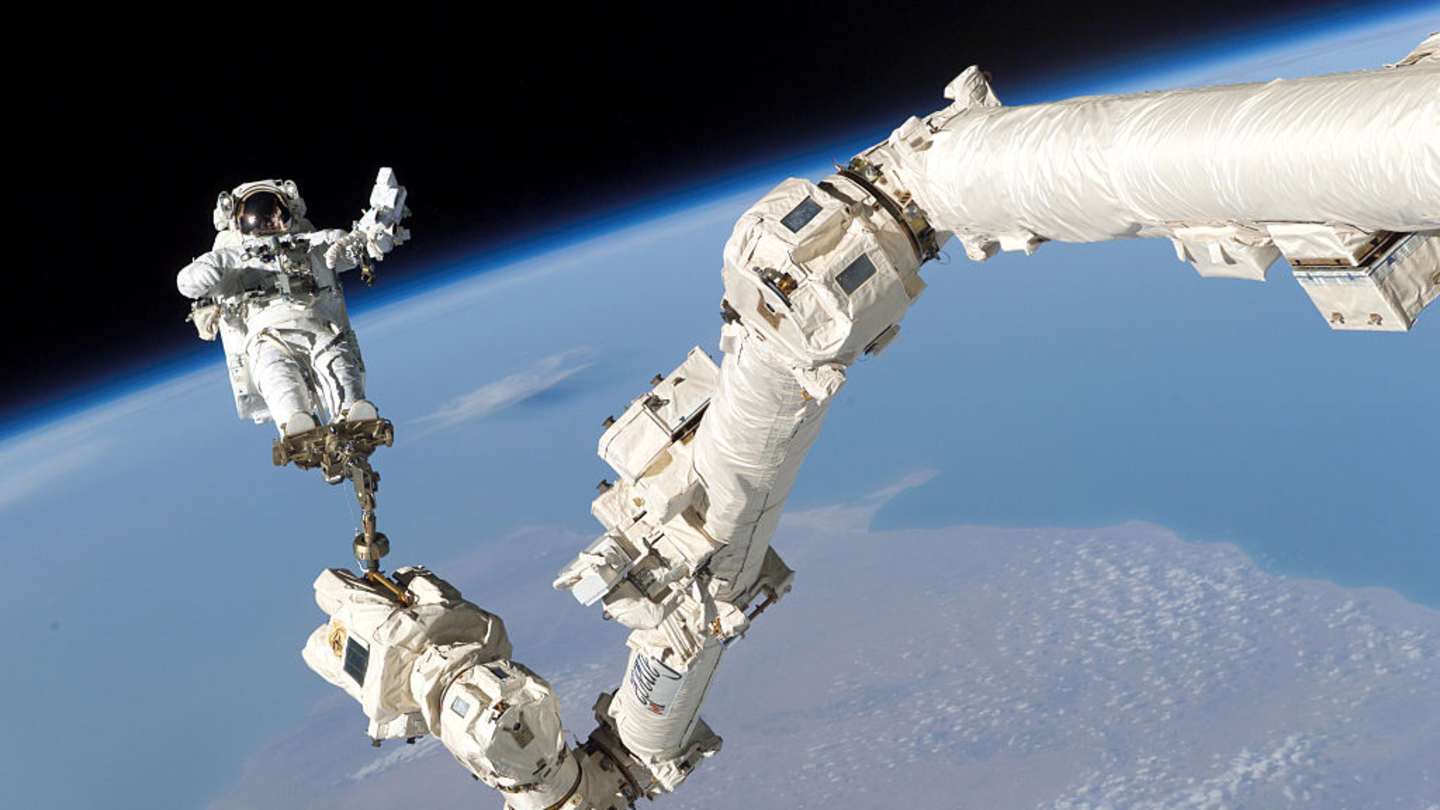
If you get sick on Earth, you can call a doctor, visit urgent care, or dramatically type your symptoms into a search bar and scare yourself for free. In space, the options are a little less convenient. There is no neighborhood pharmacy floating past the International Space Station, no ambulance siren in orbit, and definitely no one delivering soup in a paper bag that says “feel better soon.”
That is exactly why astronaut health in space is such a serious part of mission planning. Space agencies do not wait for illness to happen and then wing it. They build medical care into the mission from the start. Astronauts train for emergencies, spacecraft carry medical kits and diagnostic tools, and flight surgeons on Earth monitor crew health before, during, and after a mission. On the International Space Station, there is real-time support from the ground. On future missions to the Moon and Mars, crews will need even more independence because help will be far away and communication delays will get in the way.
So what actually happens when an astronaut gets sick in space? Usually, it starts with symptoms that are surprisingly ordinary: nausea, headache, congestion, fatigue, stomach trouble, back pain, or dizziness. What makes the situation extraordinary is the environment. Microgravity changes how fluids move, how the inner ear senses motion, how the immune system behaves, and how the body sleeps, eats, and recovers. In other words, space does not just make treatment harder. It can change the illness itself.
Why Getting Sick in Space Is So Different
Illness in orbit is not just “normal sickness with a better view.” Spaceflight affects the human body in ways that would make any physician raise an eyebrow. In microgravity, fluids shift upward toward the head, which can cause that classic puffy-face, stuffy-nose look many astronauts develop early in flight. The inner ear gets confused because the balance system no longer receives the same gravity cues it depends on back on Earth. Sleep can become patchy, appetite can dip, and the body’s usual routines start acting like they missed the staff meeting.
That means even a mild issue can become more complicated. A headache might be tied to fluid shifts. Nausea might be space adaptation sickness instead of a bad lunch. A urinary problem might carry extra concern because dehydration and altered calcium balance can raise the risk of kidney stones. A simple rash may not be a simple rash if immune function is behaving differently in orbit.
Then there is the operational problem: astronauts are working in a confined, high-risk environment where everyone depends on each other. If one crew member feels awful, the mission may need schedule changes, reduced workloads, or more monitoring. In space, feeling “a little off” is not just personal. It can affect safety, performance, and mission success.
The First Response: Who Treats a Sick Astronaut?
The crew starts with training, checklists, and onboard tools
When an astronaut reports symptoms, the first step is assessment. Crews are trained in basic medical response before launch, and one crew member may serve as a Crew Medical Officer. That person is not always a physician, but they are trained to help evaluate problems, use medical equipment, administer medications, and perform emergency procedures if necessary. Yes, astronauts are trained for things like injections, wound care, and other clinical basics. Space is many things, but it is not a place for “I’ll just Google it.”
Flight surgeons on Earth are part of the care team
On the ISS, astronauts have regular private medical conferences with NASA flight surgeons on the ground. If a crew member becomes ill, the team can discuss symptoms, review medical history, and guide care in real time. The station carries medications and diagnostic tools, including ultrasound capability for certain exams. That matters because imaging and lab support are limited in orbit, so every diagnostic tool has to earn its spot like a very overqualified carry-on bag.
If the illness is minor, treatment may be as simple as rest, hydration, medication, and observation. If symptoms persist, the crew can monitor changes over time and adjust workload. If the situation looks serious, mission managers and medical teams evaluate whether the astronaut can remain on orbit safely or needs to return to Earth.
The Most Common Problems Astronauts Deal With
1. Space motion sickness and early adaptation problems
The most famous space illness is space motion sickness, sometimes grouped with broader space adaptation sickness. This tends to happen early in flight, when the brain, eyes, and inner ear are all arguing over what “up” even means now. Symptoms can include nausea, vomiting, headache, drowsiness, facial fullness, congestion, and general misery. It is not glamorous. It is more “zero-gravity hangover” than “heroic cinematic floating.”
Many astronauts improve after the first few days as the body adapts. Medications, careful head movements, hydration, rest, and workload adjustments can help. The catch is that those first days are operationally important, so even temporary sickness can matter a lot.
2. Headaches, back pain, appetite loss, and stomach trouble
Microgravity changes body mechanics and fluid distribution, which can trigger headaches and back pain. The spine can lengthen a bit in space, which sounds cool until your back objects. Reduced appetite, constipation, and mild gastrointestinal complaints can also show up, especially during early adaptation. These are usually managed with medications, food adjustments, hydration, and time.
3. Urinary problems and kidney stone risk
Space medicine pays close attention to hydration and urinary health. In microgravity, bone loss can increase calcium in the body’s excretory system, which can raise kidney stone risk over time. Add in lower fluid intake or medication side effects, and suddenly a very Earth-like medical issue becomes a high-priority concern in orbit. A painful kidney stone is bad on Earth. In space, it can become a mission problem fast.
4. Immune changes and infection concerns
Astronauts are carefully screened and live in a controlled environment, so space is not a giant germ carnival. Even so, the immune system does not always behave normally during spaceflight. Research has shown immune dysregulation and reactivation of latent viruses in some astronauts, especially on longer missions. That does not mean every astronaut becomes visibly sick, but it does mean the body may be dealing with stress in the background while trying to look professional on camera.
5. Sleep disruption, stress, and behavioral health strain
Sleep in space can be a challenge. Circadian rhythms can drift, work schedules can be demanding, and the environment is not exactly a silent cabin in the woods. Poor sleep can affect mood, attention, and physical resilience. NASA treats behavioral health as a real operational issue, not an afterthought. Psychological support, fatigue management, private conferences, and family support all matter because performance in space depends on both body and mind.
What About Serious Medical Emergencies?
This is where space medicine shifts from fascinating to very high stakes. A serious illness or injury in orbit could include a major infection, severe kidney stone, blood clot, eye problem, trauma, or another condition that cannot be fully treated with onboard resources. The exact response depends on mission location.
On the International Space Station, the working model is often stabilize, monitor, and return if needed. If a medical emergency requires evacuation, the crew can use the docked spacecraft to get the sick astronaut back to Earth for advanced care. That does not make things easy, but it does mean low-Earth orbit still has a safety net.
Deep space is different. On a lunar or Mars mission, immediate return may be impossible or wildly impractical. Communication delays also make real-time telemedicine harder. That is why NASA is developing more autonomous medical operations, smaller diagnostic devices, and decision-support systems that help astronauts diagnose and manage problems with less dependence on Earth. In deep space, the crew may need to be the clinic, the patient, and the people trying very hard not to panic.
How Astronauts Try to Avoid Getting Sick in the First Place
The best space medicine is prevention. Astronauts do not just show up, wave, and launch. They go through medical screening, conditioning, vaccination strategies, training, and mission-specific preparation. NASA studies hydration, nutrition, exercise, sleep, bone health, immune function, and psychological resilience because all of those influence what happens when the body leaves Earth.
Exercise is a major countermeasure in orbit because it helps reduce muscle and bone loss. Nutrition and hydration plans support metabolism and kidney health. Behavioral health teams help astronauts manage isolation and workload. Medical operations teams plan for likely conditions and stock medications accordingly. In other words, space missions are built around the idea that the body is brilliant, adaptable, and also occasionally dramatic.
Researchers are also studying long-term risks such as radiation exposure, vision changes related to fluid shifts, and the health demands of missions far beyond Earth orbit. The farther humans go, the more important self-sufficient medical care becomes.
What It Often Feels Like: Realistic Experiences Related to Getting Sick in Space
For many astronauts, the first experience of feeling “sick in space” is not a cinematic emergency. It is a strange, deeply inconvenient mashup of motion sickness, sinus pressure, and the sensation that your body has quietly rearranged its plumbing. Early in flight, some crew members report feeling congested, puffy, and a little off. Imagine having a stuffy head while floating in a place where your inner ear can no longer rely on gravity. Your stomach is uncertain, your appetite may disappear, and every fast head turn feels like your balance system filed a complaint.
Then comes the practical problem: you are not lying in bed watching daytime television. You are expected to work, follow procedures, talk to mission control, and move carefully in a very expensive orbital laboratory. Even mild nausea matters when you are trying to operate equipment without turning the cabin into the world’s most awkward cleaning task. That is why astronauts ease into the routine, use medications if needed, and let the body adapt. Space does not care whether your calendar looks busy.
Another common experience is the “space cold” feeling that is not really a cold. Because fluids shift toward the head, many astronauts feel nasal congestion and facial pressure. They can sound stuffy even though they are not infected. Back on Earth, that would be annoying. In orbit, it can affect comfort, sleep, and even how food tastes. Some astronauts say food seems blander in space, which is one reason spicy sauces become wildly popular. When your nose feels clogged and your appetite is already shaky, plain food is not exactly winning Employee of the Month.
Longer missions bring a different kind of experience. The dramatic nausea of the first days may be gone, but low-level issues can become the real challenge: poor sleep, fatigue, skin irritation, stress, urinary discomfort, or the mental wear-and-tear of living in a confined environment for months. Nothing may look catastrophic from the outside, yet the body is constantly adapting. The crew has to keep exercising, keep hydrating, keep communicating, and keep paying attention to symptoms that might seem small on Earth but deserve respect in space.
Then there is return to gravity, which can feel like the plot twist no one ordered. After living in microgravity, some astronauts experience dizziness, balance problems, or a weird sense that the world is moving when it is not. Standing, walking, and turning the head can suddenly feel much harder than expected. It is a reminder that even when sickness in space seems temporary, the body keeps negotiating with gravity before, during, and after the mission. The bottom line is simple: astronaut illness is usually handled with discipline, training, and careful monitoring, but the experience itself can be disorienting, exhausting, and profoundly human. Even in the most advanced machines ever built, the human body still insists on being the most high-maintenance hardware onboard.
Conclusion
When an astronaut gets sick in space, the response is part medicine, part engineering, and part teamwork. Minor symptoms are often managed onboard with training, medication, monitoring, and support from flight surgeons. More serious conditions may require stabilization and a return to Earth if the mission is in low-Earth orbit. On future deep space missions, astronauts will need even greater medical independence because distance, communication delays, and limited equipment will change the rules completely.
The real story is not that space makes people sick all the time. It is that space makes human health impossible to take for granted. Every headache, stomach issue, dizzy spell, sleep problem, or vision change becomes a reminder that the human body evolved for Earth and is doing its best to negotiate with the cosmos anyway. That effort is messy, fascinating, and one of the most important parts of exploration.