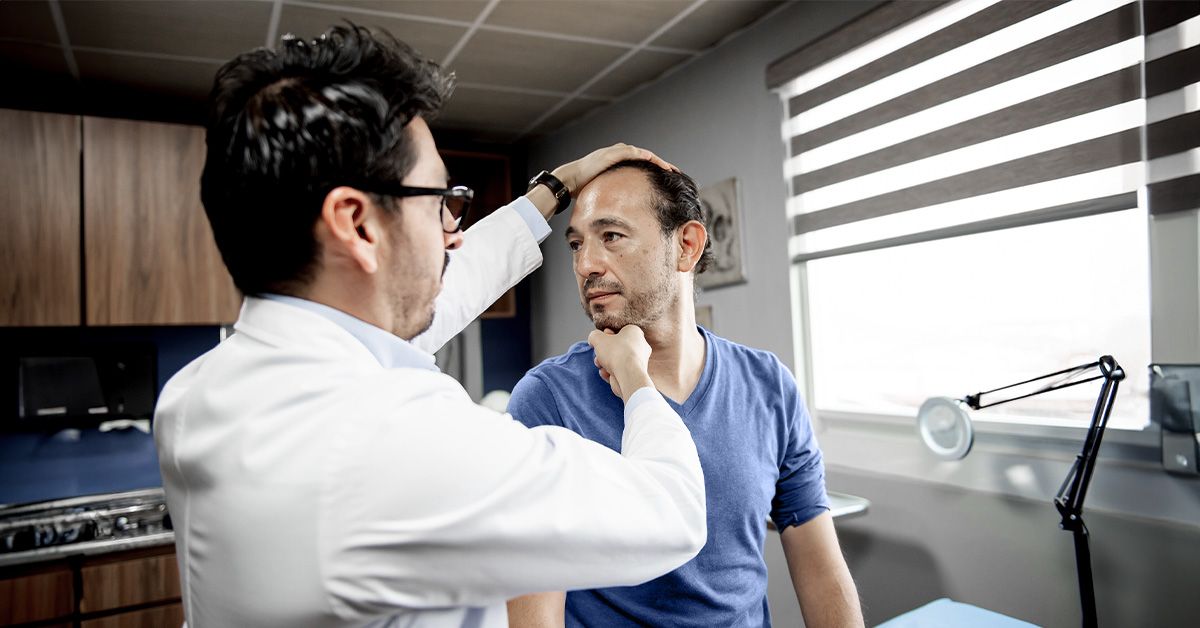
If you have migraine, you already know the condition can be wildly inconvenient. One minute you are answering emails like a responsible adult; the next, light feels personal, sound feels illegal, and your brain is staging a dramatic protest. At that point, the big question is not just what helps, but who treats this properly.
That is where migraine doctors come in. The phrase sounds simple, but it actually covers a range of clinicians: primary care doctors, neurologists, headache specialists, pediatric specialists, women’s health doctors, and even emergency physicians when symptoms cross into scary territory. The trick is knowing which one you need, when you need them, and how to find someone who treats migraine as a real neurological condition instead of “just a headache.”
This guide breaks down who migraine doctors are, what they do, when to see one, and how to find the right specialist without getting lost in a maze of referrals, waitlists, and questionable internet advice.
What Kind of Doctor Treats Migraine?
Migraine care is not owned by one single medical specialty. Several types of doctors may diagnose and treat migraine, depending on how severe, frequent, or complicated your symptoms are.
1. Primary Care Doctors
Your first stop is often a primary care physician, family medicine doctor, or internist. For many people, that is exactly where migraine care begins. A good primary care doctor can recognize typical migraine patterns, rule out obvious red flags, recommend basic lifestyle changes, start acute treatment, prescribe preventive medication, and refer you when the situation gets more complex.
In plain English: primary care is often the front door. If your migraine is occasional, straightforward, and responsive to treatment, that front door may be all you need.
2. Neurologists
Because migraine is a neurological disease, neurologists are a natural fit. These are doctors who specialize in the brain, spinal cord, and nervous system. A neurologist may be especially helpful if your symptoms include aura, dizziness, unusual neurological symptoms, frequent attacks, medication failure, or diagnostic uncertainty.
Still, here is the nuance many patients miss: not every neurologist is a headache specialist. A neurologist may absolutely be able to diagnose and treat migraine, but some spend more of their time on epilepsy, stroke, Parkinson’s disease, or general neurology. Migraine may be on the menu without being the chef’s specialty.
3. Headache Specialists
If migraine has become the unruly main character in your life, a headache specialist may be the best match. Headache specialists are physicians with focused expertise in diagnosing and treating migraine and other headache disorders. Many are neurologists with additional training, fellowship experience, or a deep clinical focus in headache medicine.
Some headache specialists hold certification in headache medicine, but certification is not the only marker of quality. Experience matters. So does volume. So does whether the doctor routinely manages chronic migraine, medication overuse headache, vestibular migraine, menstrual migraine, hemiplegic migraine, Botox treatment, nerve blocks, CGRP-targeting therapies, infusion care, and neuromodulation options.
If your current care plan feels like “drink water, avoid stress, good luck,” you may have outgrown general care and entered headache specialist territory.
4. Pediatric Specialists
Children and teens with migraine may be treated by pediatricians at first, but recurrent or disabling symptoms often call for a pediatric neurologist or pediatric headache specialist. Kids do not always describe migraine the way adults do, and their treatment plans need age-appropriate evaluation.
5. Other Doctors Who May Be Part of Your Migraine Team
Migraine care can become multidisciplinary, especially when hormones, balance problems, facial pain, mood symptoms, sleep issues, or pregnancy enter the picture. Depending on your situation, your care team may also include:
- OB-GYNs for menstrual migraine, contraception questions, and migraine care during pregnancy
- Neuro-otologists or ENTs for vestibular migraine and dizziness
- Neuro-ophthalmologists for complex visual symptoms
- Pain psychologists for coping strategies and behavioral migraine care
- Physical therapists when neck pain, posture, or musculoskeletal triggers overlap with headache
- Emergency physicians for sudden, severe, or dangerous headache symptoms
How Do Migraine Doctors Figure Out What Is Going On?
Many people imagine migraine diagnosis involves a dramatic scanner, a glowing brain image, and a doctor squinting thoughtfully at a monitor. In reality, migraine is usually diagnosed clinically. That means the most important tools are your story, your symptom pattern, and the neurological exam.
A migraine doctor will usually ask:
- How often your attacks happen
- How long they last
- Where the pain is located
- Whether the pain throbs, pounds, or worsens with movement
- Whether you get nausea, vomiting, light sensitivity, sound sensitivity, smell sensitivity, or aura
- What treatments you have tried and how often you use them
- Whether you have triggers such as stress, skipped meals, sleep changes, hormonal shifts, weather changes, or certain foods
- Whether your headache pattern has changed recently
Not every patient needs a CT scan or MRI. In fact, most people with typical migraine symptoms and a normal neurological exam do not need brain imaging at all. A good doctor knows when not to chase scans. That restraint is a feature, not a bug.
Imaging becomes more important when headaches are new, dramatically different, suddenly severe, progressively worsening, or associated with concerning neurological findings.
When Should You See a Migraine Doctor?
You do not need to wait until migraine has destroyed three birthdays, two vacations, and your ability to look at fluorescent lighting without resentment. It is reasonable to see a doctor if your headaches:
- Happen more often than usual
- Are more severe than usual
- Do not improve with appropriate over-the-counter treatment
- Interfere with work, school, sleep, or normal activities
- Seem to be changing in pattern
- Come with neurological symptoms you do not understand
- Leave you worried that something else may be going on
If you already have a migraine diagnosis, you should think about specialty care when the diagnosis is unclear, attacks are becoming more frequent, treatments are failing, or you may need more advanced therapies.
When Is a Headache Specialist the Better Choice?
A headache specialist is often the right move when migraine becomes complicated, chronic, or stubborn. That includes situations like these:
- You have diagnostic uncertainty. Maybe someone told you it was sinus headache, another said stress headache, and meanwhile you are sitting there with classic migraine symptoms wondering who exactly is driving the bus.
- Your attacks are increasing. Frequent migraine can slide toward chronic migraine, which usually means headache on 15 or more days each month, with migraine features on at least 8 of those days.
- Your medications are not working. If you have cycled through common treatments with little benefit or too many side effects, specialist care makes sense.
- You may be overusing acute medication. Too much rescue medication can trigger medication overuse headache, which is migraine’s cruel little plot twist.
- You need advanced treatment. This can include Botox for chronic migraine, CGRP-targeting therapies, gepants, nerve blocks, infusion treatment, or device-based therapy.
- You have unusual symptoms. Prolonged aura, one-sided weakness, major speech symptoms, severe dizziness, or complex visual symptoms deserve specialist eyes.
- You are pregnant, trying to conceive, or breastfeeding. Medication choices may change, and coordinated care matters.
Headache specialists are also useful when your migraine overlaps with anxiety, depression, insomnia, fibromyalgia, neck pain, or other chronic conditions. In those cases, the best treatment plan is rarely one-dimensional.
How to Find a Migraine Doctor Without Losing Your Mind
Finding a migraine doctor is part medicine, part logistics, and part detective work. Here is how to do it smarter.
Start With Your Primary Care Doctor
Even if you know you want a headache specialist, begin with your primary care doctor if possible. They can document your symptoms, start a workup, prescribe initial treatment, and send a referral if your insurance requires one. They can also help you avoid the classic specialist-access problem: the office that says, “Sure, we can see you in seven months.”
Use Reputable Headache Directories
Patient-friendly headache directories from established migraine organizations can help you search by location and specialty. These tools are useful because they narrow the field to providers with known migraine or headache experience instead of leaving you to guess whether “general neurology” means “migraine-focused” or “mostly movement disorders and one poster about headaches in the waiting room.”
Search Academic Headache Centers
Large headache centers and academic medical systems often have dedicated headache clinics. These centers may offer broader services, including headache-focused neurologists, fellows, infusion treatment, procedures, telemedicine, and multidisciplinary support.
Check Whether the Doctor Actually Treats Migraine Often
This matters more than people think. A doctor may be excellent overall and still not be the best fit for migraine-heavy care. Look for language such as:
- Headache medicine
- Migraine specialist
- Headache center
- Botox for chronic migraine
- CGRP therapies
- Vestibular migraine or complex headache disorders
Expect Wait Times and Have a Backup Plan
Headache specialists can be hard to access. That does not mean the search failed; it means demand is high. Get on the cancellation list. Book the earliest specialist appointment you can find. Then work with your primary care doctor or general neurologist in the meantime so you are not just white-knuckling your way through the calendar.
Consider Telemedicine
Telehealth has made migraine care easier for many patients, especially for follow-up visits, medication adjustments, and access to specialists outside major urban centers. If your symptoms are typical and your doctor’s office offers remote care, telemedicine can be a very practical option.
Verify the Boring but Important Stuff
Yes, this part is less glamorous than discussing trigeminovascular pathways, but it matters:
- Does the office accept your insurance?
- Do you need a referral?
- What records should be sent in advance?
- Does the clinic treat adults, children, or both?
- Do they offer procedures if you may need them?
What Questions Should You Ask Before Booking?
A short phone call can save you a long future headache. Consider asking:
- Does this doctor regularly treat migraine patients?
- Is the doctor a neurologist, headache specialist, or both?
- Does the clinic treat chronic migraine?
- Do they offer Botox, CGRP-based treatments, nerve blocks, or infusion therapy?
- Do they provide telemedicine visits?
- What should I bring to the first appointment?
If the answers sound vague, confused, or oddly allergic to the word “migraine,” keep looking.
How to Prepare for Your First Migraine Appointment
A well-prepared first visit can speed up diagnosis and improve treatment. Bring these things:
- A headache diary: Track dates, duration, pain severity, symptoms, menstrual timing if relevant, suspected triggers, and medication use
- Your medication list: Include prescription drugs, supplements, and over-the-counter medicines
- Past imaging or records: Especially if you have already had scans, ER visits, or neurology consultations
- Family history: Migraine often runs in families
- Your goals: Fewer attacks, better rescue treatment, safer pregnancy planning, less dizziness, fewer missed workdays, and so on
Do not just say, “I get headaches sometimes.” That sentence tells your doctor almost nothing. Give specifics. How many days a month? How intense? How disabling? What symptoms happen before, during, and after? What has failed? What has helped? Precision helps.
What Good Migraine Care Should Actually Look Like
The right migraine doctor does more than throw medication at you and hope for the best. Quality care usually includes:
- A clear diagnosis or differential diagnosis
- A rescue plan for acute attacks
- A preventive plan if attacks are frequent or disabling
- Education about triggers, sleep, hydration, meal timing, stress, and medication overuse
- A follow-up strategy to adjust treatment if it is not working
- Respect for the fact that migraine affects real life, not just pain scores
Good care should leave you feeling informed, not brushed off. You should walk out with a plan, not just a shrug and a vague suggestion to “try relaxing more,” which is not a treatment plan so much as a motivational poster.
Red Flags: When Migraine Symptoms Need Urgent Medical Attention
Some headache symptoms should not wait for a routine office visit. Get urgent care or emergency evaluation if you have:
- The worst headache of your life
- A sudden thunderclap-style headache
- New weakness, numbness, confusion, trouble walking, or trouble speaking
- New visual symptoms in only one eye
- Visual symptoms lasting less than 5 minutes or more than 60 minutes if that is new for you
- A new headache after age 50
- Headache with high fever, stiff neck, or fainting
- A headache that is dramatically different from your usual pattern
Emergency doctors can help rule out more serious causes and treat severe attacks, but they are usually the safety net, not the long-term migraine plan. The ongoing strategy usually belongs with your regular doctor or headache specialist.
Common Mistakes People Make When Looking for Migraine Help
- Waiting too long. If migraine is disrupting your life, it is already medically important.
- Assuming every neurologist is migraine-focused. Some are; some are not.
- Overusing rescue medication. This can make the problem worse.
- Skipping the diary. Patterns are much easier to treat when they are visible.
- Chasing unnecessary scans. A great history and neuro exam are often more useful than a random MRI request.
- Staying with a dismissive doctor forever. If you are not being heard, a second opinion is reasonable.
Real-World Experiences: What Patients Often Go Through When Searching for a Migraine Doctor
For many people, the path to the right migraine doctor is not a straight line. It is more like a GPS that keeps recalculating while someone throws bright light and stress at the windshield. A common experience is being told early on that the problem is “probably sinus,” “probably stress,” or “probably too much screen time.” Then months or years later, a doctor finally asks the right questions: Do you get nausea? Light sensitivity? Aura? Does movement make it worse? Does it knock you out for hours or days? Suddenly, the story makes sense.
Another very typical experience is the relief that comes from being believed. Many patients describe their first real migraine appointment as the moment they stopped feeling dramatic and started feeling understood. A knowledgeable clinician can explain that migraine is a neurological disease, not a personal failure, not a low pain tolerance issue, and definitely not something that disappears because someone cheerfully suggests more water.
Patients with chronic migraine often describe a more complicated journey. They may have tried multiple medications, bounced between urgent care and primary care, and started using over-the-counter medicines so often that medication overuse enters the picture. By the time they reach a headache specialist, they are not just looking for a pill. They are looking for a strategy: what to take at the start of an attack, what to take preventively, what to avoid, what symptoms require emergency care, and how to function at work or school while treatment is being adjusted.
People with aura, dizziness, one-sided symptoms, menstrual migraine, or migraine during pregnancy often talk about needing a doctor who is comfortable with nuance. They do not want a generic plan. They want a doctor who understands that one patient may need lifestyle coaching and a rescue medicine, while another may need Botox, CGRP-targeting treatment, vestibular evaluation, or coordination with an OB-GYN.
Long wait times are another nearly universal experience. Many patients end up booking the first specialist appointment they can get, then asking to be placed on a cancellation list while a primary care doctor manages things in the meantime. Telemedicine has helped some people immensely, especially those living far from academic headache centers. For follow-up care, medication adjustment, and attack-pattern review, virtual visits can be a game changer.
One of the most helpful habits patients mention is keeping a headache diary. Not because it is glamorous, but because it turns vague suffering into useful information. A diary can show whether attacks cluster around sleep disruption, hormones, skipped meals, weather shifts, or medication overuse. It also helps patients walk into appointments with evidence instead of the deeply scientific phrase, “Honestly, it’s been bad lately.”
In the end, most positive experiences come down to fit. The right migraine doctor listens carefully, explains clearly, treats the whole pattern instead of one isolated headache, and adjusts the plan when life changes. That kind of care does not just reduce pain days. It gives people back confidence, predictability, and a sense that their brain is no longer running the household like a tiny, furious dictator.
Conclusion
Migraine doctors are not one-size-fits-all. For some people, a skilled primary care doctor is enough. For others, especially when attacks are frequent, disabling, confusing, or treatment-resistant, the right answer is a neurologist or a headache specialist with focused experience in migraine care.
The best way to find one is to start with a clear symptom history, use reputable headache resources, ask practical screening questions, and prepare well for the first visit. Do that, and you are far more likely to end up with real care instead of guesswork.
And when migraine has been calling the shots for too long, that is not a small win. That is a plot twist.