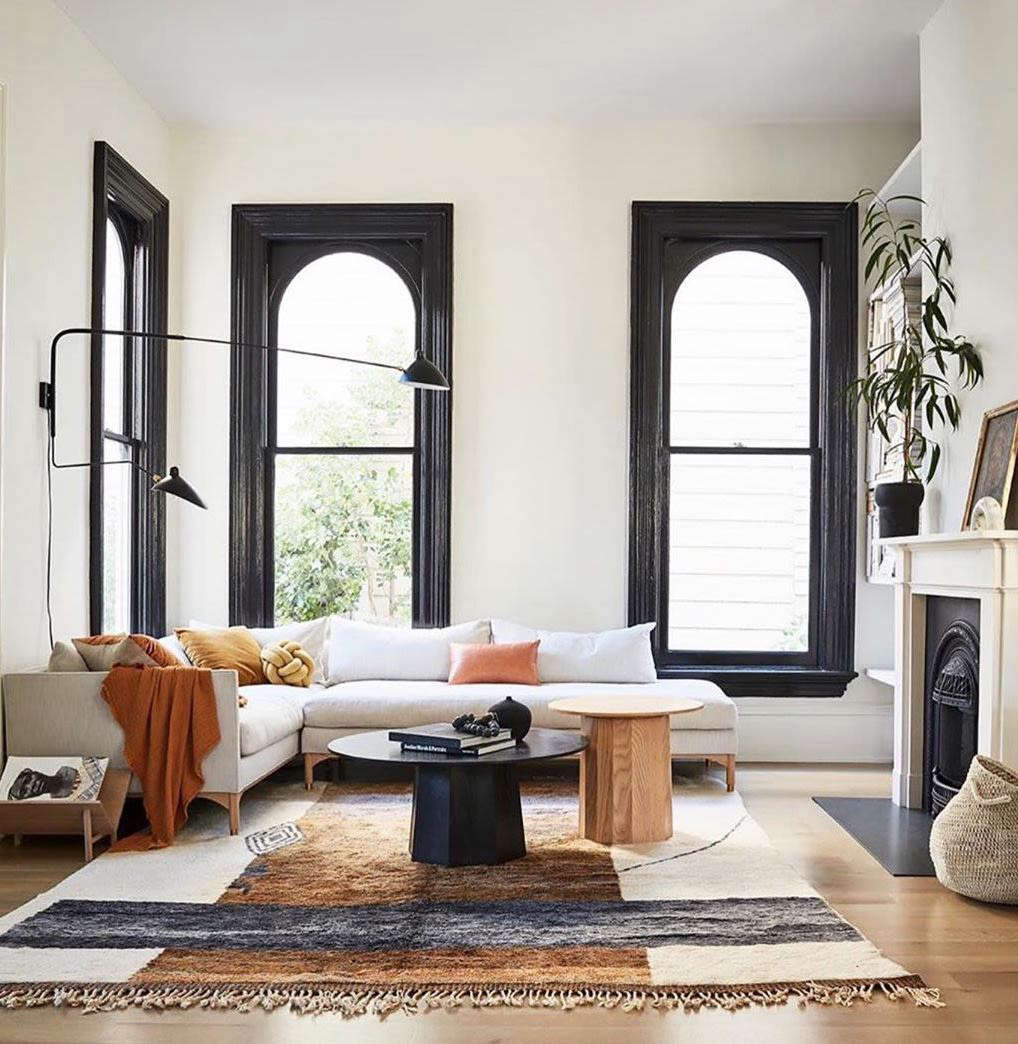
Somewhere between the big-box aisle of “everyone has this lamp” and the internet rabbit hole of “where did that beautiful chair come from?” sits Wescover, a marketplace built for people who want their homes to feel collected, personal, and a little more human. In a world where one coffee table can appear in 4,000 apartments before breakfast, Wescover offers a refreshing alternative: artisan-made wares created by independent makers, artists, designers, ceramicists, woodworkers, textile artists, and lighting studios.
Think of Wescover as part marketplace, part design discovery engine, and part polite intervention for anyone about to buy another generic wall print called “Abstract Beige No. 7.” The platform focuses on original art, furniture, lighting, decor, tableware, and custom commissions, giving shoppers a way to connect directly with the people who actually make the objects. That matters because a handmade piece is not just a product. It is a story with a shape, a texture, a material, and occasionally a lead time that teaches you patience like a tiny monk.
What Is Wescover?
Wescover is an online marketplace for mindful art and decor, designed to connect buyers with independent creators. Instead of centering only on mass-produced inventory, it highlights pieces that are handmade, small-batch, made-to-order, ready-to-ship, customizable, or available through commission. The result is a shopping experience that feels closer to meeting a maker at a studio visit than scrolling endlessly through identical product thumbnails.
The platform originally gained attention by helping people discover the artists and designers behind objects seen in real spaces, such as restaurants, hotels, boutiques, homes, and public interiors. That “Who made that?” idea remains one of Wescover’s most charming strengths. It understands that design curiosity rarely begins with a spreadsheet. It begins when you see a handmade ceramic pendant light above a bar and suddenly need to know everything about it, including whether it comes in a slightly moodier shade of clay.
Today, Wescover functions as a creator-focused marketplace where shoppers can browse categories such as furniture, lighting, art, decor, tableware, mirrors, seating, wall hangings, murals, and custom pieces. For interior designers, homeowners, boutique owners, hospitality teams, and small businesses, the platform can also work as a sourcing tool for one-of-a-kind or limited-production items.
Why Artisan-Made Wares Are Having a Moment
Artisan-made wares are not new. Humans have been making beautiful objects by hand since long before someone decided a living room needed seventeen throw pillows. What has changed is how people discover, evaluate, and buy those objects online. Shoppers increasingly want pieces with character, provenance, and a visible human touch. They want to know who made the bowl, what inspired the textile, how the wood was chosen, and whether the maker accepts custom dimensions for that awkward corner near the window.
This shift is partly emotional and partly practical. Mass decor can be convenient, but it often comes with sameness. Artisan-made furniture and decor help homeowners create spaces that look less like showroom replicas and more like actual lives are being lived there. A hand-thrown vase carries subtle variation. A custom walnut table can be built to fit the exact room. A woven wall hanging can introduce softness, movement, and texture that a flat poster simply cannot.
Online marketplaces for handmade goods have also trained buyers to value direct creator connections. When shoppers can read a maker’s story, ask questions, request modifications, or commission original work, the purchase becomes more meaningful. Wescover leans heavily into that relationship-based model, which makes it especially relevant for buyers who want art and decor that feel personal rather than pulled from a warehouse conveyor belt.
How Wescover Helps Shoppers Meet the Makers
The phrase “meet the makers” is more than a friendly headline. It captures the basic promise of Wescover: the platform makes creators visible. In traditional retail, the maker is often hidden behind brand labels, wholesale chains, and product descriptions that say things like “imported” and then quietly leave the room. Wescover shifts attention back to the artist or designer.
Creator Profiles Add Context
On Wescover, creator profiles give shoppers a closer look at the people and studios behind the work. A profile may include a maker’s location, specialty, available categories, portfolio examples, and whether they accept custom orders. This is useful for buyers who care about where a piece comes from, but it is also valuable for creators. A beautiful chair or mural does not have to float around the internet like an orphaned JPEG. It can be connected back to the person who designed it.
Custom Orders Make Design More Personal
One of Wescover’s biggest advantages is its focus on custom and commission work. Instead of simply choosing “small, medium, or large,” shoppers can often ask a creator about special dimensions, colors, finishes, materials, or project requirements. For example, a homeowner might request a dining table in a specific size, a designer may need a lighting fixture scaled for a commercial interior, or a restaurant owner might commission wall art that reflects the personality of the space.
Custom work is not instant shopping, and that is the point. It involves conversation, planning, and craft. Yes, you may have to wait longer than two business days. No, the delivery drone will not arrive by sunset carrying a hand-carved credenza. But the reward is a piece made for your space, not for a statistical average of 800,000 living rooms.
Local Discovery Supports Creative Communities
Wescover has also emphasized local discovery, helping buyers find artists and designers by city or region. This is especially useful for people who want to support local makers, reduce long-distance sourcing when possible, or commission work from someone familiar with a particular design community. Local sourcing can be meaningful for residential projects, but it is also powerful for hospitality and retail spaces that want their interiors to reflect the city around them.
What Can You Buy on Wescover?
Wescover covers a wide range of artisan-made wares, with a strong focus on home interiors. The marketplace is especially appealing to shoppers who like objects that are sculptural, tactile, handmade, and conversation-starting without being the kind of conversation starter that scares guests away.
Furniture
Furniture on Wescover may include dining tables, coffee tables, side tables, chairs, stools, benches, shelving, credenzas, desks, and custom woodwork. Many pieces are made by independent furniture designers who work in small batches or accept commissions. This category is ideal for buyers who want furniture with real materials, strong silhouettes, and a sense of permanence.
Lighting
Lighting is one of the easiest ways to make a room feel designed rather than merely furnished. Wescover features pendant lights, sconces, chandeliers, ceramic lighting, sculptural fixtures, and handmade lamps. A distinctive light fixture can become the jewelry of a room, which is good news for anyone whose ceiling currently looks like it gave up in 2009.
Art and Wall Decor
Art on Wescover ranges from paintings and prints to dimensional wall pieces, murals, fiber art, ceramics, and mixed-media works. The platform’s creator-first approach makes this category especially strong because art buyers often want to understand the story behind a piece before bringing it into their home or project.
Tableware and Ceramics
Handmade plates, bowls, cups, serving pieces, and ceramic objects bring everyday rituals into the spotlight. A mug made by a ceramicist will not automatically make your coffee taste better, but it may convince you that your morning routine has main-character energy. Wescover’s tableware offerings are useful for homes, restaurants, boutique hospitality projects, and gift shoppers looking for something more personal than another scented candle.
Decor and Accessories
The decor category may include mirrors, planters, vases, textiles, wall hangings, sculptural objects, and other finishing touches. These are the pieces that give a room its final layer. They help a space feel warm, intentional, and lived-in without requiring you to repaint the walls or explain to your family why the sofa is now “conceptual.”
Why Wescover Appeals to Interior Designers
Interior designers are professional hunters of the distinctive. Their clients often want spaces that feel tailored, memorable, and not easily copied. Wescover supports that need by offering access to independent makers and original creators across categories. For designers, the platform can be a source for custom furniture, art commissions, lighting, decor, and statement pieces for residential, commercial, hospitality, and retail projects.
A designer working on a boutique hotel, for example, might use Wescover to source locally made wall art, custom lobby seating, handmade ceramic sconces, and sculptural objects for guest rooms. A residential designer might commission a dining table that fits an unusual floor plan or find a fiber artist to create a wall hanging with the right scale and color palette. These pieces can make a project feel specific rather than assembled from the same catalog everyone else is using.
Wescover’s trade-oriented features also speak to the realities of design work. Professional sourcing is not just about finding beautiful things. It is about timelines, communication, customization, budgets, shipping, returns, and the occasional last-minute client request that begins with “small change” and ends with a new floor plan. A marketplace that helps designers communicate with creators and source original work can reduce friction in that process.
The Beauty of Buying Directly From Creators
Buying artisan-made wares directly from creators changes the shopping experience. Instead of treating decor as anonymous inventory, the buyer becomes part of a creative exchange. This does not mean every purchase needs to become a dramatic documentary with orchestral music. It simply means there is a real person behind the object, and that person’s skill matters.
Direct creator relationships can also make customization easier. If you love a wall hanging but need a different size, you may be able to ask. If a table design is perfect but the finish is not quite right, a conversation may solve it. If a ceramic pendant light would look better in a warmer glaze, the maker may offer options. This is the opposite of shouting into a customer service void and receiving a reply from “Team DecorBot 3000.”
For creators, direct connection supports visibility and storytelling. Independent artists and makers often compete against large brands with bigger marketing budgets, faster shipping promises, and industrial-scale production. A platform like Wescover can help level the field by giving creators searchable profiles, marketplace placement, and access to buyers who already value original work.
How to Shop Wescover Like a Design Pro
Shopping for artisan-made wares is slightly different from buying mass-produced decor. It rewards curiosity, planning, and a willingness to ask questions. Here are a few practical tips for using Wescover well.
Start With the Space, Not Just the Object
Before falling in love with a sculptural chair, measure your room. Then measure it again because tape measures enjoy chaos. Think about scale, lighting, existing materials, traffic flow, and color. Handmade pieces often have strong personality, so consider how the item will interact with what you already own.
Read the Creator’s Profile
A creator profile can reveal whether the maker accepts custom work, where they are located, what materials they use, and what kind of projects they typically take on. This context helps you choose a maker whose process matches your needs.
Ask About Lead Times
Made-to-order and custom pieces can take time. That is normal. Ask about production schedules, shipping expectations, and installation requirements before ordering. If you need a piece by a specific date, say so early. Makers appreciate clarity, and your future self will appreciate not panic-refreshing a tracking page.
Be Specific With Custom Requests
When commissioning a piece, include measurements, reference images, material preferences, color direction, and where the item will be used. “Make it pretty” is a mood, not a brief. The clearer you are, the easier it is for the creator to translate your idea into a finished piece.
Respect the Craft
Handmade work reflects time, training, material knowledge, and creative labor. Prices may be higher than mass-market alternatives because the process is different. You are not only buying an object; you are supporting the skill and sustainability of an independent creative practice.
Wescover vs. Traditional Home Decor Shopping
Traditional home decor shopping is built for speed and scale. You search, filter, click, and receive a box that may or may not contain the emotional depth promised by the product photo. Wescover is different because it is built around discovery, originality, and creator connection.
That does not mean Wescover replaces every type of home shopping. Sometimes you need a simple storage basket and do not require a spiritual connection with the basket maker. But when you are looking for a statement light, a custom dining table, a meaningful piece of art, or handmade decor that brings texture and personality into a room, Wescover becomes much more compelling.
The platform’s strength is not endless sameness. It is curated difference. It gives buyers a way to find pieces that feel collected over time, even if they are discovered online while wearing sweatpants and eating crackers over the sink. Design journeys are not always glamorous. The results can be.
Why Marketplaces Like Wescover Matter for Makers
Independent makers face a visibility problem. Many create exceptional work, but discovery is fragmented across Instagram, local galleries, craft fairs, studio websites, design blogs, and word of mouth. Wescover gives creators another path to be found by people actively looking for original art and decor.
This matters because visibility can lead to sales, commissions, collaborations, and long-term relationships with designers or collectors. A woodworker might be discovered by a homeowner looking for a custom console. A muralist might be contacted by a restaurant. A ceramicist might connect with an interior designer sourcing handmade lighting for several projects. Each connection can become more than a single transaction.
The marketplace model also helps preserve the story of each object. In an image-heavy design world, objects are often shared without credit. Wescover’s focus on creator attribution helps point attention back to the maker. That is good for the artist, useful for the buyer, and healthier for the design ecosystem.
Experience Section: Living With Artisan-Made Wares
The first thing you notice when you bring artisan-made wares into a space is that they do not behave like filler. A handmade bowl on a kitchen shelf has a quiet presence. A custom bench in an entryway feels like it belongs there because, in many cases, it was made to belong there. A woven wall piece changes the acoustics and mood of a room in a way that flat decor cannot. These objects have weight, not just physically, but emotionally.
Shopping on a marketplace like Wescover encourages a slower, more thoughtful approach to decorating. Instead of buying everything at once, you begin to notice what a room actually needs. Maybe the living room does not need another side table; maybe it needs a sculptural lamp that makes the corner feel intentional. Maybe the dining area does not need generic art; maybe it needs a commissioned piece that reflects the colors of the home and the personality of the people who gather there. This kind of shopping feels less like filling a cart and more like building a relationship with your space.
One of the most enjoyable parts of buying from independent makers is the conversation. You may ask about materials, finishes, care instructions, dimensions, or whether a piece can be adjusted. Those questions often reveal the maker’s process. You learn why a certain wood was chosen, how a glaze changes in the kiln, why a textile takes weeks to complete, or what inspired the shape of a fixture. Suddenly, the object is not just “decor.” It is evidence of decisions, skill, and experimentation.
There is also a different kind of satisfaction in owning something that is not everywhere. When guests ask, “Where did you get that?” the answer is not a vague wave toward a mega-retailer. You can say, “It was made by an independent artist,” and then tell the story. That story becomes part of the home. It gives the piece social life, which is a fancy way of saying people will hover around it and ask good questions while holding snacks.
Of course, artisan-made shopping requires realistic expectations. Handmade pieces may have natural variations. Custom work may involve longer timelines. Materials may age, patina, or shift slightly over time. But these qualities are not flaws; they are part of the charm. A handmade ceramic plate may not be mathematically identical to its siblings. A wooden table may show grain patterns that make each surface unique. A handwoven textile may reveal subtle evidence of the maker’s touch. Perfection is not always the goal. Character is.
For homeowners, Wescover can be especially useful when creating a layered interior. A room filled entirely with new, mass-produced items can feel flat, even if everything technically matches. Add one handmade light fixture, one original artwork, one custom table, or one ceramic object with texture, and the room begins to breathe. The goal is not to make every object expensive or rare. The goal is to mix function with meaning.
For designers, the experience is even more strategic. Artisan-made pieces can become the signature moments clients remember. A custom mural in a restaurant, handmade sconces in a hallway, or a locally made reception desk in a boutique can define the identity of a project. These objects help spaces stand apart in photographs, in memory, and in daily use.
In the end, the best reason to explore Wescover is simple: homes and public spaces feel better when they include work made by real people. Artisan-made wares bring depth, texture, originality, and humanity into design. They remind us that beauty is not only something to consume quickly. Sometimes it is something to discover, discuss, commission, wait for, and enjoy for years.
Conclusion
Wescover stands out because it treats makers as central to the shopping experience, not as invisible suppliers behind a product page. For buyers, it offers a path to unique furniture, lighting, art, decor, tableware, and custom commissions. For creators, it provides visibility, storytelling, and direct access to people who value original work. For interior designers, it opens the door to distinctive sourcing that can turn a good project into a memorable one.
In a marketplace crowded with sameness, Wescover feels like a useful reminder: the best objects often come with fingerprints, stories, and a maker’s name attached. And honestly, that is much more interesting than another beige vase named after a Scandinavian weather pattern.
Note: This article is written for web publishing and is based on public information about Wescover, artisan-made home decor, independent creator marketplaces, custom commissions, and current design-shopping behavior.