Research note: This article synthesizes horticultural guidance from U.S.-based extension and botanical sources, including UF/IFAS, Missouri Botanical Garden, Clemson HGIC, Mississippi State Extension, NC State Extension, Illinois Extension, UC Master Gardeners, Texas A&M AgriLife, UC Contra Costa Master Gardeners, and LSU AgCenter.
Bougainvilleas are the drama queens of the garden, and honestly, they have earned the title. Give them sun, warmth, sharp drainage, and just enough neglect, and they reward you with waterfalls of hot pink, purple, orange, red, white, or golden bracts that look like nature turned the saturation slider all the way up. Fuss over them too much, however, and they may sulk like a houseguest who was offered decaf by mistake.
This beginner’s guide to growing and caring for bougainvilleas will walk you through everything you need to know: where to plant them, how much sun they need, how to water without drowning them, how to prune them, how to grow them in containers, and how to coax more color from a plant that seems determined to produce only leaves. Whether you live in a warm coastal climate, a hot desert region, or a cooler area where bougainvillea must be grown in a pot and brought indoors, the basic rule is simple: think bright, warm, lean, and well-drained.
What Is Bougainvillea?
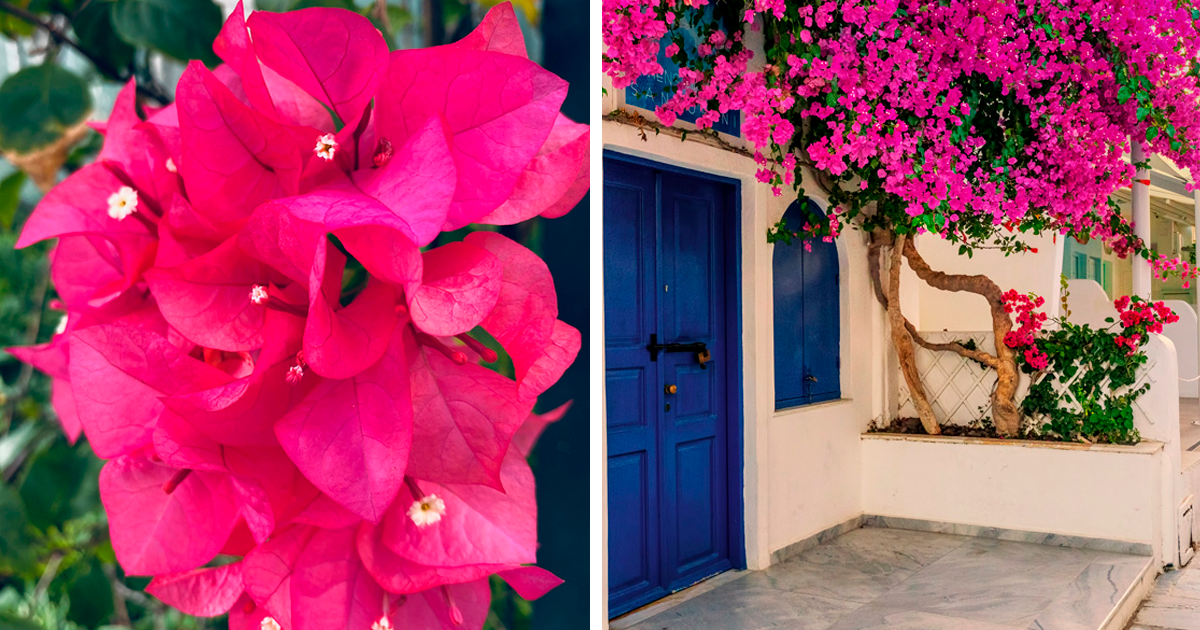
Bougainvillea is a tropical and subtropical woody vine or scrambling shrub native to South America. It is famous for its brilliant display, but here is the fun botanical twist: the showy “flowers” are not really flowers. Those papery, colorful parts are modified leaves called bracts. The true flowers are small, usually white or cream-colored, and tucked inside the bracts like tiny introverts at a garden party.
Gardeners grow bougainvillea as a climbing vine, patio container plant, hanging basket, hedge, espalier, shrub, or even a trained small tree. In warm climates, it can become a vigorous landscape plant, covering walls, fences, pergolas, and trellises. In cooler regions, it behaves better as a container plant that can be moved indoors before freezing weather arrives.
Best Growing Conditions For Bougainvilleas
Sunlight: More Sun Means More Color
If bougainvillea had a dating profile, it would say: “Must love full sun.” For the best bloom display, place bougainvilleas where they receive at least six hours of direct sunlight daily. In many climates, more sun is even better. Plants grown in too much shade often respond with long green growth and fewer bracts. That is not failure; it is simply the plant saying, “Nice leaves, right?” while you were hoping for fireworks.
Outdoor bougainvilleas thrive in sunny patios, south-facing walls, bright courtyards, and warm garden beds. Indoors, they need the brightest window you have, preferably with strong direct light. A dim room is not the place for a bougainvillea unless your goal is to grow a very elegant stick.
Temperature And Hardiness
Bougainvilleas love heat and dislike frost. They perform best in warm climates and are commonly grown outdoors year-round in USDA Zones 9 to 11, depending on local conditions and winter protection. In colder zones, they are best grown in containers so they can be moved to a sunny, frost-free location for winter.
A light chill may cause leaf drop, but a hard freeze can seriously damage or kill the plant. If your winters are cold, treat bougainvillea like a tropical patio guest: let it enjoy the summer party outside, then bring it indoors before the weather starts acting rude.
Soil: Drainage Is Everything
Bougainvilleas are not picky about rich soil, but they are very picky about drainage. They prefer sandy or loamy soil that drains quickly. Slightly acidic soil is often ideal, though the plant can tolerate a range of conditions as long as roots are not sitting in soggy soil. Heavy clay, compacted soil, and pots without drainage holes are the usual villains in bougainvillea tragedies.
For containers, choose a high-quality potting mix that drains well. You can improve drainage by mixing in perlite, coarse sand, or fine bark. Avoid using garden soil in pots because it can compact and hold too much water. The goal is not desert-dry dust; it is a loose, airy root zone where water moves through instead of throwing a pool party around the roots.
How To Plant Bougainvillea
Planting In The Ground
In warm regions, bougainvillea can be planted directly in the landscape. Choose a full-sun location with excellent drainage and enough room for growth. Many varieties are vigorous and thorny, so think carefully before planting one beside a narrow walkway, children’s play area, or mailbox. Nobody wants to collect the mail while wrestling a thorny magenta octopus.
Dig a hole about as deep as the root ball and slightly wider. Handle the root ball gently because bougainvilleas dislike root disturbance. Place the plant at the same depth it was growing in the nursery pot, backfill with native soil, and water thoroughly to settle the roots. Do not bury the crown too deeply. After planting, give the plant consistent moisture while it establishes, then gradually shift to deeper, less frequent watering.
Planting In Containers
For beginners, containers are often the easiest and most flexible way to grow bougainvillea. Pots make it easier to control soil drainage, move the plant into better sunlight, and protect it during winter. Choose a container with drainage holes and enough weight to keep the plant stable, especially if it is trained on a trellis.
One surprising tip: bougainvilleas often bloom better when slightly pot-bound. A huge container may encourage lots of leafy growth before the plant feels ready to flower. If repotting is needed, move up only one pot size at a time. Bougainvillea is a plant that enjoys a snug pair of shoes.
Watering Bougainvilleas The Right Way
Watering is where many beginners accidentally become too generous. Bougainvilleas are drought-tolerant once established, and they generally prefer to dry slightly between waterings. Overwatering can lead to root rot, yellow leaves, leaf drop, and fewer blooms. In other words, loving your bougainvillea with a watering can every morning is not love. It is a slow-motion swamp experiment.
For newly planted bougainvilleas, water regularly until roots establish. For established plants, water deeply, then allow the soil to dry somewhat before watering again. Container plants dry out faster than in-ground plants, especially in hot weather, so check the soil with your finger. If the top few inches are dry, it may be time to water. If the soil still feels wet, wait.
During cooler months, reduce watering. A dormant or semi-dormant bougainvillea needs much less moisture than a plant growing rapidly in summer heat. If overwintering indoors, keep the soil on the dry side but do not let the plant shrivel completely.
Fertilizing For Healthy Growth And Better Blooms
Bougainvilleas are vigorous plants, especially in containers, and they appreciate feeding during the active growing season. A balanced fertilizer used at half strength can support healthy growth, while bloom-focused fertilizers with lower nitrogen and added micronutrients may help encourage bracts. The key is not to overdo nitrogen. Too much nitrogen can produce a handsome green vine with the floral enthusiasm of a potato.
Feed container-grown bougainvilleas monthly during spring and summer, or according to the product label. In very active growth, some gardeners feed more often with a diluted water-soluble fertilizer. In the ground, fertilizing in early spring and again in midsummer is often enough. Stop or reduce feeding in fall and winter, especially if the plant is resting indoors.
Watch the plant’s response. Pale leaves may suggest nutrient issues, poor drainage, or alkaline soil affecting iron availability. A plant with huge leaves and no blooms may be getting too much nitrogen, not enough sun, too much water, or all three. Bougainvillea problems are often less mysterious than they look; they usually come down to light, drainage, water, and restraint.
How To Prune Bougainvillea
Pruning is essential because bougainvillea grows fast and has opinions. Without shaping, it can become a sprawling tangle of thorny stems. With pruning, it can become a lush climber, compact shrub, colorful container specimen, or trained standard.
Major pruning is best done after a bloom cycle or in late winter to early spring, depending on your climate. Remove dead, damaged, weak, or crossing branches first. Then shorten long shoots to control size and encourage branching. Since bougainvillea blooms on new growth, strategic pruning can actually improve future flowering.
For light maintenance, pinch or trim soft growing tips after flowering. This encourages a fuller plant with more flowering points. Always wear sturdy gloves and long sleeves because many bougainvilleas have sharp thorns. The plant may be beautiful, but it is not above defending itself like a medieval castle.
Training Bougainvillea On A Trellis, Wall, Or Fence
Bougainvillea does not climb by twining like morning glory or attaching itself like ivy. It scrambles, leans, and hooks itself with thorns. That means it needs guidance. Use soft plant ties to attach stems to a trellis, fence, arbor, or wire support. Tie loosely so the stems are not girdled as they thicken.
Start training while stems are young and flexible. Direct the main branches where you want coverage, then prune side shoots to create shape. For a wall display, use horizontal wires or a sturdy trellis and tie branches outward to spread growth. For a container, use a small trellis or obelisk and prune regularly to keep the plant balanced.
Common Bougainvillea Problems And How To Fix Them
Lots Of Leaves, No Flowers
This is the classic bougainvillea complaint. The most common causes are not enough sun, too much water, too much nitrogen, or a pot that is too large. Move the plant to brighter light, let the soil dry slightly between waterings, avoid high-nitrogen fertilizer, and be patient if the plant was recently repotted.
Yellow Leaves
Yellow leaves often point to watering problems. Soggy soil can suffocate roots and cause yellowing or leaf drop. Dryness can also cause stress, especially in containers during hot weather. Check the soil before guessing. If it is wet and heavy, improve drainage and water less. If it is bone dry and pulling away from the pot edges, water deeply.
Leaf Drop
Bougainvilleas may drop leaves after sudden changes in temperature, light, water, or location. Moving a plant indoors for winter can trigger leaf drop, but that does not always mean the plant is dying. Keep it in bright light, water sparingly, and wait for new growth when conditions improve.
Pests
Bougainvilleas can attract aphids, mealybugs, scale, caterpillars, slugs, and snails. Inspect new growth and leaf undersides. Small infestations can often be handled by hand removal, a strong spray of water, or insecticidal soap used according to label directions. Neem oil may help in some cases, but always test a small area first and avoid spraying during extreme heat.
Winter Care For Bougainvilleas
In frost-free climates, winter care may be as simple as reducing water and pruning at the right time. In colder climates, container bougainvilleas should be moved indoors before freezing temperatures arrive. Place them in the brightest available window, sunroom, greenhouse, garage window, or enclosed porch that stays above freezing.
Indoor winter bougainvillea may slow down or drop leaves. That is normal. Water lightly and avoid fertilizing until active growth resumes. In spring, gradually reintroduce the plant to outdoor sunlight. Do not move it from a dim indoor room straight into blazing sun for a full day, unless you want crispy leaves and a plant that looks personally betrayed.
Propagating Bougainvillea
Bougainvillea is commonly propagated from stem cuttings. Choose a healthy semi-hardwood cutting, remove lower leaves, and place it in a well-draining rooting medium such as a sand and peat or perlite-based mix. Warmth and humidity help cuttings root. A heated propagation tray can improve success, especially in cooler conditions.
Propagation takes patience. Not every cutting roots, so beginners should take several cuttings rather than emotionally investing in one heroic twig. Once rooted, young plants should be grown in bright light and gradually acclimated to stronger sun.
Best Beginner Tips For More Bougainvillea Blooms
To get more color from bougainvillea, start with sunlight. A bougainvillea in weak light will rarely perform like one grown in full sun. Next, manage water carefully. Deep, occasional watering is better than constant moisture. Third, do not rush to repot. A slightly crowded root system can encourage flowering. Fourth, prune after bloom cycles to stimulate branching and new growth. Finally, avoid overfeeding with nitrogen.
Think of bougainvillea care as confident minimalism. Give it the essentials, then step back. This plant does not want spa treatment. It wants sun, warmth, drainage, a little food, and the freedom to show off.
Beginner Experience Notes: What Growing Bougainvilleas Teaches You
One of the first experiences many new bougainvillea growers have is confusion. You buy a plant covered in neon bracts at the garden center, bring it home proudly, and two weeks later it drops half its leaves like it just received bad news. This does not always mean disaster. Bougainvilleas can react dramatically to changes in light, temperature, watering, and location. The beginner’s mistake is often to panic-water it. The better move is to check the soil, place the plant in stronger light, and give it time to adjust.
Another useful experience is learning that bougainvilleas reward observation more than routine. A fixed watering schedule sounds responsible, but the plant may need water twice a week in hot summer and only every few weeks during cool indoor winter conditions. The soil tells the truth. If it is still moist, wait. If it is dry several inches down and the leaves are beginning to soften, water deeply. This habit of checking before acting makes you a better gardener, not only with bougainvilleas but with almost every plant you grow.
Beginners also learn quickly that container size matters. Many people assume a bigger pot is always kinder. With bougainvillea, a huge pot can delay blooming because the plant focuses on filling the container with roots and leaves. A slightly snug pot often produces better color. That experience feels backward at first, but it teaches an important gardening lesson: plants do not all want the same version of comfort. For bougainvillea, a little root restriction can be motivating.
Pruning is another confidence-building moment. The first time you cut back a bougainvillea, it may feel risky. Those long stems look important, and beginners often hesitate. But after trimming, the plant usually responds with fresh branching and more bloom sites. You begin to understand that pruning is not punishment; it is direction. You are telling the plant where to put its energy. Just remember gloves. Bougainvillea thorns are not decorative. They are tiny garden lawsuits waiting to happen.
Finally, growing bougainvillea teaches patience. Sometimes a plant refuses to bloom even when you think you are doing everything right. Before giving up, review the basics: more sun, less soggy soil, less nitrogen, careful pruning, and no oversized pot. Bougainvillea often improves after a season of consistent care. When it finally erupts in color, the payoff feels enormous. It is the kind of plant that makes a balcony feel Mediterranean, a patio feel tropical, and a plain fence look like it hired a stylist.
Conclusion
Bougainvillea is one of the most rewarding plants a beginner can grow, as long as the beginner is willing to meet it on its own terms. It wants full sun, sharp drainage, warm temperatures, careful watering, modest feeding, and regular pruning. It does not want soggy roots, heavy shade, constant repotting, or excessive nitrogen. Once you understand that balance, bougainvillea becomes far less mysterious and much more fun.
Grow it in the ground if you live in a warm climate, or keep it in a container if winters are cold. Train it up a trellis, let it spill from a hanging basket, shape it into a shrub, or turn it into the loudest, happiest patio plant on the block. With the right care, bougainvillea will give you months of color and just enough attitude to keep gardening interesting.