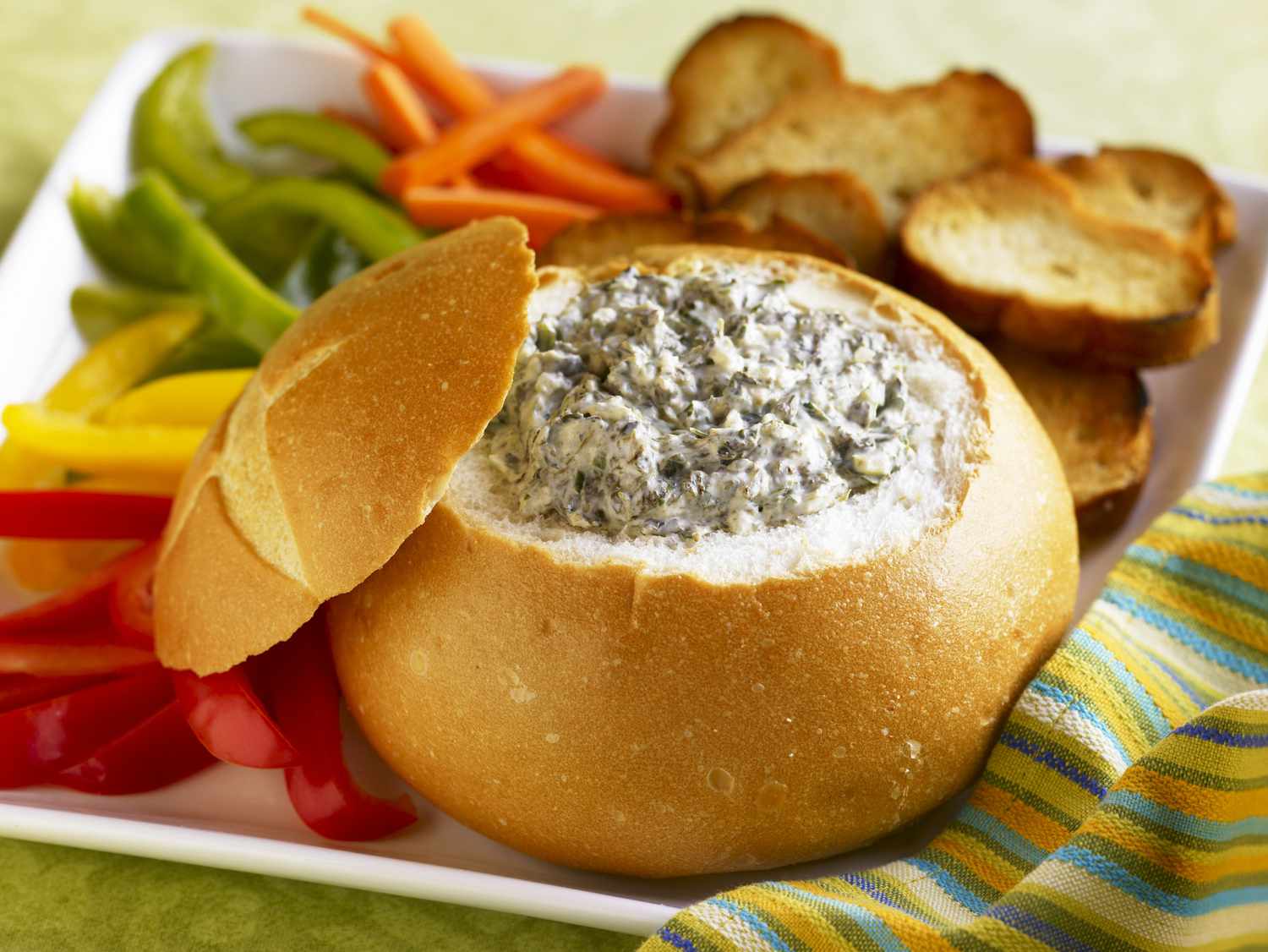
Spinach dip has a very specific job in life: show up to the party, look harmless, and then
mysteriously disappear before halftime. The problem is that the classic version often brings
along a plus-one named “a whole lot of mayo.” This lighter, low-fat spinach dip keeps the creamy,
savory vibe you wantwithout turning your snack table into a dairy demolition derby.
Below you’ll get a reliable core recipe (cold and scoopable), a warm baked option, smart ingredient
swaps, and the little “why did no one tell me this?” tips that keep it thick, flavorful, and not watery.
Let’s make a dip you can feel good about dunking intoagain and again.
Why Low-Fat Spinach Dip Still Tastes Like the “Real” Thing
Great spinach dip isn’t just “creamy.” It’s creamy and punchy: a little tang, a little garlic,
a little oniony savoriness, plus that salty, snacky finish that makes chips line up for the next dive.
When people say low-fat dips taste “thin,” it’s usually because the recipe removed richness
without replacing structure.
The secret is building creaminess with higher-protein, lower-fat bases (like Greek yogurt and
blended cottage cheese), then using a smaller amount of strong-flavor ingredients (like Parmesan,
scallions, garlic, and a smart seasoning blend) to keep it bold. You’re not removing joyyou’re
reorganizing it.
What Makes This Spinach Dip “Low-Fat” (Without Being Sad)
The classic culprits (and the easy swaps)
- Mayo-heavy base → Use mostly plain Greek yogurt (tang + thickness) and optional light mayo for that classic “deli dip” vibe.
- Full-fat sour cream → Use nonfat or low-fat Greek yogurt (or a yogurt/sour-cream blend if you want less tang).
- Brick of full-fat cream cheese → Use reduced-fat cream cheese (often labeled “Neufchâtel” or reduced-fat).
- More cheese than spinach → Keep cheese as a “supporting actor” and let spinach do the work (your taste buds won’t file a complaint).
- Texture issues → Use blended low-fat cottage cheese to add body and protein without a lot of fat.
A quick note on the word “low-fat”
“Low-fat” can mean different things depending on context and labeling rules, but in everyday cooking,
most people use it to mean “significantly lower in total and saturated fat than the traditional version.”
This recipe focuses on lower-fat ingredients, smarter ratios, and high-impact seasoningso the dip
stays satisfying without leaning on a cup of mayo for emotional support.
Low-Fat Spinach Dip: The Core Recipe (Cold & Creamy)
This version is scoopable, party-friendly, and best after a short chill. It’s built for veggies,
pita chips, and “just one more bite” behavior.
Yield & timing
- Makes: About 2 to 2 1/2 cups (roughly 8 to 10 servings as an appetizer)
- Prep time: 15 minutes
- Chill time: 30 minutes (recommended), up to overnight
Ingredients
- 10 oz frozen chopped spinach, thawed
- 1 cup plain nonfat or low-fat Greek yogurt
- 3/4 cup low-fat cottage cheese (or 1 cup if you want it extra thick)
- 3 to 4 oz reduced-fat cream cheese, softened
- 2 to 3 tablespoons grated Parmesan (more to taste)
- 2 scallions, thinly sliced (green and light green parts)
- 1 small garlic clove, finely grated or minced (or 1/2 teaspoon garlic powder)
- 1/2 teaspoon onion powder (optional but helpful)
- 1 to 2 teaspoons lemon juice (optional, brightens everything)
- 1/4 teaspoon black pepper
- Salt: start with 1/4 teaspoon, then adjust (especially if using a seasoning mix)
- Optional (classic flavor shortcut): 2 to 3 teaspoons dry vegetable soup mix, to taste
- Optional (for “classic deli dip” feel): 1 to 2 teaspoons light mayo
Directions
-
Squeeze the spinach like it owes you money.
Put thawed spinach in a clean kitchen towel (or several paper towels) and wring out as much water as possible.
This step is the difference between “creamy dip” and “spinach puddle.” -
Blend for body (optional but recommended).
In a blender or food processor, blend the cottage cheese until smooth. This creates a thick,
creamy base with a milder texture than curds. -
Stir the base.
In a medium bowl, mix Greek yogurt, blended cottage cheese, softened reduced-fat cream cheese,
Parmesan, scallions, garlic, pepper, and onion powder (if using). Add lemon juice if you like a brighter finish. -
Add spinach and season.
Fold in the well-drained spinach. Taste, then add salt as needed. If you’re using a dry vegetable soup mix,
add it gradually (it can be salty) and taste as you go. -
Chill and serve.
Cover and refrigerate for at least 30 minutes so the flavors can mingle. Stir once before serving.
Best dippers (that keep things “light”)
- Bell pepper strips, cucumber rounds, celery sticks, cherry tomatoes
- Carrot chips or carrot sticks
- Whole-grain crackers or baked pita chips
- Toast points (thin slices) if you want a little bread without a bread avalanche
Spinach Choices: Frozen vs Fresh (and How to Avoid Wateriness)
Frozen chopped spinach
Frozen chopped spinach is the easiest and most consistent for dip. Thaw it fully, then squeeze out
as much liquid as possible. If you skip the squeeze, the dip will loosen as it sitsand nobody wants
a dip that slowly becomes soup while you watch.
Fresh spinach
Fresh spinach works too. Roughly 10 to 12 ounces fresh spinach will cook down to something close to
the frozen equivalent. Sauté or steam it, cool it completely, then squeeze out liquid and chop finely.
Fresh spinach can taste a little brighter and less “earthy” than frozen, but it takes more time.
Bagged “pre-washed” spinach
If your spinach is labeled pre-washed or ready-to-eat, you can generally use it without re-washing
(washing again can introduce kitchen-sink germs). If it’s not labeled that way, rinse it under running
water and dry well before cooking.
Flavor Boosters That Add Big Taste (Not Big Fat)
When you reduce fat, seasoning matters more. The good news: flavor is mostly free.
- Garlic + scallions: A classic pair that gives depth without heaviness.
- Parmesan: Strong, salty, and savoryso you can use less than milder cheeses.
- Lemon juice or a splash of vinegar: Brightens the dip and balances dairy tang.
- Heat: A pinch of red pepper flakes wakes up the whole bowl.
- Smoky notes: Smoked paprika adds “baked dip energy” even in the cold version.
- Crunch: Chopped water chestnuts add a classic crunch without much fat (optional, but nostalgic).
Common Problems (and How to Fix Them Fast)
“My dip is watery.”
- Squeeze spinach harder next time.
- Stir in a few extra tablespoons of blended cottage cheese.
- Let it chill longer; it thickens as it rests.
“It tastes too tangy.”
- Use low-fat Greek yogurt instead of nonfat (often a bit less sharp).
- Add 1 to 2 tablespoons reduced-fat cream cheese.
- Balance with a pinch of sugar or extra onion powder (just a pinchthis is dip, not dessert).
“It’s bland.”
- Add a bit more Parmesan, garlic, or scallions.
- Try smoked paprika or a small pinch of cayenne.
- Use lemon juice to lift the flavor without adding fat.
“It’s too salty.”
- Stir in more yogurt/cottage cheese and a little extra spinach if you have it.
- Serve with unsalted veggie dippers to balance things out.
- Next time, add seasoning mix gradually and taste as you go.
Want It Warm? Make a Lighter Baked Spinach Dip
Warm dip feels fancyeven if you’re serving it in a dish you found five minutes before guests arrived.
Here’s how to convert the base into a hot, bubbly version.
Baked variation (lighter spinach-artichoke style)
- Add: 1 cup chopped artichoke hearts (well-drained) and 1/2 cup part-skim mozzarella.
- Optional: 1 to 2 tablespoons extra Parmesan on top for browning.
How to bake it
- Heat oven to 375°F.
- Spread dip in a small baking dish (about 8×8 inches or similar).
- Top with mozzarella (and a little Parmesan if you like).
- Bake 18–25 minutes until hot and bubbly; broil 1–2 minutes if you want a browned top (watch closely).
- Cool 5–10 minutes before serving so it thickens slightly and stops trying to burn mouths.
Make-Ahead, Storage, and Food Safety
Make-ahead
This dip actually improves after a few hours in the fridge. You can make it the night before, then
stir and taste again before serving (a small pinch of salt or squeeze of lemon can wake it up).
Storage
- Refrigerator: Store covered and cold; for best quality, enjoy within 3–4 days.
- Serving time: Because it’s dairy-based, don’t leave it sitting out for hours. If it’s a long gathering, keep it on ice or serve smaller bowls and refresh from the fridge.
- Freezing: Not ideal. Yogurt-based dips can separate after thawing. (If you must, expect texture changes and plan to stir aggressively.)
Nutrition Notes (Without Turning This Into a Spreadsheet)
Spinach brings nutrients like vitamin K and folate, while Greek yogurt and cottage cheese add protein
and creaminess with less fat than traditional mayo-and-sour-cream-heavy versions. Using reduced-fat
cream cheese and a modest amount of Parmesan keeps the flavor satisfying without relying on a large
dose of saturated fat.
If you’re watching saturated fat, one practical approach is to use lower-fat dairy most of the time and
“spend” small amounts of stronger cheeses for flavor. It’s the culinary version of buying one fancy candle
instead of forty cheap ones: better impact, less clutter.
FAQ
Can I make low-fat spinach dip without any mayo?
Yes. This recipe is designed to work without mayo. If you miss the classic flavor, add 1–2 teaspoons
of light mayo or a pinch of mustard powder for a similar “deli dip” vibe.
Do I have to use a seasoning mix?
Nope. It’s optional. Many people love the nostalgic “classic spinach dip” taste it brings, but you can
build plenty of flavor with garlic, onion powder, scallions, Parmesan, black pepper, and lemon.
How do I make it higher-protein?
Use a higher ratio of blended cottage cheese, choose Greek yogurt, and consider adding a little more
Parmesan (or part-skim mozzarella if baking). Protein-friendly doesn’t have to mean “tastes like gym chalk.”
Can I make it dairy-free?
You can adapt it with blended silken tofu or a thick dairy-free yogurt plus a little nutritional yeast for
savory flavor. The result won’t taste identical to the classic, but it can still be creamy and scoopable.
Real-World Experiences and Lessons People Learn Making Low-Fat Spinach Dip (The Helpful Stuff)
When home cooks try to “lighten up” spinach dip, the first attempt is often a little too optimistic:
swap everything at once, stir, and hope. The most common experience is that the dip tastes fine right away,
but then it loosens after 30 minutesbecause spinach is basically a tiny green sponge that loves to release
water when it sits. That’s why people who make this dip regularly tend to develop a ritual: thaw, squeeze,
then squeeze again. Some even let the spinach sit in a strainer for a few minutes after squeezing, just to
catch any last drips before it hits the bowl.
Another very normal “real life” moment: tasting the dip immediately after mixing and thinking, “This is…
aggressively yogurt.” Then, after chilling, it suddenly tastes more balanced and mellow. That rest time matters.
It gives garlic and onion flavors time to spread out, and it lets the dairy base thicken slightly so the whole dip
feels richer than it actually is. People who make it for parties often learn to build in a minimum 30-minute fridge
windownot because it’s complicated, but because the dip becomes noticeably better once it’s had a chance to
settle down and behave.
Flavor expectations also come into play. If someone grew up on the classic “packet mix + sour cream + mayo”
version, a fully yogurt-based dip can taste brighter and tangier. The best fixes people report are small and simple:
a little reduced-fat cream cheese for roundness, a spoonful of blended cottage cheese for body, or a modest sprinkle
of Parmesan for that salty, savory punch. It’s rarely about adding more ingredientsit’s about adding the right
ingredient in a small amount so the dip feels familiar again.
Then there’s the “serving experience.” Low-fat dip can feel less indulgent if it’s paired with heavy dippers
(like thick chips that overwhelm the flavor) or if it’s served ice-cold straight from the back of the fridge.
A lot of people find the sweet spot is letting it sit out for 10 minutes before serving (still cold, just not
arctic), then pairing it with crunchy vegetables and lighter crackers. That’s when the garlic and scallions pop,
the spinach tastes more vivid, and the dip feels creamy instead of “diet-y.”
Finally, a practical crowd lesson: if you’re serving this at a gathering, put out two bowlsone for the table,
one in the fridge. People naturally hover and double-dip (it happens), and dairy-based dips shouldn’t sit out for
extended stretches. Swapping in a fresh, cold bowl halfway through keeps the dip safer, thicker, and tastier. Plus,
it gives you a heroic moment where you “magically” produce more dip. Everyone loves a snack wizard.