Note: This article is based on a synthesis of reputable U.S. home design guidance and real-world kitchen style coverage.
The kitchen is where coffee happens, leftovers disappear, and somebody always leans on the counter like they’re auditioning for a home renovation show. That is exactly why kitchen decorating styles matter so much. A kitchen is not just a room with appliances and a suspiciously crowded junk drawer. It is the hardest-working room in the house, and it deserves a style that feels personal, functional, and actually pleasant to live with.
Whether you love crisp modern lines, cozy farmhouse charm, airy coastal vibes, or a more collected eclectic look, the best kitchen style is never just about being pretty. It should match the way you cook, gather, clean, snack, decorate, and occasionally stare into the fridge as if inspiration lives behind the mustard. Great kitchen design blends visual personality with durable materials, smart storage, and enough warmth to make the room feel like the center of the home.
In this guide, we’ll break down the most popular kitchen decorating styles, explain what makes each one work, and show you how to choose a look that won’t make you regret your backsplash at 2 a.m.
What Are Kitchen Decorating Styles, Really?
Kitchen decorating styles are the visual language of your space. They shape how the room feels through color, materials, lighting, cabinet design, furniture, hardware, accessories, and layout choices. In other words, your style is not just your cabinet color. It is the entire mood.
A well-designed kitchen style usually comes down to a few core ingredients:
- Cabinet profile: Shaker, flat-panel, beadboard, glass-front, or furniture-style pieces
- Color palette: warm neutrals, bold jewel tones, soft coastal blues, classic whites, earthy greens, or dramatic black
- Materials: wood, stone, tile, metal, brick, marble, butcher block, rattan, or concrete
- Lighting: pendants, sconces, chandeliers, under-cabinet lighting, and layered ambient light
- Decor details: art, open shelving, stools, rugs, hardware, plants, pottery, and countertop styling
The magic happens when those elements cooperate instead of arguing like siblings on a road trip. When the palette, finishes, and decor all tell the same story, the kitchen feels intentional rather than accidental.
Popular Kitchen Decorating Styles to Know
1. Modern Kitchen Style
Modern kitchen style is all about clean lines, simplicity, and visual calm. Think flat-panel cabinets, minimal ornamentation, sleek hardware, integrated appliances, and a controlled color palette. White, black, charcoal, taupe, and warm wood often lead the way, though modern kitchens no longer have to feel icy or clinical.
The secret to making a modern kitchen work is texture. Without it, the room can start to feel like a very stylish dentist’s office. Add warmth with natural wood cabinetry, matte finishes, subtle veining in stone countertops, soft pendant lighting, or a handmade tile backsplash. Even in a modern space, a little imperfection helps the kitchen feel human.
Best for: homeowners who love order, open space, and a polished, uncluttered look.
2. Traditional Kitchen Style
Traditional kitchen design is timeless for a reason. It tends to feature classic cabinetry, decorative molding, rich wood tones or painted cabinets, elegant lighting, detailed hardware, and balanced symmetry. This style often feels refined, welcoming, and familiar without being boring.
Traditional kitchens shine when they include visual depth: raised-panel or Shaker cabinets, crown molding, warm metals like brass, polished stone countertops, and layers of soft color. This style also works beautifully with formal touches such as lantern pendants, framed art, decorative range hoods, and upholstered counter stools.
Best for: people who want a kitchen that still looks good ten years from now and does not rely on trendy gimmicks to feel finished.
3. Farmhouse and Modern Farmhouse Kitchen Style
Farmhouse kitchen decor has staying power because it feels approachable. It often includes apron-front sinks, wood accents, open shelving, vintage-inspired hardware, simple cabinetry, and lived-in texture. Modern farmhouse takes those cozy ingredients and gives them a cleaner, fresher spin.
The best farmhouse kitchens do not lean too hard into themed decor. One chicken sign is charming. Seven chicken signs means the roosters are now in charge. Instead, focus on materials: reclaimed wood, natural stone, classic white or cream cabinetry, woven stools, aged brass, and a mix of old and new pieces. A farmhouse table used as an island or dining spot adds instant character.
Best for: families, entertainers, and anyone who wants the kitchen to feel warm, welcoming, and a little nostalgic.
4. Coastal Kitchen Style
Coastal kitchen decor is light, breezy, and relaxed without needing a single starfish on the wall. Great coastal kitchens usually rely on a soft palette of whites, sandy neutrals, pale woods, ocean-inspired blues, and natural textures like rattan, cane, linen, or seagrass.
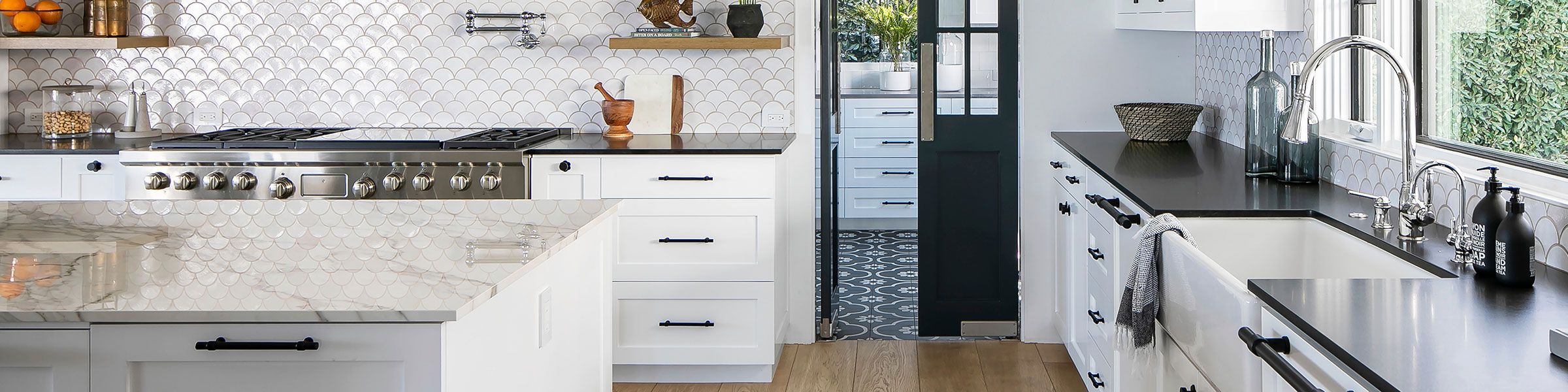
This style works especially well in bright spaces with lots of natural light. White Shaker cabinets, light oak floors, woven pendants, simple hardware, and a glossy tile backsplash can all help create that fresh, beachy mood. The goal is not to make the kitchen look like a souvenir shop at the pier. The goal is effortless ease.
Best for: homes that crave a calm, airy atmosphere and a vacation-at-home vibe.
5. Cottage Kitchen Style
Cottage kitchens feel cozy, personal, and a little romantic. They often mix traditional and farmhouse details with softer touches such as beadboard, floral or patterned textiles, vintage furniture, collected dishware, painted cabinetry, and charming lighting.
This style celebrates personality more than perfection. Open shelving with pretty everyday dishes, a skirted sink, antique-inspired hardware, or a narrow shelf for framed prints can all work beautifully. Cottage style is ideal if you want your kitchen to feel gathered over time instead of installed in one giant, dramatic weekend.
Best for: smaller kitchens, older homes, and people who love warmth, character, and details that feel gently nostalgic.
6. French Country Kitchen Style
French country kitchens bring elegance to rustic comfort. They tend to feature warm neutrals, natural stone, wood beams, furniture-style cabinetry, copper cookware, decorative lighting, and a graceful mix of old-world texture and polish.
One of the easiest ways to achieve this style is through contrast: pair rustic finishes with refined details. A weathered wood table, creamy cabinets, ornate light fixture, aged brass hardware, and softly patterned tile can create a space that feels elevated but not fussy. It is the decorating equivalent of wearing linen with red lipstick.
Best for: homeowners who want sophistication without losing warmth.
7. Industrial Kitchen Style
Industrial kitchens lean into raw materials and a more architectural look. Exposed brick, black metal, concrete finishes, open shelving, Edison-style lighting, dark hardware, and reclaimed wood often define this style.
The risk with industrial kitchens is making them feel too hard or cold. Soften the edges with wood bar stools, a vintage runner, warm lighting, or matte cabinetry in charcoal, olive, or deep navy. Industrial design works best when there is enough warmth to balance the metal and stone.
Best for: lofts, urban homes, and anyone who likes bold, practical design with edge.
8. Eclectic or Transitional Kitchen Style
If choosing one style feels impossible, welcome to the club. Eclectic and transitional kitchen styles are perfect for people who want a curated mix. Transitional kitchens usually blend modern and traditional elements for a balanced, flexible look. Eclectic kitchens go a step further and intentionally mix periods, colors, finishes, and decor for a more expressive result.
The trick is editing. You can absolutely combine modern pendants, vintage stools, classic Shaker cabinets, and a colorful tile backsplash. But you still need a unifying thread, such as a consistent color palette or repeated metal finish. Eclectic should feel layered, not like the kitchen lost a bet.
Best for: design lovers who want a personal, non-cookie-cutter kitchen.
How to Choose the Right Kitchen Decorating Style
Before you buy lighting, paint samples, or a dramatic fruit bowl that weighs more than your blender, step back and ask a few smart questions.
Consider the Architecture of Your Home
A sleek ultra-modern kitchen can look amazing in the right house, but it may feel awkward in a cozy cottage or a traditional colonial unless you bridge the transition carefully. Your kitchen style should complement the architecture, not fight it in public.
Think About How You Actually Live
Do you cook every day? Need kid-friendly durability? Love entertaining? Hate clutter? A kitchen that looks fabulous in photos but cannot survive real life is not a success story. Choose finishes and decor that support your habits.
Pick a Style Backbone
You do not need to commit to one strict label, but you should choose a dominant direction. Maybe your backbone is modern farmhouse, traditional coastal, or transitional with cottage accents. That guiding idea helps every other decision make sense.
Start With the Big Surfaces
Cabinets, counters, flooring, and backsplash do the heavy lifting. If those major elements are working together, the smaller decor pieces become much easier to choose.
The Decor Elements That Make Any Kitchen Style Stronger
Cabinet Hardware
Hardware is the jewelry of the kitchen, and yes, it really matters. Brass feels warmer and often more traditional or vintage. Matte black can look modern, industrial, or farmhouse. Polished nickel and chrome feel classic and clean. Changing hardware is one of the easiest ways to shift the tone of a kitchen without a full remodel.
Backsplash Ideas
A backsplash can whisper or shout. Subway tile is versatile and timeless. Zellige tile adds texture. Marble slab backsplashes feel elegant and high-end. Patterned cement tile can inject energy into cottage, eclectic, or Mediterranean-inspired spaces. The right backsplash helps reinforce your style and gives the eye somewhere interesting to land.
Kitchen Color Palette
Your kitchen color palette sets the mood fast. Warm whites, mushroom, greige, sage, navy, dusty blue, and natural wood tones are especially flexible because they pair well with many styles. If you want color without commitment, try it on an island, stools, lighting, art, or textiles before painting every cabinet like you have entered your brave era.
Lighting
Layered lighting makes every kitchen better. Use task lighting for work zones, pendants for style and focus, and ambient lighting for overall comfort. A statement fixture above an island can instantly reinforce your decorating style, whether that means modern globes, lantern pendants, woven shades, or a petite chandelier.
Styling and Accessories
The most beautiful kitchens feel lived in, not staged into emotional silence. Add art, wooden cutting boards, ceramic bowls, cookbooks, greenery, and textiles that fit the style. Just do not overcrowd the counters. A kitchen should still have room for food prep, unless your dinner plan is decorative lemons.
Common Kitchen Decorating Mistakes to Avoid
- Copying a trend without considering your home: what works in a beach house may feel strange in a city condo
- Using too many competing finishes: a little contrast is good, chaos is not
- Ignoring function: style matters, but so does storage, layout, and easy maintenance
- Over-theming: subtle references feel elegant; obvious clichés feel temporary
- Forgetting warmth: even a sleek kitchen needs texture, light, and softness somewhere
Real Experiences With Kitchen Decorating Styles
One of the most useful truths about kitchen decorating styles is that they look very different in real life than they do in a beautifully lit photo gallery. A modern kitchen can seem stunning online, but once you live with it, you may realize that an ultra-minimal space demands discipline. Every appliance left out becomes part of the decor. Every pile of mail becomes an uninvited design feature. People who love modern style usually learn quickly that smart storage is not optional; it is the secret sauce.
Farmhouse kitchens create a completely different experience. They tend to feel forgiving and social. A wood island gets better with age. Open shelves can hold everyday dishes without looking too serious. A big table or furniture-style island naturally invites people to sit down, snack, chat, and linger. The downside is that farmhouse style can slide into clutter if everything is “charming” at the same time. Real homeowners often discover that editing is what keeps the room cozy instead of chaotic.
Traditional kitchens are often the easiest to live with long term because they rarely feel extreme. They make room for seasonal decor, family routines, and small updates without losing their identity. You can swap in new stools, change lighting, or repaint the walls, and the kitchen still feels grounded. That is one reason so many people describe traditional kitchens as safe in the best possible way. Not boring. Dependable. Like a friend who always shows up on time and brings snacks.
Coastal and cottage kitchens tend to shape the emotional feel of a home more than people expect. Lighter palettes, natural textures, and softer finishes can make even a busy household feel calmer. Morning light looks prettier. Open shelves feel breezier. Coffee somehow tastes more vacation-like. But these styles teach an important lesson too: relaxed does not mean random. The best coastal and cottage kitchens are still carefully composed, with repeated colors, thoughtful materials, and enough restraint to keep the room from feeling overly themed.
Eclectic kitchens are often the most personal and the most rewarding, but they also require confidence. When people mix vintage finds, colorful tile, inherited furniture, and modern fixtures, the result can be extraordinary. It can also look like several kitchens trying to happen at once. Homeowners who succeed with eclectic style usually trust one thing above all: consistency in mood. Even when the pieces are different, the atmosphere still feels intentional.
In the end, living with a kitchen style teaches you that good decorating is less about perfection and more about fit. The best kitchens are not always the fanciest. They are the ones that support your routines, reflect your taste, and still make you happy when you walk in holding groceries, school papers, or takeout that was definitely supposed to be homemade dinner.
Conclusion
There is no single best answer to kitchen decorating styles, only the style that fits your home and the way you live. Modern kitchens deliver clarity. Traditional kitchens offer timeless comfort. Farmhouse, cottage, and coastal kitchens bring warmth and ease. French country adds elegance, industrial introduces edge, and eclectic style gives you freedom to tell a more personal story.
The smartest approach is to choose a clear direction, build from your biggest surfaces, and layer in details that support both beauty and function. A stylish kitchen should not just photograph well. It should work hard, age gracefully, and make daily life feel a little better. Preferably while looking fantastic next to a bowl of citrus.