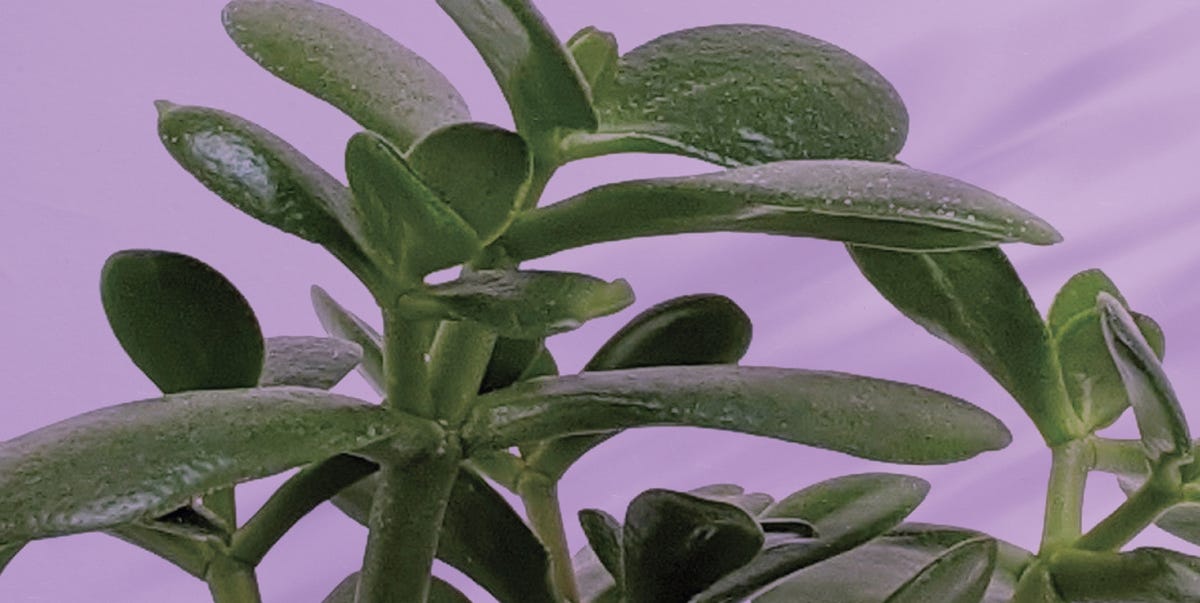
If houseplants had a “low-drama but secretly impressive” award, the jade plant would walk up to the podium with glossy green leaves and a tiny tree-shaped swagger. Also known as Crassula ovata, the jade plant is a succulent famous for its thick oval leaves, woody stems, and ability to look elegant even when you forget about it for a few days. That said, “easy care” does not mean “zero care.” A jade plant is forgiving, not magical. Give it soggy soil, a dark corner, and a pot with no drainage, and even this tough little money plant will start filing complaints.
The good news? Jade plant care is wonderfully simple once you understand what the plant actually wants: bright indoor sunlight, deep but infrequent watering, fast-draining soil, and a stable home environment. Think of it as a desert-minded roommate. It likes sunshine, hates wet feet, prefers a tidy pot, and does not need you hovering over it with a watering can every morning.
This guide explains exactly how to care for a jade plant indoors, including how much light it needs, when to water, what soil mix works best, how to prevent root rot, when to repot, and how to fix common problems like leaf drop, wrinkled leaves, leggy stems, and mealybugs. Whether your jade plant is a tiny windowsill baby or a chunky old-timer that looks like it has a retirement account, these tips will help it grow strong, balanced, and beautifully green.
What Is a Jade Plant?
The jade plant is a succulent native to southern Africa and is commonly grown indoors in the United States as a houseplant. Its leaves store water, which is why they feel firm, plump, and almost rubbery. Mature plants develop thick, woody stems and can resemble miniature trees, making them popular for bonsai-style shaping. With proper care, jade plants can live for decades, and some become family heirlooms passed from one plant lover to another.
Jade plants are often called money plants, friendship plants, or lucky plants because they are associated with prosperity and good fortune. Of course, your plant will not pay your electric bill, but it can make your home feel calmer, greener, and more alive. That is a pretty good return on investment for one pot of leaves.
Best Indoor Sunlight for Jade Plants
Light is the foundation of healthy jade plant care. Indoors, jade plants grow best in bright light and usually perform well near a south-facing or west-facing window. A mature jade plant can handle several hours of direct sun, especially gentle morning sun or bright winter sun. Younger plants may need a little protection from harsh afternoon rays until they toughen up.
How Much Light Does a Jade Plant Need?
A jade plant should receive at least four hours of direct sunlight or several hours of bright indirect light each day. In many homes, the best spot is within a few feet of a sunny window. If your plant is stretching toward the glass, producing smaller leaves, or growing long spaces between leaves, it is probably asking for more light. Translation: your jade is not being dramatic; it is photosynthesizing with a poor Wi-Fi signal.
Bright light keeps jade plants compact, sturdy, and richly colored. Some varieties develop red edges on their leaves when they receive stronger light. This reddish tint is usually normal and attractive, not a sign of disaster. However, sudden exposure to intense sun can scorch leaves, especially if the plant has been living in low light. Move it gradually into brighter conditions over one to two weeks.
Can Jade Plants Grow in Low Light?
Jade plants can survive in lower light for a while, but they will not thrive there. In dim rooms, growth slows, stems become leggy, and leaves may lose their plump, healthy look. If your only available window is weak or shaded, use a full-spectrum grow light for 10 to 12 hours per day. Keep the light close enough to be useful but not so close that it heats or burns the leaves.
How to Water a Jade Plant Indoors
Watering is where most jade plant problems begin. The number one rule is simple: let the soil dry out between waterings. Jade plants are succulents, meaning they store water in their leaves and stems. They would rather be slightly dry than constantly wet. Overwatering can lead to yellow leaves, soft stems, leaf drop, fungal issues, and root rot.
The Soak-and-Dry Method
The best way to water a jade plant is the soak-and-dry method. First, check the soil with your finger. If the top few inches are dry and the pot feels noticeably lighter, water thoroughly until water drains from the bottom of the container. Then empty the saucer so the plant is not sitting in water. After that, leave it alone until the soil dries again.
Do not water by sprinkling a tiny sip every few days. Shallow watering encourages weak roots and uneven moisture. A full watering followed by a proper drying period is much healthier. Imagine giving the plant a good drink, not handing it a damp napkin.
How Often Should You Water a Jade Plant?
There is no perfect calendar schedule because watering depends on light, season, pot size, soil mix, temperature, and humidity. In spring and summer, when the plant is actively growing and receives more light, it may need water every one to three weeks. In fall and winter, growth slows and the plant may need water much less often.
A jade plant in a small terracotta pot near a sunny window will dry faster than a jade plant in a large plastic pot across the room. Always check the soil before watering. The plant does not care what day your phone reminder says it is. It cares whether its roots are dry enough for the next drink.
Signs of Overwatering
Overwatering is the sneaky villain of indoor jade plant care. Watch for yellowing leaves, mushy stems, blackened roots, soft or translucent leaves, and leaves dropping even though the soil is damp. If the plant smells sour or the base feels squishy, root rot may already be present.
To rescue an overwatered jade plant, stop watering immediately, remove it from soggy soil, trim away black or mushy roots with clean scissors, and repot in a dry, fast-draining succulent mix. Use a pot with drainage holes. Then wait several days before watering lightly. If the trunk is badly rotten, take healthy stem cuttings and propagate them as backup plants.
Signs of Underwatering
Underwatering is less common but still possible. Wrinkled, shriveled, thin, or soft leaves can mean the plant is thirsty. Leaves may also drop if the plant has gone extremely dry for too long. If the soil is bone-dry and pulling away from the sides of the pot, water thoroughly and allow the soil to rehydrate. Very dry potting mix may repel water at first, so water slowly until moisture actually reaches the root zone.
Best Soil for Jade Plants
Jade plants need soil that drains quickly and does not stay wet around the roots. A commercial cactus or succulent mix is usually a good starting point. If you use regular houseplant potting soil, improve drainage by mixing in perlite, coarse sand, pumice, or small gravel. The goal is a loose, airy mix that lets water pass through instead of turning into a swampy root soup.
Simple Jade Plant Soil Mix
A practical indoor jade plant soil mix can include two parts cactus or succulent soil, one part perlite or pumice, and one part coarse sand. This combination gives roots enough support while allowing excess water to escape. Avoid heavy garden soil, moisture-retaining mixes, and decorative containers that trap water.
Good jade plant soil should feel gritty and loose. After watering, it should drain within seconds, not sit there looking like chocolate pudding. If your soil stays wet for days, the mix is too dense, the pot is too large, the plant is not getting enough light, or all three problems have teamed up like a tiny botanical crime ring.
Choosing the Right Pot
A jade plant can become top-heavy as it grows, so choose a sturdy pot with drainage holes. Unglazed terracotta is an excellent choice because it allows moisture to evaporate through the sides. Wide, heavy-bottomed pots also help prevent mature plants from tipping over.
Avoid oversized pots. Jade plants have relatively small root systems, and a large pot holds extra soil that stays wet too long. When repotting, move up only one pot size unless the plant is truly root-bound. Bigger is not always better; sometimes bigger is just wetter.
Temperature and Humidity
Jade plants like the same indoor temperatures people usually enjoy. A range of about 60°F to 75°F works well for normal indoor growth. They can tolerate slightly cooler nights, but they dislike frost, cold drafts, and sudden temperature swings. Keep them away from drafty windows in winter, exterior doors, air-conditioning blasts, and heating vents.
Humidity is rarely a problem because jade plants tolerate dry indoor air better than many tropical houseplants. Do not mist jade plants. Misting does not meaningfully hydrate the plant and may encourage fungal issues if moisture sits on the leaves. If you want to clean dusty leaves, use a soft damp cloth and gently wipe them.
Fertilizing Jade Plants
Jade plants are not heavy feeders. During spring and summer, feed lightly with a balanced houseplant fertilizer or a fertilizer made for succulents. Dilute it to half strength to avoid pushing weak, floppy growth. Fertilizing once every one to two months during active growth is usually enough. In fall and winter, stop fertilizing or reduce feeding significantly because the plant is resting.
Never fertilize a severely stressed, overwatered, or freshly repotted jade plant. Let it recover first. Fertilizer is not plant medicine; it is more like a snack. A sick plant needs better conditions before it needs extra nutrients.
Pruning and Shaping a Jade Plant
Pruning helps jade plants stay compact, balanced, and tree-like. The best time to prune is spring or early summer, when the plant is actively growing. Use clean, sharp scissors or pruners. Cut just above a leaf node or side branch to encourage new growth.
If your jade plant is leggy, prune the long stems and move the plant into brighter light. If your plant is leaning, rotate the pot every week or two so all sides receive light evenly. For a fuller plant, pinch or prune the tips of stems to encourage branching. Do not remove too much at once; a light shaping session is better than giving your jade plant a surprise military haircut.
Repotting Jade Plants
Young jade plants may need repotting every two or three years. Mature plants can often stay in the same pot longer, especially if they are stable and healthy. Repot when the plant becomes top-heavy, the soil breaks down, water stops draining well, or roots fill the container.
Spring is the best time to repot because new growth is beginning. Remove the plant carefully, shake off old soil, inspect the roots, and trim away anything dead or rotten. Place the plant in fresh succulent mix and wait several days before watering. This gives any damaged roots time to callus and reduces the risk of rot.
Common Jade Plant Problems and Fixes
Leaf Drop
Jade plant leaf drop can come from overwatering, underwatering, sudden cold, low light, or stress after moving. Check the soil first. If it is wet, reduce watering and improve drainage. If it is powder-dry and the leaves are wrinkled, water deeply. If the plant is in a dark spot, move it to brighter light gradually.
Leggy Growth
Long, stretched stems usually mean the plant needs more light. Prune the stretched sections and place the plant closer to a bright window or under a grow light. New growth should become more compact once light improves.
Soft or Mushy Stems
Soft stems are often a warning sign of rot. Remove the plant from the pot and inspect the roots and trunk. Healthy roots are firm and light-colored. Rotten roots are dark, mushy, and unpleasant-smelling. If rot is severe, save healthy cuttings before the damage spreads.
Mealybugs and Other Pests
Mealybugs are among the most common jade plant pests. They look like small white cottony patches, often hiding where leaves meet stems. Isolate the plant, then remove pests with a cotton swab dipped in rubbing alcohol. Test a small area first because succulent leaves can be sensitive. Repeat treatment every few days until no pests remain. Also check nearby plants, because mealybugs are not known for respecting personal space.
How to Propagate Jade Plants
Jade plants are easy to propagate from stem or leaf cuttings. For stem cuttings, snip a healthy piece three to four inches long. Remove the lower leaves, then let the cut end dry for a few days until it forms a callus. Place the cutting in dry, well-draining soil and keep it in bright indirect light. Water lightly only after roots begin forming or when the soil is dry.
Leaf propagation is also possible. Gently twist off a healthy leaf, let the end callus, and lay it on top of succulent soil. Over time, tiny roots and a baby plant may appear. This process is slow, so patience is required. Leaf propagation is less like instant gardening and more like watching a very tiny plant documentary in real time.
Seasonal Jade Plant Care Tips
Spring
Spring is the best season for repotting, pruning, fertilizing, and propagation. Increase watering gradually as light levels rise and new growth appears.
Summer
Summer growth can be strong if the plant receives enough light. Water more often than in winter, but still let the soil dry between waterings. If moving the plant outdoors, introduce it slowly to brighter light to prevent sunburn.
Fall
As days shorten, reduce watering and stop heavy fertilizing. Bring outdoor jade plants indoors before temperatures drop too low. Check for pests before bringing them inside.
Winter
Winter is a rest period. Keep the plant bright, cool but not cold, and on the dry side. Water only enough to prevent serious shriveling. Avoid repotting or heavy pruning unless absolutely necessary.
Personal Experience: What Jade Plants Teach You Over Time
Growing a jade plant indoors teaches a quiet kind of patience. Unlike fast-growing vines that throw leaves around like confetti, jade plants take their time. A new pair of leaves can feel like a major announcement. A thicker trunk feels like progress you earned by doing less, not more. That is one of the funniest lessons of jade plant care: sometimes the best thing you can do is step away from the watering can.
One common experience with jade plants is the “I loved it too much” phase. Many beginners see a plant, want it to thrive, and assume frequent watering equals kindness. The jade plant responds by dropping leaves, softening stems, or leaning sadly in the pot. It is not being ungrateful. It is simply built for dry spells. Once you switch from scheduled watering to soil-based watering, everything changes. The leaves firm up, growth steadies, and the plant stops looking like it is reconsidering its life choices.
Another practical lesson is that light matters more than decoration. A jade plant may look adorable on a bookshelf, but if the shelf is far from a window, the plant will stretch toward the nearest light source like it is trying to escape. A sunny windowsill may not match your interior design dreams perfectly, but the plant will vote for it every time. Healthy jade plants often look best when they receive enough light to grow compactly, with leaves close together and stems strong enough to support the plant’s weight.
Repotting also becomes easier with experience. At first, many plant owners panic when roots appear crowded. But jade plants do not mind being slightly snug. In fact, a pot that is too large can create more trouble than a smaller one because extra soil holds extra moisture. The better habit is to check whether the soil drains well, whether the plant is stable, and whether the roots are healthy. Repotting should solve a problem, not create a wetter one.
Pruning is another confidence-builder. The first cut feels dramatic, especially on a plant you have cared for over months or years. But jade plants usually respond well when pruned during active growth. Cutting back a leggy stem can encourage branching and create a fuller, stronger shape. The removed pieces can become cuttings, which means one pruning session can turn into several new plants. This is how jade plants quietly take over windowsills, desks, and eventually your gift list.
Perhaps the most satisfying part of jade plant care is watching the plant become more tree-like with age. The trunk thickens, branches form, and the plant gains character. Small scars, bends, and pruning points become part of its shape. Unlike a perfect plastic decoration, a jade plant looks better because it has grown through seasons. It carries a record of bright summers, dry winters, careful pruning, and the occasional mistake you learned from.
In the end, jade plants reward consistency more than fussiness. They do not need daily attention, fancy humidity tricks, or complicated routines. They need bright light, dry intervals, drainage, and a plant owner brave enough not to overdo it. Master those basics, and your jade plant can become one of the easiest, longest-lasting, and most satisfying houseplants in your home.
Conclusion
Jade plant care is simple when you think like a succulent. Give your jade plant bright indoor sunlight, water deeply but only when the soil has dried, use a gritty well-draining soil mix, and choose a sturdy pot with drainage holes. Keep it warm, avoid cold drafts, feed lightly in the growing season, and prune in spring to maintain a compact, tree-like shape.
The biggest mistake is overwatering. The biggest secret is patience. A jade plant does not need constant attention to thrive. It needs the right conditions and a little trust. With good light, careful watering, and a sensible potting mix, your jade plant can grow from a small green desk buddy into a handsome indoor tree that sticks around for years, possibly decades. Not bad for a plant that asks mainly to be left alone between drinks.