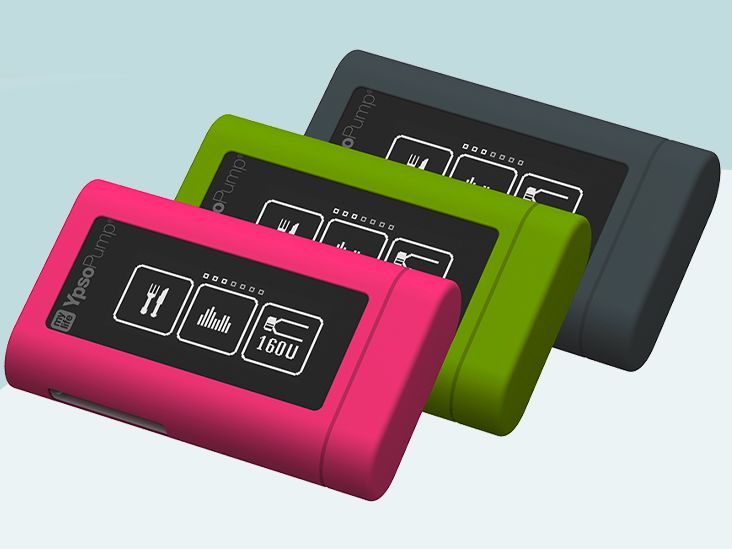
Yes, there is an automated insulin delivery systemand no, it is not science fiction hiding in a lab coat. Automated insulin delivery, often shortened to AID, is already being used by many people with diabetes in the United States. These systems are sometimes called artificial pancreas systems or hybrid closed-loop systems, which sounds like something Tony Stark would patent between breakfast and saving the world. In real life, they are wearable medical devices designed to help manage blood glucose more smoothly by linking three things: a continuous glucose monitor, an insulin pump, and smart software that adjusts insulin delivery.
For people living with insulin-dependent diabetes, that combination can feel like switching from driving a stick shift in traffic to having cruise control with a very serious personality. It does not remove every decision. It does not replace a diabetes care team. And it certainly does not mean someone can forget about meals, exercise, illness, stress, sleep, alarms, insurance paperwork, or the mysterious way pizza sometimes behaves like a delayed-action glucose grenade. But it can reduce the daily burden of insulin management and help many users spend more time in their target glucose range.
This guide explains what automated insulin delivery systems are, how they work, who may use them, what examples exist, what benefits and limitations to expect, and what real-world experience with AID often feels like.
What Is an Automated Insulin Delivery System?
An automated insulin delivery system is a diabetes technology setup that automatically adjusts insulin delivery based on glucose data. The system typically includes a continuous glucose monitor, an insulin pump, and an algorithm. The CGM checks glucose levels every few minutes. The algorithm reads those glucose values, studies trends, and decides whether insulin delivery should increase, decrease, pause, or continue. The insulin pump then delivers rapid-acting insulin under the skin.
Think of the CGM as the scout, the algorithm as the brain, and the pump as the delivery driver. The scout says, “Glucose is rising.” The brain says, “Let’s adjust.” The delivery driver says, “Insulin on the way.” The person wearing the device still has a starring role, but the system handles many background adjustments that used to require frequent manual decisions.
Why Is It Called an Artificial Pancreas?
The phrase artificial pancreas can be confusing because these systems do not actually replace the pancreas. They do not make insulin, cure diabetes, or sit neatly inside the body like a biological spare part. Instead, they imitate part of what a healthy pancreas does: responding to changing glucose levels by adjusting insulin.
Most current systems are called hybrid closed-loop systems because they are partly automated and partly user-guided. They can adjust basal insulin and sometimes deliver correction doses, but most still require users to announce meals, estimate carbohydrates, or interact with the system during exercise, illness, or unusual glucose patterns. In short, it is automated, but not “set it and forget it.” Diabetes has never been that polite.
How Does an Automated Insulin Delivery System Work?
The process begins with the continuous glucose monitor. A CGM sensor sits under the skin and measures glucose in the interstitial fluid. It sends updated readings to a pump, phone app, or controller. The system’s algorithm then evaluates whether glucose is stable, rising, or falling. Based on that information, it adjusts insulin delivery.
If glucose is climbing, the system may increase insulin delivery or provide an automatic correction, depending on the device. If glucose is dropping, the system may reduce or suspend insulin to help prevent hypoglycemia. If glucose is steady, the system may continue the planned rate. This happens repeatedly throughout the day and night, which is especially useful because glucose does not clock out at bedtime. It works the overnight shift like a tiny, unpaid intern.
The Three Main Parts
1. Continuous glucose monitor: The CGM provides near-real-time glucose readings and trends.
2. Insulin pump: The pump delivers rapid-acting insulin through an infusion set or wearable pod.
3. Algorithm: The algorithm analyzes CGM data and decides how insulin delivery should change.
When these parts communicate well, the system can reduce the need for constant manual correction. That does not mean zero work. Sensors must be replaced, infusion sites changed, batteries charged or replaced, insulin filled, alerts monitored, and settings reviewed with a healthcare professional.
Are Automated Insulin Delivery Systems Available in the United States?
Yes. Several automated insulin delivery systems are available or FDA-cleared in the United States, and the category has grown quickly. Early systems focused mostly on people with type 1 diabetes, but newer clearances and studies have expanded attention to insulin-requiring type 2 diabetes as well.
Examples of modern AID systems include Medtronic MiniMed systems, Tandem pumps using Control-IQ technology, Insulet’s Omnipod 5, and Beta Bionics’ iLet Bionic Pancreas. Each system has its own age indications, compatible sensors, setup requirements, training process, and insurance considerations. Choosing one is less like picking a toaster and more like choosing a roommate that will beep at you at 2:13 a.m. when it has concerns.
Medtronic MiniMed 780G
The MiniMed 780G is an automated insulin delivery system designed to monitor glucose trends and automatically adjust insulin delivery. It is known for features such as automatic basal adjustments and correction support. It is used with compatible Medtronic sensors and is intended for people who meet its approved criteria.
Omnipod 5
Omnipod 5 is a tubeless automated insulin delivery system. Instead of using a traditional pump with tubing, it uses a wearable pod placed directly on the skin. For many users, the tubeless design is appealing because there is no tubing to catch on door handles, backpack straps, laundry baskets, or whatever gremlin lives beside the kitchen cabinet.
Tandem Control-IQ
Tandem’s Control-IQ technology works with compatible Tandem insulin pumps and CGM systems. It is designed to adjust insulin delivery based on CGM values and predicted glucose trends. Control-IQ has been studied across different populations, and newer versions have expanded use cases in important areas of diabetes care.
Beta Bionics iLet Bionic Pancreas
The iLet Bionic Pancreas takes a different approach by reducing the amount of manual insulin-setting work required from the user. Instead of requiring detailed insulin-dose calculations at startup, the system uses body weight for initialization and adapts over time. Users still need training and must follow device instructions, but the design aims to reduce everyday math. For anyone who has ever stared at a plate of pasta and tried to calculate carbs like a stressed accountant, that is a meaningful design goal.
Who Can Use an Automated Insulin Delivery System?
Eligibility depends on the specific device, age, type of diabetes, insulin needs, insurance coverage, comfort with technology, and medical history. Many AID systems were first developed for people with type 1 diabetes, because type 1 diabetes requires insulin treatment and involves constant glucose management. However, some systems now have indications or growing evidence for adults with insulin-requiring type 2 diabetes.
A healthcare professional helps determine whether an AID system is appropriate. The discussion usually includes current glucose patterns, history of hypoglycemia or hyperglycemia, comfort wearing devices, ability to respond to alerts, skin sensitivity, lifestyle, school or work routines, and access to supplies. The best system is not always the fanciest one. It is the one a person can actually wear, understand, afford, troubleshoot, and keep using without wanting to launch it into the nearest pond.
Benefits of Automated Insulin Delivery
The biggest potential benefit of automated insulin delivery is more time in range. Time in range refers to the percentage of the day a person’s glucose stays within a target range set by their care team. More time in range is often associated with better day-to-day glucose stability. AID systems can also reduce time spent too low or too high, especially overnight.
Another major benefit is reduced mental load. Diabetes management requires dozens, sometimes hundreds, of tiny decisions each day. What is my glucose now? Where is it heading? Did I dose enough? Did I dose too much? Is that arrow rising because of breakfast, stress, caffeine, hormones, illness, or because the universe enjoys plot twists? AID systems cannot answer every mystery, but they can handle many background adjustments.
Better Overnight Support
Nighttime glucose management is one of the strongest reasons many people consider AID. During sleep, a person is not awake to check glucose trends or make adjustments. A system that can reduce or increase insulin automatically may help smooth overnight glucose patterns. Many users describe better sleep because they are not waking as often for corrections or worries. Of course, alerts can still happen, because diabetes devices sometimes choose the most dramatic possible moment to speak.
Less Guesswork During Daily Life
Exercise, stress, growth, illness, menstrual cycles, travel, restaurant meals, and school or work schedules can all change insulin needs. Automated systems respond to glucose trends more frequently than most humans reasonably can. That responsiveness can make day-to-day management feel less like a full-time surveillance job.
Limitations: What AID Systems Still Cannot Do
Automated insulin delivery is impressive, but it is not magic. Most systems still require meal announcements or carbohydrate estimates. Users still need to change infusion sites or pods, replace CGM sensors, keep devices charged, carry backup insulin, and respond to alarms. Infusion sites can fail. Sensors can be inaccurate. Adhesive can irritate skin. Bluetooth connections can misbehave like a cat refusing to come inside.
Another limitation is insulin speed. Even rapid-acting insulin does not work instantly. If someone eats a high-carbohydrate meal without giving the system enough notice, glucose may rise before insulin catches up. This is why meal bolusing, pre-bolus timing when recommended, and honest communication with a care team still matter.
Technology Requires Backup Plans
People using AID still need backup supplies and a plan for device failure. That may include insulin pens or syringes, glucose meter supplies, ketone testing supplies if recommended, extra infusion sets or pods, charger cords, adhesive patches, and instructions from a healthcare professional. AID can reduce burden, but it should never be the only plan in town.
Is It Safe?
FDA-cleared AID systems go through regulatory review, but no medical device is risk-free. Possible problems include low blood sugar, high blood sugar, infusion site failure, inaccurate sensor readings, missed alerts, skin reactions, and software or communication issues. Smartphone-compatible systems also require users to pay attention to notification settings, app updates, battery life, phone compatibility, and alarm volume.
Safety depends on proper training, correct setup, regular monitoring, and knowing when to switch to backup diabetes management. AID systems are powerful tools, but they work best when users understand both the technology and the basic diabetes skills underneath it. In other words, automation is helpful, but it should not turn anyone into a passenger with noise-canceling headphones.
How to Talk With a Diabetes Care Team About AID
Anyone interested in an automated insulin delivery system should talk with an endocrinologist, diabetes educator, or qualified diabetes care team. Helpful questions include:
- Which AID systems are approved for my age and type of diabetes?
- Which CGM does the system use?
- Does it require tubing, or is it tubeless?
- How often do I need to change the sensor, pod, or infusion set?
- What training is required?
- What happens if the system fails?
- Will my insurance cover the device and ongoing supplies?
- How does the system handle meals, exercise, sleep, and illness?
The goal is not to find the “best” device in a universal sense. The goal is to find the best fit for a specific person’s body, lifestyle, budget, and comfort level.
Automated Insulin Delivery for Type 1 vs. Type 2 Diabetes
Automated insulin delivery has been most closely associated with type 1 diabetes, because people with type 1 diabetes need insulin from diagnosis and must manage glucose around the clock. For this group, AID systems can be especially useful because insulin needs often change rapidly and unpredictably.
For type 2 diabetes, the picture is more varied. Many people with type 2 diabetes do not use insulin, while others require basal insulin, mealtime insulin, or multiple daily injections. Research and device clearances have increasingly explored AID for adults with insulin-requiring type 2 diabetes. For some, AID may simplify intensive insulin therapy and improve glucose outcomes. Still, treatment decisions must be individualized.
Is AID the Future of Diabetes Care?
Automated insulin delivery is already part of present-day diabetes care, and it is likely to become more common. Future systems may require less manual input, improve meal detection, support more people with type 2 diabetes, integrate with smaller sensors, and use faster insulins or even dual-hormone approaches. Researchers continue to study systems that could deliver both insulin and glucagon, which would more closely mimic natural pancreatic function.
The direction is clear: less burden, more personalization, smarter algorithms, and better real-world usability. The future of diabetes care may not be a single miracle gadget. It may be a collection of better tools that make the average Tuesday less exhausting.
Real-World Experiences With Automated Insulin Delivery Systems
Living with an automated insulin delivery system often feels different from reading about one. On paper, it is a neat loop: sensor reads glucose, algorithm calculates, pump delivers insulin. In daily life, it is more like inviting a very helpful but occasionally dramatic roommate to manage part of your schedule. It can be reassuring, annoying, impressive, confusing, and genuinely life-changingsometimes all before lunch.
Many users say the biggest emotional shift is not perfection, but relief. Before AID, diabetes management can feel like constantly watching a campfire in windy weather. Too much insulin, and the fire goes out. Too little, and suddenly the flames are climbing the curtains. With AID, the system keeps making small adjustments in the background, which can reduce the feeling that every glucose number is an emergency waiting to happen. That background support can be especially meaningful at night. Parents of children with type 1 diabetes often describe overnight automation as a major quality-of-life improvement, because it may reduce the number of times they wake up to check glucose or worry about lows.
At school, work, or during travel, AID can also make diabetes feel a little less public. Instead of stopping repeatedly to calculate corrections, some users can rely on the system for small adjustments. That does not mean diabetes becomes invisible. Devices still beep. Adhesive still peeks out from sleeves. Security lines still love to make medical devices feel like celebrity guests. But many people appreciate having a system that quietly helps between meals, during meetings, or while walking across campus.
Meals remain one of the biggest reality checks. AID systems are smart, but they are not psychic. If someone eats pancakes, juice, cereal, and a “small” muffin that is emotionally small but mathematically enormous, the system still needs timely input. High-fat meals like pizza or burgers can cause delayed glucose rises that challenge even advanced algorithms. Users often learn through experience how their body responds and how to discuss adjustments with their care team. There is a learning curve, and it is not always graceful. Sometimes the lesson is simply: “Next time, announce the meal earlier.”
Exercise is another area where experience matters. Some systems offer activity modes or temporary targets to reduce the risk of lows during movement. Still, every body responds differently. A short walk, a soccer game, weightlifting, swimming, or a stressful performance can all affect glucose in different ways. Users often develop routines: checking trend arrows before activity, carrying fast carbohydrates, setting activity mode ahead of time, and watching what happens afterward. The device helps, but self-awareness remains the secret sauce.
There are also ordinary frustrations. Sensors fall off. Pods expire at inconvenient times. Infusion sets kink. Phone batteries die. Alarms happen in movie theaters, classrooms, church services, and quiet libraries where one beep can sound like a spaceship landing. Skin irritation can become a real issue for people sensitive to adhesives. Insurance approvals and supply refills can test anyone’s patience. AID improves diabetes management, but it does not eliminate the logistics department.
Still, many users describe AID as a tool they would not want to give up once they adjust to it. The best experiences often come from realistic expectations: the system is not a cure, not a babysitter, and not a pancreas grown in a Silicon Valley garage. It is a sophisticated assistant. When paired with good training, backup plans, and regular clinical support, it can make diabetes care more flexible, less stressful, and more data-informed. For many people, that is not just technology. That is breathing room.
Conclusion
So, is there an automated insulin delivery system? Absolutely. Automated insulin delivery systems are real, FDA-cleared, and increasingly important in diabetes care. They combine CGM data, insulin pump delivery, and algorithm-based decision-making to help users manage glucose with less manual effort. They can improve time in range, reduce overnight worries, and ease some of the daily mental load of diabetes.
But AID is not a cure and not a completely hands-free pancreas. Users still need training, meal input, device maintenance, backup supplies, and medical guidance. The smartest approach is to treat AID as a powerful partnernot a replacement for diabetes knowledge. When the right person gets the right system with the right support, automated insulin delivery can turn diabetes management from a constant wrestling match into something closer to teamwork. And honestly, any technology that helps diabetes behave a little less like a raccoon in a pantry deserves attention.