Feeling tired after a long week is normal. Feeling tired after climbing one flight of stairs, making toast, and thinking about replying to an email? That may be your body waving a tiny red flag.
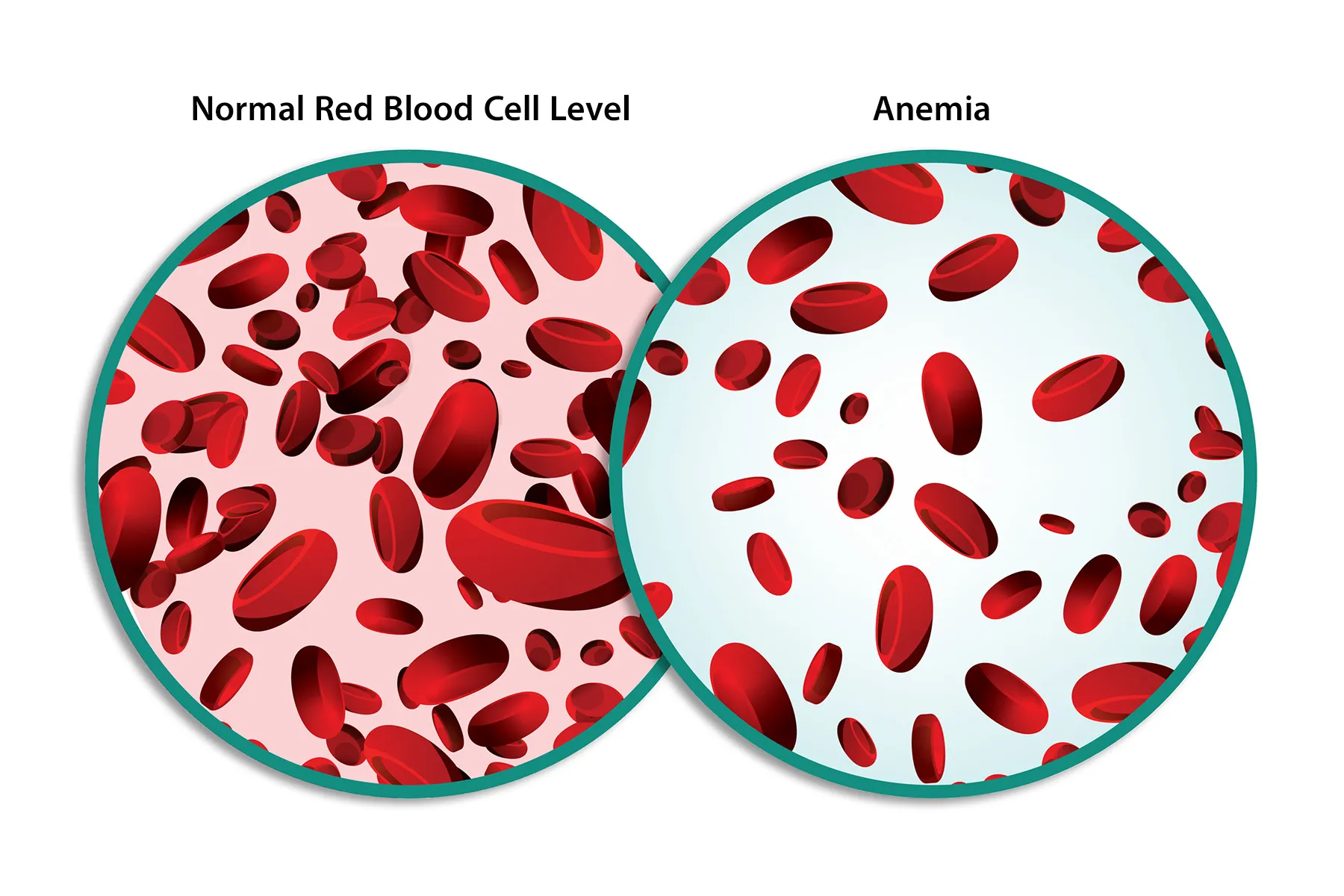
Iron deficiency anemia happens when your body does not have enough iron to make sufficient hemoglobin, the protein in red blood cells that carries oxygen from your lungs to the rest of your body. When hemoglobin drops, your muscles, brain, and organs receive less oxygen than they need to operate at full speed. The result can be fatigue, weakness, dizziness, shortness of breath, and the frustrating feeling that your battery never charges past 12 percent.
Low iron is common, but it should not be brushed off as simply being busy, stressed, or “not a morning person.” Iron deficiency anemia can develop because of heavy menstrual bleeding, pregnancy, low dietary iron intake, digestive conditions, certain medications, or bleeding somewhere in the gastrointestinal tract. The good news is that treatment often works well once the cause is identified.
This guide explains the most common iron deficiency anemia symptoms, why low iron develops, how doctors test for it, and what treatment may involve. Think of it as a practical map for understanding what your blood work may be trying to tell you.
What Is Iron Deficiency Anemia?
Iron deficiency anemia is the most common type of anemia. It occurs when your body does not have enough available iron to produce adequate hemoglobin. Hemoglobin gives red blood cells their oxygen-carrying power, so low hemoglobin can leave the body running like a delivery truck with an empty fuel tank.
Iron deficiency develops in stages. At first, iron stores may become low while hemoglobin remains within the normal range. Over time, if the iron shortage continues, the body may struggle to make enough healthy red blood cells. This is when iron deficiency can become iron deficiency anemia.
It is important to know that anemia is not a diagnosis by itself. It is a clue. The key question is not only, “How do we raise iron?” but also, “Why did iron become low in the first place?”
Common Symptoms of Low Iron and Iron Deficiency Anemia
Symptoms often develop gradually. That slow pace can make them easy to miss because people may adjust to feeling worse little by little. What starts as “I have been tired lately” can eventually become “Why does carrying groceries feel like a boot camp challenge?”
Early Symptoms of Iron Deficiency
Low iron may cause symptoms even before anemia becomes severe. Early signs can include:
- Low energy or unusual tiredness
- Reduced exercise tolerance
- Headaches
- Difficulty concentrating
- Irritability or feeling mentally foggy
- Feeling cold more often than usual
- Hair shedding or brittle nails
These symptoms are not exclusive to iron deficiency. Stress, poor sleep, thyroid disorders, infections, depression, vitamin deficiencies, and many other health concerns can cause similar problems. That is why guessing based on symptoms alone is not enough.
Symptoms of Iron Deficiency Anemia
As anemia becomes more noticeable, symptoms may include:
- Persistent fatigue and weakness
- Pale skin, pale gums, or pale inner eyelids
- Shortness of breath, especially during activity
- Fast heartbeat or heart palpitations
- Dizziness or lightheadedness
- Chest discomfort during exertion
- Headaches
- Cold hands and feet
- A sore, smooth, or swollen tongue
- Cracked skin at the corners of the mouth
Unusual Low-Iron Clues
Some symptoms sound strange until you know they can be related to iron deficiency. One example is pica, a craving for nonfood items such as ice, clay, dirt, paper, or starch. Craving ice is especially well known in people with iron deficiency. It may sound like a harmless love affair with the freezer, but it is worth mentioning to a healthcare professional.
Iron deficiency may also contribute to brittle nails or nails that curve upward in a spoon-like shape. Some people experience restless legs, especially at night. These symptoms do not prove that iron is low, but they can be useful clues when combined with fatigue and blood-test results.
What Causes Iron Deficiency Anemia?
Iron deficiency anemia usually happens for one of four big reasons: blood loss, not getting enough iron, not absorbing enough iron, or needing more iron than the body can keep up with. Sometimes more than one factor is involved.
1. Blood Loss
Blood loss is one of the most common causes of iron deficiency anemia. Since red blood cells contain iron, losing blood means losing iron. The loss does not always have to be dramatic or obvious. Small amounts of bleeding over time can quietly drain iron stores.
Common causes include:
- Heavy menstrual bleeding
- Bleeding after childbirth
- Bleeding from fibroids, polyps, or other gynecologic conditions
- Stomach ulcers or gastritis
- Frequent use of certain pain relievers that can irritate the stomach
- Hemorrhoids or anal fissures
- Inflammatory bowel disease
- Colon polyps, diverticular bleeding, or gastrointestinal cancers
For adults who do not have menstrual blood loss, especially men and postmenopausal women, unexplained iron deficiency anemia often requires a careful evaluation for bleeding in the digestive tract. This does not mean the cause is automatically serious, but it is not something to ignore or treat with supplements alone.
2. Low Iron Intake
Diet can contribute to low iron, particularly when a person has increased iron needs or limited access to iron-rich foods. This can happen with highly restrictive eating patterns, poor appetite, food insecurity, eating disorders, or diets that are not well planned.
People who follow vegetarian or vegan diets can absolutely meet their iron needs, but plant-based iron is generally absorbed less efficiently than the heme iron found in meat, poultry, and seafood. That means meal planning matters more. Beans, lentils, tofu, spinach, fortified cereals, pumpkin seeds, and whole grains can all help, especially when paired with vitamin C-rich foods.
3. Trouble Absorbing Iron
Sometimes iron is present in the diet, but the body has trouble bringing it across the finish line. Conditions that affect the stomach or intestines can reduce iron absorption. Examples include celiac disease, inflammatory bowel disease, chronic gastritis, infection with H. pylori, and prior stomach or intestinal surgery.
Weight-loss procedures such as gastric bypass can also raise the risk of iron deficiency because they change how food moves through the digestive system and may reduce absorption. Long-term use of acid-reducing medicines can be another piece of the puzzle for some people.
4. Increased Iron Needs
Some life stages demand more iron than usual. Pregnancy is a major example because the body needs extra iron to support a growing fetus, placenta, and expanded blood volume. Infancy, childhood, and adolescence can also increase iron needs because bodies are growing fast and apparently have no interest in taking a leisurely pace.
Endurance athletes may also need attention to iron status, especially if they have heavy menstrual periods, low dietary intake, gastrointestinal symptoms, or frequent high-impact training.
Who Is at Higher Risk for Low Iron?
Iron deficiency anemia can affect anyone, but some groups have a higher risk:
- People with heavy menstrual periods
- Pregnant people and people who recently gave birth
- Infants, toddlers, children, and teenagers
- People with diets low in iron-rich foods
- Vegetarians and vegans without a carefully planned iron intake
- People with celiac disease, inflammatory bowel disease, or chronic digestive symptoms
- People who have had bariatric surgery
- Frequent blood donors
- Older adults with possible gastrointestinal blood loss
- People taking medications that may contribute to stomach irritation or reduced iron absorption
How Is Iron Deficiency Anemia Diagnosed?
A clinician usually starts with your symptoms, medical history, menstrual history when relevant, medications, diet, family history, and any signs of bleeding. From there, blood tests help confirm whether iron deficiency anemia is present.
Common Blood Tests
A complete blood count, often called a CBC, measures hemoglobin, hematocrit, and red blood cell characteristics. Iron deficiency anemia commonly causes red blood cells to become smaller and paler than usual.
Additional tests may include:
- Ferritin: A measure of stored iron. Low ferritin strongly suggests depleted iron stores.
- Serum iron: A snapshot of iron circulating in the blood.
- Total iron-binding capacity or transferrin: Tests that help show how the body is transporting iron.
- Transferrin saturation: A calculation showing how much transport protein is carrying iron.
- Reticulocyte count: A measure of young red blood cells, which can help assess bone marrow response.
Ferritin can be tricky because it may rise during inflammation, infection, liver disease, or other conditions. In other words, one lab result rarely tells the full story. Your clinician interprets the pattern rather than treating blood work like a single-question pop quiz.
Finding the Underlying Cause
Once iron deficiency anemia is confirmed, the next step is identifying why it happened. Depending on age, symptoms, and risk factors, this may involve tests for heavy menstrual bleeding, stool testing, screening for celiac disease, imaging, or endoscopy to examine the upper digestive tract or colon.
This step matters. Taking iron without investigating a meaningful source of blood loss can temporarily improve lab numbers while allowing the underlying problem to continue.
Iron Deficiency Anemia Treatment Options
Treatment has two goals: restore iron levels and correct the cause of the deficiency. Both matter. Refill the tank, yes, but also find out why the gas cap disappeared.
Oral Iron Supplements
Oral iron is often the first treatment. A clinician may recommend a specific iron preparation, amount, and schedule based on your age, lab results, symptoms, medical history, pregnancy status, and ability to tolerate the supplement.
Iron supplements can cause side effects such as nausea, stomach upset, constipation, diarrhea, and dark stools. Dark stools are common with iron supplements, but black, tarry, sticky stools or stools accompanied by weakness, pain, or dizziness need medical attention because they can indicate bleeding.
Taking iron exactly as directed matters. Some people absorb it better on an empty stomach, but that may worsen nausea. Vitamin C can help improve absorption, while calcium supplements, antacids, tea, coffee, and some medications may interfere with it. Because medication timing can be complicated, ask a pharmacist or clinician how to space iron around your other medicines.
Iron-Rich Foods
Food supports treatment and helps prevent iron deficiency from returning, although diet alone may not correct moderate or severe anemia quickly enough. The best approach usually combines iron-rich foods with the medical plan recommended by a clinician.
Foods with heme iron, which is generally easier for the body to absorb, include:
- Lean beef
- Turkey and chicken
- Fish and shellfish
- Eggs
Plant-based sources of non-heme iron include:
- Lentils and beans
- Tofu and tempeh
- Fortified cereals
- Spinach and other leafy greens
- Pumpkin seeds and sesame seeds
- Cashews
- Whole grains
- Dried apricots and raisins
A useful meal trick is pairing plant-based iron with vitamin C. For example, add bell peppers to a bean bowl, strawberries to fortified cereal, citrus to a spinach salad, or tomatoes to lentil soup. It is not culinary wizardry, but it can make a practical difference.
Intravenous Iron
Intravenous, or IV, iron may be considered when oral iron is not tolerated, does not work well enough, cannot be absorbed properly, or when iron needs to be replaced more quickly. IV iron is given in a medical setting, and the care team will determine whether it is appropriate.
People with inflammatory bowel disease, significant malabsorption, certain kidney conditions, severe ongoing blood loss, or a need for rapid iron replacement may be candidates for IV iron. It is not a “better” option for everyone; it is simply a different tool for specific situations.
Treating the Cause of Blood Loss
For many people, the most important treatment is addressing the reason iron is being lost. This may include treating heavy menstrual bleeding, managing fibroids, changing a medication, treating an ulcer, addressing celiac disease, removing a bleeding polyp, or treating another digestive condition.
Iron supplements can restore stores, but they cannot permanently solve an iron leak. A bucket with a hole needs more than another bucket of water.
How Long Does It Take to Feel Better?
Many people notice gradual improvement in energy and shortness of breath within several weeks of effective treatment, but recovery is not instant. Hemoglobin may improve before the body’s iron stores are fully rebuilt. For that reason, clinicians may recommend continuing treatment for a period of time after blood counts improve.
Follow-up blood tests help confirm that treatment is working and that iron stores are recovering. Stopping iron too early can make deficiency return, especially when the original cause has not been fully resolved.
When Should You Seek Medical Care Quickly?
Contact a healthcare professional promptly if you have symptoms of anemia that are worsening, unusually heavy menstrual bleeding, blood in the stool, black tarry stools, persistent abdominal pain, unexplained weight loss, or ongoing fatigue that interferes with daily life.
Seek urgent medical care for chest pain, fainting, severe shortness of breath, a very fast heartbeat, confusion, or signs of significant bleeding. These symptoms can have many causes, but they should not be handled with a “let’s see how it feels tomorrow” strategy.
Can You Prevent Iron Deficiency Anemia?
Not every case can be prevented, especially when bleeding, medical conditions, or absorption problems are involved. Still, a few habits can lower risk:
- Eat a varied diet that includes iron-rich foods.
- Pair plant-based iron foods with vitamin C-rich foods.
- Discuss heavy periods instead of assuming they are something you simply have to tolerate.
- Attend prenatal visits and follow pregnancy-related nutrition guidance.
- Use iron-fortified formula or age-appropriate feeding guidance for infants and young children.
- Tell your clinician about digestive symptoms, frequent blood donation, restrictive diets, or prior weight-loss surgery.
- Take iron supplements only as directed, since too much iron can be harmful.
Real-World Experiences With Iron Deficiency Anemia
Iron deficiency anemia often has a sneaky personality. It does not always arrive with a dramatic announcement. More often, it shows up as a quiet collection of small frustrations: needing a nap after a normal day, feeling winded while walking uphill, losing focus halfway through a conversation, or wondering why your usual workout suddenly feels like training for an action movie montage.
One common experience is dismissing fatigue for months. A person may blame school, work, parenting, stress, or a packed schedule. They may start drinking more coffee, going to bed earlier, or pushing harder through exercise, only to find that none of it fixes the problem. Eventually, a routine blood test may reveal low hemoglobin and ferritin. The surprise is often not that the lab work is abnormal. It is realizing how long “not feeling like yourself” had become normal.
People with heavy menstrual periods often describe a similar pattern. They may assume that soaking through pads or tampons quickly, passing large clots, or needing to plan their entire week around a period is simply their personal version of normal. But heavy bleeding can steadily lower iron stores. When treatment addresses both the bleeding and the iron deficiency, many people describe a gradual return of energy, clearer thinking, and better stamina. It is not always overnight, but it can feel like someone finally turned the brightness back up.
For people taking oral iron, the experience can be a mix of progress and inconvenience. Some notice constipation, nausea, or dark stools and worry that the treatment is making things worse. This is why communicating with a clinician matters. A different formulation, schedule, timing strategy, or supportive plan for digestive side effects may make treatment more manageable. The goal is not to win an award for suffering through supplements. The goal is to take a treatment plan you can actually follow.
People who eat vegetarian or vegan diets may feel frustrated when they hear that iron is low, especially when they already eat foods such as beans, lentils, spinach, and tofu. Low iron does not mean the diet has failed. It may mean that iron needs are higher, portions are not meeting demand, absorption needs support, or blood loss is contributing. Learning to combine plant sources with vitamin C and to watch for recurring symptoms can make a substantial difference.
Parents of children with low iron often notice changes that are easy to mistake for personality or routine. A child may seem more tired, less interested in active play, irritable, or unusually picky with food. Teenagers may describe headaches, trouble concentrating, and reduced sports performance. Pediatric evaluation is important because children’s iron needs change quickly as they grow.
Another major lesson people learn is that treatment should not stop at the supplement bottle. When iron deficiency is caused by a hidden digestive issue, frequent blood donation, pregnancy, heavy periods, or a medication-related problem, the underlying cause deserves attention. The most successful treatment stories usually involve both parts: replacing iron and solving, reducing, or monitoring the reason it became low.
Finally, many people report that recovery teaches them to listen more carefully to their body. Fatigue is not always laziness. Shortness of breath is not always being “out of shape.” Craving ice is not always just a quirky habit. Sometimes the body is doing its best to send a message with the tools it has. Blood tests and a thoughtful medical evaluation can translate that message into a plan that actually helps.
Final Thoughts
Iron deficiency anemia is common, treatable, and worth taking seriously. The symptoms may begin subtly, but the condition can affect energy, exercise tolerance, concentration, mood, and overall quality of life. The most effective approach is not simply taking iron on your own. It is confirming the diagnosis, finding the cause, following an appropriate treatment plan, and checking that iron stores recover.
Whether low iron is linked to heavy periods, pregnancy, diet, digestive health, blood loss, or poor absorption, getting answers can be the first step toward feeling more like yourself again. Your body does not need to operate in permanent low-power mode.