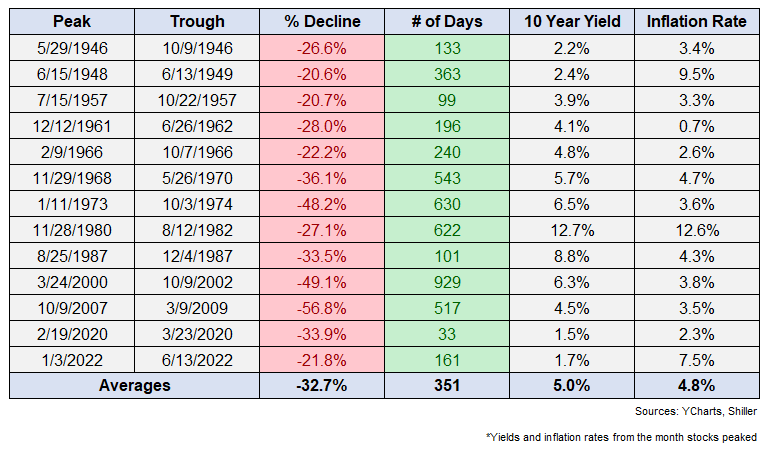
A bear market has a special talent for making brilliant people feel like they accidentally sat on the remote control of their financial lives. One month, everyone is a genius. The next month, the market takes a 20% dive, social media turns into a panic parade, and your favorite “can’t-miss” stock starts behaving like it missed every meeting, deadline, and bus in town.
That is why one of the most valuable assets during a bear market is not cash, gold, or even a perfectly diversified portfolio. It is humility. Not the gloomy kind where you whisper, “I know nothing,” into a spreadsheet at midnight. Real investor humility means understanding that markets are bigger, faster, moodier, and less impressed with our opinions than we want them to be.
To increase your exposure to humility during a bear market is to admit three uncomfortable truths: you cannot predict every turn, your emotions are not a trading system, and risk management matters most right when it feels least exciting. In other words, humility is not weakness. It is portfolio armor with better manners.
What a Bear Market Really Teaches Investors
A bear market is commonly described as a decline of 20% or more from recent market highs, usually accompanied by widespread pessimism. But that textbook definition does not fully capture the experience. A bear market is also a stress test for your assumptions, your patience, your cash flow, your asset allocation, and your ability to avoid becoming the main character in a financial cautionary tale.
During bull markets, confidence multiplies quickly. Investors may begin to believe that rising prices confirm their intelligence. A few lucky picks become “strategy.” A hot sector becomes “vision.” A speculative trade becomes “research.” Then a bear market arrives and politely removes the costume.
This is where humility becomes useful. It reminds investors that market gains are often a mix of skill, time, valuation, liquidity, economic conditions, investor sentiment, and plain old luck. The market does not care how confident you were when you bought. It only reflects what buyers and sellers are willing to do now.
Why Humility Beats Panic
Panic is loud. Humility is quiet. Panic says, “Sell everything before breakfast.” Humility says, “Let’s review the plan before doing something that turns temporary pain into permanent regret.” Panic wants immediate relief. Humility wants long-term survival.
Market volatility can trigger fear, anxiety, and impulsive behavior. That is normal. Humans are not designed to watch their net worth flicker red on a screen and calmly say, “Ah yes, a routine repricing of risk assets.” We are designed to react. The challenge is to build a system that prevents reaction from becoming self-sabotage.
Investor humility helps you pause. It encourages you to ask better questions: Is my financial goal still the same? Has my time horizon changed? Am I overexposed to one stock, one sector, or one story? Do I have enough cash for near-term needs? Am I selling because the facts changed, or because my stomach feels like a washing machine full of bricks?
The Humble Investor’s Bear Market Checklist
1. Respect Asset Allocation
Asset allocation means dividing your investments among categories such as stocks, bonds, cash, and other assets. It may sound boring, which is exactly why it works. Boring is underrated. Seat belts are boring too, right up until you need one.
A humble investor does not assume that one asset class will always win. Stocks may provide long-term growth, but they can fall sharply. Bonds may help reduce volatility, but they are not magic shields. Cash may feel safe, but inflation can nibble at it like a raccoon in a pantry. The right mix depends on your time horizon, risk tolerance, income needs, and goals.
2. Diversify Before the Lesson Gets Expensive
Diversification is the practice of spreading investments across different assets, sectors, regions, and securities. It does not guarantee profits or prevent losses, but it can reduce the damage caused by being wrong in one dramatic location.
Concentration risk often hides during good times. If one technology stock, cryptocurrency, startup, or trendy theme dominates your portfolio, a bull market may make that look brilliant. A bear market may reveal that your “high-conviction position” was actually a financial unicycle on a wet sidewalk.
Humility says: I may be right, but I do not need my entire future to depend on being right about one thing.
3. Rebalance Like an Adult
Rebalancing means adjusting your portfolio back toward your target allocation. If stocks rise for years, they may become a larger part of your portfolio than planned. If they fall sharply, they may become smaller. Rebalancing forces you to manage risk instead of letting market momentum quietly rewrite your financial plan.
This process can feel uncomfortable. Buying what has fallen and trimming what has soared is emotionally awkward. It is also a practical way to stay aligned with your original strategy. Rebalancing is not glamorous. Nobody writes action movies about it. But it may keep your portfolio from turning into a personality disorder.
4. Use Dollar-Cost Averaging Wisely
Dollar-cost averaging means investing a fixed amount at regular intervals. In a bear market, the same contribution can buy more shares when prices are lower and fewer shares when prices are higher. This can reduce the emotional pressure of trying to pick the perfect bottom, which is helpful because the perfect bottom usually introduces itself only after it has left.
This strategy is common in retirement accounts where people contribute every paycheck. It is not a guarantee of higher returns, and it does not remove investment risk. But for long-term investors with stable income and a suitable plan, it can turn market weakness into a disciplined accumulation process.
Humility and the Myth of Perfect Timing
One of the great bear market temptations is market timing. The idea sounds simple: sell before things get worse, then buy back at the bottom. Wonderful. While we are at it, let’s also learn to fold fitted sheets perfectly and predict which checkout line will move fastest.
The problem is not that timing never works. Sometimes it does. The problem is that successful timing requires being right twice: when to exit and when to re-enter. Many investors manage the first decision emotionally and then freeze on the second. They sell after a painful decline, wait for “clarity,” and buy back only after prices recover. That is not strategy. That is buying high, selling low, and calling it risk management with a sad little hat.
Humility does not mean ignoring risk. It means admitting that prediction is hard and building a plan that does not require heroic forecasting. Instead of asking, “What will the market do next week?” a better question is, “What portfolio can I live with if the market keeps falling, and what plan can I follow if it recovers faster than expected?”
Investor Psychology: Your Brain Is Not Always Your Broker
Bear markets expose behavioral biases. Loss aversion makes losses feel more painful than gains feel pleasurable. Recency bias makes the latest market move feel like the future forever. Confirmation bias pushes us toward opinions that agree with our fear or hope. Herd behavior whispers, “Everyone else is running; perhaps you should also sprint into the emotional fog.”
This is why humility is practical. It creates distance between feeling and action. A humble investor can say, “I am scared, but fear is not evidence.” Or, “I was overconfident, but embarrassment is cheaper than denial.” That small emotional gap can prevent large financial mistakes.
One helpful tactic is to write an investment policy statement. It does not need to be fancy. A simple document can state your goals, target allocation, contribution plan, rebalancing rules, emergency fund needs, and conditions under which you would change strategy. Then, when the bear market starts growling, you have something more reliable than vibes.
Specific Examples of Humility in Action
The Overconcentrated Tech Investor
Imagine an investor who placed 70% of a portfolio in a handful of fast-growing technology stocks. During a bull market, the results looked spectacular. During a bear market, those same stocks fell harder than the broader market. A prideful response might be to double down without review, insisting that the market “just doesn’t get it.”
A humble response would be different. The investor might still believe in technology long term, but they would examine position size, valuation, cash flow, and diversification. They might trim risk, add broad-market funds, or create rules to prevent one theme from dominating the portfolio again. Humility does not require abandoning conviction. It requires sizing conviction responsibly.
The Retiree Facing Sequence Risk
A retiree who needs portfolio withdrawals faces a different challenge. A bear market early in retirement can be especially damaging if the investor must sell falling assets to fund living expenses. Humility here means recognizing that the plan must fit the life stage.
For this investor, humility may involve holding a cash reserve, reducing portfolio volatility, reviewing withdrawal rates, or speaking with a qualified financial professional. The goal is not to win a bravery contest with the stock market. The goal is to avoid selling long-term assets at distressed prices just to pay next month’s bills.
The Young Investor With Decades Ahead
A younger investor may have the advantage of time. For them, a bear market can feel frightening, but it may also create opportunities to invest consistently at lower prices. Humility helps this investor avoid two opposite mistakes: quitting entirely out of fear or gambling aggressively because “stocks are on sale.”
The balanced approach is to continue regular contributions, maintain diversification, keep an emergency fund, and avoid leverage that could force selling at the worst possible moment. Time is powerful, but it is not a permission slip for recklessness.
How to Increase Your Exposure to Humility
Review Your Mistakes Without Drama
Every investor makes mistakes. The difference is whether you convert them into tuition or turn them into a recurring subscription. Review what went wrong. Did you chase performance? Ignore valuation? Use margin? Confuse a product with a plan? Believe a charismatic stranger on the internet because he had a microphone and a chart?
Write the lesson down. A mistake that teaches you is expensive education. A mistake you repeat is just expensive.
Build Rules Before Emotions Arrive
Rules are most useful when they are created before stress. Decide how often you will review your portfolio. Decide when you will rebalance. Decide how much cash you need. Decide what would make you sell an investment. Decide what belongs in your long-term portfolio and what belongs in the “fun money” sandbox, where mistakes are allowed but not invited to eat the mortgage.
Separate Entertainment From Investing
Financial media can be useful, but it is also designed to hold attention. Bear markets create headlines because fear clicks beautifully. Humility reminds you that being informed is not the same as being constantly stimulated.
If every market update makes you want to change your plan, reduce the noise. Check your portfolio less often. Read fewer predictions. Spend more time with primary financial goals and less time with people who explain yesterday with confidence and tomorrow with jazz hands.
What Humility Is Not
Humility is not pessimism. It is not hiding in cash forever. It is not assuming every rally is fake or every decline is the end of civilization. Humility is simply honest risk awareness.
It says, “I can participate in long-term growth without pretending I control the path.” It says, “I can be optimistic and still diversify.” It says, “I can buy during weakness without acting like I have discovered the secret calendar of market bottoms.”
Most importantly, humility allows investors to stay flexible. If new facts emerge, you can adjust. If your life changes, your portfolio can change. If your risk tolerance was theoretical before and very real now, you can learn from that. A bear market is not only a market event. It is personal data.
Experience Notes: Learning Humility the Market’s Way
One of the most useful experiences an investor can have is living through a market decline without quitting. Reading about bear markets is educational. Experiencing one is different. It is the gap between reading a cookbook and discovering that your smoke alarm is now part of dinner.
Many investors remember their first serious downturn because it changed how they understood risk. Before the decline, risk was a number in a fund description. After the decline, risk had a pulse. It showed up as hesitation before opening an account statement, second-guessing every decision, and feeling strangely betrayed by charts that used to look friendly.
That experience can be valuable if you let it teach you. You may discover that you were more aggressive than you thought. You may realize that your emergency fund was too small, your portfolio too concentrated, or your financial plan too dependent on everything going perfectly. None of these discoveries are fun, but they are useful. Bear markets are terrible motivational speakers, but their message can be clear.
A common lesson is that simple plans are easier to follow. A portfolio full of complicated trades, niche funds, speculative assets, and half-remembered ideas from podcasts may feel exciting in a bull market. In a bear market, it can feel like trying to repair an airplane while reading the manual upside down. Simplicity gives you fewer moving parts to panic over.
Another experience-based lesson is the value of cash. During rising markets, cash can feel lazy. During falling markets, cash feels like oxygen. A proper emergency fund can prevent forced selling. It can also give you the emotional stability to leave long-term investments alone. That does not mean cash should dominate every portfolio. It means liquidity has a job, and in a crisis, that job suddenly becomes very respectable.
Investors also learn that confidence should be earned slowly. A few winning trades do not make someone a market wizard. A great year does not prove a strategy is permanent. A hot sector does not become safe because everyone at a barbecue suddenly knows its ticker symbol. Experience teaches that markets rotate, narratives break, and yesterday’s superstar can become tomorrow’s cautionary footnote.
The best bear market experience is not the one where you perfectly buy the bottom. Almost nobody does that, and the people who claim they always do should be asked to show receipts and maybe a time machine. The best experience is the one where you keep your head, protect your long-term plan, learn what kind of investor you really are, and emerge with better rules than you had going in.
Increasing your exposure to humility during a bear market means becoming the kind of investor who can say, “I do not know exactly what happens next, but I know how I will behave.” That sentence may not sound flashy, but it is powerful. In investing, survival is underrated. Discipline is underrated. Boring is underrated. And humility, properly used, may be the most underrated asset in the portfolio.
Conclusion: Let the Bear Market Make You Better, Not Bitter
A bear market can bruise your portfolio, but it can also strengthen your investing process. It reveals whether your strategy was built on goals or guesses. It shows whether your confidence was grounded or inflated. It reminds you that markets are uncertain, emotions are expensive, and discipline is easier to admire than practice.
To increase your exposure to humility during a bear market is to invest with respect for uncertainty. Diversify. Rebalance. Consider dollar-cost averaging when it fits your plan. Keep enough cash for real-life needs. Avoid concentration that could turn one wrong idea into a financial drama series. Most of all, do not let temporary fear make permanent decisions for you.
The market will always have another opinion. Humility helps you survive long enough to benefit from the better ones.