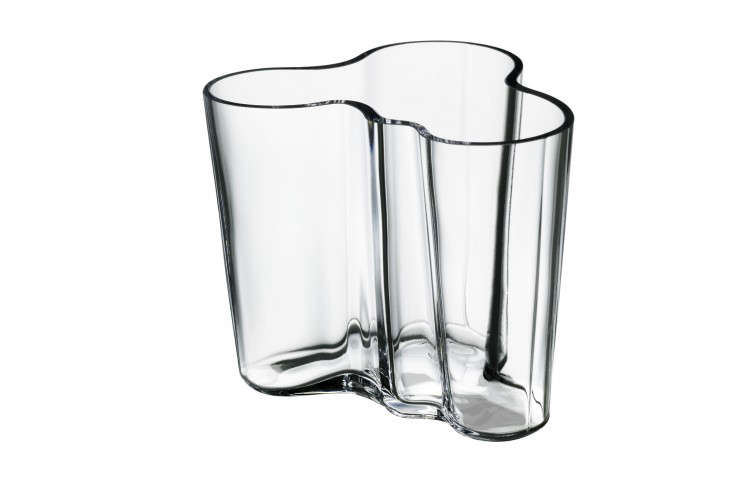
Some objects sit quietly on a shelf. Others walk into the room, adjust the lighting, and make every other decorative piece wonder if it should have dressed better. The iittala Alvar Aalto Vase belongs to the second group. With its flowing, wave-like outline and unmistakably Nordic confidence, this Finnish glass icon has spent nearly a century proving that a vase does not need symmetry, ornament, or a bouquet the size of a small shrub to be memorable.
Designed by Finnish architect and designer Alvar Aalto in 1936, the vasealso known as the Savoy Vaseis one of the most recognizable pieces of modern Scandinavian design. It looks organic, almost accidental, as if a lake shoreline had been translated into glass after a very elegant cup of coffee. Yet behind the relaxed silhouette is serious craftsmanship, design history, and a surprisingly practical object that still works beautifully in contemporary homes.
This guide explores the story, craftsmanship, styling possibilities, buying tips, and real-life appeal of iittala Alvar Aalto Vases. Whether you are a collector, a design lover, a minimalist decorator, or someone who simply wants flowers to look like they have a trust fund, this vase deserves a closer look.
The Origin of the iittala Alvar Aalto Vase
The Alvar Aalto Vase began as part of a glass design competition organized by Karhula-Iittala in 1936. Aalto submitted a series of free-form glass objects under a title that roughly translates to “The Eskimo woman’s leather trousers.” It was a wonderfully odd name for an object that would later become a national symbol of Finnish design. The entry won first prize, and the pieces were shown internationally the following year at the 1937 Paris World Exhibition.
The most famous form in the series became known as the Aalto Vase and later the Savoy Vase, because it was used in Restaurant Savoy in Helsinki, an interior designed by Alvar and Aino Aalto. The restaurant connection helped turn the vase from an experimental glass object into a cultural star. In other words, it had its big break at dinner.
What made the vase so radical in the 1930s was its refusal to behave like traditional decorative glass. Many vases of the period were ornate, symmetrical, and formal. Aalto’s design was fluid, uneven, and human. It did not look machine-perfect. It looked alive.
Why the Shape Still Feels Modern
The magic of the Alvar Aalto glass vase is its shape. The curves resemble waves, shorelines, islands, or melted ice depending on who is looking. This openness is part of the design’s strength. Aalto did not force one interpretation onto the user. The vase invites imagination rather than issuing instructions.
That is why the design still feels current. It fits a minimalist apartment, a mid-century modern living room, a warm rustic kitchen, a Scandinavian-inspired bedroom, or a highly curated design shelf where everything appears casual but secretly took three hours to arrange. The vase has enough sculptural presence to stand alone, yet it never shouts. It is confident, not needy.
A Vase Inspired by Nature, Not Decoration
The form is often associated with Finland’s lakes and landscapes. That interpretation makes sense: the outline feels like water seen from above. But the design is not a literal souvenir of nature. It is more sophisticated than that. Aalto’s work often blended functionalism with organic warmth, using natural forms to soften modern design. The vase captures that philosophy perfectly.
Its asymmetry also changes the way flowers behave. Stems fall into different curves, lean at different angles, and create a looser arrangement than they would in a straight cylinder. The vase does some of the styling for you. Finally, a design object that helps with chores.
Craftsmanship: Why Each Aalto Vase Feels Unique
Today, the iittala Alvar Aalto Collection continues to be made at the Iittala Glass Factory in Finland. Many Aalto vases are mouth-blown into molds, then finished by skilled glassmakers through cutting, polishing, and careful inspection. Because of this process, small variations may occur from piece to piece. Those differences are not flaws; they are part of the appeal.
The original production process was technically challenging because the free-form curves were difficult to control. Early versions involved wooden molds, and the design required a balance between artistic freedom and glassmaking discipline. Even today, the vase’s effortless look is the result of demanding work. It is the design equivalent of someone saying, “Oh, this old thing?” while wearing a perfectly tailored jacket.
Mouth-Blown Glass and Hand Finishing
One reason collectors value authentic iittala Aalto vases is the craft behind them. Mouth-blown glass has depth, weight, and subtle optical movement. Light bends through the curves, edges glow, and colored versions shift depending on the room. Clear glass looks crisp and architectural; darker tones feel dramatic; soft colors add warmth without turning the room into a candy store.
The craftsmanship also explains why the vase is often considered more than simple home decor. It is functional sculpture. You can use it for flowers, branches, utensils, seasonal arrangements, or nothing at all. Empty, it still earns its spot.
Popular Sizes and Colors
The Aalto Vase comes in a wide range of sizes, from small accent pieces to larger statement vases. Common options include compact versions around 95 mm, classic mid-size versions around 160 mm, and taller dramatic versions such as the Finlandia-inspired shapes. Exact availability changes by retailer and collection season, but the design language remains consistent.
Color is another reason the collection has stayed fresh. Original historical colors included clear, brown, sky blue, sea green, and smoke. Modern versions often appear in clear glass, white, linen, moss green, cranberry, dark gray, copper, and other seasonal or limited-edition shades. The best choice depends on how you want the vase to function in the room.
Clear Glass
Clear is the safest and most versatile choice. It works with every flower color, every room palette, and every mood except perhaps “I want chaos.” Clear glass emphasizes the shape itself and allows stems and water to become part of the composition.
White Glass
White feels sculptural and clean. It is excellent for modern interiors, shelves, and rooms where you want the silhouette to read clearly. White also hides stems, which is helpful when your flower arranging skills are more “hopeful amateur” than “professional florist.”
Smoke, Gray, and Dark Tones
Darker glass adds drama. These shades pair beautifully with wood, stone, leather, and neutral interiors. A smoke or dark gray Aalto Vase can make even simple branches look intentional.
Seasonal Colors
Limited colors are fun for collectors. They also allow the vase to become a subtle color accent. A moss green or cranberry version can brighten a room without requiring you to repaint a wall or explain a bold design decision to skeptical relatives.
How to Style iittala Alvar Aalto Vases
The best thing about iittala Alvar Aalto Vases is that they are flexible. Aalto reportedly preferred not to dictate how his glass objects should be used, and that spirit is still the right approach. There is no single correct way to style one. There are, however, several very good ways.
Use One Vase as a Centerpiece
A single 160 mm Aalto Vase on a dining table is a classic choice. Add tulips, ranunculus, peonies, or a relaxed mix of seasonal stems. The curves spread the flowers naturally, creating movement without requiring complicated arranging techniques.
Group Different Sizes Together
Grouping two or three Aalto vases creates a sculptural landscape. Try one clear, one colored, and one small accent size. Keep the flowers simple so the shapes can speak. When in doubt, use fewer stems. The vase is already doing a lot of visual work.
Display It Empty
An empty Aalto Vase is not a failure; it is a design statement. Place it on a console, bookshelf, mantel, or sideboard. Let light pass through the glass. This is especially effective with clear, smoke, or colored versions.
Try Branches Instead of Flowers
Branches suit the vase beautifully because they echo its natural inspiration. Olive branches, cherry blossom stems, eucalyptus, curly willow, or bare winter branches can all work. The result feels less formal than a flower bouquet and often lasts longer.
Buying Tips: What to Look For
When shopping for an iittala Alvar Aalto Vase, authenticity matters. Look for reputable retailers, clear product details, and information about the designer, material, country of manufacture, and care instructions. Many official and authorized sellers identify the vase as part of the Alvar Aalto Collection and specify whether the piece is mouth-blown glass or pressed glass for smaller versions.
Size is the first practical decision. A small vase is excellent for shelves, desks, bathrooms, or bedside tables. The 160 mm size is a strong all-purpose choice for dining tables and living rooms. Taller versions are more dramatic and better suited to branches, large bouquets, or open spaces.
Color is the second decision. If this is your first Aalto Vase, clear glass is difficult to beat. If you already own clear glassware or want the vase to act as art, consider white, smoke, linen, green, or a limited seasonal tone.
Care and Maintenance
Most Aalto vases should be washed by hand. Avoid dishwashers, harsh scrubbers, and sudden temperature changes. Use warm water, mild soap, and a soft cloth. If mineral deposits appear, a gentle vinegar-water solution can help, but always rinse thoroughly and dry carefully.
Because the curves can make the inside tricky to clean, do not let old flower water sit for too long. Beautiful design deserves better than swamp science.
Why Design Lovers Collect Aalto Vases
The Aalto Vase has several qualities collectors love: history, craftsmanship, usability, and emotional appeal. It is not a design object trapped behind glass in a museum, although examples do appear in museum collections. It is something people can live with daily.
Collectors often appreciate the variations in color, size, and production details. Some prefer vintage pieces, while others enjoy new releases from Iittala. The vase also makes an excellent gift because it carries meaning without being overly personal. It says, “I respect your taste,” not “I guessed your sweater size and failed.”
The Aalto Vase in Modern Interiors
Scandinavian design is often described as simple, functional, and timeless, but the Aalto Vase proves that simplicity does not have to be boring. Its curves soften straight-lined furniture. Its glass adds lightness to heavy surfaces. Its history gives depth to modern rooms that might otherwise feel too perfect.
In a minimalist interior, the vase becomes a focal point. In a maximalist interior, it adds calm. In a traditional home, it introduces a modern note without clashing. That flexibility is rare. Many decorative objects belong to a specific trend; the Aalto Vase belongs to design history.
Is an iittala Alvar Aalto Vase Worth It?
For buyers who want a low-cost container for flowers, there are cheaper options. For buyers who want a lasting piece of design, the Aalto Vase offers real value. It combines heritage, craftsmanship, beauty, and everyday usefulness. It can be used for decades, passed down, collected, gifted, or simply admired while you drink coffee and pretend your home is always this tidy.
The vase is especially worth considering if you enjoy Scandinavian design, Finnish glassware, modernist objects, or decor that feels refined without being fussy. It is not just a vase. It is a conversation piece, a design lesson, and a practical object with unusually good manners.
Experiences and Real-Life Styling Notes with iittala Alvar Aalto Vases
Living with an iittala Alvar Aalto Vase is a little different from owning a standard vase. A straight vase waits for flowers. An Aalto Vase changes the flowers. The moment stems enter its uneven curves, the arrangement starts to loosen, tilt, and breathe. This is especially noticeable with tulips, which already have a flair for drama. In a clear 160 mm Aalto Vase, tulips lean into the waves and create a soft, natural spread that looks styled even when the owner has done little more than trim the stems and hope for the best.
One of the most enjoyable ways to use the vase is seasonally. In spring, it works beautifully with pale tulips, daffodils, and small branches. In summer, it can hold wild-looking garden flowers without making them feel messy. In autumn, eucalyptus, dried grasses, and orange-toned stems look rich against smoke or moss-colored glass. In winter, bare branches or simple evergreens turn the vase into a quiet sculpture. The same object changes personality with the calendar, which is useful if you like refreshing a room without buying new furniture every time your mood changes.
The vase also teaches restraint. Because the shape is already expressive, overfilling it can make the arrangement look crowded. A few stems often work better than a dense bouquet. This can feel strange at first, especially if you are used to packing every vase like it is preparing for a floral marathon. But with the Aalto Vase, negative space is part of the design. The empty curves matter. The glass matters. The water line matters. Even the stems become visible architecture.
In small apartments, a compact Aalto Vase can make a desk, kitchen counter, or bedside table feel considered without taking over the room. In larger spaces, a taller version on a console table creates instant presence. Empty versions are also surprisingly effective. A clear or white Aalto Vase on a shelf catches light during the day and becomes a sculptural outline at night. It is one of those rare decorative pieces that does not look lonely without flowers.
As a gift, the vase tends to land well because it feels thoughtful and enduring. It works for weddings, housewarmings, anniversaries, design lovers, and people who claim they “do not need anything” while clearly owning a table. It is refined but not cold, famous but not flashy, and practical enough to avoid becoming one of those beautiful objects that lives forever in a box. The best experience of owning one is that it quietly improves ordinary moments: grocery-store flowers look better, a sideboard looks finished, and a room gains a small piece of design history without requiring a museum label.
Conclusion
The iittala Alvar Aalto Vase remains iconic because it balances opposites so well. It is simple but expressive, practical but artistic, historic but modern, handmade yet precise. Designed in 1936 and introduced to the world stage in 1937, it still feels fresh in today’s homes because it was never tied to a short-lived trend. Its wave-like form, Finnish craftsmanship, and freedom of use make it one of the most beloved objects in Scandinavian design.
Whether displayed empty, filled with flowers, grouped with other sizes, or given as a meaningful gift, the Aalto Vase proves that great design does not expire. It simply keeps catching the light.