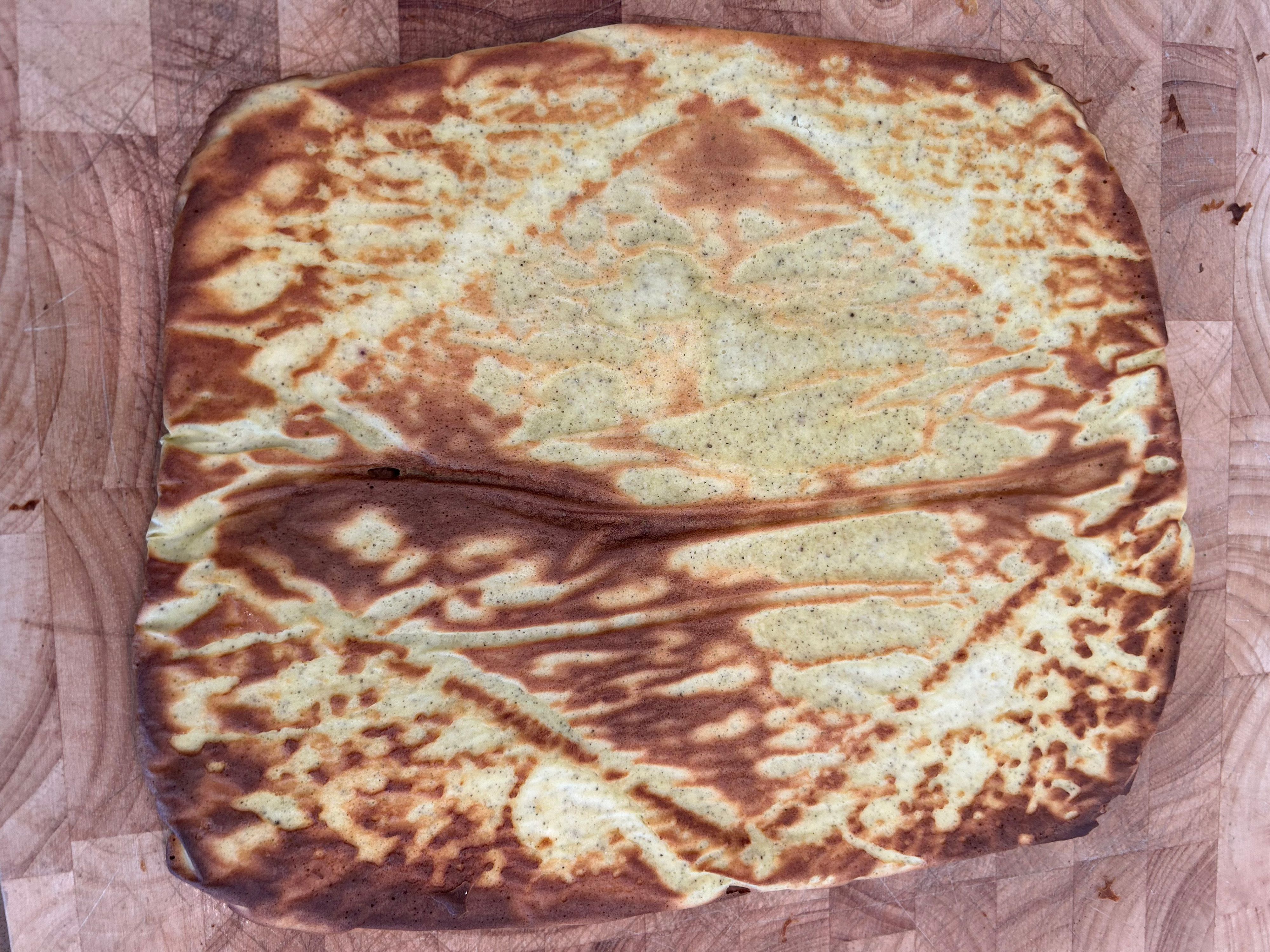
Cottage cheese has had the kind of comeback usually reserved for pop stars, low-rise jeans, and appliances your grandmother swore by before TikTok discovered them. One minute it was quietly sitting in the dairy aisle, minding its curds. The next, it was being blended into ice cream, cookie dough, queso, pancakes, pasta sauce, and nowyesflatbread.
The viral cottage cheese flatbread trend promises a lot: a high-protein flatbread, a low-carb wrap, a gluten-free bread alternative, and a meal-prep-friendly base for sandwiches, pizza, breakfast wraps, and whatever else your hungry brain can imagine at 12:07 p.m. on a Tuesday. The basic version is almost suspiciously simple: blend cottage cheese with eggs, spread it on parchment paper, bake it until set, cool it, then fill it like a wrap.
But does cottage cheese flatbread actually deserve the hype, or is it another social media recipe that looks amazing for eight seconds and then tastes like regret with Italian seasoning? I tried the trend, compared popular versions, looked at the nutrition, and tested what makes it workor flop. Here is the honest, slightly cheesy truth.
What Is Cottage Cheese Flatbread?
Cottage cheese flatbread is a flourless baked wrap made mostly from cottage cheese and eggs. Some versions use only those two ingredients, while others add garlic powder, onion powder, Italian seasoning, turmeric, Parmesan, spinach, or a little flour for a more bread-like texture.
The most viral version usually follows this formula:
- 1 cup cottage cheese
- 2 large eggs
- Garlic powder, onion powder, Italian seasoning, salt, or pepper
- Parchment paper and a baking sheet
- About 25 to 35 minutes in a 350°F oven
After baking, the mixture firms into something between a crepe, omelet, wrap, and soft flatbread. That description may not sound glamorous, but neither does “fermented cabbage,” and kimchi is doing just fine. The real appeal is that the flatbread can hold fillings while adding protein to the meal.
Why Is Cottage Cheese Flatbread So Popular?
The cottage cheese flatbread trend checks several modern food boxes at once. It is high in protein, naturally gluten-free if made without flour, relatively low in carbs, inexpensive, and easy to customize. It also feels like kitchen magic: you pour a liquid mixture onto a pan, and somehow it becomes a bendable wrap. People love a transformation story, especially when lunch is involved.
The Protein Factor
Cottage cheese is rich in protein compared with many other dairy foods. A 100-gram serving of low-fat cottage cheese contains roughly 11 grams of protein, along with calcium, phosphorus, potassium, and vitamin B12. Eggs add more protein and help bind the flatbread so it can set in the oven.
Depending on the exact brand and recipe, one cottage cheese flatbread may deliver anywhere from about 15 to 30 grams of protein. Some versions designed for larger wraps can reach even higher. That makes it attractive for people who want more filling meals without relying only on meat, protein bars, or another sad desk yogurt.
The Low-Carb and Gluten-Free Appeal
Because the popular two-ingredient version does not use wheat flour, it is naturally lower in carbohydrates than traditional bread or tortillas. It can also work for people avoiding gluten, as long as all seasonings and toppings are gluten-free. That said, it is not “bread” in the traditional sense. It does not have the chew, crumb, or toasted aroma of a flour-based flatbread. It is more like a protein wrap wearing a bread costume.
The TikTok Effect
Social media loves recipes that look easy, dramatic, and slightly unbelievable. Cottage cheese flatbread fits perfectly. It starts as lumpy dairy curdslet’s be honest, not the most photogenic ingredientand ends as a wrap you can stuff with turkey, avocado, chicken salad, arugula, tomatoes, or eggs. That before-and-after contrast makes it easy to share and hard not to try.
My First Try: Hope, Curds, and a Baking Sheet
I started with the classic version: cottage cheese, eggs, garlic powder, onion powder, Italian seasoning, salt, and pepper. I blended everything until smooth, poured the batter onto parchment paper, spread it into a thin rectangle, and baked it at 350°F.
At first, things looked promising. The batter smelled like a breakfast casserole that had been sent to finishing school. Around the 20-minute mark, the edges began to turn golden. At 30 minutes, the center looked set. I let it cool because nearly every successful recipe warns against peeling it too soon. This is not the time to be heroic. Hot cottage cheese flatbread is fragile, clingy, and emotionally unavailable.
Once cooled, it peeled away from the parchment with only minor negotiation. The texture was flexible but not fluffy. It bent, but it did not behave like a tortilla. I filled it with roasted turkey, sliced tomato, avocado, greens, and a little Greek yogurt sauce. The result? Good, but not life-changing. It held together better than expected, tasted mild, and made a satisfying lunch. Still, it needed serious seasoning and juicy fillings to avoid tasting like a polite omelet.
What Does Cottage Cheese Flatbread Taste Like?
The flavor depends heavily on the cottage cheese, seasoning, bake time, and fillings. On its own, cottage cheese flatbread is mild, slightly tangy, and a little eggy. If you under-season it, it can taste bland. If you overbake it, it can become dry and cracker-like around the edges. If you bake it too thick, the middle can feel spongy.
The best description is this: imagine a thin savory egg bake that has learned how to fold. It is not a replacement for sourdough, naan, pita, or a chewy flour tortilla. But it can be a smart swap when you want a high-protein wrap base.
Best Fillings for Cottage Cheese Flatbread
The flatbread shines when paired with bold, moist, crunchy ingredients. Because the base is mild, the fillings need to do some flavor lifting.
- Greek-style wrap: Chicken, cucumber, tomato, red onion, arugula, and tzatziki
- Turkey club: Turkey, bacon, lettuce, tomato, avocado, and a yogurt ranch sauce
- Breakfast wrap: Scrambled eggs, spinach, salsa, and a little cheddar
- Tuna salad wrap: Tuna, celery, pickles, greens, and mustard-yogurt dressing
- Pizza flatbread: Marinara, mozzarella, turkey pepperoni, mushrooms, and basil
- Vegetarian lunch: Hummus, roasted peppers, cucumbers, sprouts, and feta
My favorite version was the Greek-style wrap. The acidity from the tzatziki, crunch from the vegetables, and peppery greens helped balance the soft, mild flatbread. Without strong fillings, the wrap can feel like it is asking, “So… are we done here?”
How to Make Cottage Cheese Flatbread Actually Work
The internet makes this recipe look foolproof. It is not difficult, but there are a few places where things can go sideways. The biggest problems are watery batter, sticking, bland flavor, and poor texture.
1. Drain Watery Cottage Cheese
Some cottage cheese brands contain more liquid than others. If yours looks especially wet, drain it briefly through a fine-mesh strainer before blending. Too much moisture can make the flatbread soggy, thin, or difficult to peel from the parchment.
2. Use Parchment Paper, Not Hope
Parchment paper is not optional. Grease it lightly with cooking spray or a thin layer of oil for extra insurance. Cottage cheese flatbread can stick aggressively, and scraping your lunch off a pan is not the wellness journey anyone signed up for.
3. Blend Until Smooth
A smooth batter creates a smoother wrap. If the cottage cheese curds stay chunky, the finished flatbread may bake unevenly. A blender or food processor works best. If you prefer more texture, you can stir by hand, but expect a more rustic result.
4. Season Like You Mean It
Cottage cheese can be salty, so taste it before adding extra salt. Then bring in flavor with garlic powder, onion powder, smoked paprika, Italian seasoning, everything bagel seasoning, cracked black pepper, Parmesan, or herbs. The base is simple, so seasoning is the difference between “nice lunch” and “why am I chewing a beige yoga mat?”
5. Spread It Evenly
A thin, even layer bakes best. If the edges are paper-thin and the center is thick, the edges will dry out before the middle sets. Aim for a rectangle that is even from corner to corner.
6. Let It Cool Completely
Cooling helps the flatbread firm up. If you try to peel it while hot, it may tear. Let it sit on the pan until it is no longer steaming, then gently lift one edge and peel slowly.
Is Cottage Cheese Flatbread Healthy?
Cottage cheese flatbread can be a healthy option, depending on your overall diet and what you put inside it. It is high in protein, usually lower in carbs than traditional wraps, and can be made without gluten. It may help make a meal more filling, especially when paired with vegetables and healthy fats.
However, it is not automatically perfect. Cottage cheese can be high in sodium, and the flatbread contains little to no fiber unless you add high-fiber fillings. If your wrap is cottage cheese flatbread plus turkey plus cheese plus salty sauce, the sodium can climb quickly. If you are watching sodium, choose a low-sodium cottage cheese and use herbs, lemon juice, vinegar, or spices for flavor.
Nutrition Pros
- High in protein for a wrap or bread alternative
- Can be gluten-free when made without flour
- Low in carbohydrates compared with many tortillas
- Uses simple, affordable ingredients
- Pairs well with vegetables, lean proteins, and healthy sauces
Nutrition Cons
- Can be high in sodium depending on the cottage cheese brand
- Contains no meaningful fiber unless fillings are added
- Not suitable for people with dairy allergies
- May bother people with lactose intolerance unless lactose-free cottage cheese is used
- Can become dry or bland without careful seasoning
Food safety matters, too. Because this recipe uses dairy and eggs, do not leave the finished flatbread sitting at room temperature for hours. Refrigerate leftovers within two hours, store them in an airtight container, and keep the refrigerator at 40°F or below.
Should You Try the Cottage Cheese Flatbread Trend?
Yesif you know what to expect. Try it if you want a high-protein wrap, enjoy cottage cheese, need a gluten-free sandwich base, or are looking for a meal-prep lunch that is more exciting than another bowl of lettuce. Skip it if you expect it to taste like bakery bread, dislike eggy textures, or cannot tolerate dairy.
The cottage cheese flatbread trend is not a miracle. It will not replace a warm pita, a chewy tortilla, or a crusty slice of sourdough. But it does solve a real problem: making a simple wrap that adds protein instead of just holding fillings together. In that role, it performs surprisingly well.
My Best Cottage Cheese Flatbread Recipe
After testing, this version gave me the best balance of flexibility, flavor, and structure.
Ingredients
- 1 cup low-fat or whole-milk cottage cheese, drained if watery
- 2 large eggs
- 1/2 teaspoon garlic powder
- 1/2 teaspoon onion powder
- 1/2 teaspoon Italian seasoning
- 1 tablespoon grated Parmesan, optional but recommended
- Black pepper to taste
- Cooking spray or a light brush of oil for parchment
Instructions
- Preheat oven to 350°F.
- Line a baking sheet with parchment paper and lightly grease it.
- Add cottage cheese, eggs, seasonings, and Parmesan to a blender.
- Blend until completely smooth.
- Pour onto the prepared baking sheet and spread into a thin, even rectangle.
- Bake for 25 to 35 minutes, until set and lightly golden.
- Cool completely before peeling from the parchment.
- Fill, roll, slice, or use as a pizza-style base.
Common Mistakes to Avoid
Making It Too Thick
If the batter is too thick on the pan, the finished flatbread may taste more like a baked omelet than a wrap. Spread it thinly and evenly.
Skipping Flavor
Do not rely on cottage cheese and eggs alone unless you love extremely mild food. Season the batter and use flavorful fillings.
Peeling Too Soon
Let the flatbread cool. Warm flatbread tears easily, and torn flatbread leads to filling escape. Filling escape leads to eating lunch with a fork while questioning your decisions.
Using Wet Fillings Without a Barrier
Tomatoes, salsa, pickles, and sauces are delicious, but they can make the wrap soggy. Add greens, turkey, hummus, or cheese as a barrier before piling on juicy ingredients.
Is It Better Than Regular Bread?
Not exactly. It is different. Regular bread wins on texture, nostalgia, and that beautiful carb-powered chew. Cottage cheese flatbread wins on protein, lower carbs, and flexibility for certain diets. If you want a grilled cheese, use bread. If you want a high-protein lunch wrap, cottage cheese flatbread makes sense.
Think of it as a tool, not a replacement for all bread. A hammer is useful, but you would not use it to stir soup. Cottage cheese flatbread is excellent for wraps, decent for pizza-style toppings, and questionable as a toast substitute.
Extra Experience: What I Learned After Making It More Than Once
The first time I made cottage cheese flatbread, I treated it like a viral challenge. I expected either disaster or greatness. What I got was something in the middle: useful, tasty enough, and clearly dependent on small details. By the second and third attempts, I understood why some people love it and others immediately run back to tortillas.
My biggest lesson was that texture is everything. When I spread the batter too thin, the edges became brittle and dry. They had the energy of a forgotten cracker at the bottom of a lunchbox. When I spread it too thick, the center turned soft and eggy. It still tasted fine, but it did not feel like flatbread. The sweet spot was a thin, even layer with enough thickness to bend without cracking.
I also learned that the cottage cheese brand matters. A creamier cottage cheese blended into a smoother batter and produced a more flexible wrap. A watery cottage cheese made the batter loose, and the finished flatbread needed extra baking time. Draining the cottage cheese for even five minutes helped. It felt like an annoying step at first, but it made the final result less soggy and easier to peel.
Seasoning changed everything. My plain version tasted like a protein experiment. My seasoned version tasted like lunch. Garlic powder, onion powder, black pepper, Italian seasoning, and Parmesan made the flatbread savory enough to stand up to turkey and vegetables. Everything bagel seasoning was also excellent, though I used it lightly because cottage cheese can already be salty. A little smoked paprika gave the wrap a warmer flavor, especially when I used it as a pizza base.
The best filling I tried was chicken, tzatziki, cucumber, tomato, red onion, and arugula. That combination brought crunch, acidity, creaminess, and freshness. The worst filling was plain turkey and lettuce with no sauce. It was edible, but it had the personality of a waiting room. Cottage cheese flatbread needs contrast. Add something juicy, something crisp, something tangy, and something savory.
Storage was better than expected. I kept one cooled flatbread in the refrigerator between sheets of parchment inside an airtight container. The next day, it was still flexible, though slightly firmer. I would not call it “fresh from the oven” quality, but it worked for a quick lunch. Reheating it gently helped, but overheating made it rubbery. My advice: warm it briefly, then fill it. Do not blast it into dairy leather.
Would I make cottage cheese flatbread every week? Maybe not. I still love real bread, and I refuse to pretend a cottage cheese wrap can replace a crusty baguette. But would I make it when I want a high-protein, low-carb wrap that keeps me full? Absolutely. It is practical, affordable, and surprisingly adaptable once you learn its quirks. The trend is worth tryingnot because it is perfect, but because it is genuinely useful when done right.
Conclusion
Cottage cheese flatbread is one of the rare viral food trends that mostly does what it promises. It turns simple ingredients into a flexible, high-protein wrap that can work for sandwiches, breakfast, pizza-style lunches, and meal prep. It is not exactly bread, and anyone who says it tastes just like a tortilla may need a brief vacation from the internet. But with good seasoning, proper baking, and flavorful fillings, it can be a smart, satisfying addition to your kitchen routine.
Should you try it? Yes, especially if you like high-protein recipes and do not mind a softer, eggier texture. Just drain watery cottage cheese, use parchment paper, season boldly, cool it fully, and fill it with ingredients that bring crunch and flavor. Cottage cheese flatbread may not change your life, but it might upgrade your lunchand honestly, lunch deserves a win.