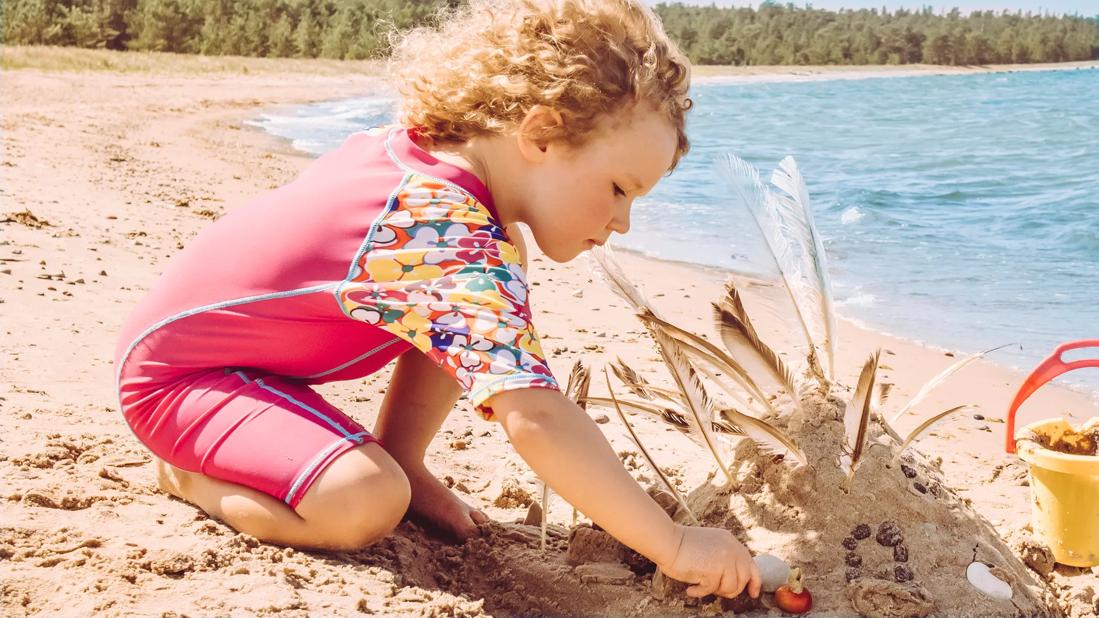
Sun protection used to mean one thing: slathering on sunscreen until you looked like a glazed donut with weekend plans. Sunscreen is still important, of course, but modern sun safety has a smarter sidekick: UV light protection clothing. Also called UPF clothing, these shirts, pants, hats, swimwear, and outdoor layers are designed to reduce how much ultraviolet radiation reaches your skin.
The magic is not actually magic. It is fabric science, textile testing, dye chemistry, and good old-fashioned coverage working together. UV protective clothing can help block both UVA rays, which contribute to skin aging and long-term skin damage, and UVB rays, which are strongly linked to sunburn. Think of it as wearable shadeexcept it travels with you, does not blow away at the beach, and will not collapse dramatically like a cheap umbrella in a breeze.
In this guide, we will explain how UV protection clothing works, what UPF ratings mean, which fabrics protect best, how to choose sun-protective clothing, and how to care for it so it keeps doing its job. Your skin has enough responsibilities already; decoding clothing labels should not be one of them.
What Is UV Light Protection Clothing?
UV light protection clothing is apparel designed or tested to block ultraviolet radiation from passing through the fabric and reaching your skin. While most clothing offers at least some sun protection, not all fabrics perform equally. A thin white cotton T-shirt may feel like a respectable barrier, but sunlight can still pass through the gaps between fibers, especially when the shirt is stretched, worn out, or wet.
Sun-protective clothing is different because it is usually made with tighter weaves, denser fibers, special dyes, UV-absorbing finishes, or engineered fabric structures. Some garments are tested and labeled with a UPF rating, which tells you how much UV radiation the fabric allows through.
For example, a shirt labeled UPF 50 allows about 1/50th of UV radiation to pass through the fabric. In everyday language, that means it blocks roughly 98% of UV rays. That is a pretty strong performance from something that also has sleeves and maybe a surprisingly convenient zip pocket.
UPF vs. SPF: What Is the Difference?
People often confuse UPF and SPF, which is fair because they sound like two cousins who both work in sun protection and refuse to explain their jobs clearly.
What UPF Means
UPF stands for Ultraviolet Protection Factor. It is used for fabrics and measures how much UVA and UVB radiation can pass through clothing. A higher UPF number means better protection.
Common UPF ratings include:
- UPF 15 to 24: Good protection
- UPF 25 to 39: Very good protection
- UPF 40 to 50+: Excellent protection
Many dermatology and skin cancer prevention experts recommend choosing clothing with UPF 30 or higher, and UPF 50+ is often considered excellent for long outdoor exposure.
What SPF Means
SPF stands for Sun Protection Factor. It is used for sunscreen and mainly describes protection against sunburn caused by UVB rays. Broad-spectrum sunscreens also protect against UVA rays, but sunscreen has a catch: it must be applied generously, evenly, and repeatedly. That is where many humanswonderful, distracted creatures that we arefail the assignment.
UPF clothing has one major advantage: once you put it on, it keeps protecting the skin it covers. No timer. No reapplication. No wondering whether your shoulder has sunscreen or just wishful thinking.
How UV Protection Clothing Blocks the Sun
UV protective clothing works by reducing UV transmission through the fabric. It does this in several ways: absorption, reflection, scattering, and physical blocking. The exact method depends on the material, construction, color, and finish of the garment.
1. Tight Weave Blocks UV Rays Physically
The most important factor in sun-protective fabric is often the weave or knit density. A tightly woven fabric has smaller gaps between threads, giving UV rays fewer opportunities to pass through. If you hold a fabric up to bright light and can easily see light shining through, UV rays may also be finding their way through.
Denim, canvas, tightly woven polyester, and dense nylon generally offer stronger protection than loose linen, mesh, lace, crochet, or thin gauzy cotton. In other words, if your shirt looks like it was designed by a spider on vacation, it may not be your best sun shield.
2. Fiber Type Affects UV Absorption
Different fibers interact with UV radiation differently. Synthetic fibers such as polyester and nylon often provide strong UV protection because their chemical structure can absorb or scatter UV light effectively. Some natural fibers, such as cotton and linen, can be comfortable and breathable but may provide less protection when they are thin, loosely woven, or light colored.
This does not mean cotton is useless. A thick, dark, tightly woven cotton shirt can protect better than a thin, pale, stretched-out synthetic top. Fabric performance is about the whole package: fiber, weave, color, thickness, stretch, moisture, and garment condition.
3. Darker and Brighter Colors Absorb More UV
Color matters. Dark and vivid colors tend to absorb more UV radiation than pale colors. A deep navy shirt, rich red rash guard, or dark green hiking top often protects better than a thin white shirt made from the same material.
That does not mean you must dress like a mysterious desert detective every time you go outside. Many UPF-rated fabrics are engineered so even lighter colors can provide excellent protection. Still, when comparing ordinary clothing with no UPF label, darker or more saturated colors are usually a safer bet.
4. Fabric Weight and Thickness Improve Protection
Heavier fabrics usually block more UV light because there is more material between the sun and your skin. This is one reason jeans protect better than thin beach pants. The downside, of course, is heat. Nobody wants to hike in August wearing denim armor unless they are trying to become a cautionary tale.
That is why modern UPF clothing often uses lightweight synthetic fabrics that balance protection, breathability, and moisture management. The goal is to block UV rays without making you feel like a steamed dumpling.
5. Special Treatments Can Boost UV Protection
Some sun-protective clothing uses UV-absorbing treatments or additives during manufacturing. These may include minerals, dyes, optical brighteners, or chemical UV absorbers that help trap or scatter ultraviolet radiation before it reaches your skin.
Quality matters here. Some UV treatments are designed to last through many washes, while others may gradually fade. Always check the care label and product description. If the brand says the UPF rating is built into the fabric structure rather than only added as a finish, that may suggest longer-lasting performance.
Why Wet Clothing Protects Less
A dry T-shirt and a wet T-shirt are not the same sun barrier. When fabric becomes wet, the fibers can cling together, stretch, and allow more light to pass through. This is why a regular cotton shirt may offer much less UV protection after swimming or sweating heavily.
UPF swim shirts and rash guards are designed with this problem in mind. They usually use tightly knit synthetic fabrics that maintain better protection in water. If you spend time swimming, kayaking, paddleboarding, fishing, or pretending to surf while mostly falling over, UPF swimwear is a smart choice.
Does Stretching Reduce UPF Protection?
Yes, stretching can reduce UV protection. When fabric stretches, the gaps between fibers can widen, allowing more UV rays to pass through. This is especially important for leggings, swim shirts, tight athletic tops, and kids’ clothing that suddenly becomes two sizes too small overnight because children apparently grow by moonlight.
For better protection, choose sun-protective clothing that fits comfortably without being overly tight. A slightly relaxed fit can help preserve the fabric’s structure and improve airflow, which is also excellent news for anyone who enjoys not overheating.
What Makes a Good UV Protection Shirt?
A good UV protection shirt should combine reliable UPF performance with practical design. The best shirt is not just the one with the highest rating; it is the one you will actually wear.
Look for These Features
- UPF 30 to UPF 50+ rating: Higher ratings offer stronger protection.
- Long sleeves: More coverage means less exposed skin.
- High collar or hood: Helpful for the neck, ears, and upper chest.
- Breathable fabric: Important for hot weather and exercise.
- Moisture-wicking material: Useful for hiking, sports, and humid climates.
- Comfortable fit: Not too tight, not too baggy, not shaped like a rejected parachute.
For beach days, choose a UPF swim shirt or rash guard. For hiking, look for lightweight button-downs or hooded sun shirts. For gardening or daily errands, a breathable long-sleeve top and wide-brimmed hat can make sun protection feel effortless.
UV Protective Clothing for Different Activities
For the Beach
Choose UPF 50+ rash guards, swim leggings, cover-ups, and wide-brimmed hats. Sunscreen should still go on your face, hands, feet, and any exposed areas. Remember, UV rays reflect off sand and water, so shade alone may not be enough.
For Hiking and Camping
Wear lightweight UPF long sleeves, hiking pants, a brimmed hat, and UV-blocking sunglasses. Look for vented shirts if you are hiking in heat. Bonus points if the shirt has pockets, because hikers love pockets the way dragons love treasure.
For Running and Cycling
Choose breathable, sweat-wicking UPF tops, arm sleeves, neck gaiters, and caps with sun flaps. Cyclists should pay attention to the back of the neck, lower arms, and thighsareas that get steady sun exposure during long rides.
For Kids
Children are often active, sweaty, sandy, and personally committed to removing sunscreen at the worst possible moment. UPF clothing helps reduce exposed skin and makes protection easier for parents. Look for UPF swim sets, bucket hats, and lightweight long-sleeve shirts that kids can move in comfortably.
For Outdoor Work
Landscapers, construction workers, lifeguards, farmers, delivery workers, and others who spend long hours outside may benefit from durable UPF clothing. Breathable long sleeves, neck coverage, hats, and sunglasses are especially important during peak UV hours.
Is UPF Clothing Better Than Sunscreen?
UPF clothing and sunscreen are not enemies. They are teammates. Clothing is excellent for covered areas because it provides consistent protection without reapplication. Sunscreen is essential for exposed skin, such as the face, ears, hands, neck, and ankles.
The best sun protection strategy usually includes:
- UPF clothing for covered skin
- Broad-spectrum sunscreen for exposed skin
- A wide-brimmed hat
- UV-blocking sunglasses
- Shade when possible
- Avoiding intentional tanning
Think of UPF clothing as the reliable friend who shows up early with snacks. Sunscreen is the friend who is also useful, but needs reminders every two hours.
How to Choose the Best Sun-Protective Clothing
Check the UPF Label
If sun protection is the priority, choose garments with a verified UPF rating. A UPF 50+ label is ideal for beach days, sports, hiking, boating, and long outdoor events.
Choose More Coverage
A UPF 50 tank top still leaves your shoulders exposed. A long-sleeve UPF shirt protects more skin. Coverage matters as much as the rating.
Consider the Climate
For hot, humid weather, look for lightweight, breathable, quick-drying fabrics. For cooler weather, thicker UPF layers can be comfortable and protective. In sunny winter conditions, especially around snow, UV protection still matters because snow can reflect sunlight.
Avoid Loose Open Weaves
Mesh, crochet, lace, and loosely woven linen may look breezy, but they often let more UV rays through. If you love these styles, treat them as fashion layers, not your primary sun defense.
Do the Light Test
Hold the fabric up to bright light. If you can see a lot of light through it, UV rays may pass through too. This test is not as accurate as laboratory UPF testing, but it is a useful quick check for ordinary clothing.
How to Care for UV Protection Clothing
Proper care helps sun-protective clothing last longer. Always follow the label, but these general habits are helpful:
- Wash in cool or warm water as directed.
- Avoid bleach unless the care label specifically allows it.
- Skip harsh detergents that may damage fibers or finishes.
- Avoid excessive heat when drying.
- Replace clothing that becomes thin, stretched, faded, or worn out.
If a garment depends on a surface treatment for UPF protection, repeated washing may eventually reduce effectiveness. If the UPF comes from the fabric’s structure, fiber type, or embedded technology, the protection may be more durable. Either way, when your sun shirt starts looking like it survived three summers, two camping trips, and a battle with a lawn mower, it may be time to retire it.
Common Myths About UV Protection Clothing
Myth 1: Any Shirt Is Enough
Some shirts protect well. Others do not. Thin, light-colored, loosely woven, or wet fabrics may allow significant UV transmission. UPF-rated clothing gives you a clearer idea of protection.
Myth 2: You Do Not Need Sunscreen If You Wear UPF Clothing
You still need sunscreen on exposed areas. UPF clothing only protects the skin it covers. Your nose, ears, hands, and feet did not sign a protection contract with your shirt.
Myth 3: UPF Clothing Is Only for the Beach
UV exposure happens during walks, sports, driving, gardening, school events, outdoor jobs, and cloudy days. UPF clothing can be useful anytime you spend extended time outside.
Myth 4: Dark Clothing Is Always Too Hot
Dark colors can absorb more heat, but modern technical fabrics may use ventilation, moisture-wicking fibers, and lightweight construction to stay comfortable. Fit and fabric design matter.
Myth 5: Cloudy Days Are Safe Days
Clouds can reduce visible brightness, but UV rays can still reach your skin. If the UV Index is moderate or higher, sun protection is still worth using.
Who Should Wear UV Protection Clothing?
Almost anyone can benefit from UV protective clothing, but it is especially useful for people who spend long periods outdoors, burn easily, have a history of skin cancer, take medications that increase sun sensitivity, or want a low-maintenance way to improve sun protection.
It is also helpful for children, athletes, beachgoers, hikers, boaters, gardeners, and travelers visiting sunny destinations. People with all skin tones can experience UV damage, so UPF clothing is not just for fair skin. Melanin offers some natural protection, but it does not make anyone immune to sunburn, dark spots, premature aging, or skin cancer risk.
Real-World Experiences: What Wearing UV Protection Clothing Actually Feels Like
The first time many people try UPF clothing, they expect it to feel stiff, heavy, or aggressively unfashionablelike something issued by a very serious summer camp. But modern sun-protective clothing has improved a lot. Many UPF shirts feel soft, lightweight, and breathable. Some look like regular athletic wear, casual button-downs, dresses, hoodies, or swim tops.
One of the biggest everyday advantages is convenience. Before a beach walk, instead of covering both arms, shoulders, chest, and back with sunscreen, you can put on a UPF long-sleeve shirt and focus sunscreen on your face, neck, hands, and legs. This saves time and reduces the chance of missing spots. Anyone who has ever discovered a bright red handprint-shaped sunburn on their back knows that sunscreen application can become an accidental abstract art project.
For hiking, UPF clothing can be surprisingly comfortable. A lightweight hooded sun shirt can protect the arms and neck while still letting air move. The hood is useful when the trail has limited shade, and thumbholes can help cover the backs of the hands. Pairing the shirt with a brimmed hat and sunglasses makes long exposure easier to manage. The outfit may not make you faster, but at least your shoulders will not be filing complaints by sunset.
For swimming, UPF rash guards are a practical upgrade. They are especially helpful for kids, who tend to spend the day in and out of water. Regular sunscreen can rinse off, rub off on towels, or get forgotten between snacks and sandcastle emergencies. A UPF swim shirt continues covering the torso and shoulders while the child plays. Parents still need sunscreen on exposed areas, but there is less skin to cover and less drama during reapplication. That alone deserves applause.
Gardeners also notice the difference. A breathable long-sleeve UPF shirt, wide-brimmed hat, and gloves can make yard work safer during sunny hours. Instead of feeling sticky with sunscreen on every inch of skin, you can use clothing as the main barrier and sunscreen as backup. This works well for tasks like mowing, pruning, planting, or standing in the yard wondering why one weed has the confidence of a small tree.
Travelers may find UPF clothing especially useful because it reduces packing stress. A good sun shirt can work for sightseeing, hiking, boating, and casual lunches. Quick-drying UPF pants or swim leggings are helpful for tropical trips where the sun is intense and laundry options are limited. Nobody wants to spend vacation treating sunburn when they could be eating tacos, taking photos, or pretending they understand the local bus system.
The biggest lesson from real-world use is simple: the best UV protection clothing is the clothing you will actually wear. A technically perfect shirt that stays in your closet protects exactly zero skin. Choose pieces that fit your lifestyle, feel comfortable, and match your activities. Sun safety becomes much easier when it feels like getting dressed, not preparing for battle.
Conclusion: Wearable Sun Protection That Actually Makes Sense
UV light protection clothing works by blocking, absorbing, reflecting, or scattering ultraviolet radiation before it reaches your skin. The level of protection depends on fabric density, fiber type, color, thickness, stretch, moisture, garment condition, and whether the clothing has been tested for a UPF rating.
UPF clothing is not a replacement for sunscreen everywhere, but it is one of the easiest and most reliable ways to protect covered skin. A UPF 50+ shirt, wide-brimmed hat, UV-blocking sunglasses, and broad-spectrum sunscreen on exposed areas can turn sun safety from a messy chore into a simple routine.
The sun may be 93 million miles away, but it is still extremely committed to showing up. Dress accordingly.
Note: This article is based on current dermatology, cancer-prevention, public-health, and textile sun-protection guidance from reputable U.S. sources.