Texts are fast. Voice notes are convenient. Memes are the modern love language. But a real letter to your best friend? That hits differently. It has weight, personality, and something your 2:13 a.m. “u up?” message simply cannot compete with. A letter feels personal because it is personal. It slows you down just enough to say what you actually mean.
If you have ever stared at a blank page and thought, “I adore this human, but why have all my words abandoned me?” you are not alone. Writing a letter to your best friend can feel weirdly high-stakes. You want it to be sweet, but not cheesy. Honest, but not dramatic enough to win an award for emotional overachievement. Funny, but not so chaotic that it reads like a sleep-deprived raccoon wrote it.
The good news is that a great friendship letter does not need fancy language or perfect handwriting. It just needs heart, clarity, and a few smart choices. This guide walks you through exactly how to write a letter to your best friend in 14 simple steps, with examples, ideas, and practical tips to make your message feel real, memorable, and worth saving in a shoebox forever.
Why Writing a Letter to Your Best Friend Still Matters
A letter gives you space to say more than a quick message ever can. It lets you reflect, remember, and put your friendship into words with intention. Unlike a disappearing chat thread, a physical letter can be reread years later. It becomes a snapshot of your friendship at one moment in time: what you loved, what you laughed about, what you survived together, and what you hoped for next.
That is why learning how to write a letter to your best friend is not just about format. It is about connection. The best letters sound like your real voice, include specific memories, and make the other person feel seen. That is the magic.
How to Write a Letter to Your Best Friend in 14 Steps
Step 1: Decide why you are writing
Before you write a single sentence, ask yourself one simple question: why this letter, and why now? Maybe your best friend moved away. Maybe it is their birthday. Maybe they are going through a hard time. Maybe nothing dramatic happened and you just miss them. That is reason enough.
Having a clear purpose helps you shape the letter. A “thinking of you” note will sound different from an apology, a thank-you, or a celebration letter. You do not need a giant theme, but you do need a center.
Example: “I wanted to write this because life has been busy, and I realized I have not told you lately how much your friendship means to me.”
Step 2: Choose your format
You can handwrite the letter, type it, or even write it on pretty stationery if you are feeling extra. A handwritten letter usually feels warmer and more personal, especially for a best friend. It carries your natural rhythm, your doodles, your crossed-out thoughts, and all the tiny human details that make it yours.
Still, typed is perfectly fine if your handwriting looks like a spider fell into an ink bottle and panicked. The point is readability and sincerity, not calligraphy glory.
Step 3: Start with the date
This step is small, but it matters. Put the date at the top of the letter. Years from now, your best friend may look back at it and remember exactly when you wrote it. That turns your letter into a keepsake, not just a message.
You can write it traditionally, like March 26, 2026, or in a more personal style, like On a rainy Thursday when I should have been doing something productive. Either works if it fits your voice.
Step 4: Pick a greeting that sounds like your friendship
The greeting sets the tone immediately. You do not have to default to a stiff “Dear Best Friend” unless that is your style. Use the name, nickname, or ridiculous title you actually call them.
Ideas:
Dear Maya,
Hey, Trouble,
To my favorite human,
Dear partner in bad decisions and good stories,
The best greeting feels natural. If your friendship is playful, let it be playful. If it is tender, let it be tender.
Step 5: Open with something warm and real
Your first paragraph should ease your friend into the letter. Do not overthink it. Start by saying why you are writing, how you have been thinking of them, or what made you want to put pen to paper.
This is not the moment to sound like a Victorian novelist unless that is your shared bit. Keep it genuine.
Example opening: “I know we text all the time, but I wanted to write you an actual letter because some things deserve more than a blue bubble on a screen.”
Step 6: Share what is going on in your life
A good letter feels like a conversation. After your opening, update your best friend on what has been happening with you. Talk about the big things, the small things, and the weirdly specific things they would care about.
You might mention school, work, family, a new hobby, an embarrassing moment at the grocery store, or the fact that your houseplant is somehow still alive against all odds. The goal is not to write your autobiography. It is to invite them into your everyday life.
Step 7: Ask about their life, too
One of the easiest ways to make your letter feel thoughtful is to make room for your friend in it. Ask real questions. Not the lazy “How are you?” that people throw around like confetti, but questions that show you know them.
Examples:
How is your new job really going?
Did you ever finish that book you were obsessed with?
Are you still thinking about moving?
How is your mom doing?
Specific questions make your letter feel attentive and caring. They show that your friendship is not a monologue.
Step 8: Include a memory only the two of you would understand
This is where the letter stops being nice and starts becoming unforgettable. Add a memory, inside joke, or shared moment that belongs to the two of you. It can be hilarious, meaningful, chaotic, or all three.
Maybe it was that road trip with the wrong exit and the right playlist. Maybe it was the day you laughed so hard in class that neither of you could breathe. Maybe it was the quiet afternoon when they sat with you during one of the hardest seasons of your life.
Specific memories create emotional texture. They remind your friend that your relationship is built on a real shared history, not generic compliments.
Step 9: Say what you appreciate about them
This is the heart of the letter. Tell your best friend what they mean to you. Be specific instead of vague. “You are amazing” is nice, but “You are the person who knows when I need advice and when I just need fries” is better.
Think about their qualities. Are they loyal? Funny? Patient? Brave? Honest? The one person who tells you the truth without making you feel awful? Name the traits. Name the impact.
Example: “You make ordinary days better. You check in when other people forget. You somehow know how to make me laugh even when I am trying very hard to be dramatic.”
Step 10: Be honest, but do not force a performance
When people write heartfelt letters, they sometimes start acting like they are auditioning for an emotional monologue. Relax. Your best friend does not need perfect poetic lines. They need you.
Write honestly. If you miss them, say it. If you are grateful for them, say it. If you are proud of them, say it. But do not pressure yourself to sound profound in every sentence. Simple words often land harder than dramatic ones.
“I miss you more than I expected” is powerful. So is “Thank you for sticking with me through a version of myself that was not easy to be around.” Truth beats fancy every time.
Step 11: Add a little personality and humor
Best friend letters should sound alive. That means your sense of humor belongs in the letter. Add a joke, a playful exaggeration, a goofy callback, or one line that feels exactly like your friendship.
Maybe you write, “Thank you for loving me despite my inability to reply to texts unless I am either fully calm or fully spiraling.” Maybe you mention their famous bad karaoke choices. Maybe you refer to the time you both thought you could assemble furniture without reading directions. Bold, incorrect, unforgettable.
Humor makes the letter feel natural. Just do not overstuff it. A good joke is seasoning, not the entire meal.
Step 12: End with something meaningful
Your closing should give the letter a sense of landing. You can end by looking forward to the next time you see them, repeating your main reason for writing, or leaving them with a final warm thought.
Examples:
“I hope you know how loved you are.”
“No matter how busy life gets, I am always in your corner.”
“Please write back when you can, because I need fresh material to make fun of you affectionately.”
A strong ending does not need to be long. It just needs to feel complete.
Step 13: Choose a closing that fits your tone
Now sign off in a way that matches your relationship. Personal letters have a lot more freedom than formal letters, so do not be afraid to sound like yourself.
Good closings for a best friend letter:
Love,
Always,
Your bestie,
Forever your chaos twin,
With love and snacks,
Then sign your name, nickname, or whatever your friend would instantly recognize.
Step 14: Reread, personalize, and send it
Before you fold the page and dramatically admire your emotional range, give the letter one last read. Check for missing words, confusing sentences, and anything that sounds colder on paper than it did in your head.
Then add a personal touch if you want: a doodle, a photo, a pressed flower, a ticket stub, or a tiny postscript. A short P.S. can be charming.
Example: “P.S. I still maintain that I was not the one who got us lost.”
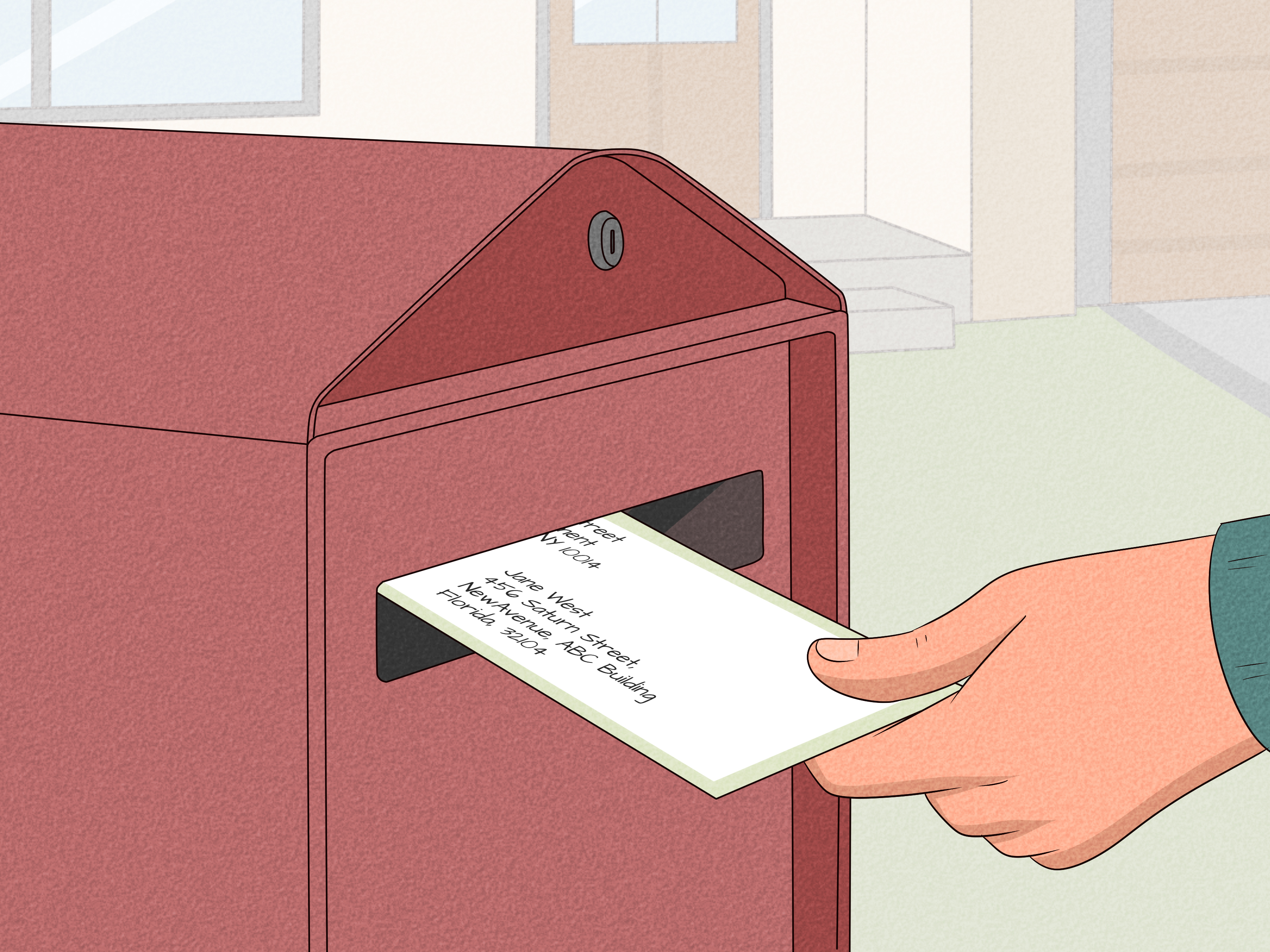
If you are mailing it, use a clearly written delivery address and return address on the same side of the envelope so it arrives without drama. Then send it. Do not wait for the “perfect” moment. The perfect moment is usually now.
Simple Structure You Can Follow
If you want an easy formula, here it is:
- Greeting
- Why you are writing
- Life update
- Question about them
- Shared memory
- What you appreciate about them
- Warm closing
That structure works because it feels balanced. It gives your letter movement without making it sound robotic.
Example Lines You Can Borrow and Personalize
Sometimes the hardest part of writing a letter to your best friend is getting started. These lines can help:
- “I have been meaning to write this for a long time.”
- “You crossed my mind today, and I realized that was not enough. You deserved a whole letter.”
- “I do not say this enough, but your friendship has shaped my life in ways I still notice.”
- “You have been there for versions of me that I barely understood myself.”
- “Thank you for making life funnier, safer, and much less lonely.”
Mistakes to Avoid When Writing a Friendship Letter
- Being too generic: If your friend could swap names with anyone else and the letter still works, it needs more specificity.
- Trying too hard to sound deep: Natural beats overly dramatic.
- Making it all about you: Share your life, but include theirs too.
- Using only jokes: Humor is great, but balance it with sincerity.
- Never sending it: A beautiful unsent draft is still unsent.
Extra Ideas to Make the Letter Feel Special
If you want to elevate the experience, include one thoughtful extra. You could tuck in a printed photo, make a tiny playlist list in the margin, write your favorite memory on the back of the page, or include a “read this when you need a laugh” note. Small touches make the letter feel even more personal.
Experiences and Real-Life Moments That Make Friendship Letters More Meaningful
One of the reasons letters to best friends are so powerful is that they often show up during ordinary seasons and somehow turn them into milestones. A person may write a letter before college starts, after a cross-country move, during a difficult breakup, or while sitting in a kitchen at midnight realizing life is changing faster than expected. In those moments, a letter becomes more than paper. It becomes evidence that someone knows your story and is still choosing you.
Many people discover that writing to a best friend is easier once they stop aiming for perfection and start writing from memory. The best parts are often not the polished sentences. They are the oddly specific details: the coffee order your friend always gets, the sweatshirt they “borrowed” three years ago and never returned, the time both of you got caught laughing at the worst possible moment, or the silent drive home after a hard day when they stayed without asking for anything from you. Those details are what make a friendship letter feel lived-in and true.
There is also something powerful about writing when you cannot say everything face to face. Some people are funnier in person but more honest on paper. Others find that letters help them express gratitude without rushing. A friend who always seems strong may never fully realize how much their steadiness matters until they read it in black and white. A friend who has been far away may feel close again just by seeing your handwriting and the date at the top of the page.
Letters can also preserve a version of a friendship that daily texting never captures. A text says, “What time are we meeting?” A letter says, “Here is how I see you. Here is what you have meant to my life. Here is the memory I never want us to lose.” That is why people keep letters in drawers, boxes, books, and old backpacks long after phones are replaced and chats disappear.
Even funny letters become treasures. A chaotic two-page roast of your shared vacation disaster can be just as meaningful as a deeply emotional thank-you letter, because it reflects your real bond. Friendship is rarely one-note. It is support, ridiculousness, honesty, comfort, growth, and the occasional terrible idea done together for the plot. A great letter can hold all of that.
So if you are wondering whether writing a letter to your best friend is worth the effort, the answer is yes. Not because it has to be perfect. Not because it has to sound literary. But because sincere words, written with care, tend to last. And friendships that matter deserve to be written down at least once in a while.
Conclusion
If you want to know how to write a letter to your best friend, remember this: keep it personal, specific, and honest. Start with a warm greeting, share what is happening in your life, ask about theirs, bring in a memory, say what you appreciate, and close with heart. That is the formula. The rest is just your voice.
You do not need to be a professional writer to create a meaningful letter. You just need to care enough to slow down and say something true. And for a best friend, that kind of effort is never too much. It is exactly the point.