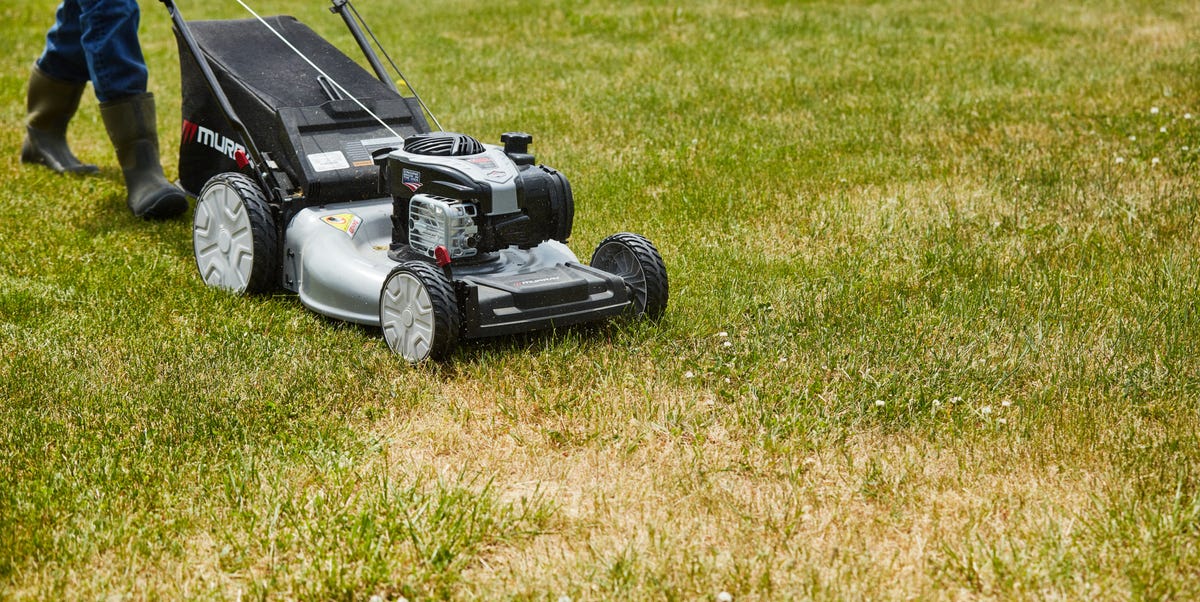
A brown lawn patch can make an otherwise respectable yard look as though it lost an argument with the sun. Fortunately, dry grass and brown spots are often repairable. The catch is that they do not all have the same cause. Watering a fungal problem may make it worse, while spraying fungicide on a broken-sprinkler problem mostly treats your wallet.
The reliable approach is simple: diagnose the stress, correct it, and repair only the turf that is truly dead. Here is how to do that without turning lawn care into a second career.
Diagnose the Brown Grass Before Treating It
Brown grass is a symptom, not a diagnosis. Before buying seed, fertilizer, fungicide, or insecticide, study the pattern, timing, and condition of the damaged turf.
Read the Shape and Location
Large, irregular dry zones often suggest uneven irrigation, drought, compacted soil, or heat reflected from pavement. Small circles with dark green edges may point to dog urine, concentrated fertilizer, or a spill. Rings, arcs, leaf spots, cottony growth, or quickly expanding patches can indicate disease. Turf that lifts like loose carpet may have root-feeding grubs underneath. Extension and integrated pest management resources recommend ruling out irrigation, mowing, soil, chemical, and animal-related causes before assuming a pathogen is responsible.
Determine Whether the Lawn Is Dormant or Dead
Cool-season grasses may turn tan during hot, dry weather while their crowns and roots remain alive. Warm-season grasses naturally brown outside their active growing season. Dormant grass usually remains anchored and may show living tissue near the crown. Dead turf feels brittle, detaches easily, and does not recover when favorable moisture and temperatures return.
Established turf can sometimes be allowed to enter temporary drought dormancy, especially where water-conservation rules apply. Newly seeded and newly sodded lawns need closer moisture management because their roots are still shallow.
Try Three Quick Tests
- Footprint test: If footprints remain visible rather than springing back, the grass may be moisture-stressed.
- Screwdriver test: Push a long screwdriver into the soil. Compare how easily it enters the brown area and healthy turf.
- Tug test: Grass that stays rooted may have leaf-level stress or disease. Turf that rolls back easily may have serious root damage.
Fix Irrigation Problems First
Irrigation trouble is one of the most common causes of discolored lawns. Sprinkler heads become clogged, tilted, sunken, blocked by plants, or aimed at the driveway. Increasing every zone’s run time can create soggy turf in one area while the original patch remains dry.
Run a Catch-Can Test
Place identical shallow containers across healthy and brown sections. Run the irrigation zone for a fixed period and compare the water levels. Large differences reveal poor distribution. Clean, raise, or reposition heads and correct pressure or overlap problems. This inexpensive test often solves more than a cart full of “miracle” lawn products.
Water the Root Zone, Not Just the Surface
Established turf generally develops stronger roots with deep, relatively infrequent irrigation rather than daily surface sprinkling. Apply water slowly enough to penetrate several inches without running into the street. Sandy soil drains quickly; clay soil may need shorter “cycle and soak” periods to prevent runoff.
Early morning is usually practical because evaporation and wind tend to be lower and blades can dry during the day. Adjust for rainfall, soil, grass species, climate, and local restrictions. Water when the lawn shows genuine stress, not merely because the controller says Tuesday has arrived.
Raise the Mower and Sharpen the Blade
Scalping reduces photosynthesis, heats the soil, weakens roots, and exposes weed seeds. For many cool-season home lawns, a mowing height near 3 inches or higher is useful during stressful weather, although the correct height depends on the grass species.
Remove no more than one-third of the blade height per mowing. A dull blade shreds leaf tips and leaves a whitish-brown cast that can make the lawn look dry. Sharpen the blade, avoid mowing severely stressed turf, and disperse heavy clumps of clippings so they do not smother the grass.
Treat Brown Spots According to the Cause
Drought and Heat Stress
Heat-stressed turf often fades to dull blue-green before turning tan. Damage is commonly worst beside sidewalks, driveways, exposed slopes, and shallow soil. Restore even irrigation, mow higher, reduce traffic, and avoid heavy nitrogen applications during hot weather. If the grass is dormant rather than dead, allow gradual recovery instead of flooding it in one heroic afternoon.
Compacted Soil and Excessive Thatch
Compaction limits air, water, and root growth. Core aeration removes soil plugs and creates channels into the root zone; hollow tines are more useful than solid spikes for long-term relief.
Thatch is partly decomposed plant material between green grass and soil. A thin layer is normal, but more than about one-half inch can disrupt water movement and shelter insects or disease organisms. Cut a small wedge to measure it. Core aeration helps, while severe buildup may require vertical mowing during the proper season for the grass.
Fertilizer or Chemical Burn
Fertilizer burn may appear where granules spilled, spreader passes overlapped, or fertilizer was applied to drought-stressed turf. If the spill is fresh and watering is permitted, flush the area, sweep fertilizer off pavement, and wait to see whether the crowns survive. Do not add more fertilizer to “feed” recovery; that is like treating a sunburn with a brighter lamp.
Gasoline, herbicide, de-icing salt, and cleaning products can kill turf. Remove dead material and, when contamination is severe, replace affected surface soil before planting again.
Dog Urine
Pet urine often creates small straw-brown centers surrounded by darker green grass. Prompt watering can dilute a fresh spot, although dead centers may still require reseeding. Long-term options include training the dog to use a designated mulch or gravel area. Avoid dietary “lawn saver” supplements unless a veterinarian recommends them for the animal’s health.
Fungal Disease
Disease is more likely when patches spread despite adequate moisture, blades develop lesions, turf mats together, or fungal growth appears during humid weather. Poor drainage, prolonged leaf wetness, low mowing, excess nitrogen, and susceptible turf can increase risk.
Begin by correcting irrigation, drainage, mowing height, airflow, and fertility. Do not apply fungicide simply because the lawn is brown. Confirm the disease through a local extension office, diagnostic lab, or qualified turf professional, then use a labeled product only when treatment is justified. Fungicide cannot repair an irrigation defect or chemical spill.
White Grubs and Other Insects
Root-feeding grubs can produce irregular patches that feel spongy and continue declining despite irrigation. Birds, skunks, or raccoons digging nearby may be hunting the larvae. Lift a small section of sod and inspect the root zone.
A few insects do not automatically justify treatment. Confirm the pest, estimate its abundance, and follow current local extension guidance and the pesticide label. Better irrigation, mowing height, aeration, and root vigor can help turf tolerate light feeding.
Shade, Traffic, and an Unsuitable Site
Grass cannot be forced to thrive where sunlight, drainage, soil depth, or traffic are fundamentally unsuitable. A persistently thin area beneath trees may need shade-tolerant turf, a path, mulch, sedges, or another groundcover. Sometimes the best lawn treatment is admitting that one corner does not want to be a lawn.
Repair Dead Brown Patches
Once the cause is corrected, rake away loose dead grass and inspect the crowns. Living turf may recover with suitable moisture and reduced traffic. A fully dead area requires seed, sod, plugs, or sprigs matched to the existing lawn.
Patch With Seed
- Remove dead grass and expose the soil.
- Loosen the surface and correct compaction, grade, or contaminated soil.
- Choose seed suited to the region, sunlight, soil, and existing turf.
- Spread it evenly and press it into firm soil contact.
- Keep the seedbed consistently moist until germination, then shift gradually to deeper watering.
Cool-season lawns are commonly repaired during cooler establishment weather, often from late summer into early fall. Warm-season grasses are repaired during active warm-weather growth. Local extension calendars are more useful than one national date because Phoenix, Minneapolis, and Miami do not share a lawn-care group chat.
Use Sod for Faster Coverage
Cut the damaged area into a clean shape, loosen and level the soil, fit matching sod tightly, and keep it evenly moist while roots establish. Sod is fast, but it cannot overcome the same unresolved drainage, irrigation, or pest problem that killed the previous turf.
Prevent Dry Grass and Brown Spots From Returning
- Test the soil before applying lime or major nutrients.
- Fertilize moderately and at the correct season for the grass.
- Maintain the recommended mowing height and keep blades sharp.
- Audit irrigation as plants grow and sprinkler heads shift.
- Core-aerate compacted areas when the turf can actively recover.
- Add paths or stepping stones where repeated traffic damages grass.
- Choose climate-appropriate turf or replace unsuitable lawn areas.
Healthy turf tolerates weather, traffic, pests, and disease better than stressed grass. Sustainable maintenance improves root-zone moisture, drainage, fertility, soil acidity, and mowing practices instead of compensating with extra water or pesticides.
Practical Experience: Lessons From Common Brown-Patch Repairs
The following examples are composites of common homeowner experiences, not claims of personal fieldwork. They show why observation usually beats an instant trip to the garden center.
The “Drought” Patch Caused by a Sprinkler Gap
A homeowner notices a widening tan patch during hot weather and responds by running every irrigation zone longer. One week later, healthy turf is soggy, mushrooms appear near a downspout, and the original patch remains dry.
A catch-can test reveals that the brown area receives much less water. One head has sunk below grade, while another is blocked by an ornamental grass. Raising the head and trimming the obstruction restore coverage. Most of the patch greens up because the crowns were dormant; only the dead center needs seed.
The lesson is not glamorous: measure before adjusting. A few tuna cans can provide more useful information than a shelf full of miracle products.
Small Circles With Dark Green Halos
Another yard develops several hand-sized brown circles surrounded by fast-growing green grass. The pattern follows the family dog’s morning route. The homeowner begins watering fresh spots promptly and trains the dog to use a gravel relief area. Dead centers are raked and patched during the proper season.
Crucially, the homeowner does not add more fertilizer. The green halo already indicates extra nutrients around the damaged center. More nitrogen would increase burn risk rather than accelerate recovery.
The lesson is to read the pattern. A dark ring around a small dead center tells a different story than a wide faded area along hot pavement. Lawns leave clues; they are simply less dramatic than television detectives.
The Patch That Kept Dying Despite Good Watering
A third homeowner checks irrigation, raises the mower, and waters correctly, yet an irregular patch continues declining in late summer. The ground feels spongy. A lifted section peels back with almost no roots, exposing C-shaped grubs. Birds have also been pecking therenot because they are lawn critics, but because lunch is available.
Instead of treating the entire property, the homeowner samples several spots, confirms the pest, and checks local extension recommendations for thresholds and timing. After the underlying problem is managed, the dead area is repaired and compacted nearby soil is core-aerated.
The shared lesson from all three repairs is sequence: observe, test, correct, then repair. Many failures happen because that order is reversed. People reseed before fixing irrigation, fertilize before testing soil, or spray before identifying a pest. The new grass then fails for the same reason the old grass failed.
Keep simple notes about weather, watering changes, fertilizer applications, pets, mowing height, and when symptoms appeared. Photos taken every few days can show whether a patch is expanding or recovering. That history is valuable when consulting an extension educator or turf professional. Most successful repairs are not based on one magical treatment; they remove a stress factor and give suitable grass a fair chance to grow.
Conclusion
To treat dry grass and brown spots, begin with diagnosis. Check irrigation coverage, soil moisture, mowing height, roots, thatch, recent chemical applications, pet patterns, insects, and disease signs. Correct the cause before reseeding or installing sod. In many yards, the best treatment is a repaired sprinkler, sharper mower blade, deeper root system, or permission for healthy turf to enter temporary dormancy.
When the grass is truly dead, prepare the soil and repair it with turf suited to the site and season. Then prevent a repeat through soil testing, appropriate mowing, targeted irrigation, moderate fertilization, aeration, and realistic plant selection. A healthy lawn needs fewer rescue products because its everyday growing conditions are doing most of the work.