Note: This article is for general first-aid education and is not a substitute for professional medical care. Call emergency services right away if a sting causes trouble breathing, throat or tongue swelling, dizziness, widespread hives, vomiting, faintness, or rapid worsening symptoms.
A bee sting can turn a peaceful picnic, garden session, or barefoot stroll into a tiny drama starring one angry insect and one very surprised human. The good news? Most bee stings cause temporary pain, redness, itching, and swelling that can be treated at home with simple first-aid steps. The less-good news? Bee sting swelling can look dramatic, especially on fingers, hands, ankles, and feet, where even mild inflammation has nowhere polite to go.
Knowing how to treat bee sting swelling quickly can reduce discomfort, help prevent infection, and make it easier to spot the difference between a normal local reaction and a serious allergic reaction. A small swollen bump around the sting is common. A larger local reaction may spread over several inches and feel warm, itchy, or tight for a few days. But swelling that affects the face, lips, tongue, throat, or breathing is not “wait and see” territory. That is emergency territory.
Below is a practical, step-by-step guide to bee sting swelling treatment, including what to do first, what to avoid, when to use cold compresses or over-the-counter remedies, and when to seek medical help. Think of it as your calm, sensible friend who keeps a first-aid kit in the car and never panics over backyard chaos.
What Causes Bee Sting Swelling?
Bee sting swelling happens because the body reacts to venom injected into the skin. Honeybees may leave behind a stinger attached to a tiny venom sac, which can continue releasing venom for a short time if it stays in the skin. That is why removing the stinger quickly matters. The immune system then sends inflammatory chemicals to the area, creating redness, pain, warmth, and swelling.
For most people, this reaction stays near the sting site and improves within hours to a few days. In some cases, swelling becomes larger over the next 24 to 48 hours before gradually calming down. This can be uncomfortable but is not always dangerous. The key is watching the pattern: local swelling that slowly improves is usually manageable at home, while swelling that spreads with whole-body symptoms needs urgent care.
How to Treat Bee Sting Swelling: 10 Steps
1. Move Away from the Bee Area First
Before you inspect the sting, move to a safe spot. Bees, wasps, and hornets may sting again if their nest is nearby or if they feel threatened. Do not swat wildly, sprint in circles, or perform what can only be described as interpretive panic dancing. Move calmly indoors or away from flowers, trash cans, picnic food, or the hive area.
This first step prevents additional stings, which can increase swelling and make reactions harder to manage. If someone has been stung multiple times, especially a child, older adult, or person with known allergies, take the situation more seriously and monitor closely.
2. Check for Signs of a Severe Allergic Reaction
Before focusing on the swelling, quickly check for emergency warning signs. Call 911 or local emergency services right away if the person has difficulty breathing, wheezing, swelling of the lips, tongue, throat, or face, tightness in the chest, dizziness, fainting, confusion, widespread hives, severe nausea, vomiting, or a sense that something is very wrong.
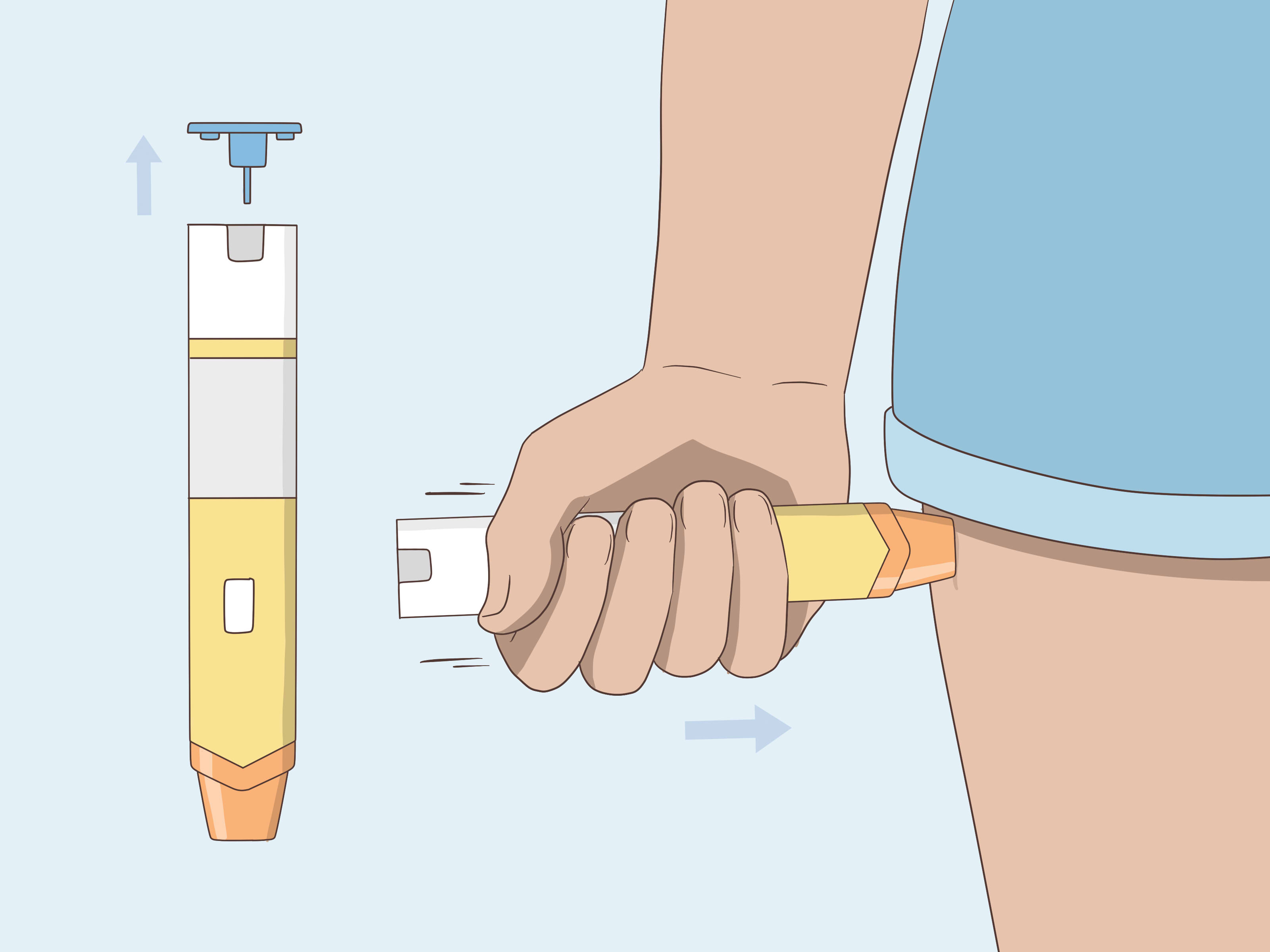
These symptoms may signal anaphylaxis, a severe allergic reaction that can become life-threatening. If the person has a prescribed epinephrine auto-injector, use it as directed and still seek emergency medical care. Epinephrine is the first-line emergency treatment for severe allergic reactions, but symptoms can return, so professional follow-up matters.
3. Remove the Stinger Quickly
If you can see a stinger, remove it as soon as possible. Use a fingernail, the edge of a credit card, or a piece of gauze to scrape it away from the skin. Speed is more important than perfection. The longer a honeybee stinger remains in place, the more venom may enter the skin.
Try not to squeeze the venom sac if it is visible. Do not dig deeply with sharp objects, because turning a small sting into a mini excavation project can irritate the skin and raise infection risk. If you do not see a stinger, do not panic. Wasps, hornets, and some other stinging insects usually do not leave one behind.
4. Wash the Sting with Soap and Water
Once the stinger is out, wash the area gently with soap and water. This helps remove dirt, sweat, pollen, and bacteria from the skin. You do not need fancy cleansers, dramatic scrubbing, or a bathroom counter full of products. Basic soap and clean water are enough.
Pat the area dry with a clean towel. If the sting is on a hand or foot, remove rings, bracelets, tight socks, or snug shoes early. Swelling can make jewelry or tight clothing uncomfortable, and nobody wants a bee sting to turn into a “why is this ring suddenly a medieval hand trap?” situation.
5. Apply a Cold Compress to Reduce Swelling
A cold compress is one of the most reliable ways to reduce bee sting swelling and pain. Wrap ice or a cold pack in a thin towel and apply it to the sting for 10 to 20 minutes at a time. Repeat as needed during the first several hours.
Do not place ice directly on the skin, because that can cause irritation or cold injury. A bag of frozen peas works beautifully if you do not mind giving your vegetables a temporary medical career. Cold helps narrow blood vessels, slow swelling, and numb the area enough to make the sting less annoying.
6. Elevate the Area if the Sting Is on an Arm or Leg
If the sting is on a hand, foot, arm, or leg, raise the area above heart level when possible. Elevation helps fluid drain away from the sting site and may reduce swelling. This is especially useful for finger stings, ankle stings, and foot stings, which often swell more because fluid naturally collects in lower areas of the body.
For example, if you were stung on the ankle while gardening, lie down and prop your foot on pillows for 20 to 30 minutes while using a cold compress. If you were stung on the hand, rest it on a pillow instead of letting it hang at your side. Simple? Yes. Surprisingly helpful? Also yes.
7. Use Over-the-Counter Pain Relief if Needed
Bee stings can throb, burn, or ache after the initial sharp pain fades. Over-the-counter pain relievers such as acetaminophen or ibuprofen may help reduce discomfort. Always follow the label directions and avoid medicines you have been told not to take.
Ibuprofen and similar anti-inflammatory medicines may be helpful for swelling-related discomfort, but they are not right for everyone, especially people with certain stomach, kidney, bleeding, or medication-related concerns. When in doubt, ask a pharmacist, doctor, or other qualified healthcare professional.
8. Calm Itching with Antihistamines or Topical Creams
Itching often shows up after the first wave of pain. For mild itching and swelling, an oral antihistamine may help. Some antihistamines can cause drowsiness, so read the label carefully, especially if you need to drive, study, work, or operate anything more complicated than a sandwich.
Topical options may also help. Calamine lotion, 0.5% or 1% hydrocortisone cream, or an over-the-counter insect sting product can ease itching and irritation. Apply only as directed. Avoid putting creams on broken skin unless the product label says it is safe to do so.
9. Avoid Scratching, Squeezing, or Using Questionable Home Remedies
Scratching a bee sting may feel satisfying for three glorious seconds, but it can break the skin and increase infection risk. Squeezing the sting site can also irritate tissue and make swelling worse. Keep the area clean, cool, and protected.
Many home remedies for bee stings travel around the internet wearing a lab coat they did not earn. Baking soda paste may feel soothing for some people, but strong evidence for many homemade treatments is limited. Avoid harsh substances, essential oils on irritated skin, toothpaste, bleach, ammonia, or anything that sounds like it belongs under the kitchen sink rather than on your body.
10. Monitor Swelling and Know When to Get Medical Help
Bee sting swelling may increase over the first day or two, then gradually improve. Watch the area for signs of infection, including worsening redness, increasing warmth, pus, red streaks, fever, or pain that gets worse instead of better. Seek medical care if these symptoms appear.
You should also contact a healthcare professional if swelling is very large, the sting is near the eye or inside the mouth, symptoms last more than a few days without improvement, or you have been stung many times. A sting inside the mouth or throat can be dangerous because swelling may affect breathing. That is not a “let’s see how it looks tomorrow” situation.
Normal Bee Sting Swelling vs. Allergic Reaction
It is easy to worry when a sting swells, especially if the area looks red, shiny, or puffy. A normal local reaction usually includes pain, redness, warmth, itching, and swelling close to the sting. A larger local reaction may spread beyond the immediate sting site but still stays in one general area, such as the forearm or lower leg.
An allergic reaction is different because it affects the body more broadly. Warning signs include hives away from the sting, facial swelling, throat tightness, trouble breathing, dizziness, fainting, stomach cramps, vomiting, or a sudden feeling of weakness. These symptoms need immediate medical attention.
How Long Does Bee Sting Swelling Last?
Mild swelling often improves within a few hours. Moderate swelling may last a couple of days. Large local reactions can last longer, sometimes several days, and may feel itchy or tight as they heal. The swelling should gradually trend in the right direction. If it keeps expanding, becomes more painful, or comes with fever or drainage, get checked.
A helpful trick is to lightly mark the edge of the swelling with a washable pen and write the time beside it. If the redness or swelling moves far beyond the mark over several hours, that information can help you decide whether to call a healthcare professional.
What Not to Do After a Bee Sting
Do not ignore serious allergic symptoms. Do not wait to remove a visible stinger. Do not apply ice directly to bare skin. Do not scratch until the area opens. Do not use random chemical “remedies” from social media. And do not assume that a past mild reaction guarantees every future sting will be mild.
People with a known bee sting allergy should talk with a healthcare professional about carrying prescribed epinephrine and wearing medical identification. If you have ever had a severe reaction, prevention and preparedness are part of treatment.
How to Prevent Bee Stings in the Future
You cannot bubble-wrap your entire life, but you can reduce sting risk. Wear shoes outdoors, especially in grass. Use caution around flowering plants, trash cans, open soda cans, fruit bowls, and outdoor food. Avoid strong perfumes or scented lotions when spending time outside. Keep food covered during picnics, and look before grabbing a drink can. Bees and wasps love sweet drinks, because apparently they also enjoy ruining cookouts.
If a bee flies near you, stay calm and move away slowly. Swatting can make stinging insects more defensive. If you find a nest near your home, do not try to remove it yourself unless you know exactly what you are doing. Professional pest control is safer for large or active nests.
Experience-Based Tips: What Bee Sting Swelling Feels Like in Real Life
Anyone who has been stung by a bee knows the first few seconds are not subtle. There is usually a sharp, hot pain that makes you look at the sting site with deep personal betrayal. The swelling may not seem impressive at first. Then, an hour later, your finger looks like it is auditioning to become a breakfast sausage. This delayed swelling is common, especially on hands and feet.
One practical experience many people share is that the first five minutes matter. Moving away from the area, removing the stinger, and washing the skin quickly can make the rest of the day easier. People sometimes waste time arguing with the bee emotionally. Understandable, but not useful. The bee has already left the customer service department.
Cold compresses are often the biggest comfort tool. A wrapped ice pack can calm the burning feeling and make the swelling less intense. The trick is consistency. Applying cold once for two minutes while scrolling your phone may not do much. Using it for 10 to 20 minutes, taking a break, and repeating it later can make a noticeable difference.
Elevation also feels boring until it works. A swollen hand feels worse when it hangs at your side because fluid pools there. Resting it on a pillow can reduce pressure and throbbing. For foot stings, loosening shoes and raising the foot early can prevent that tight, pulsing feeling that makes walking unpleasant.
Itching is another stage people underestimate. The sting may hurt less after a few hours but start itching like the skin has developed a tiny personal vendetta. This is when scratching becomes tempting. A better approach is to use a cold compress again, apply an appropriate anti-itch cream, or ask a pharmacist about an antihistamine. Keeping nails away from the sting helps prevent broken skin and infection.
Another real-world lesson: take off rings quickly after a hand sting. Many people wait because the swelling looks small at first. Then the finger puffs up, and the ring becomes a problem. Removing tight jewelry early is simple and can save stress later.
It is also helpful to take a photo of the sting area if swelling looks large. A photo gives you a comparison point and helps you explain changes to a doctor if needed. If the swelling is improving, the photos can reassure you. If redness spreads dramatically or the area becomes more painful, the photos can show that clearly.
For parents, coaches, teachers, and outdoor workers, the best experience-based advice is to stay calm but observant. Most stings are manageable, but the first hour matters for spotting allergic reactions. Watch the person, not just the sting. A child who is breathing normally, talking, and mainly complaining about pain is different from a child who becomes dizzy, wheezy, pale, or covered in hives.
Finally, prevention becomes much more convincing after you have had one swollen sting. Wearing shoes in clover-filled grass, checking cups before drinking outside, and keeping picnic food covered suddenly feel less like “extra caution” and more like basic survival wisdom. Bees are important pollinators, and most are not looking for trouble. But a little awareness helps humans and bees stay in their own lanes, which is truly the dream.
Conclusion
Bee sting swelling is usually uncomfortable rather than dangerous, and most cases can be managed with quick first aid: move away from the area, check for allergic symptoms, remove the stinger, wash the skin, apply a cold compress, elevate the area, and use appropriate over-the-counter relief if needed. The most important part is knowing when swelling is normal and when it is a warning sign.
Local redness, itching, and swelling often improve with time and simple care. But trouble breathing, swelling of the face or throat, dizziness, widespread hives, repeated vomiting, or faintness requires emergency medical help. Treat the sting, respect the symptoms, and do not let one tiny insect become the boss of your entire afternoon.