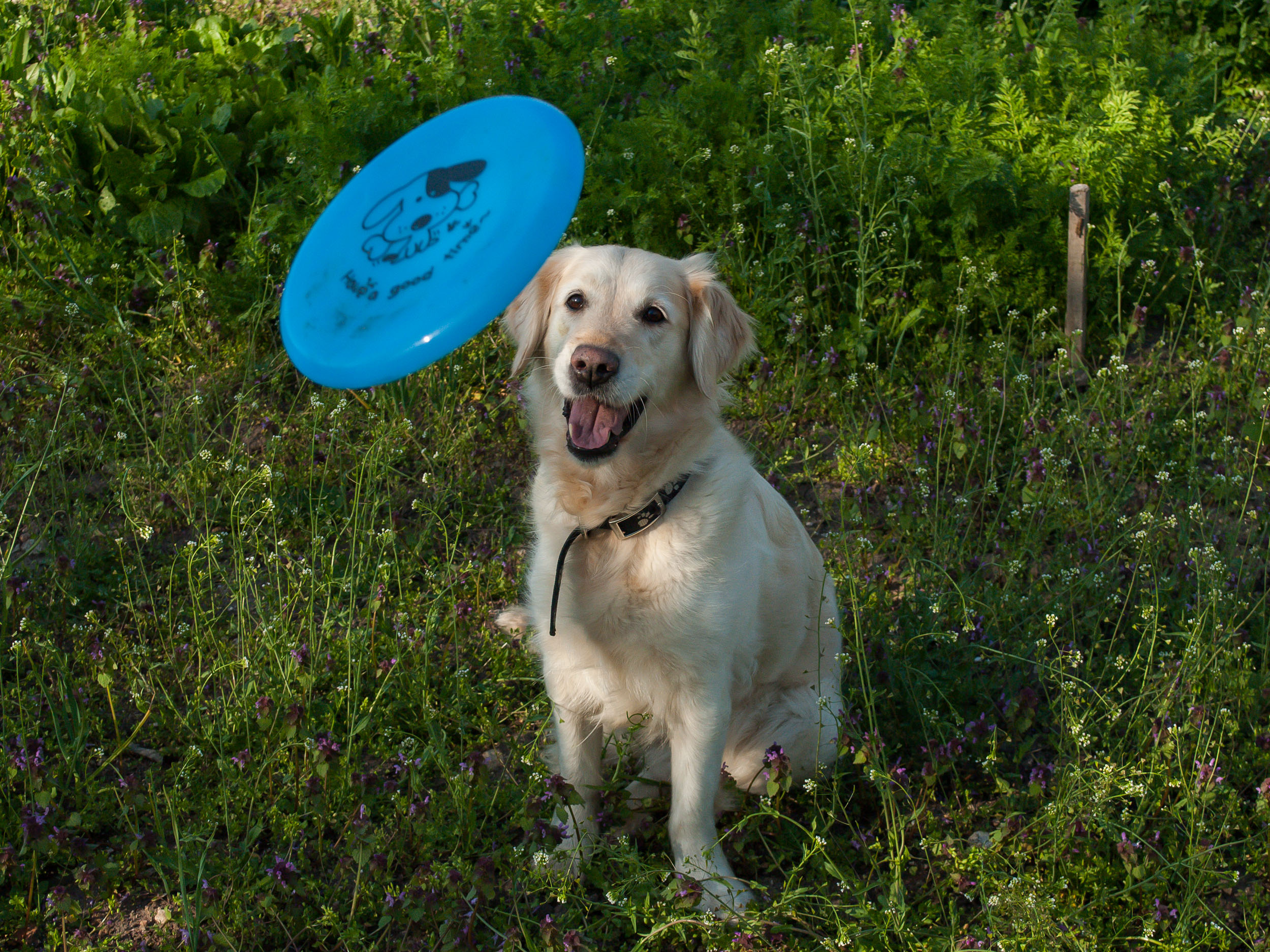
Teaching your dog how to catch a Frisbee is one of those activities that looks effortless when you see it at the park. A dog sprints across the grass, the disc floats like a tiny UFO, and suddenlysnap!your four-legged athlete plucks it from the air like a furry superhero. Meanwhile, your first attempt may involve your dog staring at the Frisbee as if you just threw a dinner plate into the yard.
Good news: Frisbee catching is a learned skill. Even dogs with strong chase instincts need help understanding how to track a flying disc, time the catch, return it, and avoid turning the game into “keep-away,” which, as every dog knows, is the superior comedy routine.
This guide walks you through how to teach a dog to catch a Frisbee in 10 practical steps. You will learn how to choose the right disc, build interest, introduce rollers, improve timing, add safe air throws, and keep your dog’s body protected. The goal is not to create a canine circus act overnight. The goal is to build a safe, fun, confidence-boosting game that your dog actually wants to play.
Before You Start: Is Frisbee Right for Your Dog?
Frisbee can be fantastic exercise, but it is not ideal for every dog. High-impact jumping, twisting, skidding, and sudden braking can stress joints, muscles, and ligaments. Puppies, senior dogs, overweight dogs, dogs with arthritis, and breeds with short legs or flat faces may need a gentler version of the game. When in doubt, ask your veterinarian before beginning serious disc dog training.
Healthy adult dogs with good mobility, enthusiasm for toys, and basic obedience are usually better candidates. Border Collies, Australian Shepherds, Labrador Retrievers, Belgian Malinois, Terriers, and mixed-breed “rocket dogs” often love disc games, but breed is not destiny. Some couch-loving Bulldogs prefer snacks and moral support. Respect that.
What You Need to Teach a Dog to Catch a Frisbee
Start with simple equipment and a safe space. You do not need a stadium, a scoreboard, or dramatic sports music. You need:
- A dog-safe flying disc made for canine play
- A flat grassy area with good footing
- Small treats or a second toy for rewards
- A leash or long line if your dog is still learning recall
- Short sessions of 5 to 10 minutes
- Patience, cheerfulness, and the emotional strength to retrieve your own bad throws
Avoid hard plastic Ultimate-style discs. They can be too heavy and rough for a dog’s mouth. Choose a soft, flexible, dog-safe disc that suits your dog’s size and bite style. Inspect it often. If it becomes cracked, sharp, or chewed into tiny plastic confetti, retire it immediately.
How to Teach a Dog How to Catch a Frisbee: 10 Steps
Step 1: Build Interest in the Frisbee
Do not begin by launching the Frisbee across the yard and hoping instinct handles the rest. First, make the disc interesting. Hold it low, move it gently from side to side, and let your dog sniff it. Praise any curiosity. If your dog touches it with their nose or mouth, reward them.
You can smear a tiny bit of dog-safe peanut butter on the center or place treats on top of the disc to create a positive association. The message is simple: “This weird flying pancake brings good things.”
If your dog is cautious, keep this stage calm. Some dogs need one session; others need several. Never shove the disc into your dog’s face. That is rude in both human and dog culture.
Step 2: Teach Your Dog to Take the Disc From Your Hand
Hold the Frisbee at your dog’s mouth level. Encourage your dog to grab the rim by saying a cue such as “take it.” When your dog bites or holds the disc, praise immediately. Keep the mood playful and light.
At first, reward even a quick mouth touch. Then gradually ask for a firmer grip. This step helps your dog understand that the correct target is the edge of the disc, not your sleeve, your shoelace, or the air beside the disc.
You can turn this into a tiny tug game, but keep it gentle. Disc training should build drive without creating frantic behavior. If your dog becomes too excited, pause and ask for a sit or hand target before continuing.
Step 3: Add a Reliable “Drop It” Cue
A Frisbee dog who catches beautifully but refuses to release the disc has invented a different sport. Before you throw, teach “drop it.” Offer a treat or second toy near your dog’s nose and say “drop.” When the disc falls from their mouth, praise and reward.
Do not yank the disc away. Tugging it out of your dog’s mouth can make them clamp down harder. Instead, trade. Your dog learns that giving up the disc makes the game continue. That lesson is magic.
Practice take, hold, and drop several times before moving to throws. These foundation skills make Frisbee catching smoother, safer, and far less like negotiating with a tiny lawyer in a fur coat.
Step 4: Start With Rollers, Not Flying Throws
A roller is a disc rolled on its edge along the ground. It is one of the best beginner tools because it activates your dog’s chase instinct without requiring jumping or aerial timing.
Stand close to your dog and roll the Frisbee across the grass like a wheel. Encourage your dog to chase it. When they pick it up, celebrate. If they bring it back, throw a parade in your voice. If they run away with it, use a second disc or treat to invite them back rather than chasing them.
Rollers help your dog learn the shape, movement, and reward pattern of the disc. They are also useful for puppies and lower-impact play because the dog stays mostly on the ground.
Step 5: Practice Short Tosses at Mouth Height
Once your dog loves rollers and understands the game, move to short tosses. Stand only a few feet away. Toss the Frisbee gently toward your dog at mouth height, not over their head. Think “soft floating pass,” not “quarterback at the Super Bowl.”
Your first goal is not distance. It is timing. Your dog needs to see the disc, move toward it, open their mouth, and succeed. A short, easy toss builds confidence. A wild throw that lands in a shrub teaches your dog that humans are unreliable disc machines.
Reward attempts, not just perfect catches. If your dog tracks the Frisbee or snaps toward it, praise them. Confidence grows from small wins.
Step 6: Throw Away From Your Dog, Not At Your Dog
Many beginners throw the disc directly at the dog. That can be confusing and may cause the disc to smack the dog in the face. Instead, teach your dog to chase the Frisbee in the same direction it is traveling.
Start with your dog beside you. Toss the disc forward and slightly away so your dog runs after it. This creates a natural chase line. The Frisbee should float ahead of your dog, giving them time to catch up and grab it.
A good beginner throw is low, level, and predictable. Your dog should not need to leap dramatically. Keep all early catches close to the ground.
Step 7: Reward the Return
The catch is only half the game. The return matters too. After your dog gets the disc, encourage them to come back with happy body language. Step backward, clap, or show a second disc. When they return, ask for “drop it,” reward, and quickly throw again.
Many dogs return faster when they learn that bringing the disc back makes the fun continue. If your dog likes to run laps with the Frisbee, avoid chasing them. Chasing teaches them that stealing the disc turns you into entertainment. Instead, move away, kneel, or use another disc to reset the game.
Keep your recall cue positive. Never call your dog to you and then scold them for taking too long. That turns “come” into “uh-oh.”
Step 8: Improve Your Own Throwing Skills
Here is the awkward truth: most Frisbee problems are human throwing problems wearing a dog-training costume. Your dog cannot catch a disc that wobbles sideways, dives into the dirt, or sails into the neighbor’s barbecue.
Practice without your dog. Throw at a target. Work on smooth wrist snap, level release, and consistent height. A safe throw should lead your dog forward, stay low enough to avoid risky vertical jumps, and land in a predictable path.
If your dog misses often, do not assume they are bad at Frisbee. Check your throw. The disc should float like an invitation, not arrive like a surprise tax bill.
Step 9: Keep Sessions Short and End on a Win
Frisbee is exciting, and excited dogs often forget they have bodies. Keep sessions shortabout 5 to 10 minutes for beginners. Stop before your dog is exhausted, overheated, or mentally fried.
End with something easy: a roller, a short catch, or a simple take-and-drop. Then put the disc away. This keeps the toy special and prevents destructive chewing.
Watch for signs your dog needs a break: slowing down, heavy panting, sloppy turns, refusing to return, missing easy catches, or suddenly becoming more interested in grass than the game. Dogs are honest trainers. Listen to the feedback.
Step 10: Add Distance and Difficulty Gradually
Once your dog is confidently catching short throws, slowly increase distance. Add only one challenge at a time. Do not increase distance, speed, height, distractions, and fancy spins all in the same session. That is not training; that is chaos with a disc.
Move from 5 feet to 8 feet, then 10 feet, then farther as your dog succeeds. Keep throws low and safe. Avoid encouraging your dog to twist in midair, launch vertically, or land awkwardly. The best Frisbee training protects your dog’s long-term health while building skill.
If you want to explore competitive disc dog sports, consider a local class with an experienced trainer. A good coach can help with safe throwing mechanics, canine conditioning, and beginner-friendly games.
Common Mistakes When Teaching a Dog to Catch a Frisbee
Using the Wrong Disc
Hard, heavy, cracked, or sharp discs can hurt your dog’s mouth. Use a disc designed for dogs and replace it when damaged.
Throwing Too High Too Soon
Big jumps may look impressive, but beginners should learn low, controlled catches first. Safety beats dramatic photos every time.
Training Too Long
A tired dog is more likely to make sloppy movements and get injured. Short, happy sessions create better results than marathon practice.
Skipping the Return
If you only teach the chase and catch, your dog may invent “Frisbee possession law.” Reward the return early and often.
Getting Frustrated
Dogs learn best through positive reinforcement. If either of you gets annoyed, stop. Tomorrow’s session will be better, especially after snacks and emotional recovery.
Safety Tips for Disc Dog Training
Warm your dog up before Frisbee play with a few minutes of walking, gentle trotting, hand targets, spins in both directions, or easy obedience cues. Cool down afterward with relaxed walking. This helps transition your dog’s muscles and joints into and out of activity.
Choose soft, level ground. Avoid pavement, slippery floors, holes, rocks, and wet grass that turns your dog into a four-legged sled. Play during cooler parts of the day, especially in warm weather. Bring water and stop if your dog seems overheated.
For puppies, keep disc play low impact. Their bodies are still developing, so rollers and ground-level games are better than jumping catches. For senior dogs, use slower rollers, shorter throws, and fewer repetitions. Frisbee should be adapted to the dog in front of you, not the highlight reel in your head.
Best Dogs for Frisbee Training
The best Frisbee dogs are not always the fastest dogs. They are dogs who enjoy chasing, playing with toys, engaging with their handler, and returning for another round. Athletic breeds often excel, but many mixed-breed dogs become excellent disc partners.
A great candidate usually has three qualities: toy motivation, physical soundness, and a willingness to interact. If your dog prefers sniffing, hiking, swimming, or supervised napping, that is not failure. That is personality. A dog does not need to catch a Frisbee to be brilliant. Some dogs specialize in being adorable furniture inspectors.
Troubleshooting: What If Your Dog Will Not Catch the Frisbee?
If Your Dog Ignores the Disc
Make the disc more valuable. Use it as a food plate, play gentle tug, or reward any interaction. Try a softer disc if the current one feels uncomfortable.
If Your Dog Chases but Does Not Pick It Up
Go back to hand takes. Reward mouth contact with the rim. Then try short rollers again.
If Your Dog Picks It Up but Runs Away
Use two discs. When your dog has one, show the second and make it exciting. Many dogs will return because the next throw is suddenly more interesting.
If Your Dog Misses Every Catch
Shorten the distance. Lower the throw. Practice your release. Your dog may simply need easier passes and more predictable flight.
If Your Dog Gets Too Excited
Mix in calm cues such as sit, down, hand target, or eye contact. Frisbee should build focus, not turn your dog into a caffeinated kangaroo.
Real-Life Experience: What Teaching a Dog Frisbee Actually Feels Like
The first time many owners try to teach a dog to catch a Frisbee, they imagine instant magic. They picture the dog racing gracefully, the disc hovering in golden sunlight, and everyone at the park politely applauding. The reality is often less cinematic. The disc flops. The dog chases a leaf. The owner says, “Ready?” with great confidence and then throws the Frisbee directly into the ground two feet away.
That is normal. The best Frisbee teams are built through tiny improvements, not perfect first attempts. One helpful experience is to treat the first week as “disc curiosity week,” not “catching week.” Let the dog win easy games. Roll the disc. Trade for treats. Celebrate small bites on the rim. When the pressure disappears, many dogs become more interested.
Another practical lesson: your dog’s motivation may change by location. In the backyard, your dog may look like a future champion. At the park, the same dog may suddenly discover squirrels, joggers, picnic crumbs, and one mysterious patch of grass that apparently contains breaking news. Begin in a boring place. Add distractions later. A quiet yard is a classroom; a busy dog park is a final exam.
Owners also learn that timing matters. If you throw when your dog is looking away, they cannot track the disc. If you throw too late, they may run past the target. If you throw too high, they may leap awkwardly. Good handlers learn to watch the dog’s line, speed, and attention before releasing the disc. A simple cue like “go” or “ready” can help your dog prepare for the throw.
One of the most useful experiences is discovering the power of the second disc. Many dogs do not naturally bring the first disc back because possession feels rewarding. But when the owner produces another disc and makes it come alive, the dog often returns quickly. The lesson becomes: “Bring that one back, and another fun thing happens.” This turns the return into part of the game rather than a boring interruption.
You may also notice that some days are not Frisbee days. Maybe your dog is tired, the weather is hot, the grass is slippery, or your own throwing arm has transformed into a noodle. On those days, do three easy rollers and stop. Ending early is not laziness; it is smart training. Dogs remember the emotional tone of a session. A short, successful game builds more enthusiasm than a long, messy one.
The biggest real-world lesson is that Frisbee is about teamwork. Your dog is not a machine, and you are not just a disc launcher with shoes. You are reading each other. You learn your dog’s favorite direction, best distance, comfort level, and stamina. Your dog learns your cues, body language, and throw patterns. Somewhere between the missed catches and the surprise victories, you build a shared language. And when your dog finally snatches that first clean catch from the air, you will celebrate like you just won a national championship. Your dog, naturally, will wonder why you are so emotional about a plastic circle.
Conclusion
Teaching your dog how to catch a Frisbee is a step-by-step process built on safety, patience, and play. Start by creating a positive association with the disc. Teach take, drop, and return before expecting dramatic catches. Use rollers to build chase drive, then progress to short, low, easy tosses. Practice your own throwing skills, keep sessions brief, and always protect your dog’s body with warm-ups, soft footing, and sensible limits.
The best Frisbee training does not force a dog into performance. It invites the dog into a game. When your dog understands the rules and trusts that the game is fun, catches begin to happen naturally. And if your dog never becomes a flying-disc superstar? That is perfectly fine. You still spent time together, built communication, and gave your dog a joyful reason to wag. That counts as a win.