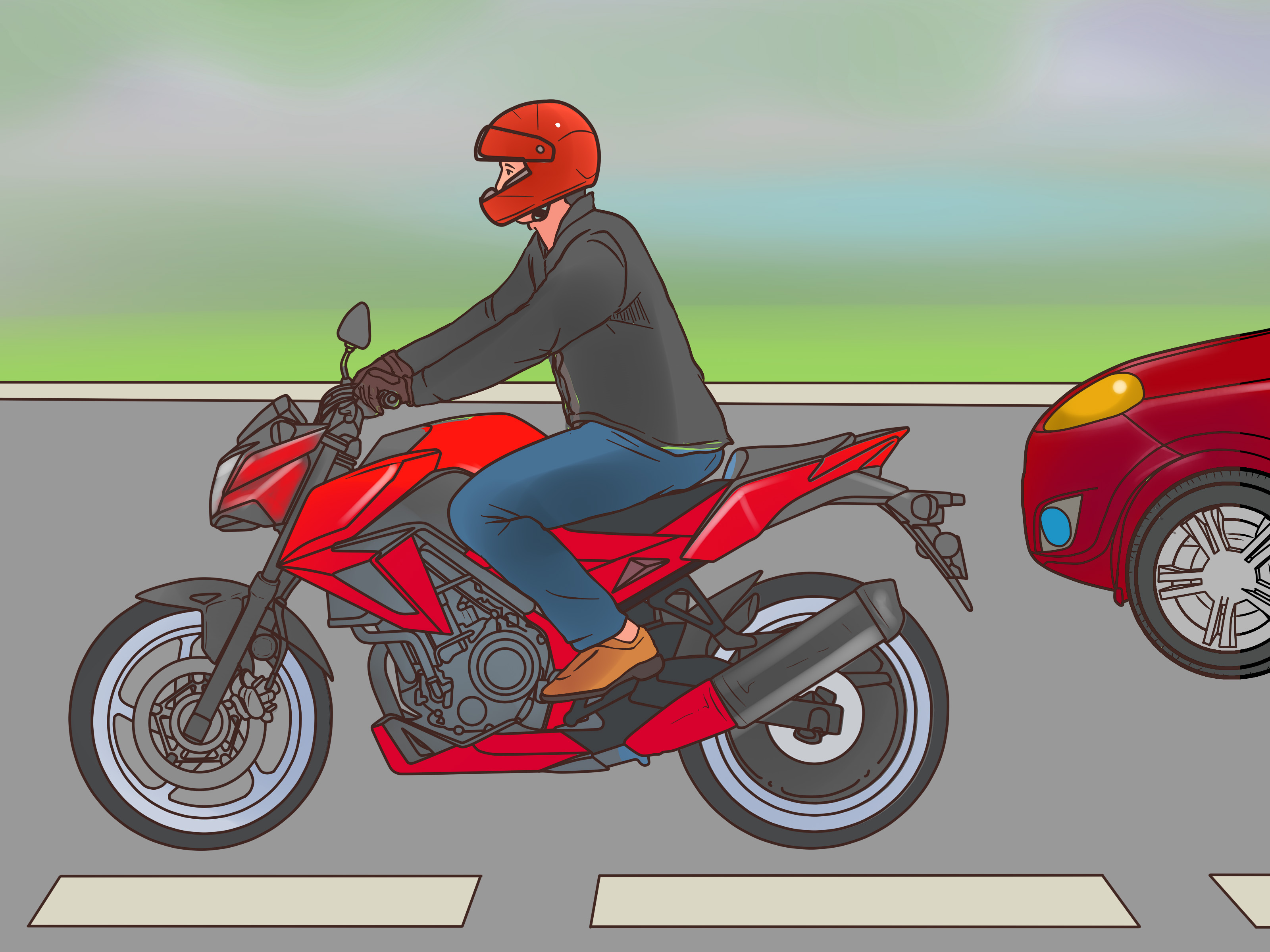
Learning how to ride a motorcycle is exciting, slightly intimidating, and, yes, a little humbling. One minute you are picturing yourself cruising down a scenic highway like a movie hero. The next minute you are trying to remember which hand controls the clutch and why the bike sounds annoyed with you. That is normal. Every confident rider started as a beginner who once wobbled through a parking lot and wondered if first gear was a personal enemy.
This beginner’s guide explains the basics of motorcycle riding in plain English: what gear you need, how the controls work, how to start, stop, shift, turn, and practice safely. It is not a replacement for a certified motorcycle safety course, but it will help you understand what to expect before you put on your helmet and meet the machine.
The main rule is simple: riding a motorcycle is a skill, not a vibe. Confidence is earned through training, practice, patience, and respect for the road. The good news? Once the basics click, riding becomes one of the most rewarding ways to travel.
Before You Ride: Start With Training, Not Guesswork
If you are serious about learning how to ride a motorcycle, begin with a beginner motorcycle safety course. In the United States, many new riders take a Basic RiderCourse through the Motorcycle Safety Foundation or a state-approved program. These courses usually combine classroom or online learning with hands-on practice in a controlled riding range.
A course teaches you the foundations: clutch control, throttle control, braking, shifting, turning, scanning for hazards, and emergency maneuvers. More importantly, it gives you a safe place to make beginner mistakes. Dropping a training bike at five miles per hour in a parking lot is embarrassing. Making the same mistake in traffic is much less charming.
Many states also require a motorcycle endorsement or license. Some states waive part of the licensing test if you successfully complete an approved rider course. Because rules vary by state, check your local DMV or licensing agency before riding on public roads.
Get the Right Motorcycle Gear
Motorcycle gear is not about looking tough. It is about keeping your skin, bones, eyes, and brain on the same team. Beginners should dress for the ride, not the weather app alone.
Helmet
Choose a DOT-compliant motorcycle helmet that fits snugly around the crown and cheeks. Full-face helmets offer the most coverage, including protection for your chin and face. Open-face helmets may feel breezy, but bugs, gravel, rain, and wind do not care about your aesthetic.
Jacket and Pants
Wear motorcycle-specific clothing made from abrasion-resistant materials such as leather, textile, Kevlar blends, or armored riding denim. A regular hoodie may make you feel casual, but asphalt is aggressively anti-casual.
Gloves
Use full-finger motorcycle gloves with palm protection. In a fall, your hands usually try to save the rest of you. Reward them with proper gear.
Boots
Wear over-the-ankle boots with sturdy soles. Motorcycle boots help protect your ankles, improve grip, and make shifting easier. Flip-flops belong at the beach, not near a hot exhaust pipe.
Eye Protection
If your helmet does not have a face shield, use motorcycle-rated goggles or glasses. Your eyes need protection from wind, dust, insects, and road debris.
Choose a Beginner-Friendly Motorcycle
A good first motorcycle should be manageable, comfortable, and forgiving. Many beginners do well with smaller-displacement standard bikes, lightweight cruisers, small dual-sports, or beginner sport bikes. A motorcycle that is too tall, too heavy, or too powerful can slow your learning and increase your stress.
When sitting on the bike, you should be able to reach the controls comfortably. Ideally, both feet should touch the ground with confidence, especially while learning. You do not need the biggest motorcycle in the showroom. Your first bike should teach you, not audition you for a stunt show.
Know the Motorcycle Controls
Before starting the engine, learn where everything is. Sit on the motorcycle with the engine off and practice touching each control until it feels familiar.
Throttle
The throttle is on the right handlebar. Roll it gently toward you to increase engine speed and roll it away to reduce power. Smooth throttle control is essential. Treat it like a volume knob, not a light switch.
Front Brake
The front brake lever is also on the right handlebar. It provides much of your stopping power, so learn to squeeze it progressively instead of grabbing it suddenly.
Rear Brake
The rear brake pedal is operated by your right foot. It helps stabilize the motorcycle, especially at low speeds, and works together with the front brake for controlled stops.
Clutch
The clutch lever is on the left handlebar. It disconnects power from the engine to the rear wheel so you can start, stop, and shift gears. The key beginner skill is finding the friction zone, the small range where the clutch begins transferring power and the motorcycle starts to move.
Gear Shifter
The gear shifter is operated by your left foot. Most motorcycles use a pattern of one gear down and the rest up: first gear is down, neutral is between first and second, and higher gears are clicked upward.
Do a Pre-Ride Inspection
Before every ride, give the motorcycle a quick inspection. A common method is T-CLOCS: tires and wheels, controls, lights and electrics, oil and fluids, chassis, and stands.
Check tire pressure when the tires are cold. Look for cracks, nails, low tread, or uneven wear. Test the brakes, clutch, throttle, horn, lights, and turn signals. Look for leaks. Make sure the chain or belt is in good condition. Confirm the side stand is fully up before riding.
This takes only a few minutes, and it can save you from discovering a problem at the worst possible time, such as halfway through a turn or in front of a gas station audience.
How to Start a Motorcycle
Start in a flat, open area with no traffic. A quiet parking lot is ideal. Put on your gear, mount the motorcycle from the left side, and sit upright with both feet on the ground.
- Make sure the motorcycle is in neutral.
- Turn the ignition on.
- Check that the engine cut-off switch is in the run position.
- Pull in the clutch lever.
- Press the starter button.
- Let the engine settle for a moment before moving.
Do not rev the engine dramatically. You are not announcing the arrival of a thunderstorm. Smooth and calm is the goal.
How to Get Moving Without Stalling
Stalling is part of learning. It does not mean you are bad at riding. It means the motorcycle asked for more coordination and you briefly answered with confusion.
To move from a stop, pull in the clutch and shift into first gear. Keep your eyes up, not staring at the front tire. Slowly ease the clutch lever out until you feel the motorcycle begin to pull forward. That is the friction zone. Add a small amount of throttle and continue easing the clutch out smoothly.
Practice this several times. Start, roll a few feet, stop, and repeat. The goal is not speed. The goal is control. Once your clutch hand and throttle hand learn to cooperate, the motorcycle will feel much less mysterious.
How to Shift Gears Smoothly
To shift up, roll off the throttle, squeeze the clutch, lift the shift lever firmly with your left foot, ease the clutch out, and roll the throttle back on. Make each step smooth and deliberate.
To downshift, roll off the throttle, squeeze the clutch, press the shift lever down, and ease the clutch out gradually. Downshifting too aggressively can make the motorcycle lurch or cause the rear wheel to lose traction. Beginners should downshift one gear at a time and avoid rushing.
At a stop, shift back into first gear so you are ready to move if traffic behind you becomes a problem. Keep the clutch pulled in and cover the brakes while waiting.
How to Brake on a Motorcycle
Good braking is one of the most important motorcycle riding skills. Use both brakes for normal stops. Squeeze the front brake progressively while pressing the rear brake smoothly. As you slow, pull in the clutch before the engine begins to lug or stall.
Practice stopping in a straight line. Start at low speeds and gradually increase as your skill improves. Keep your eyes up and your handlebars straight. Do not grab the front brake suddenly, especially when leaned over in a turn.
If your motorcycle has ABS, it can help reduce wheel lock during hard braking, but it does not cancel physics. You still need space, traction, and good judgment.
How to Turn a Motorcycle
At low speeds, turning is mostly about balance, clutch control, rear brake control, and looking where you want to go. Your motorcycle tends to follow your eyes, so look through the turn instead of down at the pavement. The pavement is not going anywhere. You do not need to supervise it.
At higher speeds, motorcycles turn by leaning. A common technique is press and lean: gently press the handlebar in the direction you want to go. To turn right, press the right handlebar. To turn left, press the left handlebar. This input helps the motorcycle lean and follow the curve.
Slow before the turn, look through the turn, maintain steady throttle, and accelerate gently as you exit. Avoid braking hard in the middle of a corner unless necessary.
Practice Low-Speed Skills
Low-speed control is where beginners build real confidence. Practice straight-line starts, smooth stops, wide turns, U-turns, figure eights, and slow riding. Use the friction zone, light throttle, and gentle rear brake pressure to stabilize the bike.
Many new riders want to rush toward faster roads because going straight at speed feels easier than making a tight turn in a parking lot. Resist that temptation. A rider who can control the motorcycle at walking speed will be more relaxed and capable in real traffic.
Learn to Scan and Predict
Motorcycle riding is not just operating controls. It is also reading the road. Scan far ahead, check mirrors, watch intersections, notice road surfaces, and leave space around you. Look for cars waiting to turn left, drivers drifting in their lanes, gravel in corners, wet paint lines, potholes, and doors that may open from parked cars.
Use a simple mental routine: search, evaluate, and execute. Search for hazards, evaluate what they might do, and execute the safest response. The earlier you spot a problem, the more options you have. Panic is usually what happens when planning arrives late.
Common Beginner Mistakes
Looking Down
Beginners often stare at the front wheel, the controls, or the obstacle they want to avoid. Look where you want to go. Your eyes are the motorcycle’s GPS.
Grabbing the Brakes
Sudden braking can upset the bike, especially on slick surfaces. Practice progressive brake pressure until it becomes automatic.
Riding Too Fast Too Soon
Speed can hide weak technique. Build skill before adding speed. Smooth riders are usually safer riders.
Skipping Gear
Short rides still deserve full protective gear. Most crashes do not politely schedule themselves for long trips only.
Following Too Closely
Motorcycles need space to react. Keep a generous following distance and avoid riding in blind spots.
When You Are Ready for the Road
Your first street rides should be simple. Choose quiet roads, good weather, daylight, and low traffic. Avoid highways, night riding, passengers, rain, and busy urban areas until you have more experience.
Plan a short route before leaving. Practice smooth starts at stop signs, gentle turns, lane positioning, mirror checks, and calm stops. End the ride before you are tired. Fatigue makes beginners sloppy, and sloppy is not a riding style worth developing.
Conclusion
Learning how to ride a motorcycle is a process of building small skills until they become one smooth habit. Start with a certified motorcycle safety course, wear proper gear, choose a beginner-friendly bike, learn the controls, practice in a safe area, and respect your limits. The goal is not to look cool on day one. The goal is to become the kind of rider who can enjoy thousands of miles because they learned the right way from the beginning.
Motorcycling rewards patience. It teaches focus, balance, awareness, and humility. Some days you will feel graceful. Other days you will stall at a stop sign and pretend you meant to do that. Keep practicing. Every good rider has a few awkward parking lot stories. The difference is that they learned from them.
Beginner Riding Experience: What It Really Feels Like at First
The first time many beginners sit on a motorcycle, the bike feels heavier than expected. It is not impossible to manage, but it suddenly becomes clear that this is not a bicycle with a gym membership. The handlebars feel wide, the clutch feels sensitive, and the gear shifter seems to speak a language made entirely of clicks. That first moment is where patience matters most.
A helpful beginner experience is to spend time with the motorcycle before riding anywhere. Sit on it with the engine off. Practice reaching for the clutch, front brake, rear brake, throttle, turn signals, horn, and engine cut-off switch. Rock the bike gently upright from the side stand and feel its balance point. This quiet practice removes some of the panic before the engine adds noise to the conversation.
The first real challenge is usually the friction zone. Many new riders release the clutch too quickly and stall. Then they restart, release it too quickly again, and begin wondering whether the motorcycle has trust issues. The fix is simple but not instant: slow down your clutch hand. Let the clutch out little by little until the bike begins to move. Hold it there. Feel the machine pull forward. Then add a tiny bit of throttle. Once this clicks, the motorcycle feels less like a wild animal and more like a dance partner with strong opinions.
Stopping is another early lesson. Beginners sometimes think stopping means “grab everything and hope.” A better approach is to roll off the throttle, squeeze both brakes smoothly, pull in the clutch as speed drops, and place your left foot down first when stopped. Practicing this repeatedly in a parking lot builds muscle memory. Eventually, stopping becomes calm instead of dramatic.
Turning at low speed can feel awkward because the motorcycle wants commitment. If you look down, the turn gets wobbly. If you look through the turn, the bike follows. One of the best beginner exercises is making wide circles in both directions, then gradually tightening them. At first, one direction may feel easier than the other. That is normal. Humans are rarely perfectly symmetrical, despite our best efforts in mirrors.
The first street ride should be boring on purpose. Choose a quiet neighborhood or low-traffic road. Skip rush hour, rain, night riding, and the friend who says, “Just follow me, I ride fast but safe.” Ride your own ride. Keep space around you. Check mirrors often. Practice being predictable. Use turn signals early. Position yourself where drivers can see you.
After each ride, take two minutes to review what went well and what felt uncomfortable. Maybe starts were smooth, but downshifts were clunky. Maybe turns felt good, but traffic made you tense. That reflection turns every ride into training. Over time, your hands relax, your eyes look farther ahead, and the bike begins to feel like an extension of your body rather than a machine trying to quiz you.
The best beginner experience is not a perfect first ride. It is a safe first month. Practice often, keep rides short, build one skill at a time, and celebrate small wins. The first smooth start, the first clean shift, the first confident U-turn, and the first calm ride through light traffic all matter. Motorcycling is not mastered in a weekend, but the journey from nervous beginner to confident rider is part of what makes it so addictive.