Note: This guide is written for washable household fabrics and clothing. Always check the care label first, test any cleaning solution on a hidden seam, and take “dry clean only,” vintage, silk, leather, suede, or heavily embellished items to a professional cleaner.
Why Perfume Can Stain Fabric
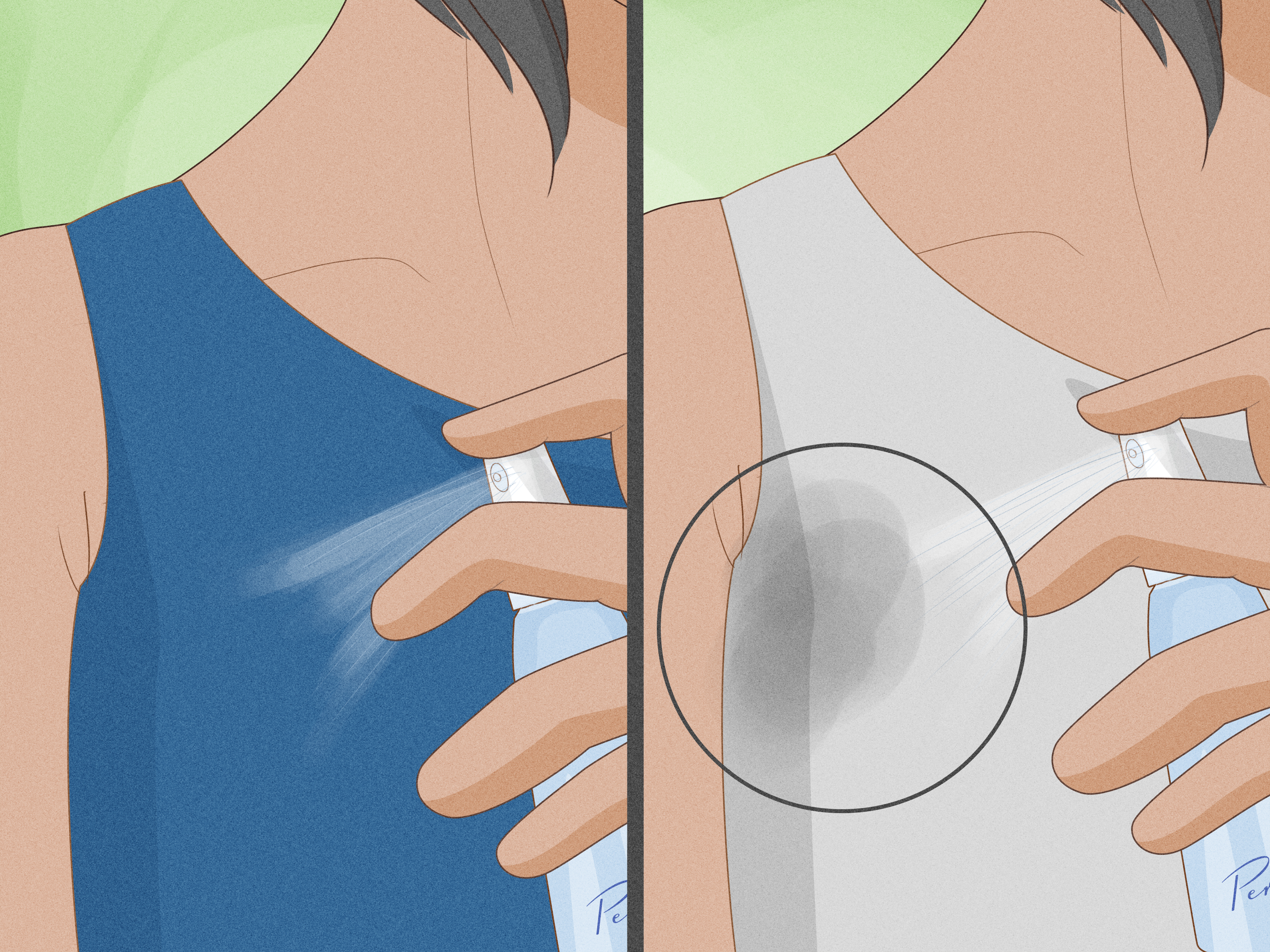
Perfume may smell like a moonlit garden where everyone has excellent posture, but on fabric it can behave more like a tiny chemistry experiment. A perfume stain is not always just “wet fragrance.” Most perfumes contain alcohol, fragrance oils, fixatives, dyes, and sometimes plant extracts or resins. When those ingredients land on clothing, upholstery, curtains, or linens, they can leave oily shadows, yellowish spots, water rings, or lingering scent that refuses to leave the party.
The trick is to treat perfume stains from fabric as a mixed stain. Part of it may dissolve quickly because alcohol evaporates. The oily portion can cling to fibers. Any coloring or residue can become more noticeable after drying, ironing, or tumbling in a hot dryer. That is why the best perfume stain removal method is gentle, patient, and fabric-aware.
Before you panic, breathe. Preferably not directly into the perfume stain. Most fresh perfume marks can be improved or removed with simple supplies: mild dish soap, liquid laundry detergent, cold or lukewarm water, baking soda, white vinegar, and clean white cloths. The goal is to lift oil and fragrance residue without spreading the stain, fading the dye, or turning one small spot into a laundry soap opera.
First Things First: What Not to Do
Do Not Rub the Stain Like You Are Scrubbing a Grill
Rubbing pushes perfume deeper into the fibers and can rough up delicate fabric. Instead, blot. Press a clean white cloth or paper towel over the spot to absorb excess liquid. Work from the outside of the stain toward the center so the mark does not expand into a decorative perfume continent.
Do Not Use Heat Too Soon
Heat can set oily stains and make yellowing more stubborn. Avoid ironing, steaming, or putting the garment in the dryer until the perfume stain is fully gone. Air-dry the fabric after washing and inspect it in good light. If you still see a shadow, repeat treatment before using heat.
Do Not Pour Random Products on Delicate Fabric
Perfume stains on silk, wool, acetate, rayon, velvet, leather, suede, or “dry clean only” clothing require caution. Water can leave rings on some fabrics, while alcohol or vinegar may affect dyes. When in doubt, do a hidden spot test or visit a professional cleaner.
Tools and Supplies You May Need
Gather a few basic items before starting. You do not need a laboratory coat, though it may improve your confidence.
- Clean white cloths or plain white paper towels
- Mild liquid dish soap, preferably dye-free and fragrance-free
- Liquid laundry detergent
- Baking soda or cornstarch for oily residue
- Distilled white vinegar
- Cool or lukewarm water
- Soft toothbrush or soft laundry brush
- Oxygen-based color-safe stain remover, if safe for the fabric
How to Remove Fresh Perfume Stains from Washable Fabric
Step 1: Blot Immediately
If the perfume spill is fresh, blot the area with a clean white cloth. Do not add water right away if the stain looks oily. Many fragrance stains contain oil, and applying water first can spread the residue across the fabric surface.
Step 2: Apply Mild Dish Soap to the Dry Stain
For oily perfume stains on cotton, polyester, denim, or washable blends, apply a small drop of mild liquid dish soap directly to the dry stain. Dish soap is designed to cut grease, which makes it useful for fragrance oils. Gently tap it into the fabric with your finger or a soft brush. Let it sit for about five to ten minutes, but do not let it dry into a crusty soap badge.
Step 3: Rinse from the Back
Rinse the fabric from the back of the stain with lukewarm water. This helps push the perfume residue out of the fibers instead of driving it deeper. If the care label recommends cold water only, follow the label.
Step 4: Pretreat with Liquid Laundry Detergent
Apply a small amount of liquid laundry detergent to the remaining mark. Let it work for 10 to 15 minutes. A good detergent helps suspend oily residue so it can rinse away in the wash. Avoid using too much detergent; more soap does not equal more cleaning. It can leave residue and make fabric feel stiff.
Step 5: Wash According to the Care Label
Wash the item in the warmest water that is safe for the fabric. For delicate or dark-colored clothing, cold water may be smarter. For sturdy white cotton, warmer water may help lift oils better. The care label wins every argument.
Step 6: Air-Dry and Inspect
After washing, do not toss the garment into the dryer. Air-dry it, then check the stained area. If you still see a faint ring or oily shadow, repeat the pretreatment and wash again.
How to Remove Old Perfume Stains
Old perfume stains are more stubborn because oils and dyes may have had time to bond with the fibers. Still, stubborn is not the same as impossible. Start with patience, not panic.
Use an Absorbent Powder First
If the stain looks greasy or dark, sprinkle baking soda, cornstarch, or talcum powder over the dry stain. Let it sit for at least 30 minutes, or longer for heavy residue. The powder helps draw out oil. Brush it away gently before applying detergent.
Try a Dish Soap and Detergent Combination
Apply a small amount of mild dish soap, wait five to ten minutes, rinse from the back, then pretreat with liquid laundry detergent. Wash as directed. This two-step method works well because dish soap targets oil while laundry detergent handles soil, odor, and remaining residue.
Use Oxygen-Based Stain Remover for Washable Whites and Colors
If the fabric is washable and colorfast, an oxygen-based, color-safe stain remover may help brighten yellow perfume marks. Follow the product label carefully. Do not use chlorine bleach on wool, silk, spandex, leather, or fabrics that are not bleach-safe. Also, never mix bleach with ammonia or vinegar. Laundry should not become a science fair volcano.
How to Remove Perfume Smell from Clothes
Sometimes the visible stain disappears, but the scent lingers like a dramatic houseguest. Perfume odor can cling to fibers, especially synthetic fabrics such as polyester and nylon. These fibers hold oils and fragrance molecules more tightly than many natural fibers.
Air the Garment First
Hang the item outside in fresh air or near an open window. Keep it out of direct sunlight if the fabric is dark or delicate. Airing can reduce strong fragrance before washing.
Use a Baking Soda Soak
For washable clothing, mix cool water with baking soda and soak the garment for several hours or overnight. Baking soda helps neutralize odors without adding another scent. After soaking, wash as usual.
Use Vinegar Carefully
Distilled white vinegar can help reduce odors and residue in washable fabrics. Add it to the rinse cycle or dilute it with water for a short soak, but avoid vinegar on delicate fibers that may react poorly to acids. Do not mix vinegar with chlorine bleach.
Removing Perfume Stains by Fabric Type
Cotton
Cotton is usually forgiving. Blot, pretreat with mild dish soap, rinse, then wash in the warmest water safe for the garment. White cotton can often handle stronger stain treatments than colored cotton, but always check the care label.
Polyester and Synthetic Blends
Polyester loves holding onto oily residue, which is why perfume stains can look like faint grease spots. Use dish soap first, then liquid laundry detergent. Wash right-side out if the stain is visible on the outside so the cleaning solution reaches it directly.
Silk
Silk is elegant, expensive, and easily offended. Do not soak silk aggressively or scrub it. Blot the stain gently and take the garment to a professional cleaner, especially if the perfume contains dye or the silk is dark-colored.
Wool
Wool can shrink, felt, or lose shape when treated harshly. Use cool water only if the label allows washing, and apply a wool-safe detergent sparingly. For suits, coats, and structured wool garments, professional cleaning is the safest route.
Linen
Linen can usually handle gentle pretreatment, but it may wrinkle dramatically, as if personally betrayed. Blot, use mild dish soap for oily stains, rinse well, and air-dry. Avoid high heat until the stain is gone.
Upholstery and Curtains
For upholstered furniture or curtains, check the cleaning code first. Blot the stain, then use a small amount of diluted dish soap on a white cloth. Dab gently and avoid soaking the padding underneath. Rinse by blotting with a cloth dampened with clean water, then blot dry. If the stain is large, valuable, or on silk upholstery, call a professional cleaner.
Special Case: Perfume Stains on White Shirts
White shirts often show perfume stains as yellowish dots or rings, especially around collars, cuffs, and chest areas where people spray fragrance before dressing. To treat white cotton or cotton-blend shirts, start with dish soap on the dry stain. Rinse, then pretreat with liquid detergent. If discoloration remains and the care label allows it, use an oxygen-based whitening soak.
Avoid spraying perfume directly onto white clothing in the future. Apply fragrance to skin, let it dry completely, and then dress. Better yet, spray perfume on pulse points that do not rub directly against fabric. Your shirt will appreciate the boundary.
Special Case: Perfume Stains on Dark Clothes
Dark clothing can show perfume stains as pale spots, shiny patches, or cloudy rings. This sometimes happens when alcohol affects fabric dye or finish. Use cool water, mild soap, and very gentle blotting. Test every solution in a hidden area first. If the perfume has damaged the dye, cleaning may remove residue but may not restore color. In that case, a professional cleaner may be able to improve the appearance, but full restoration is not guaranteed.
Can Rubbing Alcohol Remove Perfume Stains?
Rubbing alcohol can dissolve some oily or dye-based residues, but it is risky on many fabrics because it may affect color, finishes, or synthetic fibers. Since perfume already contains alcohol, adding more alcohol is not always the magic answer. If you try it, test a hidden seam first, use very little, blot gently, rinse well, and never put solvent-treated fabric near heat until fully rinsed and dry.
Can Hydrogen Peroxide Remove Perfume Stains?
Hydrogen peroxide can help with some yellowing on white or colorfast fabrics, but it has mild bleaching action. Test first. Use only 3% hydrogen peroxide, apply briefly, rinse thoroughly, and avoid it on silk, wool, leather, or unstable dyes. For colored garments, oxygen-based color-safe laundry products are usually safer than improvising with peroxide straight from the medicine cabinet.
How to Prevent Perfume Stains
The easiest perfume stain to remove is the one that never happens. Apply perfume before getting dressed and let it dry completely. Hold the bottle several inches from your skin, not your blouse, scarf, or jacket lining. Avoid spraying perfume on pearls, jewelry, leather, silk scarves, or light-colored collars.
If you want your clothes to smell fresh, use clean laundry habits rather than direct perfume spraying. Wash garments regularly, avoid overloading the washer, measure detergent properly, and dry clothing completely before storage. A closet that smells clean beats a sweater that smells like it lost a wrestling match with a fragrance counter.
Troubleshooting Common Perfume Stain Problems
The Stain Looks Greasy After Washing
The oil remains. Treat the dry fabric again with mild dish soap, wait five to ten minutes, rinse, pretreat with detergent, and rewash. Air-dry and inspect.
The Stain Turned Yellow
Yellowing can come from fragrance oils, dyes, body oils, or heat exposure. Use an oxygen-based stain remover if the fabric is washable and colorfast. Avoid the dryer until the yellowing improves.
The Fabric Smells Strongly of Perfume
Air the garment, soak in baking soda and cool water, then wash. Repeat if needed. Strong fragrance may take more than one wash cycle to fade.
The Color Looks Faded
If perfume alcohol or ingredients affected the dye, stain removal may not restore the original shade. Stop experimenting and consult a cleaner, especially for expensive garments.
Expert Experience: What Actually Works in Real Life
In real-world stain removal, perfume stains usually fall into two groups: the “I just sprayed this five minutes ago” stain and the “I found this mysterious yellow spot after laundry day” stain. The first group is much easier. Fresh perfume has not fully bonded with the fabric, so blotting and dish soap often solve the problem. The second group takes more patience because heat, time, and repeated wear can lock residue into the fibers.
One common example is a light blouse sprayed at the neckline before work. At first, the perfume seems harmless because it dries quickly. After a few wears, a faint yellow ring appears near the collar. This is usually a mix of fragrance oil, skin oil, and laundry heat. The best fix is not to attack it with bleach right away. Start with dish soap on the dry stain, rinse from the back, then pretreat with detergent. If the blouse is washable and white or colorfast, an oxygen-based soak can help brighten what remains.
Another common situation is perfume on a polyester dress. Polyester is notorious for holding smells and oily marks. A person may wash the dress and wonder why the scent still smells strong enough to introduce itself. In that case, a baking soda soak before washing is often more useful than adding more scented detergent. Fragrance-on-fragrance is not cleaning; it is just a louder choir.
For dark shirts, the biggest mistake is using harsh products too quickly. Perfume can leave pale areas if it affects dye or fabric finish. Scrubbing makes the spot more noticeable. The better move is to blot, test, use cool water, and apply a tiny amount of mild soap. If the mark is actually dye damage, cleaning cannot fully reverse it, and continuing to scrub may make the area look polished or worn.
For home fabrics such as throw pillows or curtains, less moisture is better. Many people soak upholstery stains as if the sofa has personally offended them. That can create water rings, mildew risk, or padding damage. Use a damp white cloth, minimal soap, and repeated blotting. If the perfume spill is large, professional upholstery cleaning is worth it.
The most reliable lesson is simple: slow cleaning beats dramatic cleaning. Perfume stains respond best to blotting, oil-cutting pretreatment, label-safe washing, and air-drying. Do not rush to heat. Do not mix chemicals. Do not assume one method works on every fabric. Treat the fabric like something you want to keep, not like a kitchen floor after spaghetti night.
Conclusion
Removing perfume stains from fabric is all about understanding what perfume leaves behind. Alcohol may evaporate, but fragrance oils, dyes, and fixatives can remain in the fibers. For washable clothing, begin by blotting, treat oily residue with mild dish soap, rinse from the back, pretreat with liquid laundry detergent, and wash according to the care label. Air-dry before inspecting the stain, because dryer heat can make residue harder to remove.
For delicate fabrics, dark garments, upholstery, silk, wool, or “dry clean only” items, caution is the expert move. Test first, avoid harsh scrubbing, and ask a professional cleaner for help when the fabric is valuable or fragile. With the right method, most perfume stains can be improved, and many can be removed completely. Your fabric can smell fresh again without wearing a visible souvenir from your favorite fragrance.