A couch is the unofficial headquarters of modern life. It hosts movie nights, snack accidents, pet naps, sick days, gaming marathons, visiting relatives, and that one mystery smell nobody wants to claim. Over time, even a good-looking sofa can develop odors from sweat, food, pets, moisture, smoke, dust, or spills that quietly seep into fabric, cushions, seams, and padding.
The good news? You do not always need to drag your couch to the curb or cover it with fourteen throw blankets and denial. With the right method, you can remove odors from a couch safely, refresh the upholstery, and make your living room smell like a place where responsible adults liveeven if there are crumbs under the cushions telling a different story.
This guide walks you through 14 practical steps to deodorize a couch, from quick dry methods like vacuuming and baking soda to deeper solutions like enzyme cleaners, steam cleaning, and professional upholstery care. The key is to match the cleaning method to the couch material, attack the odor at its source, and avoid over-wetting the fabric.
Before You Start: Check the Couch Cleaning Code
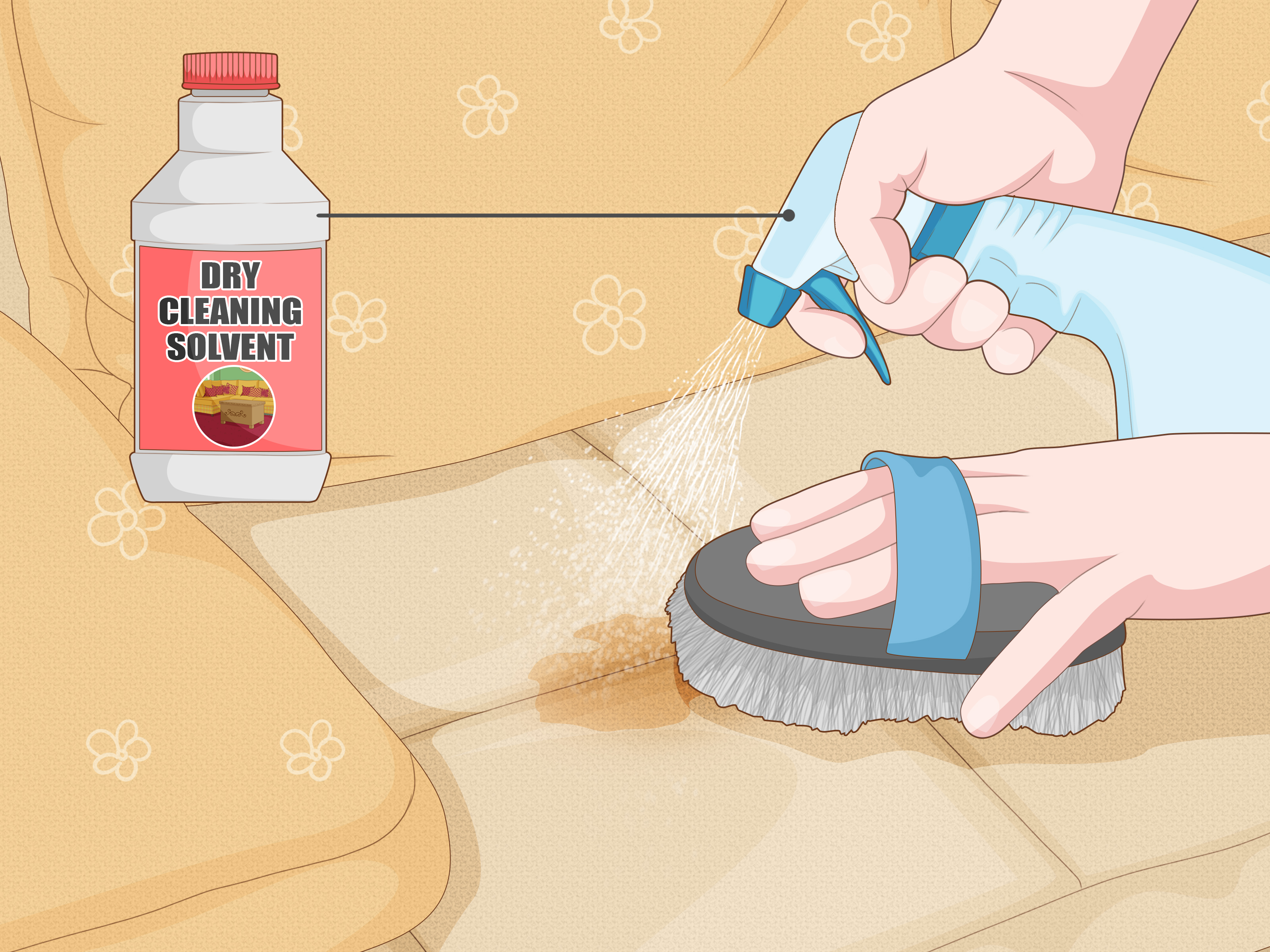
Before spraying, scrubbing, steaming, or enthusiastically dumping baking soda like you are seasoning a giant sofa-shaped pretzel, check the manufacturer’s care tag. Most upholstered furniture includes a cleaning code that tells you what type of cleaner is safe.
- W: Use water-based cleaners.
- S: Use solvent-based cleaners only; avoid water.
- WS or W/S: Use water-based or solvent-based cleaners.
- X: Vacuum or brush only; do not use water or solvents.
If the tag is missing, test any cleaner on a hidden area first, such as the back lower edge or underside of a cushion. Wait until it dries completely before judging the result. Odor removal should never turn into “how to explain a giant pale blotch on the couch.”
How to Remove Odors from a Couch in 14 Steps
1. Identify the Source of the Smell
Start by figuring out what kind of odor you are dealing with. A general stale smell usually comes from dust, body oils, and trapped air. A sour smell may point to spilled milk, sweat, or damp cushions. Pet urine needs a different approach than popcorn grease. Musty odors may mean moisture has entered the fabric or padding.
Remove all pillows, blankets, slipcovers, toys, and loose cushions. Look between the seats and along the seams. You may discover crumbs, coins, pet hair, old wrappers, or a fossilized french fry from a previous era. Removing the source is always better than masking it with fragrance.
2. Open Windows and Ventilate the Room
Fresh air is the simplest first step. Open windows, turn on ceiling fans, and let the room breathe. Air circulation helps reduce trapped odors and speeds drying after any cleaning treatment.
If possible, move removable cushions near a sunny, breezy window for a short period. Avoid leaving delicate fabrics, leather, or dark upholstery in direct sunlight for too long because sunlight can fade or dry out materials. Think of this step as giving your couch a polite outdoor vacation, not sending it to the desert.
3. Vacuum the Couch Thoroughly
Vacuuming removes dust, pet dander, hair, crumbs, and odor-holding particles from the fabric. Use the upholstery attachment for large surfaces and a crevice tool for seams, corners, and under cushions.
Work slowly. Odor often hides in places people ignore: the backrest seam, zipper edges, armrest folds, and the mysterious canyon between seat cushions. If anyone in the home has allergies, a vacuum with a HEPA filter can help reduce fine dust and allergens released back into the air.
4. Brush Off Dry Debris and Pet Hair
After vacuuming, use a soft-bristled brush, lint roller, or slightly damp rubber glove to lift stubborn pet hair and surface debris. Pet hair can hold odors even after the couch looks clean from a distance.
For textured fabric, brush in the direction of the weave. For velvet or delicate upholstery, be extra gentle and avoid aggressive scrubbing. You want to refresh the fabric, not start a wrestling match with it.
5. Sprinkle Baking Soda Over the Upholstery
Baking soda is one of the most useful natural couch deodorizers because it absorbs many common household odors rather than simply covering them. Sprinkle a light, even layer across the couch surface, cushions, arms, and backrest.
Use a soft brush to gently work the baking soda into the fabric, especially in high-use areas. Let it sit for at least one hour. For stronger odors, leave it overnight. Keep pets and small children away from the couch during this time so the baking soda stays on the sofa instead of becoming a living-room snowstorm.
6. Vacuum Again to Remove Baking Soda
Once the baking soda has had time to work, vacuum the couch thoroughly. Go over each area more than once to remove powder from seams and cushion edges.
If the couch still smells stale, repeat the baking soda treatment. Persistent odors often need more than one round, especially if the sofa has absorbed years of snacks, naps, pets, and “I’ll clean that later” moments.
7. Use a Vinegar Mist for Fabric-Safe Odors
White vinegar can help neutralize many odors, especially mild pet smells, mustiness, and general funk. For couches labeled W or WS, mix equal parts white vinegar and water in a spray bottle. Lightly mist the fabricdo not soak it.
The couch may smell like vinegar at first, which is not exactly a luxury spa experience. Fortunately, that smell fades as it dries. Use fans and open windows to help the process along. Never use vinegar on materials that may be damaged by water or acid, and always test first in a hidden area.
8. Spot Clean Stains That Are Causing Odor
If a specific stain is causing the smell, spot cleaning is necessary. Blot fresh spills immediately with a clean microfiber cloth. Avoid rubbing, which can push the stain deeper into the fibers.
For water-safe upholstery, use a small amount of mild dish soap mixed with warm water. Dip a cloth into the suds, not the liquid pool, and blot the stain gently. Follow with a second cloth dampened with plain water to remove residue. Then blot dry with a towel.
Do not over-wet the couch. Too much moisture can soak into cushion padding and create a new odor problem: mildew. That is the cleaning equivalent of putting out a candle with a leaf blower.
9. Treat Pet Urine with an Enzyme Cleaner
Pet urine odors need special handling because the smell can linger below the surface. Enzyme cleaners are designed to break down organic odor compounds rather than just perfume the fabric. Choose a product labeled safe for upholstery and compatible with your couch cleaning code.
Blot the area first if it is fresh. Apply the enzyme cleaner according to the product directions, allowing enough contact time for the enzymes to work. Older stains may need repeated treatment. Avoid using steam heat on untreated urine stains, because heat can set odors into the fabric and padding.
10. Deodorize Removable Cushion Covers Carefully
If your cushion covers are removable, check the care label before washing them. Some covers look washable but may shrink, fade, or lose shape in the machine. If the label allows machine washing, use a gentle cycle and mild detergent, then air-dry unless the tag says tumble drying is safe.
Do not put covers back on while they are damp. Moisture trapped inside cushions can cause musty smells. If the cover is tight, reinstall it while it is just barely damp only if the manufacturer recommends that method; otherwise, wait until it is completely dry.
11. Freshen Leather or Faux Leather Couches Differently
Leather and faux leather do not absorb odors in the same way fabric does, but smells can collect on the surface, in seams, and inside cushion gaps. Wipe the couch with a dry microfiber cloth first, then use a cleaner made for leather or faux leather.
Avoid soaking leather with water, vinegar, or all-purpose cleaners. After cleaning, condition real leather with a suitable leather conditioner to prevent dryness and cracking. A fresh leather couch should smell like furniture, not like a gym bag wearing a cowboy jacket.
12. Use Steam Cleaning Only When the Fabric Allows It
Steam cleaning can help sanitize and refresh some water-safe upholstery, but it is not suitable for every couch. Use steam only on fabrics labeled W or WS, and avoid it on S or X-coded upholstery unless a professional confirms it is safe.
When using an upholstery machine, follow the instructions carefully and avoid oversaturating the fabric. Make slow passes and extract as much moisture as possible. Afterward, use fans, open windows, and a dehumidifier if needed so the couch dries quickly.
13. Handle Musty or Mildew Smells Quickly
A musty couch may have been exposed to humidity, leaks, wet clothing, damp pets, or poor ventilation. First, dry the couch completely. Remove cushions, increase airflow, and use a dehumidifier if the room feels humid.
If you see visible mold or the couch smells strongly moldy, be cautious. Porous upholstery can be difficult to clean thoroughly once mold grows deep inside. Small surface issues may be handled with proper cleaning and drying, but severe mold, flood damage, or recurring dampness may require professional remediation or replacement. Never mix bleach with ammonia or other cleaners, and always ventilate when using cleaning products.
14. Call a Professional for Deep, Stubborn Odors
If the couch still smells after vacuuming, baking soda, spot cleaning, enzyme treatment, and proper drying, the odor may be deep in the padding or frame. Professional upholstery cleaners have extraction equipment and deodorizing treatments that can reach deeper than most home methods.
Professional cleaning is especially useful for expensive furniture, vintage upholstery, heavy pet odors, smoke smells, repeated spills, or unknown secondhand couch smells. Sometimes the smartest DIY decision is knowing when not to DIY.
Common Couch Odors and the Best Fixes
Pet Smell
Vacuum thoroughly, remove pet hair, apply baking soda overnight, and use an enzyme cleaner for urine or accident-related odors. Wash pet blankets, toys, and nearby rugs too, because the couch may not be the only suspect.
Food Odors
Remove crumbs from seams, spot clean greasy areas, and use baking soda to absorb lingering smells. If the odor came from dairy, sauce, or spilled soup, clean the stain directly instead of only deodorizing the surface.
Sweat and Body Odor
Focus on armrests, headrests, and favorite sitting spots. Vacuum, baking soda, and a light vinegar mist can help water-safe fabric. Wash removable throws and pillow covers at the same time.
Smoke Smell
Smoke odor can cling deeply to fabric and foam. Start with ventilation, vacuuming, and baking soda. For heavy smoke odor, professional upholstery cleaning may be the most realistic solution.
Musty Odor
Dry the couch completely, reduce room humidity, and inspect for mold. A dehumidifier, fans, and quick moisture control are essential. If the smell returns, the source may be inside the cushions or room environment.
What Not to Do When Deodorizing a Couch
Avoid soaking upholstery with water, vinegar, or cleaner. More liquid does not mean more clean; it often means more drying time and more risk of mildew. Do not scrub delicate fabric aggressively. Do not use harsh cleaners without checking the label. Do not mix cleaning chemicals. And please, do not spray perfume over a bad couch smell and call it a strategy. That creates “lavender wet dog,” which is not a scent category anyone requested.
How to Keep Your Couch Smelling Fresh Longer
Once the couch smells clean again, maintenance is much easier than rescue work. Vacuum weekly, especially if you have pets or kids. Use washable throws on favorite seats. Clean spills immediately. Rotate cushions so one spot does not absorb all the traffic. Keep humidity under control, and let the couch breathe by avoiding piles of damp laundry, wet towels, or sweaty gym clothes.
If pets use the couch, wash their blankets regularly and groom them often. If your living room gets stuffy, open windows when weather allows. Odor prevention is not glamorous, but neither is explaining why your sofa smells like old nachos and betrayal.
Experience Notes: What Actually Works in Real Homes
After dealing with couch odors in real-life situations, one lesson stands out: the smell is rarely just “on” the couch. It is usually in layers. A couch may look clean, but the odor can be trapped in pet hair, dust, old crumbs, dried spills, cushion seams, and the room itself. That is why the best results often come from combining several gentle steps rather than relying on one dramatic cleaning move.
For example, a fabric couch with a stale living-room smell often improves dramatically after a slow vacuuming session and an overnight baking soda treatment. The important word is “slow.” Many people wave the vacuum over the couch like they are blessing it. Instead, press the upholstery attachment into seams, lift each cushion, vacuum both sides, and spend extra time where people rest their heads and arms. Those areas collect oils and sweat faster than the middle of the seat.
Pet odors are different. A couch that smells like dog usually needs hair removal first. Baking soda works better after fur and dander are gone. For urine accidents, enzyme cleaner is the game changer. Regular cleaners may make the fabric smell better to humans for a while, but pets can still detect traces. That is why some animals return to the same spot. Enzyme cleaners need patience; they must stay damp long enough to break down the odor source. Rushing that step is like pulling cookies out of the oven after two minutes and wondering why they are soup.
Another common experience: over-wetting causes more trouble than under-cleaning. A person smells something sour, panics, and sprays half a bottle of cleaner into the cushion. The surface looks better, but two days later the couch smells musty. That happens when moisture gets trapped in foam or batting. A better approach is light cleaning, repeated if needed, followed by aggressive drying with fans and airflow.
Secondhand couches deserve special attention. Even if they look beautiful, they can carry smoke, storage smells, pet odors, or damp basement funk. Before bringing one fully into your living space, vacuum it outside or in a garage if possible, inspect seams, treat odors with baking soda, and let it air out. If a used couch smells strongly moldy or the odor returns after cleaning, it may not be worth keeping. A bargain sofa is less charming when it turns your living room into a haunted laundry basket.
Leather couches are usually easier to deodorize on the surface, but they need the right products. A dry wipe, a leather-safe cleaner, and proper conditioning can refresh them without damaging the finish. Fabric couches require more patience because odor can sink deeper. Microfiber often responds well to careful cleaning, but velvet, silk blends, antique upholstery, and X-coded fabrics should be handled conservatively.
The biggest practical tip is to clean the surrounding items too. If the couch smells bad, wash throws, pillow covers, pet beds, nearby rugs, and curtains. Empty the vacuum afterward. Take out the trash. Air out the room. A clean couch in a smelly room will quickly become a smelly couch again. Odor removal is teamwork, and unfortunately the throw pillows are usually guilty by association.
Conclusion
Removing odors from a couch is not about hiding smells under a cloud of air freshener. It is about identifying the source, using the right method for the upholstery, and giving the couch enough time to dry and reset. Start with ventilation and vacuuming, use baking soda for general odors, apply vinegar mist only when the fabric allows it, and choose enzyme cleaners for pet accidents. For musty, smoky, or deeply embedded smells, professional cleaning may be the smartest path.
With regular maintenance, quick spill response, and a little couch detective work, your sofa can go back to being the best seat in the housenot the mysterious smell in the corner.