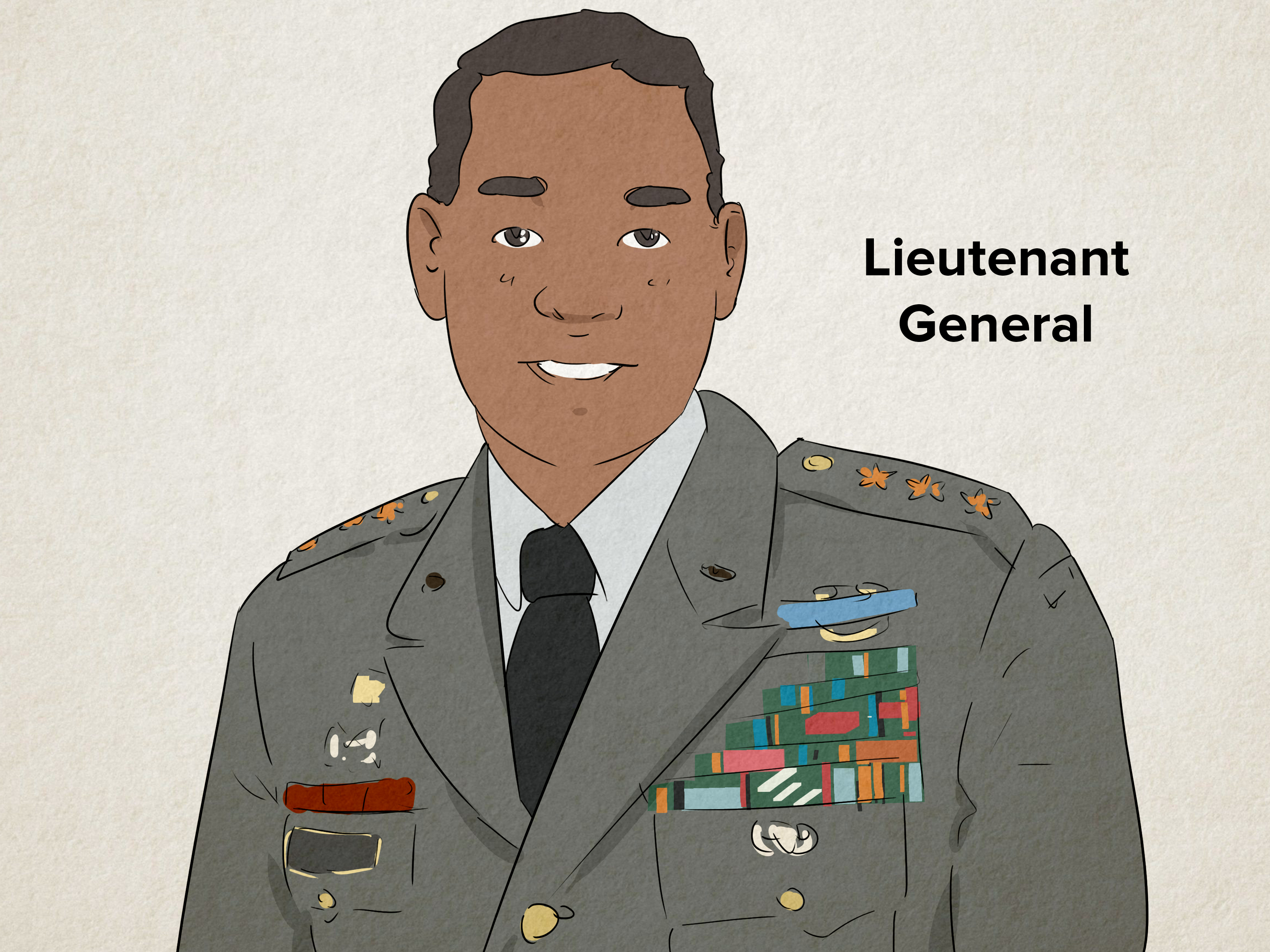
Knowing how to properly address military personnel is not about sounding stiff, nervous, or like you swallowed a field manual for breakfast. It is about respect, clarity, and understanding a culture where words carry rank, responsibility, and tradition. In the U.S. military, a title is not decorative. It signals a person’s position in the chain of command, their level of authority, and often years of training, sacrifice, and leadership.
For civilians, new service members, military family members, students, journalists, business professionals, and anyone attending a military ceremony, the rules can feel confusing at first. Is a Navy captain the same as an Army captain? Should you say “sir,” “ma’am,” “Sergeant,” “Chief,” “Petty Officer,” or just use the person’s first name and hope nobody faints? Relax. Military etiquette is detailed, but the basic idea is beautifully simple: when in doubt, be respectful, use rank and last name, and let the service member correct you if a different form is preferred.
This guide explains how to address military personnel in person, in writing, at formal events, in emails, and in everyday conversations. It also covers common mistakes, branch differences, veterans and retired service members, and practical examples you can actually use without sounding like you are auditioning for a war movie.
Why Proper Military Address Matters
Military address is rooted in customs and courtesies. These traditions help maintain discipline, order, professionalism, and mutual respect. In civilian life, calling a manager by a first name may be normal. In the military, addressing someone correctly recognizes the structure that keeps units functioning under pressure. A rank is not just a label; it reflects responsibility for people, equipment, decisions, and missions.
Using the correct title also prevents awkwardness. A colonel who has served for decades has earned that title. A chief petty officer in the Navy or Coast Guard carries a respected leadership role. A sergeant may be the person who trains, mentors, and keeps younger service members out of trouble. Addressing them correctly shows that you understandor are at least trying to understandthe culture.
For civilians, proper address can make interviews, ceremonies, workplace meetings, and community events smoother. For military families, it helps when meeting commanders, senior enlisted leaders, recruiters, instructors, or installation staff. For new recruits, learning military address is one of the first steps in developing military bearing. In other words, the words matter before the boots are even broken in.
The Basic Rule: Use Rank and Last Name
The safest general rule is to address military personnel by their rank and last name. For example:
- “Good morning, Captain Williams.”
- “Thank you, Sergeant Johnson.”
- “Excuse me, Major Davis.”
- “Congratulations, Chief Martinez.”
- “Welcome, Colonel Anderson.”
This approach works in most professional and formal situations. It is polite, specific, and rarely wrong. If the service member prefers something else, they will usually tell you. For instance, a senior enlisted leader might say, “You can call me Chief,” or an officer in a relaxed community event might say, “Please, call me Mark.” Until that invitation is given, stay with rank and last name.
Do Not Use Pay Grades as Titles
One common mistake is calling someone by a pay grade such as “E-7,” “O-3,” or “W-2.” Pay grades are useful for administrative and pay purposes, but they are not normally forms of address. You would not walk up to a Navy lieutenant and say, “Good afternoon, O-3.” That sounds less like respect and more like you are reading a spreadsheet that escaped from the Pentagon.
Use the person’s rank title instead. Say “Lieutenant,” “Captain,” “Major,” “Sergeant,” “Chief,” or another proper title depending on the branch and rank.
How to Address Officers
Commissioned officers are generally addressed by rank and last name or by “sir” or “ma’am” in direct conversation. Examples include:
- “Yes, ma’am.”
- “No, sir.”
- “Good afternoon, Major Taylor.”
- “Captain Brooks, may I ask a question?”
In the Army, Marine Corps, Air Force, and Space Force, officer ranks include lieutenant, captain, major, lieutenant colonel, colonel, and general. In the Navy and Coast Guard, officer ranks include ensign, lieutenant junior grade, lieutenant, lieutenant commander, commander, captain, and admiral. Be careful with the word “captain.” A captain in the Navy or Coast Guard is a senior officer, while a captain in the Army, Marine Corps, Air Force, or Space Force is a company-grade officer. Same word, different level. Military terminology likes to keep civilians humble.
Using “Sir” and “Ma’am”
“Sir” and “ma’am” are standard respectful forms of address for officers in many military settings. They are especially common when answering a question or responding briefly. For example:
- “Yes, sir.”
- “No, ma’am.”
- “I understand, sir.”
However, do not overdo it in casual civilian conversation. If you are a journalist interviewing an officer, “Colonel Harris” may sound more natural than repeating “sir” every seven seconds like a nervous doorbell. Professional, not robotic, is the goal.
How to Address Warrant Officers
Warrant officers are technical experts and leaders. In many settings, they may be addressed as “Warrant Officer” with the last name, or by their specific rank title, such as “Chief Warrant Officer.” In conversation, “sir” or “ma’am” may also be appropriate depending on the branch and setting.
Examples include:
- “Good morning, Chief Warrant Officer Miller.”
- “Thank you, Warrant Officer Clark.”
- “Yes, ma’am.”
Because warrant officer customs can vary by branch, the safest approach is to use the full rank and last name until corrected. Nobody will fault you for being respectful and precise.
How to Address Enlisted Personnel
Enlisted personnel make up the majority of the armed forces and include junior enlisted members, noncommissioned officers, petty officers, and senior enlisted leaders. Proper address depends heavily on branch and rank.
Army
In the Army, soldiers in leadership ranks are often addressed by rank. “Sergeant” is widely used for several sergeant ranks in conversation, though senior titles such as “First Sergeant,” “Sergeant Major,” and “Command Sergeant Major” should be used correctly.
Examples:
- “Good morning, Sergeant Lewis.”
- “Thank you, First Sergeant.”
- “Yes, Sergeant Major.”
When speaking to junior enlisted soldiers, rank and last name is still respectful: “Private Carter,” “Specialist Green,” or “Corporal Adams.”
Marine Corps
Marines place strong emphasis on rank, title, and tradition. Use the Marine’s rank and last name. For noncommissioned officers and staff noncommissioned officers, the rank itself is important and should not be casually shortened unless that usage is accepted in the setting.
Examples:
- “Good afternoon, Corporal Ramirez.”
- “Thank you, Sergeant Walker.”
- “Yes, Gunnery Sergeant.”
- “Good evening, Master Sergeant.”
Also, remember that Marines are Marines, not “soldiers.” Soldiers serve in the Army. Calling a Marine a soldier may not start a diplomatic crisis, but it may earn you a look sharp enough to slice printer paper.
Navy
In the Navy, enlisted titles often involve both rank and rating. A sailor may be a petty officer, chief petty officer, senior chief, or master chief. “Petty Officer,” “Chief,” “Senior Chief,” and “Master Chief” are common forms of address.
Examples:
- “Good morning, Petty Officer Nguyen.”
- “Thank you, Chief.”
- “Yes, Senior Chief.”
- “Master Chief, may I speak with you?”
For officers in the Navy, use naval rank titles such as “Ensign,” “Lieutenant,” “Commander,” “Captain,” or “Admiral.” Be especially careful not to confuse a Navy captain with a captain from another branch.
Air Force
In the Air Force, enlisted personnel are often addressed by rank and last name. NCO and senior NCO titles include “Staff Sergeant,” “Technical Sergeant,” “Master Sergeant,” “Senior Master Sergeant,” and “Chief Master Sergeant.” In many contexts, “Chief” is used respectfully for a chief master sergeant.
Examples:
- “Good afternoon, Staff Sergeant Parker.”
- “Thank you, Technical Sergeant Allen.”
- “Yes, Chief.”
Air Force customs emphasize professionalism in spoken and written communication, so email greetings, signature blocks, and rank usage matter more than many civilians realize.
Space Force
Members of the U.S. Space Force are called Guardians. Their rank structure has service-specific titles, especially among junior enlisted ranks, such as “Specialist.” For officers, many rank names align with the Air Force. Use rank and last name, and when referring to the force as a whole, use “Guardians,” not “spacemen,” “space soldiers,” or “people who probably know where the good satellites are.”
Examples:
- “Good morning, Specialist Rivera.”
- “Thank you, Sergeant Kim.”
- “Colonel Morgan, welcome.”
Coast Guard
The Coast Guard uses many naval-style titles. Enlisted leaders may be addressed as “Petty Officer,” “Chief,” “Senior Chief,” or “Master Chief.” Officers are addressed with titles such as “Ensign,” “Lieutenant,” “Commander,” “Captain,” and “Admiral.”
Examples:
- “Good morning, Petty Officer James.”
- “Thank you, Chief.”
- “Commander Roberts, the guests have arrived.”
The Coast Guard is a military service, not simply a rescue organization with boats and excellent weather complaints. Its customs and courtesies deserve the same respect as the other branches.
Addressing Chaplains, Doctors, and Special Roles
Some military personnel may be addressed by professional title. Chaplains are often addressed as “Chaplain” followed by last name, regardless of rank in many contexts. Military physicians and dentists may be addressed as “Doctor,” especially in clinical settings.
Examples:
- “Good morning, Chaplain Evans.”
- “Thank you, Doctor Patel.”
- “Chaplain, could you assist the family?”
When in doubt, use the rank and last name first. If the person’s role makes another title more appropriate, they or someone nearby will usually clarify.
How to Address Military Personnel in Writing
Written communication should be more formal than casual speech. In emails, letters, invitations, programs, and official documents, use the service member’s rank, full name, and branch if relevant.
Email Greetings
For professional email, a safe greeting looks like this:
- “Dear Colonel Williams,”
- “Good morning, Sergeant Major Brown,”
- “Dear Commander Lee,”
- “Good afternoon, Chief Martinez,”
Avoid “Hey,” “Yo,” or “What’s up, General?” unless you are writing a comedy sketch and enjoy career-limiting moments.
Formal Letters and Invitations
For formal correspondence, spell out the rank when possible. Include branch identification if it helps the reader understand the person’s role. For example:
“Colonel Rebecca J. Adams, U.S. Army”
For retired personnel, style guides often place “Retired” before the service and rank in public affairs writing, such as “Retired U.S. Army Colonel Rebecca J. Adams.” In invitations or ceremonial programs, formats may vary, so follow the event’s protocol guidance if one is provided.
Addressing Veterans and Retired Military Personnel
A veteran is someone who served in the armed forces. A retired service member completed a military career or qualified for military retirement. Not every veteran is retired, and not every former service member uses their rank in civilian life.
When meeting a veteran, it is respectful to use “Mr.,” “Ms.,” “Mrs.,” “Dr.,” or another civilian title unless the setting clearly uses military rank. Many veterans appreciate being thanked for their service, but not everyone wants a long conversation about deployments, combat, politics, or the worst food ever served in a dining facility.
For retired personnel at formal military events, using rank is often appropriate:
- “Good evening, Colonel Adams.”
- “Thank you, Master Chief.”
- “General Thompson, we are honored to have you here.”
In civilian workplaces, follow the person’s preference. Some retired officers and senior enlisted leaders use their military title professionally; others prefer first names or civilian titles. Respect the individual, not just the resume.
Common Mistakes to Avoid
Using the Wrong Branch Term
Do not call everyone in uniform a soldier. The correct terms are branch-specific: soldiers serve in the Army, Marines serve in the Marine Corps, sailors serve in the Navy, airmen serve in the Air Force, Guardians serve in the Space Force, and Coast Guardsmen serve in the Coast Guard. “Service member” is a safe general term when you do not know the branch.
Guessing Rank from Appearance
Rank insignia can be confusing, especially if you are new to military culture. Guessing confidently and incorrectly is worse than asking politely. Try: “How should I address you?” or “Could you please remind me of your rank?” That is far better than promoting a lieutenant to general by accident. Generous, yes. Accurate, no.
Being Too Casual Too Soon
First names may be fine after an invitation, especially in civilian settings. But do not assume. Military personnel are used to clear professional boundaries, and starting formally is safer.
Confusing “Sir” and “Ma’am” with Enlisted Address
In many military training environments, “sir” and “ma’am” are used for officers, while enlisted leaders are addressed by rank. Customs vary by branch and setting, but a recruit calling a drill sergeant “sir” may quickly receive a free lesson in volume. Civilians are usually given more grace, but the principle remains: rank matters.
How to Ask Politely When You Are Unsure
There is no shame in asking. In fact, asking respectfully shows awareness. Use one of these simple lines:
- “How should I address you?”
- “What is the proper title for your rank?”
- “Would you prefer Colonel Smith or Dr. Smith?”
- “I want to make sure I address you correctly.”
Most service members would rather answer a sincere question than hear a creative new rank invented on the spot. “Mega Commander” may sound impressive, but it is not currently in the chain of command.
Addressing Military Personnel at Ceremonies and Events
Military ceremonies have their own rhythm. Promotions, retirements, changes of command, memorials, graduations, and formal dinners often follow protocol. If you are speaking publicly, confirm names, ranks, branch, pronunciation, and order of precedence before the event.
When introducing a service member, use full rank and name the first time. Later references may use rank and last name. For example:
“Please welcome Colonel Amanda Brooks, United States Air Force. Colonel Brooks has served for more than twenty years…”
For seating charts, printed programs, and name cards, ask the event organizer or protocol office for the preferred format. Military protocol is not the best place for freestyle formatting.
Addressing Military Personnel in Business and Media Settings
If you work with military personnel in business, education, journalism, nonprofit service, or government contracting, professionalism matters. Use rank and last name in the first interaction. In interviews, ask how the person would like to be identified. For published content, verify rank, branch, spelling, and retired status.
For example, a first reference might read:
“U.S. Navy Commander Daniel Foster explained the training schedule.”
Later references may use “Commander Foster” or “Foster,” depending on the publication style. However, do not invent abbreviations unless you know the correct style. Military abbreviations vary by branch, and getting them wrong can make otherwise good writing look careless.
Practical Examples of Proper Military Address
Example 1: Meeting an Army Officer
Correct: “Good morning, Captain Reynolds.”
Also acceptable in conversation: “Good morning, sir.”
Avoid: “Hey, Army guy.”
Example 2: Speaking to a Navy Chief
Correct: “Thank you, Chief.”
More formal: “Thank you, Chief Petty Officer Hernandez.”
Avoid: “Thanks, sailor boss.”
Example 3: Writing to a Marine Gunnery Sergeant
Correct: “Dear Gunnery Sergeant Collins,”
Avoid: “Dear Gunny,” unless you know the person and the tone is appropriate.
Example 4: Introducing a Retired Officer
Correct: “Please welcome Retired U.S. Army Colonel James Porter.”
Also common in speech: “Colonel Porter, thank you for joining us.”
Experience-Based Guidance: What Proper Address Feels Like in Real Life
In real-world interactions, properly addressing military personnel is less about memorizing every regulation and more about developing situational awareness. Imagine walking into a community event where several uniformed service members are helping with a veterans’ outreach program. The room is busy. People are shaking hands, setting up chairs, checking microphones, and trying to locate the one extension cord that apparently joined witness protection. You see name tapes, ribbons, rank insignia, and branch uniforms. If you are unfamiliar with all of it, the smartest move is not to guess wildly. It is to begin with respectful language and listen carefully to how others address each person.
One useful habit is to pay attention during introductions. If someone says, “This is Major Ellis,” keep using “Major Ellis” until told otherwise. If another person says, “This is Chief Morgan,” do not upgrade or downgrade the title. Repeat it naturally: “Nice to meet you, Chief Morgan.” That small detail shows you are listening. Military personnel notice that. They also notice when someone uses a title only as decoration without understanding the basic respect behind it.
Another experience-based lesson is that tone matters almost as much as wording. A perfectly correct title delivered with sarcasm, impatience, or fake ceremony can sound disrespectful. A slightly imperfect title delivered with sincerity is usually received much better. Most civilians are not expected to know every rank insignia at first glance. But they are expected to be courteous. Saying, “I want to make sure I address you correctly,” is simple, humble, and effective.
In workplace situations, especially with veterans or reservists, it is wise not to force military identity into every conversation. A retired Marine working in a corporate office may appreciate being recognized for service, but may not want every meeting to begin with boot camp jokes. A National Guard officer may use a civilian job title during the week and a military title during drill weekends. Context matters. When the setting is military, use military titles. When the setting is civilian, follow the person’s preference and the organization’s culture.
At ceremonies, the stakes feel higher because everyone is watching and listening. If you are hosting, announcing, or writing a program, verify everything in advance. Ask for the exact rank, preferred name, branch, retired status, and pronunciation. This is especially important for senior enlisted titles, naval ranks, compound last names, and names with diacritical marks or uncommon pronunciations. Few things deflate a respectful ceremony faster than introducing the guest of honor with the wrong rank. It is like baking a beautiful cake and writing the wrong birthday on it.
Military families also learn these customs through experience. A spouse, parent, or friend may attend a promotion ceremony and suddenly hear terms like “first sergeant,” “commander,” “chief,” “colors,” and “attention.” The best approach is to observe, follow instructions, and ask questions quietly when appropriate. Military communities are usually willing to help newcomers understand customs, especially when the questions are respectful.
The most important personal rule is this: do not let fear of making a mistake stop you from showing respect. Properly addressing military personnel is a learnable skill. Start formal, use rank and last name, avoid assumptions, ask politely when unsure, and adapt when corrected. That combination will carry you through most situations with confidence. You do not need to sound like a protocol officer. You just need to sound like someone who understands that service, rank, and responsibility deserve care in the way we speak.
Conclusion
Learning how to properly address military personnel is a practical sign of respect. Whether you are meeting an officer, speaking with a sergeant, emailing a commander, greeting a Navy chief, interviewing a veteran, or attending a formal ceremony, the safest approach is to use rank and last name until invited to do otherwise. Military address reflects tradition, professionalism, and the chain of command, but it does not have to be intimidating.
Use “sir” or “ma’am” appropriately for officers, address enlisted leaders by rank or accepted title, respect branch-specific terms, and avoid guessing when you are unsure. A sincere question is better than a confident mistake. With a little attention and humility, you can navigate military etiquette smoothlyand without accidentally calling a Marine a sailor, a Navy captain an Army captain, or a chief petty officer “buddy.” Respect is the mission. Proper address is one of the easiest ways to accomplish it.
Note: This article is based on real U.S. military customs, courtesies, rank structures, protocol practices, and public guidance from official military and military-support references. Always follow the specific protocol guidance of the service branch, installation, command, ceremony, or organization involved.