A home can look spotless and still smell like last night’s garlic bread, gym socks, or the mysterious “wet towel that nobody admits owning.” That is where DIY air freshener jars with essential oils come in. They are simple, pretty, budget-friendly, and customizable enough to match your mood, your room, or your current level of cleaning motivation.
Unlike overpowering store-bought sprays that sometimes announce themselves before guests even reach the door, homemade air freshener jars work more gently. They combine odor-absorbing ingredients, such as baking soda or salt, with a small amount of essential oil for a light, natural scent. The result is not a fake tropical thunderstorm in a can. It is more like, “Oh, your house smells nice,” which is the exact level of domestic glory most of us are chasing.
This guide explains how to make air freshener jars, which ingredients work best, how to choose essential oil blends, where to place your jars, and how to use them safely around children and pets. You will also find real-life tips from trial and error, because yes, there is such a thing as too much peppermint oil. Your bathroom should smell fresh, not like a candy cane joined a gym.
What Are DIY Air Freshener Jars?
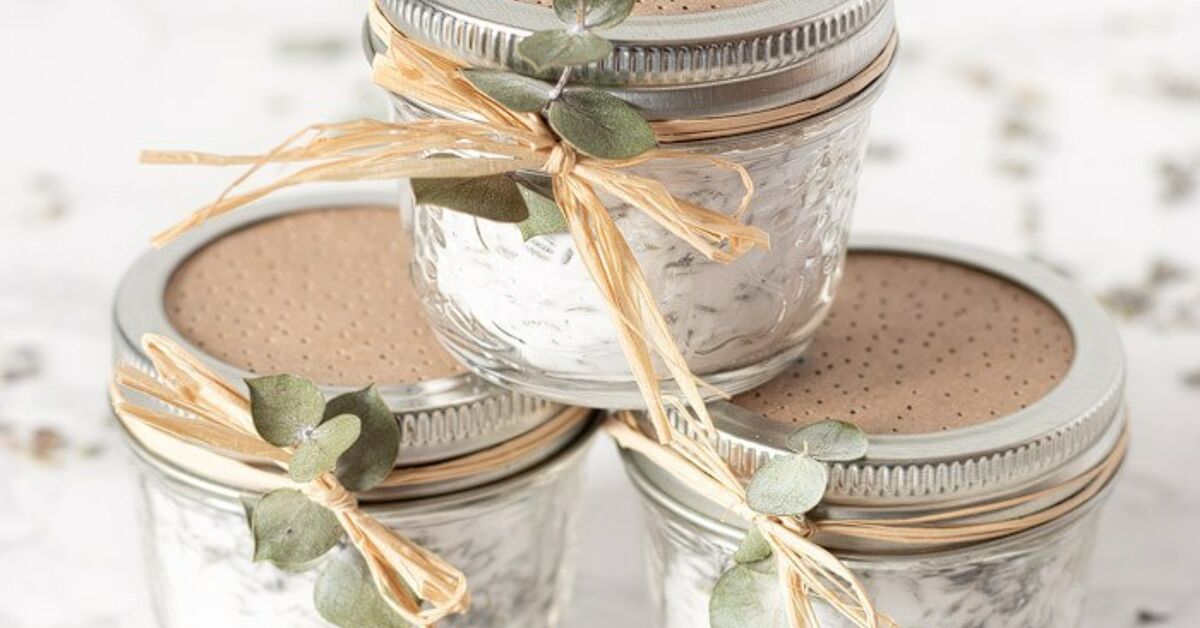
DIY air freshener jars are small containers filled with an odor-neutralizing base and scented with essential oils. Most people use Mason jars, spice jars, baby food jars, or recycled glass containers. The lid is usually perforated, covered with breathable fabric, or replaced with paper punched with tiny holes.
The idea is simple: the base ingredient helps absorb unwanted smells, while the essential oil slowly releases fragrance into the air. These jars are best for small spaces such as bathrooms, closets, laundry rooms, mudrooms, entryways, cars, and bedside tables. They are not meant to replace cleaning, ventilation, or odor-source removal. If the trash can smells like a science experiment, the jar is not the hero. The hero is taking out the trash.
Why Use Essential Oils for Homemade Air Fresheners?
Essential oils are concentrated plant extracts known for their strong natural aromas. Popular choices include lavender, lemon, orange, eucalyptus, peppermint, rosemary, tea tree, cedarwood, and grapefruit. A few drops can change the entire personality of a room. Lavender makes a bedroom feel calmer, citrus makes a kitchen feel brighter, and cedarwood gives a closet that “fancy cabin” vibe without requiring you to own a cabin.
Still, essential oils should be used with common sense. Natural does not automatically mean harmless. Essential oils are highly concentrated and should not be swallowed, applied directly to skin from the jar, or left where small children or pets can knock them over. Cats, dogs, birds, and other pets may be sensitive to certain oils, especially in concentrated form. When in doubt, choose a mild scent, use fewer drops, improve ventilation, and keep jars out of reach.
Best Ingredients for DIY Air Freshener Jars
1. Baking Soda
Baking soda is the classic choice for homemade deodorizing jars. It is inexpensive, easy to find, and useful for absorbing many household odors. It works especially well in small, enclosed areas such as closets, cabinets, refrigerators, laundry corners, and bathrooms.
The texture is powdery, so it should stay inside a jar with a secure breathable cover. Do not place an open baking soda jar where it can be tipped over unless you enjoy vacuuming tiny white dust from places you did not know existed.
2. Coarse Salt or Epsom Salt
Salt is another excellent base for scented jars. It holds essential oil well and looks more decorative than baking soda, especially in clear glass containers. Epsom salt, sea salt, or coarse kosher salt can all work. Salt-based jars are better for adding fragrance than for heavy odor absorption, so they are perfect for bedrooms, shelves, guest bathrooms, and entry tables.
3. Dried Rice
Rice is a simple scent carrier. It absorbs oil, releases fragrance gradually, and is less messy than powder. Use it in small sachet-style jars or closets where you want a light aroma. Rice does not neutralize odors as effectively as baking soda, but it is neat, cheap, and easy to refresh.
4. Activated Charcoal
Activated charcoal is excellent for odor control. It is often used in odor-absorbing bags, filters, and deodorizing products. If your main problem is musty smells, shoe odor, or a stubborn closet funk, activated charcoal can be more effective than scent alone. You can add a few drops of essential oil to a separate cotton pad inside the same jar, but avoid soaking charcoal heavily because its main job is absorption.
Basic DIY Air Freshener Jar Recipe
This is the easiest version and the best place to start. It takes about five minutes, costs very little, and gives you a reusable air freshener that looks cute enough to sit on a shelf without screaming, “I am fighting odors.”
Materials
- 1 small glass jar with a lid
- 1/2 cup baking soda, coarse salt, Epsom salt, or rice
- 10 to 20 drops essential oil
- Scrap fabric, parchment paper, or the jar lid
- Rubber band, twine, or jar ring
- Small nail and hammer if using a metal lid
- Spoon or small funnel
Instructions
- Wash and dry the jar completely. Moisture can cause clumping and reduce freshness.
- Add 1/2 cup of baking soda, salt, rice, or another base ingredient.
- Add 10 drops of essential oil for a mild scent or up to 20 drops for a stronger fragrance.
- Stir well so the oil is evenly distributed.
- Cover the jar with breathable fabric, parchment paper with small holes, or a metal lid punched with holes.
- Secure the cover with the jar ring, twine, or a rubber band.
- Place the jar in a safe spot away from pets, children, direct sunlight, and heat sources.
Shake the jar gently every few days to reactivate the scent. Add a few more drops of essential oil when the fragrance fades. Replace the base every four to six weeks, or sooner if the jar has absorbed strong odors.
Best Essential Oil Blends for Air Freshener Jars
The fun part of making homemade air fresheners is creating scent blends that fit each room. Think of essential oils like seasoning. A little is delightful. A lot can turn your home into a botanical wrestling match.
Fresh Kitchen Blend
Mix 8 drops lemon essential oil, 5 drops orange essential oil, and 3 drops rosemary essential oil. This blend smells bright, clean, and cheerful. It works well near the kitchen trash area, pantry, or breakfast nook.
Calm Bedroom Blend
Combine 10 drops lavender essential oil, 4 drops cedarwood essential oil, and 2 drops sweet orange essential oil. This creates a soft, relaxing scent that is pleasant near a nightstand or dresser. Keep it subtle; bedrooms should feel peaceful, not perfumed like a department store elevator.
Bathroom Fresh Blend
Use 8 drops eucalyptus essential oil, 6 drops lemon essential oil, and 3 drops tea tree essential oil. This blend smells crisp and clean. Use lightly in small bathrooms, especially if ventilation is limited.
Closet and Laundry Blend
Try 8 drops lavender essential oil, 5 drops cedarwood essential oil, and 4 drops grapefruit essential oil. This blend is fresh without being sharp, making it a good choice for linen closets, laundry shelves, and mudrooms.
Holiday Cozy Blend
Mix 6 drops orange essential oil, 4 drops cinnamon leaf essential oil, and 3 drops clove essential oil. This smells warm and festive, but use cinnamon and clove sparingly because they are strong. A little holiday cheer is lovely. A jar that smells like it is yelling “DECEMBER!” from across the room is less lovely.
Where to Place DIY Air Freshener Jars
Placement matters. A jar tucked behind a stack of winter coats will not freshen much beyond the emotional state of the coats. Put your air freshener jar where air naturally moves but where it will not spill.
- Bathroom: Place on a high shelf, toilet tank tray, or windowsill.
- Closet: Place on a stable shelf away from clothing that could touch the oils.
- Laundry room: Set near hampers, but not where damp clothes can fall into it.
- Entryway: Use a decorative salt jar near shoes or bags.
- Kitchen: Place near trash areas, but not beside food prep surfaces.
- Car: Use a very small jar with a secure lid and keep it upright in a cup holder or storage pocket.
How Long Do Homemade Air Freshener Jars Last?
Most DIY air freshener jars last about two to six weeks, depending on the base ingredient, room size, airflow, humidity, and how many drops of essential oil you use. Baking soda jars may keep absorbing odors after the scent fades, while salt and rice jars are mainly fragrance carriers.
If the jar stops smelling fresh, stir the contents and add 5 to 10 more drops of essential oil. If the base looks clumpy, dusty, dirty, or tired from fighting the good fight, replace it. You will know. Your nose will file a complaint.
Safety Tips Before You Start
Essential oil air freshener jars are simple, but they still deserve careful handling. Keep essential oils away from eyes, mouth, broken skin, children, and pets. Do not place jars where they can spill onto furniture, floors, bedding, or clothing. Some oils may stain surfaces or irritate skin.
Use extra caution with homes that include babies, toddlers, pregnant people, people with asthma, people with fragrance sensitivity, or pets. Choose mild oils, use fewer drops, and avoid making the scent too intense. Good indoor air is not created by covering every smell with fragrance. It starts with removing odor sources, cleaning regularly, and improving ventilation.
Common Mistakes to Avoid
Using Too Much Essential Oil
More oil does not always mean better results. Too much can smell overwhelming and may bother sensitive people or animals. Start with 10 drops per half cup of base. You can always add more later, but you cannot easily un-peppermint an entire bathroom.
Ignoring the Source of the Odor
Homemade air fresheners help with light odors, but they do not solve mold, mildew, dirty drains, spoiled food, pet accidents, or damp laundry. If a smell keeps returning, investigate it. Your jar is a helper, not a detective with a badge.
Using Wet Jars
Always dry jars before filling them. Moisture can cause baking soda to clump and may create musty smells. A clean, dry jar gives your homemade deodorizer the best chance to work properly.
Leaving Jars Within Reach
Children and pets are curious. A jar filled with scented powder or salt may look interesting, and concentrated essential oils are not safe to taste or touch. Always place jars high, stable, and out of reach.
Decorating Ideas for Air Freshener Jars
One reason DIY air freshener jars are so popular is that they can double as small home decor pieces. Use mini Mason jars for farmhouse style, amber jars for a spa-like look, or recycled spice jars for a low-waste option. Add a small label with the scent name and date made. “Lavender Cedarwood, May 12” looks charming and also prevents the classic household mystery of “How old is this thing?”
For gifts, tie twine around the lid and include a small tag with instructions: “Shake gently every few days. Add more oil when the scent fades. Keep away from children and pets.” A set of three jars with different blends makes a thoughtful housewarming, dorm room, or holiday gift.
Room-by-Room Scent Suggestions
Different rooms need different scent personalities. In a kitchen, citrus and herbs work beautifully because they smell clean without clashing with food. In a bedroom, lavender, cedarwood, and chamomile-style blends feel softer. Bathrooms can handle eucalyptus, lemon, and mint, but use them lightly in small spaces. Closets benefit from cedarwood, lavender, and grapefruit. Entryways work well with orange, rosemary, or a gentle woodsy scent.
The best approach is to match the scent to the purpose of the room. A home office may feel better with rosemary and lemon. A guest bathroom may benefit from lavender and citrus. A laundry area can smell fresh with lemon, tea tree, or eucalyptus. The goal is not to make every room smell identical. That would be efficient, yes, but also slightly like living inside one giant candle.
of Real-Life Experience: What Actually Works
After testing DIY air freshener jars in different rooms, the biggest lesson is that subtle wins. The first instinct is to add a heroic amount of essential oil because the jar smells amazing when you are mixing it. Then you place it in a tiny bathroom, close the door, return an hour later, and discover you have created a lavender thundercloud. Start small. Ten drops in half a cup of baking soda or salt is usually enough for a small room.
Baking soda works best in places where odors actually need absorbing. It is excellent near shoe racks, laundry hampers, bathroom corners, and under-sink cabinets. However, it is not the prettiest option unless you dress up the jar. A fabric top, kraft label, and clean glass container make a big difference. Without that, it can look like you forgot a baking ingredient on a shelf and decided to call it decor.
Salt jars look better and hold scent nicely. For open shelves, guest bathrooms, and bedside tables, coarse salt or Epsom salt is the more attractive choice. It sparkles a little in the jar and feels intentional. The downside is that salt does not fight strong odors as well as baking soda or activated charcoal. So if the problem is mild staleness, salt is great. If the problem is “teen sneakers after sports practice,” bring in baking soda or charcoal and maybe emotional support.
Rice jars are underrated. They are clean, simple, and easy to refresh. A small rice jar with lavender and cedarwood works well in drawers or closets. The scent is gentle, not bossy. Rice is also less messy if the jar tips slightly, though you still want a secure lid. For cars, rice may be safer and neater than powder, as long as the container is small and tightly covered with holes in the lid.
The best scent blends are usually balanced. Lemon alone can smell fresh but may fade quickly. Lavender alone can become too floral. Peppermint alone can feel intense in small spaces. Combining top notes, such as lemon or grapefruit, with softer notes, such as lavender or cedarwood, creates a longer-lasting and more pleasant scent. A favorite everyday blend is lemon, lavender, and cedarwood because it smells clean, calm, and not too sweet.
Another practical lesson: label the date. DIY jars are easy to forget. They sit politely on a shelf until one day you realize they have been there since the previous season, silently collecting dust and judging your calendar skills. A small date label tells you when to refresh or replace the base. For most jars, four weeks is a good refresh point.
Finally, homemade air freshener jars work best as part of a clean-home routine. Open windows when weather allows, empty trash often, wash pet bedding, dry towels fully, and clean drains before blaming the air. A DIY jar should be the finishing touch, not the entire strategy. Think of it as the earrings of home cleaning: lovely, noticeable, but not a substitute for taking a shower.
Conclusion
Learning how to make DIY air freshener jars with essential oils is one of the easiest ways to freshen your home naturally, save money, and reuse glass jars you already have. With a simple base like baking soda, salt, rice, or activated charcoal, plus a carefully measured amount of essential oil, you can create a custom scent for almost any room.
The key is balance. Use enough essential oil to create a pleasant fragrance, but not so much that the room smells like a spa had an argument with a lemon tree. Keep jars dry, secure, labeled, and safely out of reach. Most importantly, remember that fresh air begins with clean habits: remove odor sources, ventilate rooms, and use your DIY jars as a gentle finishing touch.
Note: This article is written for web publishing and is based on widely accepted home-care, indoor air quality, and essential oil safety guidance. Always use essential oils cautiously around children, pets, pregnant people, and anyone with asthma or fragrance sensitivity.