References are like the “director’s commentary” on your work ethic: most people don’t want it playing during the movie, but when they do ask for it, they want it crystal clear, easy to follow, and totally credible.
This guide shows you exactly how to list references the right way in the U.S. job marketwhat to include, where to put them (spoiler: usually not on the resume), and how to avoid the classic mistakes that make recruiters sigh dramatically into their coffee.
Should You Put References on a Resume?
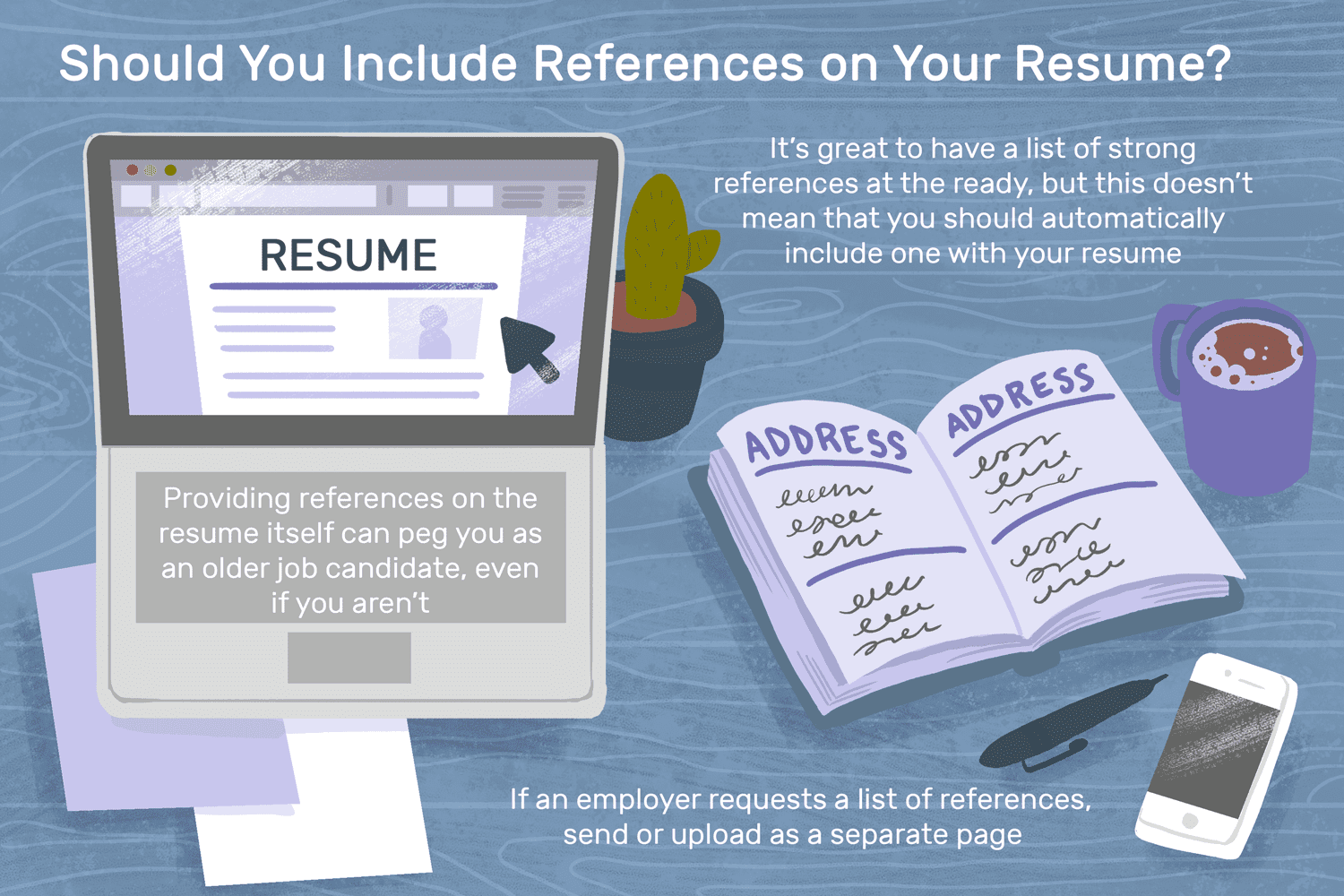
In most cases, no. Modern hiring generally treats references as a later-stage item. Your resume’s job is to sell your skills, results, and fitnot to become a phone book of people who can confirm you’re not a professional menace.
When it does make sense to include references
- The employer explicitly asks for references with the resume (rare, but it happens).
- You’re submitting an academic CV (references are more common in academic materials than in a standard resume).
- A form or portal requires them during the application step (that’s not “on the resume,” but it’s still part of your application).
What about “References available upon request”?
It’s usually unnecessary. Employers already know they can ask, and that line eats space you could use for accomplishments. If you feel tempted to include it, consider swapping it for… nothing. Silence is free, elegant, and doesn’t waste a line.
The Better Option: Create a Reference List (Reference Page)
The standard approach is a separate reference sheet (sometimes called a resume reference list or reference page). Think of it as a clean add-on document you provide only when requestedoften after an interview or when you’re close to an offer.
How many references should you list?
Most candidates prepare 3–5 professional references. Keep an extra “backup bench” in case someone is traveling, unreachable, or mysteriously disappears into the LinkedIn wilderness.
Who Makes a Great Professional Reference?
Your goal is simple: choose people who can speak to your work with specificsnot just “Yes, I have met this human.”
Strong choices
- Direct managers or supervisors (best overallif the relationship is positive).
- Team leads or senior coworkers who closely partnered with you.
- Cross-functional partners (e.g., sales, product, operations) who saw your impact.
- Clients or vendors (especially for customer-facing roles).
- Professors/advisors (especially for students and early-career candidates).
References to avoid
- Family members (unless the job posting explicitly allows personal references).
- Friends who can’t speak to your work performance.
- Anyone you haven’t spoken to in years (your “glowing reference” shouldn’t start with “Remind me who you are?”).
- People who might be surprised by a call. Surprise is great for birthday parties, not background checks.
Match your references to the role
Tailor your list the same way you tailor your resume. Applying for a project management role? Choose references who can speak to your planning, stakeholder management, and delivery. Applying for a sales role? Pick someone who can talk pipeline, relationships, and results.
How to Ask Someone to Be a Reference (Without Making It Weird)
Always ask permission first. It’s both professional and practical: people give better references when they’re prepared.
What to send your reference
- The job title and a link or pasted description
- Your most recent resume (or a few bullets on what you want highlighted)
- One or two accomplishments you’re proud of (make it easy for them to be specific)
- Your preferred contact details (so they can confirm accuracy)
Copy-ready “ask” message
How to Format a Reference Page
Your reference list should look like it belongs with your resumesame header style, same font family, and the same general design. It should feel like a matching set, not like you printed it from a toaster.
What to include at the top
- Your name
- Your phone number
- Your email address
- Your location (City, State) or LinkedIn URL (optional)
What to include for each reference
- Name
- Title
- Company/Organization
- Phone number
- Email address
- Relationship context (one line: “Former manager at X (2022–2024)”)
- Location (optional; include if requested or relevant)
Reference page template
Example (filled in)
When and How to Submit References
1) If an application portal asks for references
Follow the instructions and provide what’s required. Keep your list consistent, accurate, and updated. If the portal allows notes, you can briefly clarify the relationship (e.g., “Former manager”).
2) If a recruiter asks you to email references
Send your reference page as a PDF titled something like “FirstLast_References.pdf”. Keep the email short and professional:
3) If you’re going into interviews
Bring a printed copy (or have a PDF ready). Some interviewers ask at the end, and being ready makes you look organizedeven if your backpack is a chaotic museum exhibit.
Common Mistakes That Can Hurt You
- Listing references without permission (privacy + awkwardness + worse reference quality).
- Outdated contact info (nothing says “detail-oriented” like a disconnected phone number).
- Using the wrong type of reference (a friend vouching for your “vibes” is rarely helpful).
- Overloading the resume with references instead of accomplishments.
- Not prepping references on the role you’re pursuing.
Pro Tips for a Reference Check That Actually Helps
- Give your references a heads-up when you reach late-stage interviews. A quick message increases response speed and quality.
- Align on 2–3 themes you want reinforced (e.g., leadership, reliability, customer obsession).
- Use a balanced set: one manager + one peer + one cross-functional/client reference is often strong.
- Keep your reference page updated every time you job searcheven if you’re “just browsing.”
- Send thank-yous afterward. People who feel appreciated tend to stay in your corner.
FAQ: Quick Answers
Do employers always check references?
Not always, but many do when they’re seriously considering you. It varies by company, role, and industry.
Can I use LinkedIn recommendations instead?
LinkedIn recommendations can support your credibility, but they usually don’t replace formal references when a company runs a reference check.
What if I’m currently employed and need confidentiality?
That’s normal. Use references from prior roles, clients, or trusted colleagues, and communicate that your current employer should not be contacted unless you explicitly approve it.
Conclusion
If you remember nothing else, remember this: your resume is not the place to list references in most situations. Instead, prepare a polished reference list, ask permission, keep it consistent with your resume branding, and share it only when requested. Done right, your references become an extra layer of proof that your bullet points aren’t just well-writtenthey’re true.
Real-World Reference Experiences (What Actually Happens)
In real hiring processes, references aren’t just a checkboxthey’re often used to reduce risk. That means your reference strategy can quietly help you win… or quietly make things harder than they need to be. Here are a few common “in-the-wild” experiences candidates run into, plus what they teach you.
Experience #1: The “We need references today” scramble. A recruiter calls after your final interview: “Can you send three references by end of day?” Candidates who didn’t prep in advance spend hours texting former managers, hunting down emails, and praying someone answers. Candidates who already have a clean reference page? They attach a PDF in 30 seconds and look effortlessly organized. The takeaway: even if you’re not actively job searching, keep a draft reference list ready. It’s like keeping a spare tiremost days you don’t need it, but the day you do, you REALLY do.
Experience #2: The reference who loves you… but forgets details. Many references genuinely want to help, but they may not remember your specific achievements from two years agoespecially if they managed 12 people and 47 projects. Candidates get stronger outcomes when they send a short “memory jogger”: the role you’re applying for, 2–3 accomplishments you’d love emphasized, and the skills you want reinforced. This is not “feeding lines.” It’s helping a busy person be accurate and specific. Specific beats generic every time.
Experience #3: The mismatch problem. A candidate applies for a client-facing role but lists only academic references. Or applies for a leadership role but lists only peers who can’t speak to management. The reference check then returns lukewarmnot because you aren’t good, but because the references can’t confirm the exact skills the employer is evaluating. The fix is simple: match references to the job. If the role prioritizes stakeholder management, include someone who watched you handle stakeholders. If it prioritizes technical depth, include someone who saw your technical work up close.
Experience #4: The “surprise call” backfire. Sometimes employers call references quickly. If your reference wasn’t expecting it, they might miss the call, delay responding, or respond while distracted. Candidates who send a heads-up (“They may reach out this weekthank you again!”) often get faster responses and better-quality feedback. It’s a small move that can speed up an offer.
Experience #5: The privacy and spam issue. Posting reference contact info on a resume that gets uploaded everywhere can expose your references to unwanted calls, emails, or recruiter spam. More employers understand this now, which is part of why the separate reference sheet is the norm. Protecting your references also protects your reputationbecause nobody wants to be remembered as the person who accidentally volunteered their manager’s phone number to the entire internet.
Bottom line: references work best when they’re prepared, relevant, and respected. Treat your reference list like a professional document, not an afterthought, and it becomes a quiet advantageespecially when hiring teams are deciding between two equally qualified finalists.