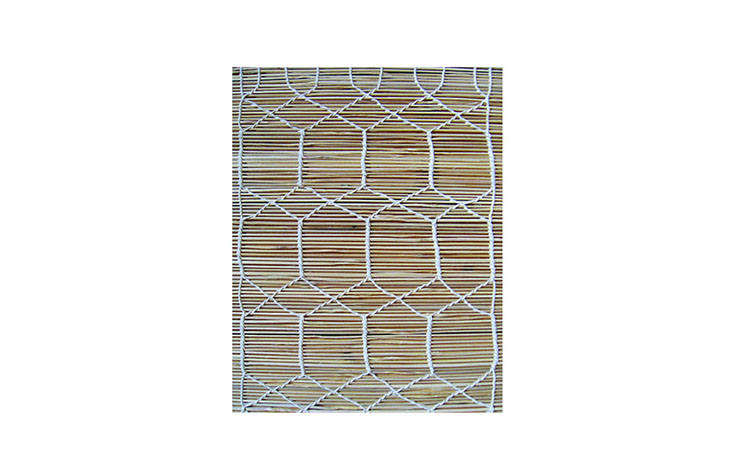
If a plain roller shade is the sensible white sneaker of window treatments, a Nagaur chik blind is the handcrafted sandal you buy on vacation and somehow wear with everything. It is relaxed, textured, warm, a little exotic, and far more interesting than another “greige” curtain panel pretending to have a personality. The phrase 5 Nagaur Chik Blinds usually points to the Nagaur pattern within the broader family of Indian split-bamboo chik blinds: handwoven bamboo shades with decorative cotton-string latticework, traditionally used to soften harsh sunlight, cool interiors, and create privacy without turning a room into a cave.
Chik blinds are not new. Their roots sit deep in Indian architecture, especially in regions where hot summers and bright sun made shading a daily survival skill, not a decorating afterthought. The Nagaur design, in particular, is admired for its ornamental patterning and historic character. It has been described as inspired by an eighteenth-century miniature painting, which is a fancy way of saying: yes, your window can wear art.
Today, Nagaur chik blinds appeal to homeowners, decorators, boutique hotel owners, and anyone who wants natural window coverings with soul. They combine the airy feel of bamboo shades, the graphic charm of hand-tied lattice designs, and the practical magic of filtered daylight. Below, we will explore five smart ways to understand, choose, style, and live with Nagaur chik blinds without making your home look like a museum gift shop had a very emotional day.
What Are Nagaur Chik Blinds?
Nagaur chik blinds are traditional split-bamboo blinds featuring a decorative woven pattern. The term “chik” refers to bamboo shades historically used in India to block glare and reduce heat while still allowing air and soft light to pass through. Unlike flat vinyl blinds or heavy drapes, chik blinds have texture, movement, and shadow play. When sunlight filters through the bamboo strips and cotton-thread design, the room gets a dappled glow that feels calm, layered, and human.
The Nagaur pattern is one of several well-known chik blind designs, often grouped with styles such as Barfi, Gilas, Chirag, Sidha, and Choodi. What makes Nagaur special is its more elaborate latticework. It is decorative enough to become a focal point, but still restrained enough to work in a real home where people leave coffee mugs on side tables and occasionally lose the TV remote.
Most authentic chik blinds are made from natural bamboo strips, cotton thread, tape edging, cord, and wooden pulleys. The bamboo is usually kept natural, while the cotton string, tape, pulley cord, and hardware may be dyed in custom colors. This gives Nagaur chik blinds a flexible design personality: earthy and traditional in undyed tones, crisp and graphic with black cord, softer with warm brown, or playful with a custom color that matches the room.
1. Nagaur Chik Blinds for Sun-Softened Living Rooms
The living room is where Nagaur chik blinds can truly show off. A standard curtain may block light; a Nagaur chik blind edits it. The bamboo strips filter brightness, while the handwoven pattern adds a decorative layer that changes throughout the day. Morning light feels fresh and golden. Afternoon sun becomes gentler. Evening shadows look intentional, even if the rest of the room currently contains one sock and a pile of unopened mail.
For American homes with large living room windows, Nagaur chik blinds are especially useful when the goal is to reduce glare without losing natural light. They work beautifully in rooms with plaster walls, limewash paint, warm neutrals, terracotta, oak floors, rattan chairs, linen sofas, or antique wood furniture. They also pair surprisingly well with modern interiors. In a minimalist room, the lattice pattern adds softness and handcrafted detail so the space does not look like a very expensive waiting room.
Best styling idea for living rooms
Use Nagaur chik blinds as the inner layer and add simple linen curtain panels on the outside. During the day, lower the chik blinds for filtered light and texture. At night, close the curtains for deeper privacy. This layered approach gives you the best of both worlds: the breezy personality of bamboo shades and the cozy coverage of drapery.
2. Nagaur Chik Blinds for Bedrooms With Character
Bedrooms need privacy, softness, and enough darkness to convince your brain that scrolling is not a sleep ritual. Nagaur chik blinds can work well in bedrooms, but there is one important point: unlined bamboo or woven wood shades are typically light-filtering, not blackout. That means they soften sunlight and provide daytime privacy, but they may not fully block exterior light or nighttime visibility when lamps are on inside.
The solution is simple: add a privacy or blackout liner behind the chik blind, or pair it with curtains. A liner preserves the decorative front while improving light control. For street-facing bedrooms, nurseries, guest rooms, and primary suites, this upgrade is worth serious consideration. Think of it as giving your beautiful blind a sensible backstage crew.
Design-wise, Nagaur chik blinds are excellent for bedrooms that lean toward organic modern, colonial-inspired, coastal, bohemian, or collected traditional style. Their bamboo texture warms up white bedding. Their pattern adds detail without requiring loud wallpaper. And their handmade quality makes a bedroom feel less like a furniture showroom and more like a place where actual rest might happen.
Best styling idea for bedrooms
Choose natural bamboo with dark brown or black stitching if your room has black lamps, bronze hardware, or dark wood furniture. Choose lighter stitching for a softer, quieter look. If the room already has patterned bedding, keep the blind color subtle so the window does not start arguing with the duvet.
3. Nagaur Chik Blinds for Verandas, Sunrooms, and Porches
Historically, chik blinds are associated with verandas and sun-drenched spaces, so porches and sunrooms are a natural fit. They can reduce glare, create shade, and make an outdoor-adjacent room feel cooler and more private. For a covered porch, garden room, or screened sitting area, Nagaur chik blinds bring resort-level charm without requiring anyone to bring you a tiny umbrella drink.
However, bamboo is a natural material, and natural materials have opinions about moisture. Chik blinds are best used in protected areas rather than fully exposed outdoor locations where they will face rain, heavy humidity, or constant dampness. In wet environments, bamboo may warp, mildew, or age faster. If you want the Nagaur look outdoors, choose a covered installation and make sure the blinds can dry properly after humid weather.
In sunrooms, Nagaur chik blinds can be mounted inside the window frame for a tailored look or outside the frame for more coverage. Outside mounting can make windows appear larger and help reduce light gaps. Inside mounting looks cleaner and more architectural. The right choice depends on the window depth, trim, and how much privacy you need.
Best styling idea for porches
Use Nagaur chik blinds with cane chairs, washable cushions, clay planters, and a sturdy outdoor rug. Keep the palette natural: sand, tobacco, cream, olive, rust, and muted blue. The result feels relaxed, not theme-park tropical.
4. Nagaur Chik Blinds for Dining Rooms and Breakfast Nooks
Dining rooms are underrated places for statement window treatments. A Nagaur chik blind adds pattern and atmosphere without competing with table settings, artwork, or lighting. In a breakfast nook, it can turn a basic window into a design feature. Add filtered morning sunlight and suddenly cereal feels curated. Still cereal, but curated.
The Nagaur pattern works particularly well in dining spaces because it gives the eye something to enjoy at a distance. The lattice reads as decorative architecture rather than busy fabric. This matters in rooms where chairs, table legs, pendant lights, shelves, dishes, and flowers already create visual activity.
For practical use, consider how close the blinds are to cooking areas. Bamboo shades can collect dust and cooking residue over time, so they are better for dining rooms and breakfast areas than directly beside a steamy stove. If the nook is near a kitchen, regular dusting and occasional gentle spot cleaning will keep the bamboo looking fresh.
Best styling idea for dining spaces
Match the cord or edging tape to one small accent in the room, such as black chair frames, brown leather seats, or a muted wall color. This makes the blind feel intentional instead of “I found this online at midnight and made a brave decision.”
5. Nagaur Chik Blinds for Layered, Collected Interiors
The most beautiful homes rarely look like everything arrived in one truck on one Saturday. They feel layered. They mix old and new, rough and polished, handmade and clean-lined. Nagaur chik blinds are ideal for this collected style because they carry history without feeling heavy.
Use them with antique mirrors, modern sofas, woven rugs, brass hardware, block-print pillows, ceramic lamps, and simple white walls. The bamboo adds texture. The lattice adds rhythm. The natural color keeps everything grounded. If your room has too many smooth surfacesglass, metal, painted cabinets, polished stonea chik blind introduces relief. It is the design equivalent of adding crunch to a salad.
They also fit beautifully into global-inspired interiors, but the trick is restraint. Do not overload the room with every carved table, embroidered pillow, and lantern you can find. Let the Nagaur blind be one strong artisanal note. Pair it with simpler pieces so it can breathe.
How to Choose the Right Nagaur Chik Blinds
Measure carefully
Custom chik blinds depend on accurate measurements. For inside mounts, measure the exact width and height inside the window frame in several places. For outside mounts, decide how much extra coverage you want beyond the frame. A wider outside mount can improve privacy and reduce edge gaps.
Decide how much privacy you need
If the window faces a private garden, an unlined chik blind may be enough. If it faces a sidewalk, neighbor, driveway, or bedroom window, add a liner or pair it with curtains. Bamboo is beautiful, but it is not a secret agent. At night, interior lights can reduce privacy through open-weave materials.
Choose natural or colored details
Natural cotton thread gives a soft, classic look. Black stitching makes the pattern sharper and more graphic. Brown tones feel warm and traditional. Custom colors can be charming, but choose carefully. A fashionable color may feel exciting now and oddly specific later, like naming a child after a trending app.
Consider cord safety
Traditional chik blinds often use rope and pulley systems. In homes with young children or pets, accessible cords can be dangerous. Choose safer operating systems where available, keep cords secured and out of reach, and avoid placing beds, cribs, or climbable furniture near corded window coverings.
Cleaning and Maintenance Tips
Nagaur chik blinds are easier to maintain when you treat them gently and consistently. Dust them with a microfiber cloth, feather duster, or vacuum brush attachment. Work with the direction of the bamboo rather than scrubbing across it. For small stains, use a barely damp cloth with mild soap, then dry the area promptly. Avoid soaking the bamboo, using harsh chemicals, or attacking the blind like it owes you money.
Because bamboo is organic, moisture control matters. Avoid installing chik blinds in shower windows, very damp bathrooms, or places where condensation is constant. In humid spaces, ventilation is your friend. In sunny rooms, rotate or raise the blinds occasionally to prevent uneven aging. Natural materials develop character over time, but there is a fine line between patina and “this lived through a swamp.”
Design Pros and Cons of Nagaur Chik Blinds
Pros
Nagaur chik blinds bring natural texture, filtered light, artisan detail, and historic charm. They are visually lighter than heavy drapes and warmer than metal or vinyl blinds. They suit traditional, modern, coastal, bohemian, and transitional homes. They can also be customized by size and detail color, which makes them more flexible than many ready-made shades.
Cons
They are not ideal for full blackout unless lined. They may not be the best choice for wet rooms or exposed outdoor areas. They require careful measuring, gentle cleaning, and thoughtful cord management. Also, because they are handmade, slight variations are part of the charm. If you want machine-perfect sameness, bamboo chik blinds may politely suggest you shop elsewhere.
of Real-Life Experience: Living With the Nagaur Chik Blind Look
The first thing people usually notice after installing Nagaur chik blinds is not the blind itself, but the light. The room changes. Bright sun becomes calmer, edges soften, and the floor gets a patterned wash that looks expensive even if the coffee table came from a clearance aisle. This is the biggest everyday pleasure of chik blinds: they do not simply cover a window; they improve the mood of the room.
In a living space, the experience feels especially rewarding during transitional hours. Early morning light through bamboo has a warm, quiet quality. It makes the room feel awake without being loud. Late afternoon sun, which can be harsh and bossy, becomes more manageable. You can still read, talk, work, or enjoy the room without squinting like you are being interrogated by the sun.
The second experience is texture. Many American interiors rely heavily on painted drywall, flat cabinet fronts, smooth glass, and upholstered furniture. These elements are useful, but too many smooth surfaces can make a room feel bland. Nagaur chik blinds add a handmade layer that breaks up all that flatness. Even when the color is neutral, the pattern gives the window depth. Guests may not immediately know what they are looking at, but they often sense that the room feels more designed.
Privacy is where expectations need to be realistic. During the day, chik blinds are excellent for soft screening. They make a room feel protected while still connected to the outside. At night, however, a lighted room behind an unlined bamboo shade may be more visible than homeowners expect. The best real-world setup is layered: chik blind plus liner, or chik blind plus curtain. That combination keeps the daytime beauty and solves the nighttime privacy issue.
Cleaning is not difficult, but it does reward routine. A quick weekly dusting prevents buildup in the bamboo strips and string pattern. Waiting too long means dust settles into the weave, and then the job becomes more annoying. The best method is gentle and boring, which is exactly what bamboo wants. A soft cloth, a vacuum brush, and a light touch will do more good than a dramatic cleaning spray collection.
The most pleasant surprise is versatility. Nagaur chik blinds may sound highly specific, but they work in more rooms than expected. They can warm up a modern white room, calm down a colorful room, or add authenticity to a traditional room. They look good with linen, cane, oak, stone, plaster, brass, and handmade ceramics. They even make simple furniture look more considered.
The main lesson from living with the Nagaur chik blind look is this: choose them because you enjoy natural variation. Bamboo is not plastic. The weave may have tiny differences. The tone may shift slightly. The blind may age gently with light and use. That is not a flaw; it is the point. A Nagaur chik blind brings a little evidence of hands, materials, weather, and tradition into a home. In a world full of mass-produced smoothness, that feels quietly luxurious.
Conclusion
Nagaur chik blinds are more than decorative bamboo shades. They are practical, historical, and beautifully atmospheric window coverings that filter sunlight, add privacy, and give interiors a warm handcrafted layer. Whether used in a living room, bedroom, porch, dining nook, or collected interior, they bring texture and charm without shouting for attention. The key is to match them to the right space, measure carefully, consider privacy liners when needed, and maintain them gently. Do that, and your windows may become the most interesting part of the roomwhich is impressive, considering windows usually just stand there.