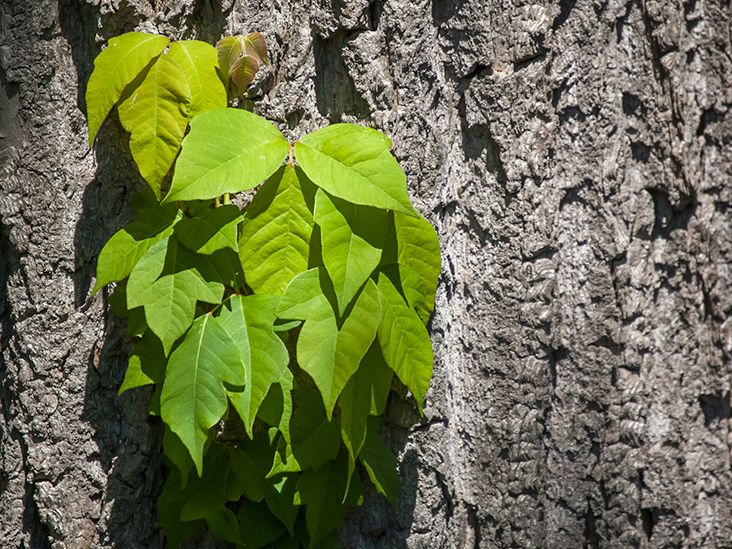
There are many ways to ruin a perfectly good day outdoors: a flat tire, a surprise thunderstorm, a squirrel stealing your trail mix. But few things are as annoyingly memorable as brushing against poison ivy, poison oak, or poison sumac and discovering days later that your skin has decided to host an itch festival.
These plants may look like ordinary greenery, but they contain an oily resin called urushiol. For many people, urushiol triggers allergic contact dermatitis: an itchy, red, swollen rash that may develop blisters and stick around long enough to make you question every life choice that led you into the woods.
The good news is that most poison oak, poison ivy, and poison sumac rashes can be treated at home. The better news is that knowing what the plants look like, what to do immediately after exposure, and when to call a medical professional can make the entire experience much less miserable.
What Causes Poison Ivy, Oak, and Sumac Rashes?
Poison ivy, poison oak, and poison sumac belong to the Toxicodendron family. Their shared troublemaker is urushiol, a sticky oil found in the leaves, stems, vines, roots, flowers, and berries. Even a leafless vine in winter can carry enough oil to cause a reaction, which is a cruel little detail nature apparently included for dramatic effect.
Urushiol can reach your skin in several ways. You may brush directly against a plant while gardening, hiking, camping, fishing, clearing brush, or chasing a dog that has no respect for landscaping boundaries. You can also pick it up indirectly from gardening gloves, shoes, tools, sports equipment, clothing, firewood, or pet fur.
A poison plant rash is not contagious. You cannot catch it from another person’s blisters or from the clear fluid that leaks from them. However, urushiol left on skin, clothing, tools, or animal fur can transfer to another person and trigger a new rash. In other words, the rash itself is not the villain. The leftover oil is.
How to Identify Poison Ivy, Poison Oak, and Poison Sumac
Plant identification can feel a little unfair because these plants are shape-shifters. Their leaf color, size, texture, and growth pattern can vary by season and region. Still, a few clues can help you avoid an unwanted encounter.
Poison Ivy: The Famous Three-Leaf Trouble Maker
Poison ivy is often recognized by its three leaflets. The middle leaflet usually has a longer stem than the two side leaflets. Leaves may have smooth, toothed, or slightly lobed edges, so do not rely on one perfect leaf shape.
Poison ivy may grow as a low shrub, a ground cover, or a climbing vine. Older vines can have fuzzy-looking aerial roots that cling to tree trunks, fence posts, and walls. During warmer months, leaves are often green, while spring leaves may appear reddish and fall leaves may turn orange, yellow, or red.
The old saying, “Leaves of three, let it be,” is a useful reminder, but it is not a plant-identification diploma. Plenty of harmless plants have three leaves, and poison ivy does not always look like the cartoon version printed on warning signs.
Poison Oak: Oak-Like Leaves in Groups of Three
Poison oak also usually has three leaflets, but its leaves often resemble small oak leaves with rounded lobes. In some areas, poison oak grows as a low shrub. In others, especially in parts of the western United States, it may grow as a vine or taller shrub.
Poison oak can appear glossy, dull, green, reddish, or yellow depending on the season. The name gives one helpful clue: its leaves may look somewhat like oak leaves. Unfortunately, the word “somewhat” is doing a lot of heavy lifting here. When in doubt, do not touch it.
Poison Sumac: The Wetland Relative
Poison sumac looks different from poison ivy and poison oak. Instead of three leaflets, poison sumac usually has compound leaves with seven to thirteen smooth-edged leaflets. It often grows as a shrub or small tree in swampy, boggy, or very wet areas.
Its berries are usually pale yellow, cream-colored, or grayish-white and grow between the leaves and branches. This helps distinguish poison sumac from common nonpoisonous sumac varieties, which often have fuzzy red berry clusters at the ends of their branches.
One important takeaway: “Leaves of three” applies to poison ivy and poison oak, but not poison sumac. Poison sumac did not get the memo about making identification easy.
Common Poison Plant Look-Alikes
Virginia creeper is one of the most common poison ivy look-alikes. It usually has five leaflets rather than three and may climb trees or fences. Wild blackberry, young boxelder, and some other native plants can also confuse hikers and gardeners.
If you cannot confidently identify a plant, treat it as suspicious. Avoid touching it with bare skin, keep children and pets away, and consider checking a local extension office, park service, or plant-identification resource before removing it.
What Does a Poison Ivy, Oak, or Sumac Rash Look Like?
A poison plant rash usually does not appear instantly. For people who have had a reaction before, symptoms may develop within hours to a couple of days. A first reaction can take longer because the immune system may need time to become sensitized.
Common signs include:
- Intense itching or burning
- Redness, darker discoloration, or purple-gray bumps on darker skin tones
- Swelling
- Small bumps, welts, or fluid-filled blisters
- Linear streaks or patches where the plant brushed against the skin
- Clear fluid that may ooze from broken blisters before crusting over
Many people think the rash is spreading because new areas may appear over several days. Often, this happens because different parts of the body absorbed different amounts of urushiol at different speeds. It can also happen when oil remains under fingernails or on contaminated objects and gets transferred elsewhere.
What to Do Immediately After Touching Poison Plants
Speed matters. If you think you touched poison ivy, poison oak, or poison sumac, wash the exposed skin as soon as possible. Urushiol begins binding to the skin quickly, but prompt cleaning may reduce the severity of the reaction.
Your First-Aid Checklist After Exposure
- Wash the exposed area gently. Use soap and cool or lukewarm water, rubbing alcohol, or a poison plant wash product.
- Rinse thoroughly. Use plenty of water so you are removing the oil instead of merely moving it around.
- Clean under your fingernails. Urushiol loves hiding under nails like it pays rent there.
- Remove and wash contaminated clothing. Include socks, shoes, gloves, hats, jackets, and gear.
- Clean tools and equipment. Garden shears, hiking poles, bicycle handles, and sports gear can hold urushiol for a long time.
- Bathe pets carefully. Wear gloves while washing a dog or cat that may have walked through poisonous plants.
Avoid scrubbing aggressively. Hard scrubbing can irritate the skin and may spread the oil across a larger area. Gentle washing and thorough rinsing are the goal.
How to Treat Poison Oak, Ivy, and Sumac Rashes at Home
Most mild poison plant rashes improve on their own within one to three weeks. The main mission is controlling itch, reducing inflammation, protecting the skin, and resisting the deeply tempting urge to scratch until you become one with the furniture.
Use Cool Compresses
Apply a clean, cool, damp cloth to itchy areas for 15 to 30 minutes at a time. Cool compresses can calm irritation and offer temporary relief without adding new products to sensitive skin.
Try Calamine Lotion or Hydrocortisone Cream
Calamine lotion may reduce itch and help dry oozing blisters. Over-the-counter hydrocortisone cream can help with mild inflammation and itching. Follow the product label carefully, especially for children or for rashes near the face, groin, eyes, or genitals.
Do not use strong steroid creams without guidance from a healthcare professional. Skin in certain areas is thinner and more sensitive, which means the wrong product can create a second problem while you are still dealing with the first one.
Take a Soothing Oatmeal or Baking Soda Bath
Colloidal oatmeal baths can help calm irritated skin. Short baths with baking soda may also provide relief. Keep water lukewarm or cool rather than hot, because hot water can make itching feel more intense for some people.
Consider Oral Antihistamines Carefully
An oral antihistamine may help some people sleep through nighttime itching. However, some antihistamines can cause drowsiness, dry mouth, dizziness, or interactions with other medicines. Ask a pharmacist or healthcare professional for advice if you take prescription medications, are pregnant, are treating a child, or have ongoing health conditions.
Avoid applying topical antihistamine creams directly to the rash unless a medical professional specifically recommends one. These products can sometimes irritate the skin or worsen the reaction.
Protect Blisters and Avoid Scratching
Try not to pop blisters. The skin over a blister helps protect the tender area underneath. If a blister opens naturally, gently clean the area and cover it loosely if clothing will rub against it.
Scratching can break the skin and introduce bacteria. Keep nails short, consider wearing soft cotton gloves at night if you scratch in your sleep, and use a clean bandage when needed to protect raw areas.
When to See a Doctor for a Poison Plant Rash
Home treatment is appropriate for many mild cases, but some poison ivy, oak, and sumac reactions need medical care. Contact a healthcare professional if the rash is widespread, extremely painful, very swollen, or severe enough to interfere with sleep, work, or normal daily activities.
Seek urgent medical attention if you have:
- Difficulty breathing, swallowing, or speaking
- Swelling of the face, lips, tongue, throat, or eyelids
- A rash involving the eyes, face, genitals, or large areas of the body
- Fever, increasing pain, pus, warmth, or spreading redness that may suggest infection
- Exposure to smoke from burning poison ivy, oak, or sumac
Never burn poisonous plants. Smoke can carry urushiol particles into the air and may cause a serious reaction in the lungs, throat, eyes, and skin. Mowing or trimming large patches can also scatter plant fragments, so use caution and consider professional removal for extensive growth.
How to Prevent Poison Ivy, Oak, and Sumac Rashes
The best treatment is avoiding exposure in the first place. That may sound obvious, but so is “do not eat the mystery berry,” and yet here we are.
Wear Protective Clothing
When hiking, gardening, clearing brush, or working near wooded areas, wear long sleeves, long pants, socks, and closed-toe shoes. Use durable gloves when handling plants, yard waste, firewood, or outdoor tools.
Stay on Trails and Scan Before You Sit
Keep to marked paths when hiking. Before sitting on a log, leaning against a tree, or setting up a picnic blanket, take a quick look around. Poison ivy can climb trees, poison oak can blend into brush, and poison sumac can hide in wetland vegetation.
Wash Gear, Pets, and Clothing Promptly
After working or playing outdoors, wash clothing, shoes, gloves, and equipment. Shower soon after returning home. If your pet has been roaming through brush, wash its fur with gloves before turning the couch into a urushiol delivery system.
Use Barrier Products as an Extra Layer
Some nonprescription barrier products are designed to reduce skin contact with urushiol. They are not magic force fields, and they should be used alongside protective clothing and careful plant avoidance, not instead of them.
Final Thoughts: Respect the Leaves, Save Your Skin
Poison ivy, poison oak, and poison sumac rashes are uncomfortable, inconvenient, and capable of turning a weekend hike into a very itchy personal memoir. Still, they are usually manageable when you know the basics: identify suspicious plants, wash quickly after exposure, clean contaminated items, soothe the rash without scratching, and seek medical care for severe symptoms.
The outdoors should be full of fresh air, trail views, backyard projects, and happy dogsnot mystery rashes. Learn the warning signs, keep a little distance from unfamiliar plants, and let the poison ivy have the last word only in nature documentaries.
Real-World Poison Plant Rash Experiences and Lessons
The following examples are representative scenarios based on common poison ivy, poison oak, and poison sumac experiences. They are included for educational purposes and are not personal medical advice or a substitute for diagnosis.
The Weekend Gardener Who Thought Gloves Were Optional
A homeowner spends Saturday pulling weeds along a fence line. The task seems harmless enough, and the gardener decides that gloves would only slow things down. Two days later, itchy red streaks appear on the forearms and wrists. By the third day, blisters have developed in several spots.
The lesson is not that gardening is dangerous. The lesson is that “I will just pull this one weed quickly” has launched many avoidable skin disasters. Poison ivy often grows along fences, shrubs, wood piles, and backyard edges. Wearing gloves, long sleeves, and washable clothing can save you from an unpleasant week of scratching.
The Dog Walk That Became a Family Rash Mystery
A dog charges through brush during an evening walk, then comes home and immediately jumps on the sofa. The dog shows no signs of discomfort, but two family members develop itchy patches on their arms the next day. The culprit is not the dog’s fur itself; it is urushiol transferred from the plants onto the fur and then onto people.
Pets usually do not react to poison ivy the way humans do, but they can become mobile carriers of plant oil. When a dog has explored wooded or overgrown areas, washing the coat with gloves may prevent a second round of exposure. It may feel dramatic to give your dog a “decontamination bath,” but it is far less dramatic than explaining why everyone in the house is itchy.
The Hiker Who Waited Too Long to Wash
A hiker notices a suspicious vine brushing against the ankle during a trail walk but assumes it is probably harmless. Hours later, after the hike, the hiker remembers the contact and washes the area. A rash still develops, but it may be milder than it would have been without washing.
The main takeaway is simple: wash as soon as you reasonably can, but do not assume it is pointless if time has passed. Cleaning exposed skin, shoes, socks, and gear may still remove leftover oil and reduce the chance of spreading urushiol to other areas or other people.
The Yard Cleanup Mistake: Burning Brush
A property owner clears a brush pile and burns yard debris without realizing poison ivy vines are mixed in. Soon afterward, the person develops a rash on exposed skin and experiences throat irritation after breathing the smoke. This is no longer a standard itchy-rash situation.
Burning poison ivy, poison oak, or poison sumac can release urushiol into the air. Anyone exposed to that smoke may develop a severe skin reaction or breathing symptoms. Yard waste containing suspicious vines or leaves should not go into a fire pit, fireplace, campfire, or burn pile.
The “It Is Spreading” Panic
A person wakes up with a few itchy bumps on one arm. The next day, a new patch appears on the leg, followed by another area near the waist. It looks as though the rash is traveling around the body, which can be alarming.
In many cases, poison plant rashes appear in stages because different skin areas received different amounts of urushiol or absorbed it at different rates. However, continued new areas can also suggest that oil remains on clothing, shoes, bedding, gardening equipment, or under fingernails. The practical response is to clean likely sources, avoid scratching, and seek medical advice if the rash becomes extensive, severe, or uncertain.
Note: This article is for general educational purposes and does not replace professional medical advice. Seek urgent medical care for breathing problems, severe swelling, eye involvement, genital involvement, signs of infection, or possible smoke inhalation from burning poison plants.