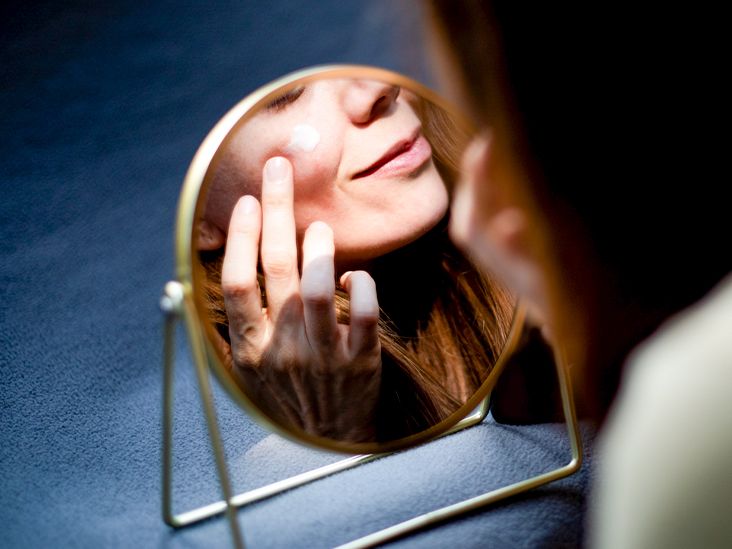
Glowing skin is not magic, witchcraft, or the result of whispering compliments to your moisturizer at midnight. It is usually the visible reward of consistent habits: protecting your skin barrier, feeding your body well, sleeping enough, managing stress, and choosing products that do more helping than drama-making.
When people say they want “glowing skin,” they usually mean skin that looks healthy, hydrated, smooth, even-toned, and lively. That glow comes from many tiny things working together: good circulation, balanced oil production, enough moisture, steady cell turnover, and less irritation. In other words, radiance is less about chasing a miracle cream and more about building a routine your skin can trust.
The good news? You do not need a 17-step routine, a bathroom shelf that looks like a chemistry lab, or a bank account dedicated entirely to serums. The better strategy is simple: understand your skin, support it from the inside, protect it from the outside, and stop accidentally bullying it in the name of “self-care.”
What Does Glowing Skin Really Mean?
Healthy glowing skin is skin with a strong protective barrier, good hydration, minimal inflammation, and a smooth surface that reflects light evenly. It does not mean poreless skin. Pores are normal. Texture is normal. Occasional breakouts are normal. Real skin has seasons, moods, and sometimes a tiny pimple that arrives five minutes before an important event like it was personally invited.
Instead of aiming for airbrushed perfection, aim for skin that feels comfortable, heals well, and looks fresh most days. A realistic glow is built through daily choices, not one heroic Sunday night face mask.
How to Get Glowing Skin: 11 Tips That Actually Help
1. Wear Sunscreen Every Day, Even When the Weather Is Rude
If glowing skin had a bodyguard, it would be sunscreen. Ultraviolet rays can contribute to premature aging, uneven tone, dark spots, dryness, and loss of firmness. They can also increase the risk of skin cancer. Daily sun protection is one of the most important steps for keeping skin healthy over time.
Choose a broad-spectrum sunscreen with at least SPF 30 for daily use. Apply it generously to your face, neck, ears, and any exposed skin. Reapply every two hours when outdoors, and more often if you are sweating or swimming. Sunscreen is not just a beach product. It is a “walking to the mailbox,” “driving near a window,” and “sitting outside with iced coffee” product.
For extra protection, use shade, sunglasses, wide-brimmed hats, and sun-protective clothing. Your future face will appreciate the teamwork.
2. Cleanse Gently, Not Aggressively
Cleansing removes sweat, excess oil, sunscreen, makeup, and pollution. But scrubbing your face like a dirty frying pan can damage the skin barrier and leave your skin tight, red, or irritated. That squeaky-clean feeling is not always a victory; sometimes it is your skin quietly filing a complaint.
Use a gentle, non-stripping cleanser suited to your skin type. If your skin is dry or sensitive, look for creamy, fragrance-free formulas. If your skin is oily or acne-prone, a mild gel or foaming cleanser may work better. Cleanse in the evening, and consider a simple water rinse or gentle cleanse in the morning depending on your skin’s needs.
If you wear heavy sunscreen or makeup, double cleansing can help: first use a cleansing balm, oil, or micellar water, then follow with a gentle cleanser. The goal is clean skin, not punished skin.
3. Moisturize Like Your Skin Barrier Pays Rent
A good moisturizer helps seal in hydration, reduce water loss, and support the outer layer of the skin. Even oily skin often benefits from moisturizer. When oily skin becomes dehydrated, it may produce even more oil, which is the skin-care version of solving a problem by creating a second problem.
Look for ingredients such as glycerin, hyaluronic acid, ceramides, squalane, petrolatum, or dimethicone. These ingredients help attract water, soften the skin, or lock moisture in place. For daytime, a lightweight lotion or gel cream may be enough. At night, dry skin may prefer a richer cream.
Apply moisturizer while your skin is still slightly damp after cleansing. This helps trap water where you want it: in your skin, not evaporating into the universe.
4. Eat Colorful, Nutrient-Dense Foods
Glowing skin starts partly in the kitchen. Skin cells need vitamins, minerals, amino acids, and healthy fats to function well. A balanced diet rich in fruits, vegetables, whole grains, legumes, nuts, seeds, lean proteins, and fatty fish can help support skin health from the inside out.
Vitamin C-rich foods such as oranges, strawberries, bell peppers, broccoli, and kiwi help support collagen production. Foods with vitamin E, such as almonds, sunflower seeds, and avocado, provide antioxidant support. Omega-3 fatty acids from salmon, sardines, chia seeds, flaxseeds, and walnuts may help support a healthier inflammatory balance.
Color is your shortcut. A plate with leafy greens, orange sweet potatoes, red tomatoes, purple berries, and golden olive oil is not only pretty; it brings a wider range of nutrients. Your skin enjoys variety. So does your dinner plate, frankly.
5. Drink Enough Water, But Do Not Expect It to Replace Moisturizer
Hydration matters for overall health, and dehydration can make skin look dull or tired. Drinking enough fluids helps your body function well, including circulation and temperature regulation. However, chugging water alone will not magically erase texture, acne, or fine lines. Skin hydration also depends on the barrier, moisturizers, humidity, and lifestyle habits.
A practical approach is to drink water regularly, eat water-rich foods like cucumbers, citrus, berries, and soups, and adjust intake when exercising or spending time in heat. If your urine is consistently pale yellow and you rarely feel thirsty, you are probably doing reasonably well.
For the outside of your skin, use humectants like glycerin or hyaluronic acid and seal them with moisturizer. Think of water as internal support and moisturizer as external security. Both are useful; neither wants to do the whole job alone.
6. Exfoliate Carefully, Not Constantly
Exfoliation can help remove dead skin cells from the surface, making skin appear smoother and brighter. But too much exfoliation can cause redness, stinging, breakouts, dryness, and barrier damage. In the glow game, “more” is not always more. Sometimes more is just itchy.
There are two main types of exfoliation. Physical exfoliation uses scrubs, brushes, or textured tools. Chemical exfoliation uses ingredients like alpha hydroxy acids, beta hydroxy acids, or enzymes. Many people do best with gentle chemical exfoliation one to three times per week, depending on skin type and tolerance.
If you are new to exfoliation, start slowly. Avoid combining strong exfoliants with retinoids on the same night unless your skin is already well-adjusted. Always use sunscreen, because exfoliation can make skin more sensitive to sunlight.
7. Add Brightening Ingredients Slowly
Some skin-care ingredients can help improve the look of dullness, uneven tone, and texture. Vitamin C is popular for daytime because it provides antioxidant support and can help brighten the appearance of skin. Niacinamide may help with barrier support, uneven tone, and visible redness. Retinoids can support smoother-looking skin and improve the appearance of fine lines over time.
The trick is not to introduce everything at once. Your skin is not a group project that needs every ingredient invited on the same day. Start with one active ingredient, use it a few times per week, and increase gradually if your skin tolerates it.
A simple routine might look like this: vitamin C in the morning under moisturizer and sunscreen, and a retinoid at night two or three times a week. If irritation appears, reduce frequency and focus on moisturizer. Glowing skin should not feel like it is auditioning for a fire alarm.
8. Prioritize Sleep for Skin Recovery
Sleep is when your body performs repair and recovery work. Adults generally need at least seven hours of sleep per night for overall health. When sleep is consistently short, skin may look dull, puffy, or less refreshed. Dark circles may become more noticeable, and stress hormones can also affect oil production and inflammation.
For better sleep, create a regular bedtime, reduce bright screens before bed, keep the room cool and dark, and avoid heavy late-night meals when possible. Your skin-care routine can become a sleep cue: cleanse, moisturize, lights down, phone away, pillow time.
No serum can fully compete with chronic sleep deprivation. A good night’s rest is basically a beauty product that also helps your brain remember where you put your keys.
9. Manage Stress Before Your Skin Starts Sending Emails
Stress can affect the skin through hormones, inflammation, sleep disruption, and habits like picking, skipping routines, eating poorly, or clenching the jaw. Some people notice more breakouts, eczema flares, redness, or dullness during stressful periods.
Stress management does not have to be dramatic. Try ten minutes of walking, stretching, journaling, breathing exercises, or sitting quietly without pretending to be productive. Regular movement can also improve circulation and mood, both of which may indirectly support healthier-looking skin.
When life gets chaotic, simplify your routine instead of abandoning it. Cleanser, moisturizer, and sunscreen are enough during survival mode. You do not need to exfoliate your way through an existential crisis.
10. Avoid Smoking and Limit Alcohol
Smoking is linked with premature skin aging, wrinkles, dullness, and slower wound healing. It affects blood flow and contributes to oxidative stress, which can make skin look older sooner. If glowing skin is the goal, smoking is not a friendly teammate.
Alcohol can also affect skin appearance, especially when it disrupts sleep, contributes to dehydration, or triggers flushing in sensitive individuals. You do not need to live like a monk guarding a sacred cucumber, but moderation matters.
Replacing smoking with support-based quitting strategies and reducing alcohol intake can improve overall health and may help skin look fresher over time. The glow is a bonus; the bigger win is your long-term well-being.
11. Be Consistent and Patient
Skin does not transform overnight. Most routines need several weeks to show visible improvement, and some ingredients, such as retinoids, may take months. Constantly switching products makes it hard to know what is helping and what is causing irritation.
Build a simple foundation first: gentle cleanser, moisturizer, and sunscreen. Then add targeted treatments only if needed. Track changes with photos in similar lighting every few weeks, not by inspecting your face under harsh bathroom lights at 11:47 p.m. That lighting has never been kind to anyone.
Consistency is the quiet superstar of glowing skin. It is not glamorous, but it works better than panic-buying five products after one breakout.
A Simple Morning and Evening Routine for Glowing Skin
Morning Routine
Start with a gentle cleanse or rinse, depending on your skin type. Apply a lightweight serum if you use one, such as vitamin C or niacinamide. Follow with moisturizer, then finish with broad-spectrum sunscreen. If you wear makeup, apply it after sunscreen has settled.
The morning goal is protection: hydration, barrier support, and defense against UV exposure and environmental stressors.
Evening Routine
At night, cleanse thoroughly to remove sunscreen, makeup, sweat, and pollution. Apply treatment products such as a retinoid or gentle exfoliant on planned nights, not all nights. Finish with moisturizer. If your skin is very dry, a thin layer of ointment on top of moisturizer in dry areas can help lock in hydration.
The evening goal is repair: clean skin, targeted treatment, and moisture recovery while you sleep.
Best Foods for Glowing Skin
Food cannot replace sunscreen or medical skin treatment, but it can support the structure and function of healthy skin. The best diet for glowing skin is not a trendy cleanse. It is a sustainable eating pattern full of real, nutrient-dense foods.
- Berries: Rich in antioxidants and vitamin C.
- Fatty fish: Provides omega-3 fatty acids and protein.
- Avocado: Offers healthy fats and vitamin E.
- Leafy greens: Supply vitamins, minerals, and plant compounds.
- Sweet potatoes and carrots: Contain beta carotene, a plant pigment related to vitamin A.
- Nuts and seeds: Provide vitamin E, zinc, selenium, and healthy fats.
- Beans and lentils: Offer protein, fiber, and minerals.
- Green tea: Contains polyphenols that support antioxidant defenses.
Try a glow-friendly meal like salmon with roasted sweet potatoes, spinach salad, avocado, and berries. Or make a plant-based bowl with lentils, quinoa, olive oil, tomatoes, greens, pumpkin seeds, and citrus dressing. It does not need to be fancy; it just needs to show up more often than the drive-through fries.
Common Glowing Skin Mistakes to Avoid
Using Too Many Actives
Vitamin C, retinoids, exfoliating acids, acne treatments, and brightening serums can all be useful, but using too many at once can irritate your skin. Irritated skin often looks red, bumpy, flaky, or dullthe opposite of the glow you were hoping for.
Skipping Sunscreen Because You Are Indoors
UVA rays can pass through windows, and incidental exposure adds up. If you are near windows, driving, or stepping outside, daily sunscreen remains important.
Following Every Trend
Not every viral skin-care hack deserves access to your face. Lemon juice, harsh scrubs, toothpaste on pimples, and random pantry experiments can cause irritation or burns. Your face is not a test kitchen.
Ignoring Skin Changes
If you have persistent acne, painful bumps, sudden rashes, unusual moles, or irritation that does not improve, see a board-certified dermatologist or qualified healthcare professional. Sometimes glowing skin starts with getting the right diagnosis.
Experience-Based Tips: What Getting Glowing Skin Looks Like in Real Life
In real life, getting glowing skin is rarely a dramatic before-and-after moment. It is usually more like realizing one Tuesday morning that your face looks calmer, your foundation is sitting better, and you no longer feel the need to apologize to your mirror. The biggest lesson many people learn is that glowing skin comes from reducing chaos.
One common experience is the “too much routine” phase. Someone buys a cleanser, toner, vitamin C serum, exfoliating acid, retinol, clay mask, hydrating mask, face oil, spot treatment, and three moisturizers because the internet said each one was essential. For a week, everything feels exciting. Then the skin starts stinging, peeling, and breaking out. The person blames one product, but the real problem is the whole marching band playing at once.
A better experience is the reset approach. For two to four weeks, simplify: gentle cleanser, moisturizer, sunscreen in the morning, and moisturizer at night. This gives the skin barrier time to recover. Many people are surprised that their skin looks brighter when they stop attacking it. Calm skin reflects light better. Angry skin does not glow; it negotiates.
Another real-world lesson is that sunscreen only works when you actually like using it. The best sunscreen is not the one with the most elegant label or the one dermatology enthusiasts praise like a sacred artifact. It is the one you will apply every morning without sighing dramatically. Some people prefer mineral sunscreen. Others like lightweight chemical formulas. Tinted sunscreens can help reduce a white cast and even out the look of skin. The winning product is the one that makes consistency easy.
Diet changes also feel more realistic when they are additive rather than restrictive. Instead of declaring war on every dessert, start by adding skin-supportive foods: berries with breakfast, greens at lunch, salmon once or twice a week, walnuts as a snack, or lentils in soup. Over time, these small upgrades crowd out less helpful choices without turning meals into a punishment. Glowing skin does not require a joyless refrigerator.
Sleep is often the habit people underestimate until they improve it. A person can spend serious money on eye cream while sleeping five hours a night and wondering why their face looks tired. When bedtime becomes more consistent, the skin often appears less puffy and dull. The change is not always instant, but it is noticeable. Sleep is not lazy; it is maintenance.
Stress management is another quiet glow booster. People who pick at breakouts, skip cleansing, or eat randomly during stressful weeks may notice their skin becoming more reactive. A simple evening ritual can help: wash the face, apply moisturizer, put the phone away, and take five slow breaths. It sounds almost too basic, but skin loves boring consistency. Drama belongs in movies, not on your cheeks.
The most practical experience of all is learning to judge progress fairly. Do not check your skin under car mirrors, dressing room lights, or magnifying mirrors unless you enjoy emotional turbulence. Take a photo every few weeks in natural light. Notice comfort, fewer flakes, smoother makeup, less redness, and faster healing. These are real signs of healthier skin.
Glowing skin is not about becoming flawless. It is about building habits that make your skin more resilient, hydrated, and comfortable. When you stop chasing instant perfection and start supporting your skin daily, the glow tends to arrive quietlylike a polite guest who brought snacks.
Conclusion
Learning how to get glowing skin is really about learning how to support your skin consistently. Protect it from the sun, cleanse gently, moisturize daily, eat colorful whole foods, drink enough water, sleep well, manage stress, and be cautious with strong products. These habits may sound simple, but simple is often what works.
The best glowing skin routine is not the most expensive one. It is the one you can repeat without irritation, confusion, or needing a spreadsheet. Start with the basics, add targeted ingredients slowly, and give your skin time. A healthy glow is not a quick filter. It is a long-term friendship with your face.
Note: This article is for general educational purposes and does not replace professional medical advice. If you have ongoing acne, eczema, rosacea, rashes, sudden skin changes, or concerns about moles, consult a board-certified dermatologist or qualified healthcare professional.