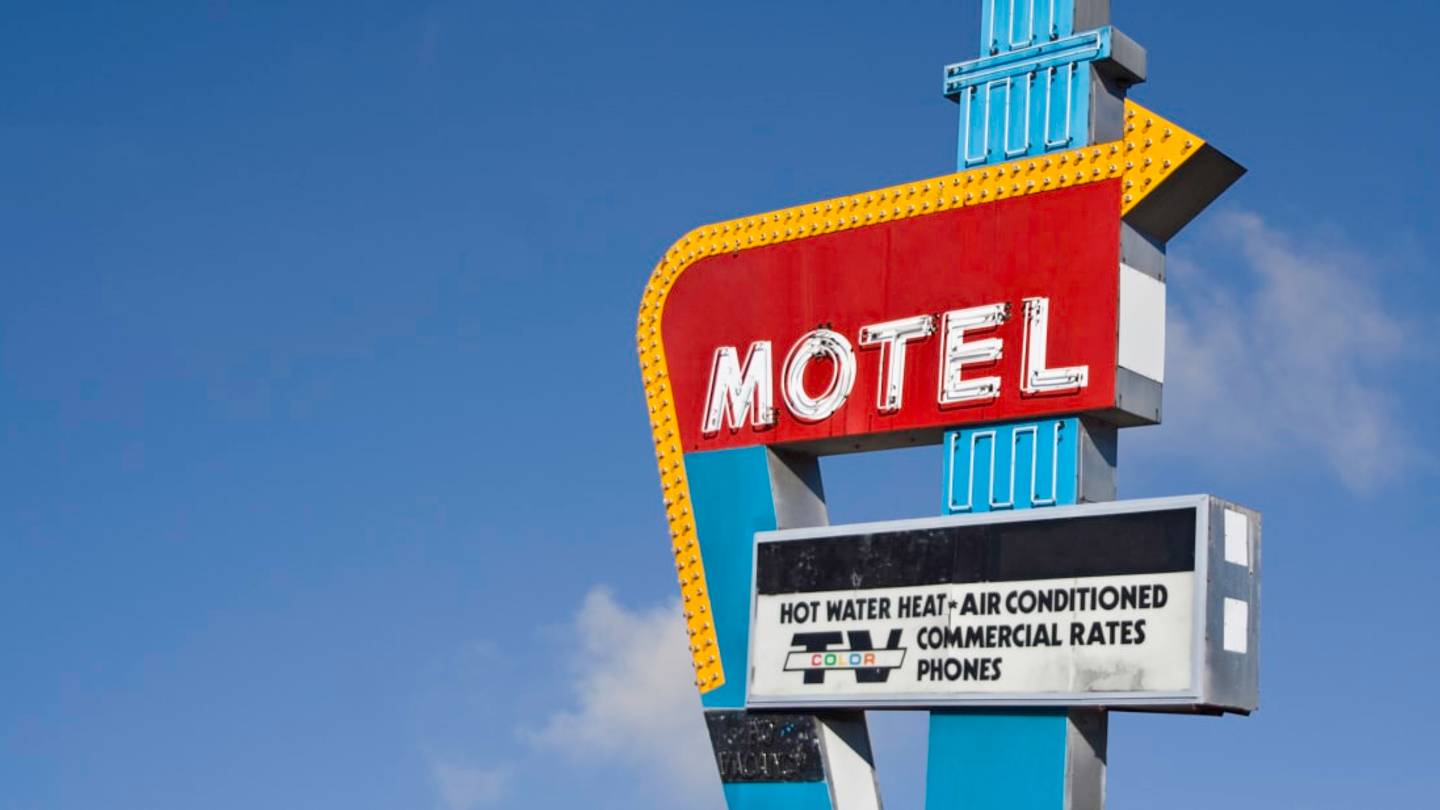
If you have ever booked a room at midnight with one eye open, a suitcase in one hand, and a gas-station coffee in the other, you may have wondered: what is the difference between hotels and motels, really? Both give you a bed, a bathroom, a door that hopefully locks, and a place to question why you packed seven shirts for a two-day trip. But hotels and motels were designed for different kinds of travelers, and those differences still matter when you are choosing where to stay.
The simple answer is this: a hotel is usually a larger lodging property with interior hallways, more services, and more amenities, while a motel is typically a more basic, roadside-friendly property where rooms often open directly to the parking lot. Hotels are built around comfort, convenience, service, and longer stays. Motels are built around easy access, affordability, and quick overnight stops. Of course, modern travel has blurred the line. Some motels are stylish, renovated, and Instagram-ready. Some hotels are so basic they make a vending machine look luxurious. Still, the classic differences remain helpful.
In this guide, we will break down hotels vs. motels by layout, location, amenities, price, safety, history, and real-life travel use. By the end, you will know exactly when to book a hotel, when to book a motel, and when to trust your gut if the lobby smells like old carpet and mystery.
Hotel vs. Motel: The Quick Difference
The biggest difference between a hotel and a motel is the way each property is designed. Hotels usually have rooms inside a larger building, with guests entering through a lobby and reaching rooms through interior corridors, elevators, or stairways. Motels are usually designed for motorists, with rooms that open directly to the outside or to a parking area.
Think of a hotel as a place where the building says, “Come in, stay awhile, maybe order room service.” Think of a motel as a place where the building says, “Park right here, sleep, shower, and get back on the road before your travel snacks run out.”
Hotels often offer more amenities, such as restaurants, gyms, pools, meeting rooms, concierge service, valet parking, business centers, spas, or lounges. Motels usually focus on the basics: a bed, a bathroom, parking, Wi-Fi, and sometimes free breakfast if the breakfast gods are smiling.
What Is a Hotel?
A hotel is a commercial lodging establishment that provides temporary accommodations to travelers. In practical terms, hotels can range from budget properties near airports to luxury resorts with marble bathrooms, rooftop bars, and pillows that appear to have been fluffed by angels.
Most hotels are built for a wider range of guest needs. Business travelers may need reliable Wi-Fi, meeting spaces, a desk, coffee, and late check-in. Vacationers may want a pool, restaurant, spa, fitness center, and helpful staff who can recommend local attractions. Families may need adjoining rooms, breakfast, laundry service, and enough towels to survive a small water park incident.
Common Hotel Features
Hotels commonly include interior hallways, a front desk or lobby, multiple floors, elevators, daily housekeeping, and extra services. Depending on the property category, a hotel may also include restaurants, bars, room service, conference rooms, valet service, concierge assistance, luggage storage, and loyalty program benefits.
Hotel stays are often associated with cities, airports, resorts, convention centers, tourist districts, and business hubs. That does not mean every hotel is fancy. A limited-service hotel can be affordable and simple. But even modest hotels usually offer a more enclosed building layout and a broader service model than traditional motels.
What Is a Motel?
A motel is a type of lodging originally designed for people traveling by car. The word “motel” comes from “motor hotel,” which explains almost everything. Motels became popular as automobile travel expanded in the United States, especially along highways, scenic routes, and road-trip corridors.
The classic motel layout is easy to recognize: one or two floors, exterior room entrances, parking spaces close to the rooms, and simple check-in. The goal is convenience. You drive in, park outside your room, unload your bag without dragging it through a lobby maze, sleep, and continue your trip the next day.
Common Motel Features
Motels often provide basic rooms, free parking, direct outdoor access, limited front desk service, simple breakfast, vending machines, ice machines, and easy access to highways or main roads. Many motels are smaller than hotels and have fewer shared spaces. Some are independent family-run properties, while others are part of national budget chains.
Traditional motels were not designed to be destinations themselves. They were practical rest stops for travelers going somewhere else. But that is changing. Across the U.S., many vintage motels have been renovated into boutique roadside stays with retro neon signs, stylish rooms, local art, coffee bars, and a sense of nostalgia that says, “Yes, this place has character, and no, the curtains are not from 1978 anymore.”
Key Differences Between Hotels and Motels
1. Building Layout
Layout is the easiest way to tell a hotel from a motel. Hotels usually have interior entrances. You walk through the lobby, pass the front desk, take an elevator or hallway, and reach your room from inside the building. Motels commonly have exterior entrances, meaning your room door opens directly to the outside, often facing the parking lot.
This difference affects the entire guest experience. Hotels feel more enclosed and controlled. Motels feel more open and car-friendly. If you are carrying luggage, coolers, pet supplies, hiking gear, or a half-eaten bag of road-trip pretzels, a motel’s parking-at-your-door convenience can be a beautiful thing.
2. Location
Hotels are often located in city centers, near airports, close to convention venues, inside resort areas, or near major attractions. They are designed for travelers who may spend time at the property or use it as a base for business, sightseeing, dining, and entertainment.
Motels are more commonly found along highways, suburban roads, small towns, national park routes, and road-trip corridors. They are ideal for drivers who need an easy overnight stop. If a hotel is built around a destination, a motel is often built around the journey.
3. Amenities and Services
Hotels generally offer more amenities than motels. Depending on the hotel class, you may find a fitness room, pool, restaurant, bar, meeting space, laundry, concierge desk, valet parking, room service, or spa. Hotels are more likely to have staff available around the clock.
Motels usually keep things simple. The typical motel guest wants a clean room, comfortable bed, parking, Wi-Fi, a shower, and maybe coffee in the morning. There may be a pool or breakfast area, but motels rarely offer the same level of full-service hospitality found in larger hotels.
4. Price
Motels are often cheaper than hotels because they usually provide fewer services, smaller common areas, and simpler operations. For a quick overnight stop, that can be a major advantage. Why pay for a conference ballroom, rooftop lounge, and lobby fountain if all you need is eight hours of sleep and a place to charge your phone?
Hotels can cost more, especially in major cities, near airports, during holidays, or close to popular events. However, price is not always predictable. A trendy renovated motel in a popular vacation town may cost more than a basic hotel near an interstate. Always compare total cost, including taxes, resort fees, parking fees, pet fees, and cancellation rules.
5. Length of Stay
Hotels are often better for longer stays, business trips, family vacations, romantic weekends, and trips where you want comfort beyond the room itself. The added amenities can make a multi-night stay smoother.
Motels are often better for one-night stops, road trips, budget travel, and situations where convenience matters more than extras. They are especially useful when you are arriving late, leaving early, or hauling gear from your car.
6. Parking
Parking is one of the most practical hotel vs. motel differences. Motels usually make parking easy and close to the room. Hotels may offer parking garages, valet parking, off-site lots, or paid parking. In cities, hotel parking can be expensive enough to make your wallet whisper, “Are we sleeping in the car instead?”
If you are traveling by car and need frequent access to your vehicle, a motel may be more convenient. If you are flying, taking taxis, walking, or using public transit, a hotel may be a better fit.
Are Hotels Safer Than Motels?
Safety depends on the specific property, location, management, lighting, guest reviews, maintenance, and security practices. It is too simple to say hotels are always safer than motels. Many motels are clean, safe, well-managed, and beloved by repeat guests. Many hotels are excellent. Some of both are not exactly places where you want to unpack your toothbrush.
That said, hotels often have interior corridors, controlled lobby access, more staff, elevators, cameras, and security procedures. Motels with exterior entrances may feel less private because room doors open to outdoor areas or parking lots. For solo travelers, families, or anyone arriving late at night, this may influence the decision.
How to Check Safety Before Booking
Read recent reviews, especially those mentioning cleanliness, noise, staff response, parking, lighting, and neighborhood conditions. Look at photos from guests, not just polished marketing images. Check whether the property has 24-hour front desk service, well-lit parking, secure locks, and clear cancellation policies. If reviews repeatedly mention broken locks, strange activity, dirty rooms, or poor management, believe the pattern. Reviews are not perfect, but when twenty strangers agree that something is weird, something is probably weird.
Are Motels Always Lower Quality?
No. This is one of the biggest myths about motels. A motel is a property style, not an automatic quality rating. Some motels are outdated and bare-bones. Others are spotless, stylish, charming, and more memorable than a generic hotel room that looks exactly like every other generic hotel room from Seattle to Sarasota.
Many older roadside motels have been renovated into boutique properties. These upgraded motels often keep the nostalgic exterior, neon signs, outdoor corridors, and parking-friendly layout while adding modern beds, updated bathrooms, local design, better lighting, and upgraded amenities. In some destinations, the coolest place to stay may actually be a motel.
Quality depends on management, maintenance, cleanliness, service, and guest expectations. A simple motel that delivers exactly what it promises can be a better stay than an expensive hotel that overpromises and underdelivers.
Which Is Better: Hotel or Motel?
The better choice depends on your trip. A hotel is usually better if you want comfort, amenities, service, interior room access, business facilities, or a central location. A motel is usually better if you want affordability, easy parking, quick access, and a practical overnight stay during a road trip.
Choose a Hotel If…
Book a hotel if you are staying for several nights, traveling for business, visiting a city, attending an event, planning a romantic getaway, traveling without a car, or wanting amenities like a restaurant, gym, pool, or concierge. Hotels are also useful when you want a more controlled indoor environment or need services such as luggage storage, meeting rooms, or reliable front desk support.
Choose a Motel If…
Book a motel if you are on a road trip, need a budget-friendly overnight stop, want to park near your room, are traveling with bulky gear, or simply need a clean place to sleep before continuing the journey. Motels are especially convenient for travelers visiting small towns, national parks, rural areas, highways, and roadside attractions.
Hotel vs. Motel vs. Inn: What About Inns?
An inn is usually smaller than a hotel and often has a more personal, cozy, or historic feel. Inns may be located in small towns, scenic areas, or older buildings. Some offer breakfast, dining rooms, fireplaces, porches, or locally inspired decor. If a hotel is service-focused and a motel is car-focused, an inn is often charm-focused.
However, lodging names are not always strict. A property may call itself an inn but operate like a motel. A motel may market itself as a lodge. A boutique hotel may have exterior entrances. The name gives you a clue, but the photos, amenities, reviews, and policies tell the real story.
Practical Booking Tips for Hotels and Motels
Read the Most Recent Reviews
Do not rely only on the star rating. A property can have a decent overall score because it was great five years ago, even if the most recent reviews are waving red flags like they are directing airport traffic. Sort reviews by newest first and look for repeated comments.
Check Photos Carefully
Official photos are useful, but guest photos are often more honest. Look for bathroom condition, bedding, floors, exterior lighting, parking areas, and room doors. If the official photos show only the bed from one flattering angle, proceed with curiosity and caution.
Compare Total Price
Hotels may add parking fees, resort fees, breakfast fees, or amenity fees. Motels may add pet fees or early check-in fees. Always compare the total cost, not just the nightly rate.
Match the Property to Your Trip
A luxury hotel is not necessary for a six-hour sleep stop. A bare-bones motel may not be ideal for a honeymoon, unless your love language is “budget-conscious with easy highway access.” Choose based on purpose, not just category.
Real-Life Examples: When the Difference Matters
Imagine you are driving from Denver to Phoenix and need a place to sleep halfway through the trip. You will arrive late, leave early, and do not need a spa, a lobby bar, or a pillow menu. A clean motel near the highway may be perfect.
Now imagine you are attending a conference in Chicago. You need Wi-Fi, a desk, breakfast nearby, a fitness center, a safe place to store luggage, and easy access to restaurants or public transportation. A hotel makes more sense.
For a family road trip to a national park, the answer could go either way. A motel near the park entrance may offer better parking and lower rates. A hotel may offer breakfast, a pool, and laundry facilities that save everyone from smelling like trail mix and sunscreen.
Experience Notes: What Travelers Learn After Staying in Both
After enough trips, the hotel vs. motel decision becomes less about labels and more about expectations. Travelers quickly learn that a great stay is not always the fanciest one. Sometimes the best room is the one that is clean, quiet, well-located, and easy to leave in the morning. Other times, the best room is the one with blackout curtains, a real desk, a good breakfast, and staff who can help when your flight gets delayed and your patience checks out before you do.
One of the biggest experiences travelers notice at motels is convenience. Being able to park outside your room is underrated until you are carrying suitcases, snacks, jackets, camera bags, and one mysterious tote bag full of “just in case” items. At a motel, unloading can be simple. You open the trunk, walk ten steps, and you are done. At a downtown hotel, the same process may involve a parking garage, elevator, lobby, another elevator, a hallway that feels longer than a marathon, and a room key that stops working at the worst possible moment.
Motels also create a different road-trip mood. They often feel informal and relaxed. You may see families packing coolers at sunrise, motorcyclists comparing routes, hikers shaking dust from their boots, or travelers sipping coffee outside their doors. There is a certain charm in that simplicity. It says, “We are all going somewhere.” For people who love the open road, that atmosphere can feel more authentic than a polished hotel lobby.
Hotels, on the other hand, shine when comfort and service matter. After a long flight, a hotel with interior access, reliable elevators, a restaurant downstairs, and a 24-hour front desk can feel like civilization has personally hugged you. Business travelers often prefer hotels because they need consistency. Families may appreciate breakfast options, pools, laundry rooms, and staff availability. Couples may choose hotels because the setting feels more special, private, and polished.
Another lesson: price does not always predict satisfaction. A budget motel with honest photos, friendly staff, and clean rooms can beat a pricey hotel with hidden fees and tired furniture. Likewise, a well-run hotel can make travel smoother in ways that are worth paying for. The smartest travelers compare purpose, location, reviews, and total cost before deciding.
The best strategy is to ask: what do I need this stay to do? If the answer is “help me sleep safely and get back on the road,” a motel may be ideal. If the answer is “support a full trip with comfort, amenities, and service,” a hotel is probably the better match. In the end, hotels and motels are not enemies. They are different tools in the traveler’s toolbox. One is a Swiss Army knife. The other is a reliable socket wrench. Both are useful, but you probably should not use either to open a bag of chips in bed.
Conclusion
The difference between hotels and motels comes down to design, purpose, services, and travel style. Hotels usually offer interior corridors, more amenities, fuller service, and better support for longer or more comfort-focused stays. Motels usually offer exterior room access, easy parking, lower prices, and quick convenience for road travelers.
Neither option is automatically better. A hotel can be perfect for a city vacation, business trip, or family stay. A motel can be perfect for a road trip, budget stop, national park visit, or late-night arrival. The key is to match the lodging to the trip, check reviews carefully, compare total costs, and choose the place that makes your travel easiernot just the place with the fanciest lobby photo.
So, what is the difference between hotels and motels? Hotels invite you to stay. Motels help you keep moving. And sometimes, after a long day of travel, either one can feel like the best place on Earthas long as the sheets are clean and the coffee is hot.