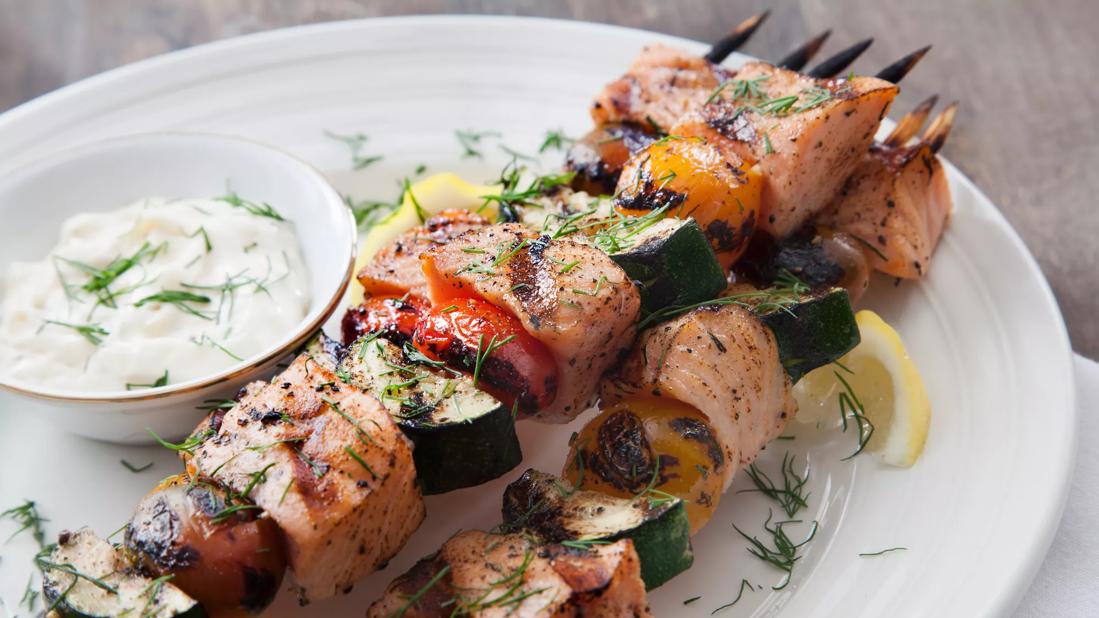
The Mediterranean diet sounds fancy, as if you need a white linen shirt, a seaside villa, and someone named Marco to hand you grilled fish at sunset. Good news: you do not. You can follow the Mediterranean diet from a regular kitchen, with regular groceries, on a regular Tuesday when the dishwasher is full and your patience is running on crumbs.
At its heart, the Mediterranean diet is not a strict “diet” in the punishing sense. It is a flexible, plant-forward eating pattern inspired by traditional food habits in countries around the Mediterranean Sea, including Greece, Italy, Spain, and parts of North Africa and the Middle East. The main idea is simple: eat more vegetables, fruits, beans, lentils, whole grains, nuts, seeds, herbs, olive oil, and seafood; eat moderate amounts of poultry, eggs, yogurt, and cheese; and eat less red meat, processed food, sugary snacks, and refined grains.
This approach is popular because it is practical, flavorful, and well studied. It supports heart health, helps improve overall diet quality, and may be easier to maintain than highly restrictive plans. Nobody is asking you to break up with bread forever. The Mediterranean diet simply asks bread to show up as whole grain, preferably with olive oil, tomatoes, hummus, or something else that makes your taste buds stand up and applaud.
What Is the Mediterranean Diet?
The Mediterranean diet is a way of eating that focuses on whole, minimally processed foods. Instead of counting every calorie like a tiny accountant living in your phone, you build meals around nourishing ingredients. Think colorful vegetables, fresh fruit, beans, chickpeas, lentils, whole grains, olive oil, fish, herbs, and nuts.
The diet is also a lifestyle pattern. Traditional Mediterranean eating includes relaxed meals, social connection, regular movement, and enjoying food without turning dinner into a math exam. That does not mean every meal must look like a postcard from Santorini. A Mediterranean-style lunch can be as simple as a bowl of brown rice, canned tuna, cucumbers, tomatoes, olives, white beans, spinach, and olive oil vinaigrette.
Why the Mediterranean Diet Works So Well
The Mediterranean diet works because it focuses on food quality instead of quick tricks. It increases fiber from plants, healthy fats from olive oil and nuts, omega-3 fats from seafood, and antioxidants from fruits, vegetables, herbs, and spices. At the same time, it naturally reduces saturated fat, added sugar, excess sodium, and ultra-processed foods.
For heart health, this pattern is especially valuable. A Mediterranean-style diet emphasizes vegetables, fruits, whole grains, beans, legumes, fish, poultry, nuts, and non-tropical vegetable oils while limiting processed meats, refined carbohydrates, added sugars, and highly processed foods. In plain English: more salmon and chickpeas, fewer mystery-meat freezer snacks.
The Mediterranean Diet Food List
One of the best things about the Mediterranean diet is that the food list feels generous. This is not one of those plans where breakfast is one almond and a motivational quote.
Eat Often: Vegetables and Fruits
Vegetables are the backbone of the Mediterranean diet. Aim to include them at most meals. Great options include leafy greens, tomatoes, cucumbers, peppers, zucchini, eggplant, onions, carrots, broccoli, cauliflower, mushrooms, and artichokes. Fruit is also encouraged, especially berries, oranges, apples, pears, grapes, peaches, melon, and figs.
A simple rule: add color. If your plate looks like beige had a meeting with more beige, invite tomatoes, greens, peppers, or berries to the party.
Eat Often: Beans, Lentils, and Chickpeas
Legumes are Mediterranean diet superheroes. Beans, lentils, chickpeas, split peas, and white beans provide fiber, plant protein, minerals, and satisfying texture. Use them in soups, salads, grain bowls, pasta dishes, dips, and stews.
Try chickpea salad with cucumber, tomato, parsley, lemon juice, olive oil, and feta. Or make lentil soup with carrots, celery, garlic, onion, spinach, and a squeeze of lemon. It tastes like comfort food that got a nutrition degree.
Eat Often: Whole Grains
Whole grains provide fiber and steady energy. Choose oats, brown rice, quinoa, barley, farro, bulgur, whole-wheat pasta, whole-grain bread, and corn tortillas. You do not need to avoid pasta. The Mediterranean way is to make pasta part of a balanced meal, not the entire real estate market on your plate.
For example, serve whole-wheat pasta with tomato sauce, sautéed vegetables, white beans, herbs, and a drizzle of olive oil. Add a side salad and suddenly dinner has structure, flavor, and fewer regrets.
Use Daily: Extra-Virgin Olive Oil
Extra-virgin olive oil is the signature fat of the Mediterranean diet. Use it for salad dressings, roasting vegetables, sautéing, drizzling over beans, or dipping whole-grain bread. It replaces butter, creamy dressings, and many highly processed oils in everyday meals.
That said, olive oil is still calorie-dense, so use it generously but not like you are trying to baptize the salad. One to two tablespoons can go a long way.
Eat Weekly: Fish and Seafood
Fish and seafood are important Mediterranean diet proteins. Aim for fish about two times per week if it fits your budget, taste, and dietary needs. Salmon, sardines, tuna, trout, mackerel, cod, shrimp, and mussels can all work.
Canned fish counts. In fact, canned sardines, salmon, and tuna are budget-friendly pantry heroes. Put them on whole-grain toast, toss them into salads, or combine them with beans, lemon, herbs, and olive oil.
Eat Moderately: Poultry, Eggs, Yogurt, and Cheese
Chicken, turkey, eggs, Greek yogurt, and cheese can fit into a Mediterranean diet in moderate portions. The key is balance. Instead of making meat the star of every plate, use it as one part of the meal. A chicken kebab with vegetables, farro, tzatziki, and salad is more Mediterranean than a giant plate of chicken with a lonely broccoli floret waving for help.
Eat Less Often: Red Meat, Sweets, and Processed Foods
The Mediterranean diet does not require perfection, but it does encourage you to limit red meat, processed meats, sweets, sugary drinks, refined grains, and ultra-processed snacks. Bacon, sausage, deli meats, pastries, candy, soda, and fast-food meals should become occasional guests, not roommates.
How To Follow the Mediterranean Diet Step by Step
Step 1: Start With One Mediterranean Meal Per Day
Do not overhaul your entire kitchen overnight. That is how people end up with three bags of quinoa, no plan, and a quiet resentment toward kale. Start with one Mediterranean-style meal per day.
Breakfast might be Greek yogurt with berries, walnuts, oats, and a drizzle of honey. Lunch could be a tuna and white bean salad. Dinner might be salmon with roasted vegetables and brown rice. Once one meal feels easy, upgrade another.
Step 2: Build Your Plate Around Plants
A helpful Mediterranean plate formula is simple: fill half your plate with vegetables and fruit, one quarter with whole grains or starchy vegetables, and one quarter with protein such as fish, beans, lentils, poultry, eggs, or yogurt. Add olive oil, nuts, seeds, herbs, or avocado for healthy fat.
This structure keeps meals filling and flexible. You can make a Mediterranean bowl, salad, wrap, soup, or sheet-pan dinner using the same basic formula.
Step 3: Replace Butter and Heavy Sauces With Olive Oil
Use olive oil instead of butter for many everyday meals. Make a quick dressing with olive oil, lemon juice, garlic, Dijon mustard, black pepper, and oregano. Drizzle it on salads, roasted vegetables, grilled chicken, fish, or grain bowls.
For creamy texture, try hummus, tahini sauce, Greek yogurt sauce, mashed avocado, or blended white beans. These swaps add flavor without relying on heavy cream or processed dressings.
Step 4: Eat Beans More Often
If there is one budget-friendly Mediterranean diet habit worth adopting, it is eating more beans. Add black beans to breakfast eggs, chickpeas to salads, lentils to soups, white beans to pasta, and hummus to sandwiches.
Beans are filling, affordable, and easy to store. Rinse canned beans to reduce sodium, then season them boldly. Garlic, lemon, paprika, cumin, parsley, basil, oregano, chili flakes, and olive oil can turn a humble can of beans into something you would actually look forward to eating.
Step 5: Make Seafood Easy
Many people like the idea of eating more fish but freeze when it is time to cook it. Keep it simple. Bake salmon with olive oil, lemon, garlic, and dill. Add canned tuna to a Greek-style salad. Toss shrimp with whole-grain pasta, tomatoes, spinach, and olive oil. Use sardines on toast with mustard, herbs, and sliced tomato.
If you do not eat seafood, focus on other Mediterranean proteins such as beans, lentils, tofu, nuts, seeds, eggs, yogurt, and poultry.
Step 6: Snack the Mediterranean Way
Mediterranean snacks are simple and satisfying. Try apple slices with peanut butter, Greek yogurt with berries, carrots with hummus, a handful of nuts, whole-grain toast with avocado, cottage cheese with tomatoes, or olives with whole-grain crackers.
The goal is to avoid the snack trap where hunger whispers, “Just one cookie,” and somehow you wake up in a pile of wrappers wondering who authorized this meeting.
Step 7: Season With Herbs and Spices
Flavor is the secret weapon. Mediterranean cooking uses herbs and spices like basil, oregano, rosemary, thyme, parsley, mint, dill, cumin, paprika, cinnamon, garlic, and black pepper. These ingredients make meals exciting while helping reduce reliance on excess salt, sugar, or heavy sauces.
A Simple 3-Day Mediterranean Diet Meal Plan
Day 1
Breakfast: Greek yogurt with oats, blueberries, walnuts, and cinnamon.
Lunch: Chickpea salad with cucumber, tomato, red onion, parsley, olive oil, lemon juice, and feta.
Dinner: Baked salmon with roasted zucchini, peppers, and brown rice.
Snack: Apple slices with almond butter.
Day 2
Breakfast: Whole-grain toast with avocado, tomato, and a boiled egg.
Lunch: Lentil soup with spinach, carrots, garlic, and a side of whole-grain bread.
Dinner: Chicken kebabs with Greek salad, hummus, and quinoa.
Snack: Carrots and bell peppers with hummus.
Day 3
Breakfast: Oatmeal with chopped dates, pistachios, and sliced orange.
Lunch: Tuna and white bean bowl with greens, olives, tomatoes, and olive oil vinaigrette.
Dinner: Whole-wheat pasta with tomato sauce, mushrooms, spinach, basil, and a small sprinkle of Parmesan.
Snack: Greek yogurt with strawberries.
Grocery List for Beginners
To make Mediterranean eating easier, stock your kitchen with flexible basics. Choose vegetables such as spinach, tomatoes, cucumbers, broccoli, zucchini, carrots, peppers, and onions. Add fruits like apples, oranges, berries, grapes, and pears. Buy proteins such as canned tuna, salmon, sardines, eggs, chicken, Greek yogurt, beans, lentils, and chickpeas.
For grains, keep oats, brown rice, quinoa, farro, whole-wheat pasta, and whole-grain bread on hand. For fats and flavor, choose extra-virgin olive oil, nuts, seeds, olives, avocado, tahini, hummus, herbs, spices, lemons, garlic, and vinegar.
With those ingredients, you can make dozens of meals without needing a culinary passport.
Common Mistakes to Avoid
Mistake 1: Thinking Olive Oil Makes Everything Automatically Healthy
Olive oil is a smart choice, but it does not turn fried cheese and white bread into a wellness retreat. Use olive oil as part of a balanced plate with vegetables, whole grains, and lean proteins.
Mistake 2: Forgetting About Portions
The Mediterranean diet is healthy, but portions still matter. Nuts, olive oil, cheese, pasta, and bread are nutritious in the right amounts but easy to overdo. A handful of nuts is a snack. A cereal bowl of nuts is a squirrel business plan.
Mistake 3: Eating Too Many Refined Grains
White pasta and white bread can appear in Mediterranean cuisines, but for everyday health, choose whole grains more often. Whole grains provide more fiber and help meals feel more satisfying.
Mistake 4: Treating Wine as a Requirement
Some Mediterranean diet descriptions mention moderate wine with meals, but alcohol is optional. If you do not drink, there is no reason to start. If you do drink, keep it moderate and follow your healthcare provider’s advice, especially if you take medications, are pregnant, have liver disease, or have a history of alcohol-related concerns.
How To Eat Mediterranean on a Budget
The Mediterranean diet can be affordable if you lean into pantry staples. Beans, lentils, canned tomatoes, oats, brown rice, whole-wheat pasta, frozen vegetables, canned fish, eggs, and seasonal produce are budget-friendly choices.
Buy nuts in bulk when possible, use smaller amounts of cheese for flavor, and choose frozen berries or vegetables when fresh options are expensive. A pot of lentil soup can feed a family for less than many takeout meals, and it will not arrive with mysterious delivery fees that make you question modern civilization.
How To Follow the Mediterranean Diet at Restaurants
At restaurants, look for grilled fish, chicken, salads, vegetable sides, bean soups, hummus plates, whole grains, and tomato-based sauces. Ask for olive oil and vinegar instead of creamy dressing. Choose roasted, grilled, baked, or steamed dishes more often than fried options.
Italian, Greek, Middle Eastern, Spanish, and seafood restaurants often have naturally Mediterranean-friendly choices. But you can also make it work almost anywhere. At a diner, order an omelet with vegetables and fruit on the side. At a sandwich shop, choose whole-grain bread, turkey or tuna, extra vegetables, and avocado or olive oil dressing.
Experiences Related to Following the Mediterranean Diet
One of the most surprising experiences people often have when they start the Mediterranean diet is that it does not feel like “diet food.” There is no dramatic farewell ceremony for flavor. Meals can be colorful, filling, and genuinely enjoyable. A bowl with roasted vegetables, chickpeas, quinoa, feta, herbs, and lemony olive oil dressing does not feel like punishment. It feels like lunch got its act together.
The first week is usually about adjustment. If someone is used to meals built around red meat, fried foods, sugary snacks, and refined grains, Mediterranean eating may feel different at first. Not bad, just different. The plate has more plants. The flavors come from herbs, citrus, garlic, vinegar, and olive oil instead of heavy sauces. Snacks become more intentional. Breakfast may shift from sweet cereal to oatmeal, yogurt, fruit, nuts, or eggs with vegetables.
A practical experience many beginners report is that meal prep becomes easier once the kitchen is stocked. Cook a pot of brown rice or farro, roast a tray of vegetables, wash salad greens, boil eggs, and keep hummus or beans ready. Suddenly, meals are less stressful. You can build a bowl in five minutes: grains, greens, beans, leftover chicken or tuna, tomatoes, cucumbers, olives, and dressing. This is the kind of “fast food” your future self sends thank-you notes for.
Another real-life lesson is that flavor matters more than willpower. People stick with Mediterranean eating when the food tastes good. A plain bowl of lentils may not inspire loyalty, but lentils simmered with garlic, onion, tomatoes, cumin, bay leaf, spinach, and lemon can become a weekly favorite. Vegetables roasted with olive oil, oregano, paprika, and black pepper are far more exciting than vegetables boiled into sadness.
Social situations are also easier than expected. The Mediterranean diet is flexible enough for family dinners, restaurants, picnics, and holidays. You can enjoy grilled chicken, fish, salads, vegetable sides, beans, fruit, yogurt, nuts, and whole grains without announcing to the room that you are “on a plan.” Nobody needs a speech. Just eat the roasted vegetables and move peacefully through the buffet.
Many people also notice that the Mediterranean diet encourages a healthier relationship with food. Instead of labeling foods as forbidden, it creates a rhythm: mostly whole foods, lots of plants, healthy fats, satisfying meals, and occasional treats. That flexibility can reduce the all-or-nothing thinking that ruins many eating plans. One dessert does not destroy the Mediterranean diet. It is just dessert, not a constitutional crisis.
Energy and digestion may improve as fiber intake rises from vegetables, fruit, beans, and whole grains. However, it is wise to increase fiber gradually and drink enough water. Going from zero beans to heroic bean consumption overnight may create a digestive jazz concert nobody asked to attend. Start with small servings and build up.
The most valuable experience is discovering that the Mediterranean diet is not a temporary challenge. It is a long-term style of eating that can bend around your culture, budget, schedule, and preferences. You can make it vegetarian, seafood-focused, family-friendly, budget-conscious, or meal-prep friendly. The goal is not to copy one perfect Greek village menu. The goal is to eat more real food, enjoy your meals, and build habits you can repeat without needing superhuman discipline.
Conclusion
Learning how to follow the Mediterranean diet is less about strict rules and more about smart patterns. Build meals around vegetables, fruits, beans, lentils, whole grains, nuts, seeds, olive oil, and seafood. Add poultry, eggs, yogurt, and cheese in moderate amounts. Limit red meat, processed meats, sugary foods, refined grains, and ultra-processed snacks.
Start small. Swap butter for olive oil. Add vegetables to lunch. Eat beans twice this week. Choose fish once or twice. Snack on fruit and nuts. Season food boldly. Share meals when you can. Move your body in ways you enjoy. That is the Mediterranean diet in real life: flavorful, flexible, and refreshingly human.
Note: This article synthesizes current guidance from reputable U.S. medical, nutrition, and public health sources, including major academic health centers, heart-health organizations, government health resources, and registered dietitian-led nutrition references.