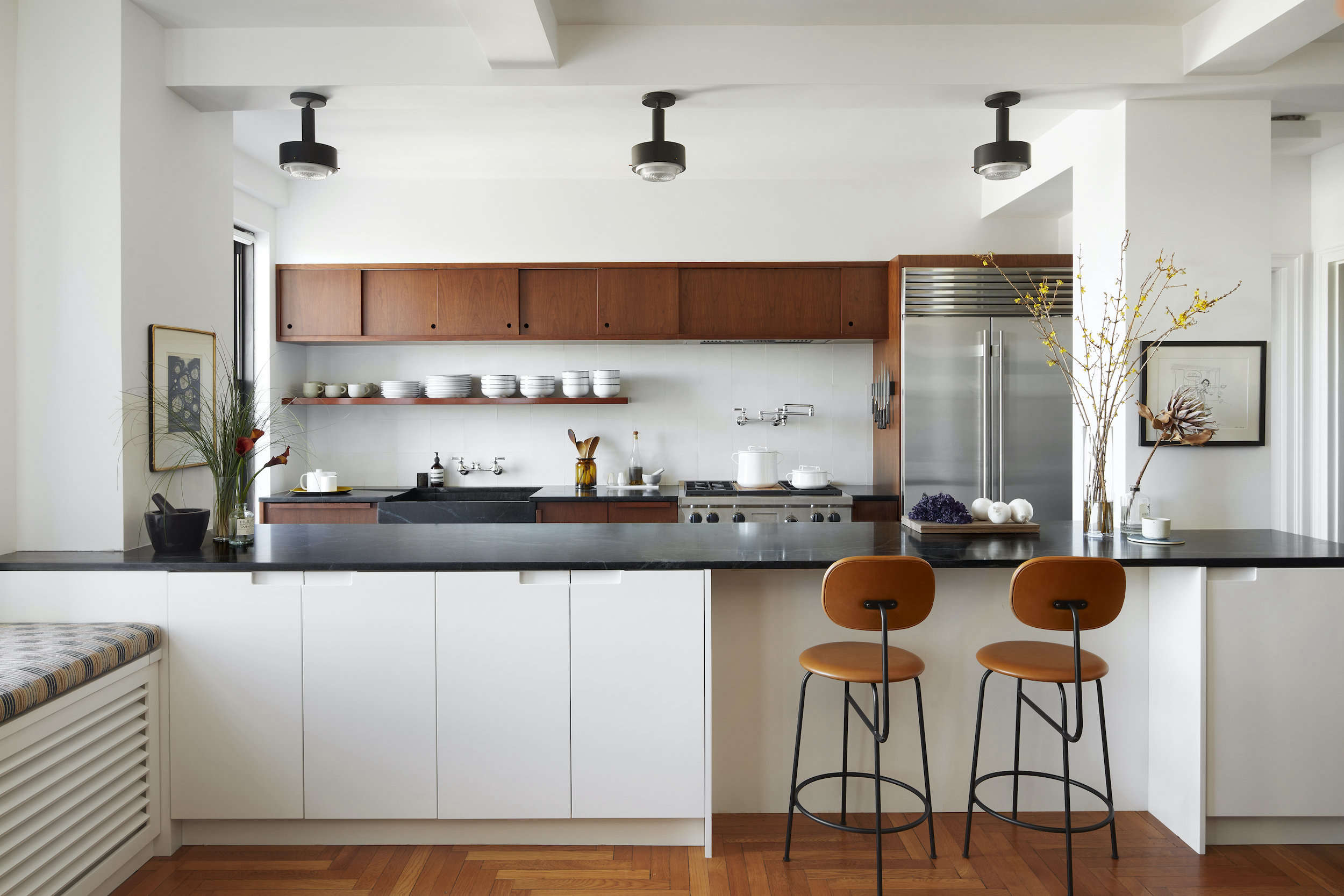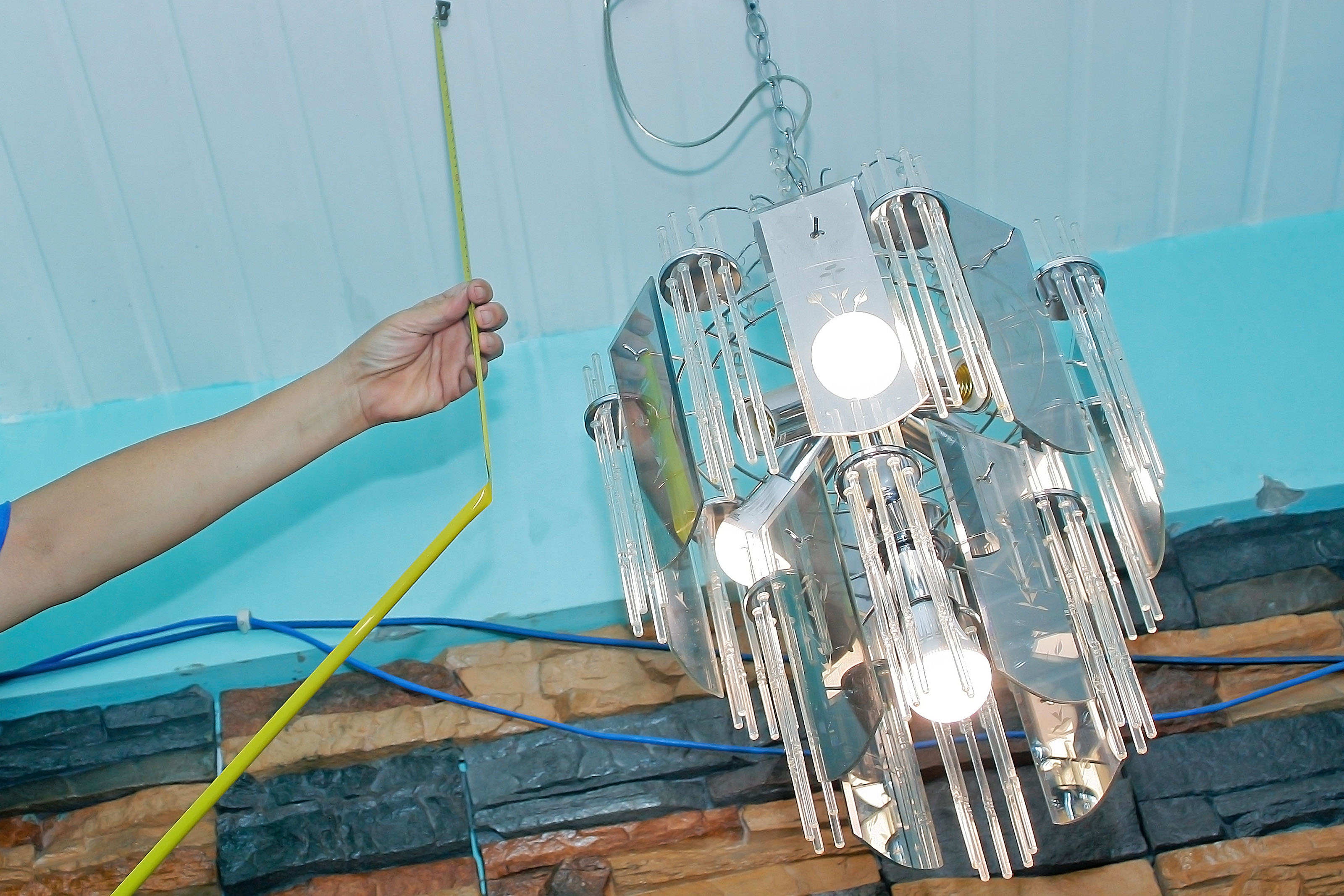
A dining chandelier has a funny talent: it can make your dining room look like a magazine spread or like a very expensive obstacle. Hang it too high, and it looks shy. Hang it too low, and Aunt Linda has to duck during mashed potato season. So yes, the height matters. A lot.
If you have ever stood in your dining room holding a tape measure in one hand and a mild identity crisis in the other, you are not alone. The good news is that determining the proper height to hang a dining chandelier is not some mysterious design secret guarded by stylish people in linen blazers. It comes down to a handful of reliable measurements, a few practical adjustments, and a little common sense.
In this guide, you will learn the standard rule for dining chandelier height, how ceiling height changes the math, how to size the fixture to your table, and what real homes teach us that formulas sometimes do not. By the end, you will know exactly where your chandelier belongs, and your dining room will stop looking like it is still “thinking about it.”
The Golden Rule for Dining Chandelier Height
Let’s start with the rule most designers and lighting pros agree on: in a dining room with a standard 8-foot ceiling, the bottom of the chandelier should hang about 30 to 36 inches above the tabletop.
That range works because it balances three important things at once. First, it keeps the light low enough to feel warm and intimate over the table. Second, it avoids blocking sightlines so people can actually see one another instead of playing peekaboo through crystal drops. Third, it gives the chandelier enough visual presence to anchor the dining area rather than floating around like it forgot where the party is.
If you want the simplest answer possible, here it is: start at 32 to 34 inches above the table, then adjust up or down a little based on the size of the fixture and the feel you want.
How Ceiling Height Changes Chandelier Placement
The 30-to-36-inch rule is the baseline for an 8-foot ceiling. If your ceiling is taller, your chandelier usually needs to go a bit higher. A reliable guideline is to add about 3 inches for every extra foot of ceiling height.
Quick Height Guide by Ceiling Height
- 8-foot ceiling: Hang the chandelier 30 to 36 inches above the table.
- 9-foot ceiling: Hang it 33 to 39 inches above the table.
- 10-foot ceiling: Hang it 36 to 42 inches above the table.
- 11-foot ceiling: Hang it 39 to 45 inches above the table.
This does not mean the fixture should drift into the atmosphere. The goal is still to keep the chandelier connected to the table visually. In rooms with tall ceilings, a fixture that hangs too high can feel disconnected and underwhelming, as if it belongs to the ceiling and not the dining space.
On the other hand, a chandelier in a tall room that hangs too low can feel overly dramatic in the wrong way. There is dramatic, and then there is “Why is this elegant lantern trying to join us for dinner?”
Why Table Height Matters More Than Floor Height
One of the most common mistakes homeowners make is measuring from the floor instead of the table. But a dining chandelier is not really about the room in general. It is about the relationship between the light and the dining surface.
That is why you should always measure from the tabletop to the bottom of the fixture. Standard dining tables are usually around 28 to 30 inches high, so using the table as your reference keeps the chandelier where it needs to be: over the meal, not just somewhere in the room.
This is especially important in open-concept layouts. A chandelier should be centered on the table, not the room. If the table is slightly off-center in the space, the fixture should follow the table, because that is what it is lighting and framing.
How Fixture Size Affects the Proper Hanging Height
Not all chandeliers behave the same way. A delicate open-frame chandelier and a chunky multi-tiered fixture do not occupy space in the same way, even if they technically hang at the same height.
Raise Larger or Heavier Fixtures Slightly
If your chandelier is visually dense, tall, wide, or ornate, it often looks better a little higher within the recommended range. That is because a larger fixture has more visual weight and can feel intrusive if it hangs too low.
For example, if your ceiling is 8 feet high and you choose a big iron lantern or a crystal chandelier with multiple layers, you may prefer a placement closer to 35 or 36 inches above the table.
Lower Simpler Fixtures for More Intimacy
Smaller or more delicate chandeliers can often hang a little lower without feeling bossy. A simple globe pendant or airy sputnik fixture may look best at 30 to 32 inches above the table, especially if you want a cozy, candlelit feel.
In short, the heavier the chandelier looks, the more breathing room it usually needs.
How to Choose the Right Chandelier Size for the Table
Proper height is only half the story. Even perfectly hung dining room lighting can look awkward if the fixture is the wrong size.
Use the Table as Your Main Sizing Guide
A widely used rule is that the chandelier should be about one-half to two-thirds the width of the dining table. Some design guides stretch that to three-quarters, depending on the style and shape of the fixture.
Another practical shortcut: choose a chandelier that is about 12 inches narrower than the table, leaving roughly 6 inches of clearance on each side.
Examples
- A 48-inch table works well with a chandelier around 24 to 32 inches wide.
- A 60-inch table usually pairs nicely with a chandelier around 30 to 40 inches wide.
- A 72-inch table can support a chandelier around 36 to 48 inches wide, depending on the style.
If the fixture is too small, it looks like an afterthought. If it is too large, it can overpower the table and make the whole room feel top-heavy. Good chandelier placement is about proportion, not just inches.
Round Table vs. Rectangular Table: Does Shape Matter?
Absolutely. The shape of your table should influence the shape of your chandelier.
For Round Tables
Round chandeliers, drum fixtures, globe lights, and other centered shapes usually look best above round or square tables. They echo the table shape and create a balanced look without trying too hard.
For Rectangular Tables
Linear chandeliers, elongated lanterns, or a series of pendants often work better over rectangular dining tables. They spread light more evenly across the surface and visually match the longer footprint of the table.
If you are hanging multiple pendants instead of one chandelier, spacing matters. The arrangement should still read as one balanced lighting composition centered over the table.
The Best Way to Find Your Exact Hanging Height
Rules are useful, but real rooms have opinions. The smartest move is to use the guidelines as a starting point, then test the height in person before final installation.
Try This Step-by-Step Method
- Measure the height of your ceiling.
- Measure from the tabletop up, not from the floor down.
- Start with 30 to 36 inches above the table for an 8-foot ceiling.
- Add about 3 inches for each additional foot of ceiling height.
- Check the size and visual weight of the chandelier.
- Temporarily hold or mock up the fixture at the proposed height.
- Sit down in the chairs and test sightlines across the table.
- Adjust slightly if the fixture feels too imposing or too distant.
This process may sound simple because it is simple. That is the beauty of it. The tape measure does the math, and your eyeballs do the editing.
Common Mistakes to Avoid
1. Hanging the Chandelier Too High
This is the most common problem. People get nervous about the fixture feeling low, so they send it skyward. The result is a dining chandelier that looks detached from the table and fails to create intimacy.
2. Ignoring the Scale of the Fixture
A giant lantern over a tiny breakfast table is not bold. It is just confusing. Likewise, a tiny chandelier over a large dining table tends to look lost.
3. Centering the Light on the Room Instead of the Table
In open-plan spaces, always prioritize the table. The chandelier is there to define the dining zone, not to satisfy the geometry of the ceiling.
4. Forgetting About Dimming
A dimmer switch can save almost any chandelier setup. Bright light is great when you are paying bills, helping with homework, or trying to identify whether that casserole is actually lasagna. Softer light is better for dinner parties, date nights, and pretending your takeout is artisanal.
5. Choosing Style Over Function
A dramatic chandelier can be beautiful, but if it blocks conversation, creates glare, or makes everyone lean sideways, it is not doing its job.
Real-World Examples of Dining Chandelier Height
Example 1: Standard Dining Room
You have an 8-foot ceiling, a 60-inch rectangular table, and a medium-size chandelier. A safe, polished placement would be about 32 to 34 inches above the table. That usually looks balanced without feeling stiff.
Example 2: Tall Ceiling, Large Fixture
You have a 10-foot ceiling and a substantial lantern-style chandelier. Starting around 38 to 40 inches above the table will likely feel right, especially if the fixture has visual heft.
Example 3: Small Dining Nook
You have a round pedestal table in a compact breakfast area. A smaller pendant or chandelier hung about 30 to 31 inches above the table can make the nook feel intimate and intentional.
Design Tips That Make the Chandelier Look Even Better
Use Warm, Layered Light
Your chandelier should not have to do all the work alone. Wall sconces, buffet lamps, or nearby recessed lighting can help layer the room and reduce harsh contrast.
Think About What Happens When People Sit Down
A chandelier may feel a little lower when you are standing, but if it looks fantastic and unobtrusive once everyone is seated, you are probably in the sweet spot.
Match the Mood of the Room
Formal dining rooms can support more dramatic fixtures and slightly lower placement for intimacy. Casual dining spaces often look best with cleaner shapes and a touch more breathing room.
Final Thoughts: Aim for Balance, Not Perfection
If you remember only one thing, let it be this: the proper height to hang a dining chandelier is the height that keeps the fixture visually connected to the table, functionally useful, and comfortable for the people sitting beneath it.
Start with the standard rule of 30 to 36 inches above the tabletop. Adjust for ceiling height. Respect the size of the table. Consider the visual weight of the fixture. Then trust your eyes once the math gets you close.
A dining chandelier should feel like the finishing touch that ties the room together, not a floating UFO or a glamorous head hazard. Get the height right, and the whole room suddenly makes sense.
Experiences Homeowners Commonly Have When Hanging a Dining Chandelier
One of the most relatable experiences with dining room lighting is realizing that what looked “fine” in a showroom does not automatically look right at home. Many homeowners buy a chandelier because they love the finish, the shape, or the dramatic first impression, only to discover that installation day is where the real decision begins. The most common reaction is surprise. A chandelier that seemed modest in the store suddenly looks huge over the dining table, or one that felt bold in photos looks oddly tiny once it is hanging in open air.
Another common experience is the fear of hanging the light too low. People often start too high because they do not want the fixture to feel intrusive. Then they step back, look at the room, and realize the chandelier is floating near the ceiling like it missed the assignment. Once it is lowered into the proper range, the room usually changes instantly. The table feels anchored, the dining zone feels intentional, and the light starts doing what it was supposed to do all along.
Families with children often notice something interesting: adults worry about bumping into the chandelier, but in a dining room, the table itself protects the space underneath. Since no one is walking directly under the center of the table during normal use, a properly hung chandelier can sit lower than people expect without causing problems. That realization alone helps many homeowners feel more confident about using the recommended measurements instead of improvising based on ceiling anxiety.
Open-concept homes create another very real challenge. Homeowners frequently assume the fixture should be centered in the room, especially if the ceiling box is already installed there. But once the dining table is moved into place, it becomes obvious that the chandelier needs to relate to the table, not the architecture in the abstract. This is why some people end up relocating the electrical box or using a fixture with a swag or adjustable canopy. It sounds like a hassle, but the visual payoff is usually worth it.
There is also the dimmer-switch revelation. Many people do not realize how much better a chandelier performs when the light level can change. At full brightness, dinner can feel like a staff meeting. With dimming, the same fixture suddenly feels warm, flattering, and far more expensive than it actually was. This is one of those practical upgrades that homeowners often mention after the fact with the same tone people use when recommending a life-changing kitchen drawer organizer.
Finally, experience teaches that tiny adjustments matter. Sometimes moving a chandelier up by 2 inches makes it feel lighter and more elegant. Sometimes lowering it by 2 inches makes the entire room feel finished. That is why the most satisfied homeowners usually follow the rules, then trust the room. The proper height is not just about math. It is about how the fixture looks when dinner is on the table, the chairs are full, and the room feels like it is finally working.