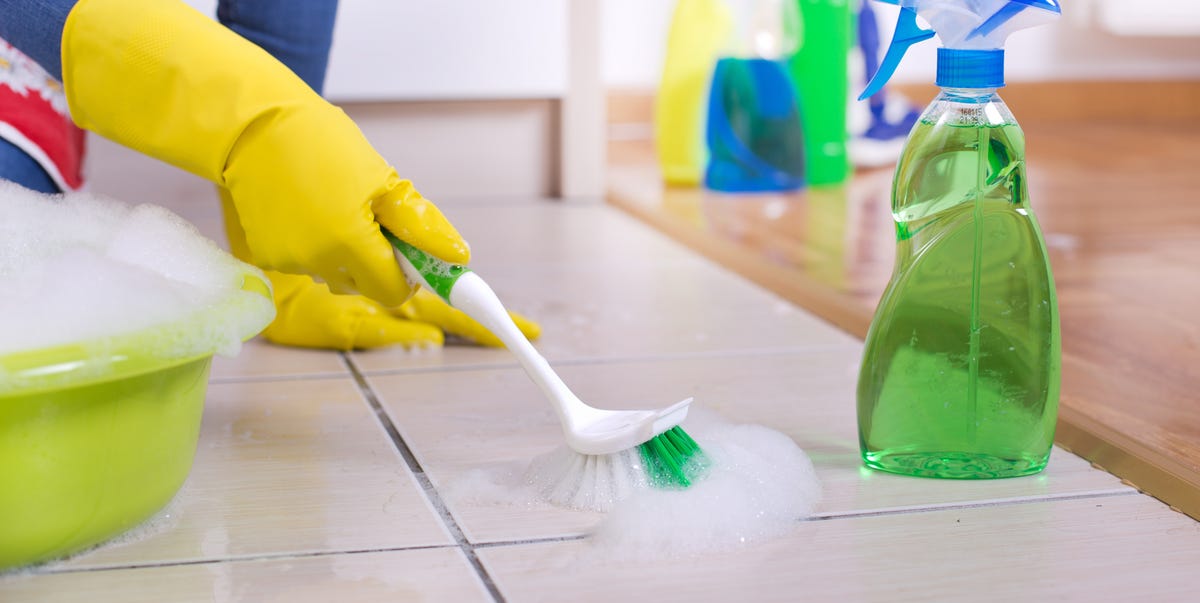
Tile floors are the reliable friend of the flooring world: durable, stylish, and generally not dramatic unless someone drags muddy sneakers across the kitchen five minutes after you mop. But while tile is tough, it is not invincible. The wrong cleaner can dull natural stone, weaken grout, leave streaks on porcelain, or turn a quick Saturday chore into a full-blown floor rescue mission.
The best way to clean tile floors depends on the type of tile under your feet. Ceramic and porcelain can handle routine cleaning with warm water and mild cleaners. Natural stone, such as marble, slate, granite, limestone, and travertine, needs a gentler approach with pH-neutral products. Textured, unglazed, and grout-heavy floors require a little extra patience because dirt loves to hide in tiny grooves like it pays rent there.
This expert-backed guide explains how to clean tile floors of all types, how to protect grout, what products to avoid, and how to build a simple routine that keeps your floors looking fresh without turning cleaning day into a cardio class.
First, Identify Your Tile Type
Before grabbing a mop, take a moment to figure out what kind of tile you have. Tile may look similar from across the room, but cleaning porcelain the same way you clean marble can lead to expensive regrets. Porcelain and ceramic tiles are commonly used in kitchens, bathrooms, laundry rooms, and entryways because they resist water and everyday wear. Natural stone tiles are beautiful but more porous and sensitive. Quarry, terracotta, cement, and unglazed tiles can absorb stains more easily if they are not sealed properly.
If you are not sure what kind of tile you have, look for clues. Porcelain usually feels dense and smooth, often with a consistent finish. Ceramic tile may have a glazed top layer and a different color underneath if chipped. Marble has veining, travertine often has natural pits, slate has a layered texture, and terracotta has a warm clay tone. When in doubt, use the safest universal method: dry sweep, damp mop with warm water and a pH-neutral cleaner, rinse lightly, and dry with a soft cloth.
The Basic Tile Floor Cleaning Routine
No matter the tile type, the first rule is simple: remove loose dirt before adding water. Grit acts like tiny sandpaper. If you mop before sweeping, you may simply push dirt around and grind it into grout lines. Not exactly the sparkling-homeowner moment we are aiming for.
Step 1: Sweep or Vacuum Thoroughly
Use a soft-bristle broom, dust mop, or vacuum set to hard-floor mode. Avoid vacuum beater bars, which can scratch some surfaces. Pay attention to corners, under cabinets, around furniture legs, and entryways where dirt collects quickly.
Step 2: Choose the Right Cleaner
For most tile floors, warm water and a small amount of mild dish soap or a pH-neutral tile cleaner work well. For natural stone, use a cleaner specifically labeled safe for stone. Avoid assuming that “natural” means “safe.” Vinegar and lemon juice may sound friendly, but they are acidic and can damage marble, limestone, travertine, and some grout.
Step 3: Mop With a Damp, Not Soaking, Mop
Too much water can seep into grout, under tile edges, or into porous materials. Wring the mop well. Work in sections, rinse the mop often, and change the bucket water when it turns cloudy. Dirty mop water is the villain behind many streaky floors.
Step 4: Rinse When Needed
If you used soap or cleaner, rinse with clean water to remove residue. Leftover cleaner can make floors sticky, dull, or more likely to attract dirt. A floor that gets dirty again two hours after mopping is usually not cursed; it probably has residue.
Step 5: Dry the Floor
Drying is the step many people skip, but it makes a big difference. Use a microfiber cloth or dry mop to prevent water spots, protect grout, and reduce slip risk. Bonus: sliding a towel around with your foot counts as light household choreography.
How to Clean Ceramic Tile Floors
Ceramic tile is one of the easiest floors to maintain, especially when glazed. It handles regular sweeping, damp mopping, and mild cleaning solutions well. For routine cleaning, mix warm water with a few drops of dish soap or use a ceramic-safe floor cleaner. Mop in small sections, rinse with clean water, and dry the surface.
For sticky spills, let a damp cloth sit on the spot for a minute before wiping. Avoid metal scrubbers and harsh scouring powders, which can scratch the glaze. If the tile is unglazed, be more careful with stains and moisture because the surface may be more absorbent.
How to Clean Porcelain Tile Floors
Porcelain tile is dense, durable, and excellent for high-traffic areas. It is usually less porous than ceramic, which makes it easier to clean. Sweep or vacuum first, then mop with warm water and a mild detergent or pH-neutral tile cleaner. For polished porcelain, use a non-abrasive mop and dry the floor after cleaning to reduce streaks.
For textured porcelain, dirt may settle into grooves. A microfiber mop may not reach every tiny low spot, so use a soft nylon brush for stubborn areas. Scrub gently, rinse well, and avoid wax-based cleaners. Porcelain does not need a waxy “glow-up.” It needs clean water, the right cleaner, and a little respect.
How to Clean Natural Stone Tile Floors
Natural stone is gorgeous, but it has boundaries. Marble, limestone, travertine, slate, and granite should be cleaned with pH-neutral stone cleaner, stone soap, or mild dish soap diluted in warm water. Never use vinegar, lemon juice, bleach, ammonia, abrasive powders, or acidic bathroom cleaners on natural stone. These can etch, dull, discolor, or weaken the surface and sealer.
Start with a dry dust mop or vacuum. Then damp mop with a stone-safe cleaner. Rinse lightly if the product requires it, and dry with a soft cloth. Blot spills quickly, especially oil, wine, coffee, juice, and colored liquids. Do not wipe aggressively across the spill, because that can spread the stain.
Marble and Limestone
Marble and limestone are especially sensitive to acids. Even a splash of vinegar can leave dull marks called etching. Clean these floors gently and dry them quickly. Use mats near entrances to reduce grit, and avoid dragging furniture across the surface.
Slate
Slate can have a textured surface that traps dust and soil. Use a soft broom or vacuum regularly. Clean with a pH-neutral stone cleaner and a damp mop. If your slate is sealed, maintain the sealer according to the manufacturer’s recommendations.
Travertine
Travertine often has small natural holes and pores. Dirt can collect in those openings, so regular dusting and prompt spill cleanup are important. Avoid soaking the floor, and use a stone-safe cleaner rather than general bathroom or grout cleaners.
How to Clean Terracotta, Quarry, and Cement Tile
Terracotta, quarry, and cement tile can be more porous than glazed ceramic or porcelain. Many of these floors rely on sealers for stain resistance. Sweep often, mop with a pH-neutral cleaner, and avoid acidic products. If the floor looks dull, stains easily, or absorbs water quickly, it may need resealing.
For cement tile, avoid bleach and harsh alkaline cleaners unless the manufacturer specifically allows them. Cement tile can be sensitive to aggressive products. Use a mild cleaner, a soft mop, and a low-moisture approach. Think gentle spa day, not power-washing the driveway.
How to Clean Tile Grout
Grout is often the real troublemaker. Tile may look clean while grout lines stay dark, dingy, or uneven. Because many grout types are porous, they absorb dirt, grease, soap residue, and moisture. The best way to clean grout is to start mild and increase strength only when necessary.
For Light Grout Cleaning
Mix warm water with a small amount of mild dish soap. Dip a soft nylon grout brush or old toothbrush into the solution and scrub the grout lines. Wipe with a damp cloth and dry the area. This works well for routine bathroom and kitchen maintenance.
For Stained Grout
Make a paste with baking soda and water. Apply it to grout lines, let it sit for several minutes, then scrub gently with a nylon brush. Rinse thoroughly. For tougher stains on grout that is not next to sensitive natural stone, a diluted hydrogen peroxide solution may help brighten the lines. Always test first in a hidden area.
When to Seal Grout
Grout sealer helps protect against stains and moisture. If water soaks into the grout instead of beading on the surface, it may be time to reseal. High-traffic floors, showers, kitchens, and entryways usually need more attention. Sealing does not make grout magically self-cleaning, but it does make future cleaning much easier.
What Not to Use on Tile Floors
Some cleaning products create more problems than they solve. Avoid steel wool, metal brushes, scouring powders, overly abrasive pads, waxy cleaners, oil soaps, and heavy bleach use. These can scratch tile, leave slippery residue, discolor grout, or damage protective sealers.
Be careful with vinegar. It can be used cautiously on some ceramic and porcelain floors, but many experts prefer pH-neutral cleaners because vinegar may weaken grout over time and can ruin natural stone. Never mix vinegar with bleach. Never mix bleach with ammonia. Your floor does not need a science experiment with dangerous fumes.
Can You Use a Steam Mop on Tile Floors?
Steam mops can work on some sealed ceramic and porcelain tile floors, but they are not ideal for every tile type. Avoid steam on natural stone, damaged grout, unsealed grout, loose tiles, vinyl tile, and floors where the manufacturer warns against heat or moisture. Steam can push moisture into cracks and weaken sealers over time.
If you use a steam mop, use it occasionally rather than daily, keep it moving, and make sure the floor is properly sealed and in good condition. For most homes, a microfiber mop and the correct cleaner are safer for routine tile floor cleaning.
How Often Should You Clean Tile Floors?
Cleaning frequency depends on traffic, pets, kids, weather, and whether your household treats the entryway like a mud-sampling laboratory. As a general rule, sweep or vacuum high-traffic tile floors daily or every other day. Mop kitchens, bathrooms, and entryways weekly. Deep clean grout monthly or as needed. Natural stone should be dusted often and damp mopped with stone-safe cleaner when it looks dull or dirty.
Use doormats at entrances to reduce grit. Wipe spills quickly. Keep bathroom ventilation running after showers to reduce moisture. Small habits prevent big cleaning sessions later.
Expert Tips for Cleaner, Shinier Tile Floors
Use two buckets if possible: one for cleaning solution and one for rinse water. This prevents you from spreading dirty water back across the floor. Change water often, especially in kitchens. Use microfiber because it grabs fine dust and leaves less lint. Clean grout before cleaning the tile surface so residue does not streak freshly mopped areas.
For greasy kitchen tile, use a tile-safe cleaner that cuts oil without leaving residue. For bathroom tile, focus on moisture control. For entryways, remove grit before it scratches the floor. For natural stone, protect the sealer and avoid acidic products. The smartest cleaning routine is not the strongest one; it is the one matched to the material.
Common Tile Floor Cleaning Mistakes
One common mistake is using too much cleaner. More product does not mean more clean. It often means more residue. Another mistake is skipping the rinse step. If the floor feels tacky after drying, it probably needs a clean-water rinse. A third mistake is ignoring grout until it becomes a restoration project. Grout is easier to maintain than rescue.
People also use the same cleaner everywhere. That all-purpose spray may be fine on glazed ceramic but risky on marble or cement tile. Always check labels. If the label says not to use on natural stone, believe it. The bottle is not being dramatic.
Real-World Experience: What Actually Works When Cleaning Tile Floors
After cleaning many types of tile floors in real homes, one lesson becomes clear: the floor usually tells you what it needs. A kitchen porcelain floor with greasy footprints needs a degreasing but non-abrasive cleaner. A bathroom ceramic floor with cloudy grout needs more ventilation and regular grout brushing. A marble entryway with dull patches does not need vinegar; it needs a stone-safe routine and possibly professional polishing.
The most effective routine is often the least glamorous. Sweep first. Mop with a properly diluted cleaner. Rinse if needed. Dry the floor. That sounds almost too simple, but it solves most tile problems. The trouble starts when people try shortcuts. They pour in extra soap, skip rinsing, use a soaking wet mop, or scrub grout with harsh tools. The floor may look better for a day, then dirt returns faster because residue acts like a dust magnet.
In busy homes, entryways are usually the dirtiest tile zones. Shoes bring in sand, soil, grass, salt, and tiny debris. A good mat outside and another mat inside can reduce cleaning time dramatically. It is not fancy, but neither is crouching over grout lines with a toothbrush on a Sunday morning. Preventing dirt is always easier than removing it later.
Bathrooms have a different problem: moisture. Even clean water can leave mineral spots, feed mildew, or darken grout if it sits too long. Running the fan, opening the door after showers, and drying wet areas with a microfiber cloth can make grout cleaning much easier. In bathrooms, the best cleaning product is often airflow. Very glamorous? No. Very effective? Absolutely.
For kitchens, grease is the sneaky villain. It floats, settles, and mixes with dust until the floor feels slightly sticky. A mild dish soap solution can help, but the key is using only a small amount and rinsing afterward. Too much soap creates a film. If socks stick slightly when walking across the floor, the floor is not clean; it is wearing a soap sweater.
Natural stone floors teach the biggest lesson: gentle consistency beats aggressive rescue cleaning. Marble, limestone, and travertine do not respond well to acidic cleaners, abrasive scrubbers, or random DIY experiments. Once stone is etched, regular cleaning will not restore the shine. That usually requires polishing or professional restoration. For stone, use mats, blot spills, clean with pH-neutral products, and reseal when water no longer beads on the surface.
Textured tile also deserves patience. A flat mop may glide over the high points while leaving dirt in the low points. A soft brush, used occasionally, can lift grime from texture and grout lines. This is especially helpful in mudrooms, patios, laundry rooms, and homes with pets. The trick is to scrub gently and rinse well, not attack the floor like it owes you money.
One final experience-based tip: clean a small hidden spot before trying any new product. This is especially important for natural stone, cement tile, colored grout, and older floors. A five-minute test can prevent a permanent mark in the middle of the room, which is the kind of home decor nobody pins on Pinterest.
Conclusion
Learning how to clean tile floors of all types is really about matching the method to the material. Ceramic and porcelain are durable and easygoing. Natural stone needs pH-neutral care. Terracotta, quarry, and cement tile need gentle cleaning and proper sealing. Grout needs regular attention because it holds onto dirt more eagerly than a toddler holding Halloween candy.
For the best results, sweep often, mop with the right cleaner, rinse away residue, dry the floor, and avoid harsh chemicals unless the tile manufacturer specifically recommends them. With a smart routine, your tile floors can stay clean, bright, and beautiful for years without requiring heroic effort or dramatic background music.