Tennis balls live a surprisingly dramatic life. One day they are bright, bouncy, and full of promise. A few rallies later, they look like they have been dragged through a sandbox, introduced to a dog, rolled under a garage shelf, and emotionally abandoned. The good news? In many cases, you can clean tennis balls safely and make them more pleasant to use again.
Learning how to clean tennis balls is useful whether you play tennis, use balls for dog fetch, toss them in the dryer with laundry, place them on chair legs, or keep a bucket of practice balls in the garage. Cleaning will not magically restore lost pressure in a dead ball, but it can remove dirt, dust, clay, grass stains, slobber, and that mysterious gray fuzz that says, “I have seen things.”
This guide explains how to wash tennis balls by hand or in a washing machine, how to dry them properly, what products to avoid, and when it is time to retire a ball instead of giving it a spa day. Let’s rescue the fuzzresponsibly.
Why Clean Tennis Balls?
Dirty tennis balls are more than a cosmetic issue. Dirt and grit can cling to the felt, affect how the ball feels off the strings, and make practice sessions less consistent. If you use balls for pets, dirt and saliva can build up quickly. If you use tennis balls in the laundry, dust and outdoor debris are not exactly welcome guests inside your dryer.
A tennis ball is made from a rubber core covered with fabric felt. Pressurized balls get much of their bounce from internal pressure, while pressureless balls rely more on the rubber shell. That means cleaning can improve the outside of the ball, but it cannot fully reverse pressure loss. A clean flat ball is still flatjust with better personal hygiene.
Before You Start: Know What Cleaning Can and Cannot Do
Cleaning tennis balls can remove surface dirt, reduce odor, and help the felt feel fresher. It may also make older balls more useful for practice, dog play, laundry, or household projects. However, it will not turn a worn-out ball into a tournament-ready ball.
If a ball is cracked, split, badly bald, moldy, or no longer bounces well, cleaning is probably not worth the effort. For match play, fresh approved balls are still the best choice. For casual use, though, a careful wash can give tennis balls a second actand who does not love a comeback story?
Supplies You Need to Clean Tennis Balls
You do not need a laboratory or a professional stringer’s blessing. Most tennis balls can be cleaned with simple household items.
- A bucket, sink, or large bowl
- Warm water
- Mild dish soap or mild laundry detergent
- A soft brush, sponge, or microfiber cloth
- A towel
- A mesh laundry bag, if machine washing
- Optional: white vinegar for odor control
Avoid bleach, harsh disinfectants, fabric softener, strong solvents, and heavy fragrance products. Tennis ball felt is not a bathroom tile. Treat it gently.
How to Clean Tennis Balls: 10 Steps
Step 1: Sort the Tennis Balls by Condition
Before washing, inspect every ball. Separate balls into three groups: playable balls, practice-only balls, and balls that should be retired. Look for cracks, open seams, exposed rubber, missing felt, mildew, or strange smells that refuse to negotiate.
If a tennis ball is used by a dog, inspect it even more carefully. Chewed or split balls can become choking hazards. A ball that has been torn open should go straight to the trash, not back into the toy basket.
Step 2: Shake Off Loose Dirt and Debris
Take the balls outside and shake, tap, or brush off loose dust, sand, grass, and clay. This quick step keeps your cleaning water from turning into soup. For clay-court balls, a dry brush can remove a surprising amount of fine red dust before you even add water.
Do not scrub aggressively at this stage. The goal is to remove loose debris, not shave the ball like a fuzzy kiwi.
Step 3: Prepare a Mild Cleaning Solution
Fill a bucket or sink with warm water. Add a small amount of mild dish soap or mild laundry detergent. You want lightly soapy water, not a bubble bath worthy of a sitcom scene.
Warm water helps loosen dirt, while soap helps lift oils, grime, and residue from the felt. If the balls smell unpleasant, you may add a small splash of white vinegar, but do not overdo it. Vinegar can help with odor, but soap and water should remain the main cleaning team.
Step 4: Soak the Tennis Balls Briefly
Place the balls in the soapy water and let them soak for 10 to 20 minutes. This softens dirt trapped in the felt. Press each ball under the water a few times so the surface gets evenly wet.
Do not soak tennis balls overnight. Long soaking can waterlog the felt and may affect how the ball dries. Tennis balls enjoy a short soak, not a weekend retreat.
Step 5: Gently Scrub the Felt
Use a soft brush, sponge, or microfiber cloth to clean each ball. Work in small circles and focus on stained or muddy areas. For heavy dirt, dip the brush back into the soapy water and continue gently.
Avoid wire brushes, stiff scrubbers, or abrasive pads. These can damage the felt and shorten the ball’s useful life. The right pressure is firm enough to remove dirt but gentle enough that the ball still looks like a tennis ball afterward.
Step 6: Rinse Thoroughly
Rinse the tennis balls under clean water until the soap is gone. This step matters, especially if the balls will be used by pets or in laundry. Soap residue can irritate mouths, skin, or fabrics.
Squeeze each ball lightly with your hand while rinsing the surface. You do not need to crush it. Just help clean water move through the outer felt.
Step 7: Remove Excess Water With a Towel
Place the rinsed balls on a towel and roll them around. Pat them gently to remove extra moisture. This shortens drying time and reduces the chance of musty smells.
Do not twist or wring tennis balls. They are durable on court, but unnecessary force can distort the felt or stress the seam.
Step 8: Air-Dry Completely
Let tennis balls air-dry in a well-ventilated area. Spread them out so air can circulate around each ball. A sunny spot can help, but avoid extreme heat for long periods because heat may affect rubber and adhesive over time.
Drying completely is non-negotiable. Damp felt can develop odors or mildew, especially if the balls are stored in a closed bag or bucket. If a ball still feels cool, heavy, or damp, give it more time.
Step 9: Fluff the Felt Lightly
Once dry, roll the balls between your hands or brush them lightly with a soft cloth. This can help lift compressed felt. Do not expect a factory-fresh glow, but you can often make the surface feel less matted.
If you use tennis balls for practice, test the bounce after drying. Drop each ball from the same height and compare how it rebounds. Keep the lively ones for drills and move the tired ones to laundry duty, chair legs, or garage projects.
Step 10: Store Tennis Balls Correctly
Store clean tennis balls in a dry, breathable container. Avoid sealing damp balls in plastic bags. For pressurized tennis balls used for play, a tennis ball saver or pressurized storage tube may help slow pressure loss after the can is opened.
Keep balls away from direct heat, standing moisture, and dirty garage corners where spiders hold committee meetings. Clean storage helps keep the felt fresher and makes your next session more enjoyable.
Can You Wash Tennis Balls in the Washing Machine?
Yes, you can wash many tennis balls in a washing machine, especially if they are used for practice, pets, or laundry rather than official match play. Use a mesh laundry bag, cold or warm water, and a gentle cycle. Add a small amount of mild detergent.
Do not wash tennis balls with delicate clothing. The balls may bump around, and loose grit can transfer to fabrics. A small towel load is usually safer. Skip bleach and fabric softener. After washing, rinse well if needed and air-dry completely.
Can You Put Tennis Balls in the Dryer?
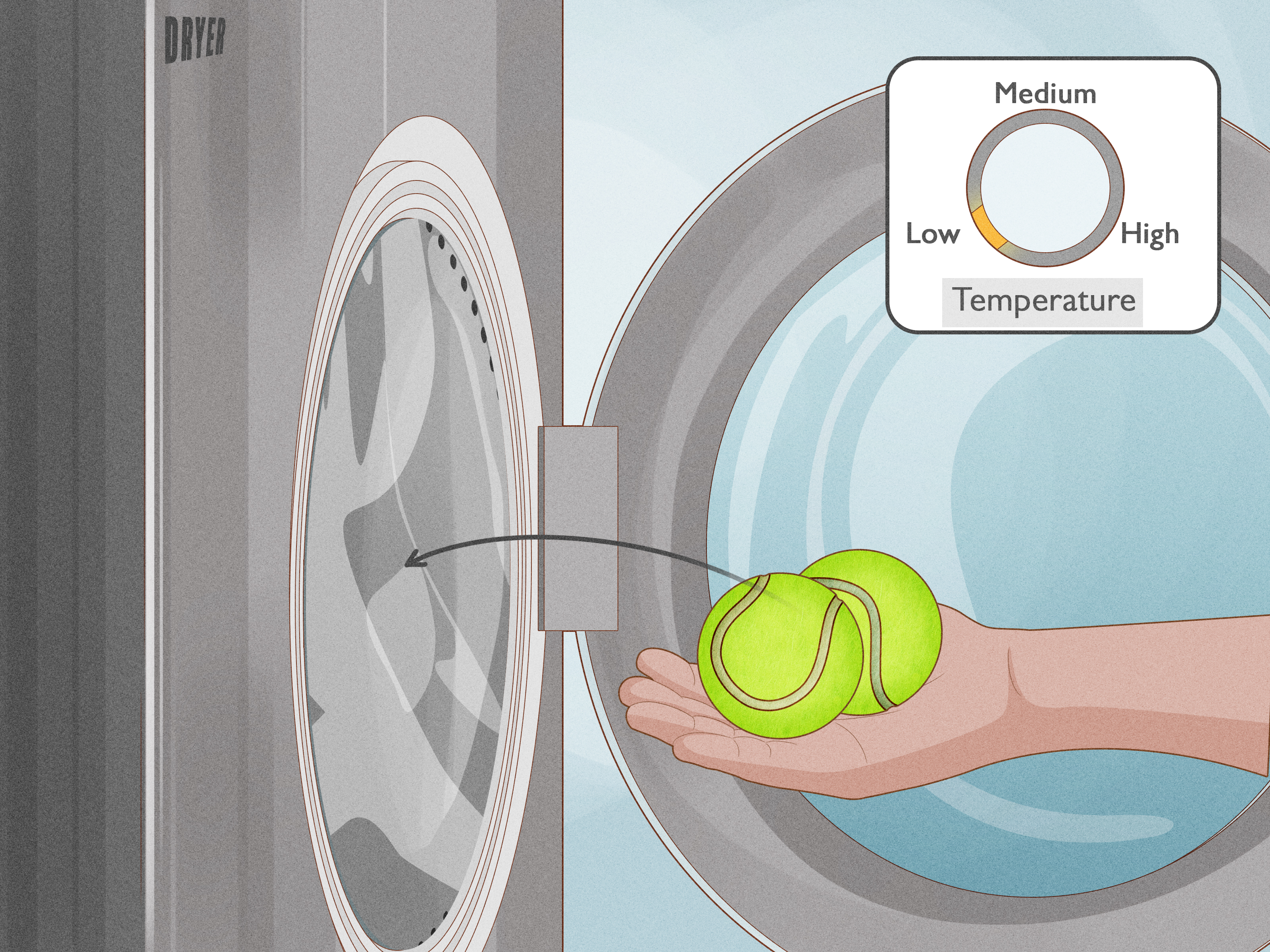
Tennis balls are often used in dryers to help fluff down jackets, comforters, and pillows. However, drying freshly washed tennis balls in a dryer should be done carefully. Use low or no heat, and check them often. High heat may affect the rubber, glue, or felt.
For best results, air-drying is the safer option. If you need them faster, towel-dry first, then use a low-heat dryer setting briefly. Remove them when they are dry, not when they have achieved the temperature of a baked potato.
How to Clean Tennis Balls for Dogs
Dog tennis balls deserve special care because they collect saliva, dirt, grass, and backyard mystery substances. Hand washing is usually best. Use warm water and mild soap, scrub gently, and rinse thoroughly until no residue remains.
Let the balls dry completely before giving them back to your dog. Also, inspect them every time. If the ball is split, shredded, or small enough to lodge in your dog’s throat, replace it. Tennis balls can be fun, but safety comes first.
How Often Should You Clean Tennis Balls?
The cleaning schedule depends on how the balls are used. Tennis balls used only on clean indoor courts may need very little cleaning. Balls used on clay, grass, outdoor hard courts, dog parks, or wet lawns may need cleaning more often.
As a practical rule, wash tennis balls when they look dirty, smell bad, feel gritty, or leave residue on your hands. For dog toys, weekly or biweekly cleaning may make sense if the balls are used often. For tennis practice balls, clean them whenever dirt starts affecting feel or storage odor.
Common Mistakes to Avoid
Using Too Much Detergent
More soap does not mean cleaner balls. It means more rinsing and more residue. Use a small amount of mild detergent.
Using Bleach
Bleach can be too harsh for tennis ball felt and may leave residue. It is not necessary for normal cleaning.
Scrubbing Too Hard
Aggressive scrubbing can rough up or remove felt. Gentle cleaning is usually enough.
Storing Balls While Damp
This is the fast lane to musty odor. Always dry tennis balls completely before storing them.
Expecting Cleaning to Restore Bounce
Cleaning removes dirt. It does not replace internal pressure. If the ball is dead, let it retire with dignity.
Best Uses for Cleaned Tennis Balls
Once tennis balls are clean, you can reuse them in many ways. Keep the best ones for practice serves, ball-machine drills, or casual hitting. Use older clean balls for dog fetch, dryer fluffing, massage, floor protectors, or classroom chair legs.
Reusing tennis balls also helps reduce waste. Millions of balls are discarded every year, and extending their useful life is a small but meaningful habit. Even if a ball is no longer match-worthy, it may still have plenty of usefulness left.
Experience Notes: What Actually Works in Real Life
After cleaning plenty of tennis balls for practice baskets, dog play, and household use, one lesson becomes obvious: the gentler method usually wins. The best results often come from a simple bucket of warm water, a tiny amount of dish soap, and patience. Tennis balls do not need a dramatic cleaning routine. They need dirt loosened, felt treated kindly, and enough drying time.
The dirtiest balls are usually the ones used outdoors after rain or on dusty courts. These balls benefit from a dry brushing before washing. If you skip that step, the water turns muddy almost immediately, and you end up washing balls in what looks like weak coffee. Not ideal, unless your goal is to create a new sport called cappuccino tennis.
For clay-court balls, rinsing matters more than scrubbing. Clay dust can sit deep in the felt, so a brief soak followed by gentle brushing works better than attacking the surface. Hard-court balls tend to pick up darker grime and tiny abrasive particles. These usually clean well, but if the felt is already worn smooth, washing will not bring back the original texture.
For dog balls, odor control is the biggest challenge. Mild soap plus thorough drying usually solves most smells. A little white vinegar in the wash water can help, but rinsing is essential. Dogs put these balls in their mouths, so any cleaning product left behind is a bad idea. It is also smart to rotate balls: keep several clean ones ready and remove damaged ones before your dog turns them into confetti.
Machine washing is convenient when you have a large batch, but it is not always better. A mesh laundry bag helps keep balls contained, and a gentle cycle prevents unnecessary beating. Still, hand washing gives more control and is better for balls you want to keep in decent playing condition. Machine washing is best for older practice balls, dog balls, or laundry balls.
The most overlooked part is drying. Tennis balls can feel dry on the outside while the felt near the seam is still damp. Give them extra time in open air. Set them on a towel, turn them occasionally, and avoid packing them away too soon. A clean ball stored damp will smell worse than a dirty ball left alone. Moisture is sneaky like that.
Another practical tip: label or separate balls by purpose. Keep playing balls, dog balls, and laundry balls in different containers. Once a tennis ball has spent a week in a dog’s mouth, it probably should not return to your serve basket. Boundaries are healthyfor people and tennis balls.
Finally, be realistic. If you are preparing for a tournament or serious match, use fresh balls. Cleaned tennis balls are excellent for practice, casual play, and reuse, but competitive tennis depends on consistent bounce, felt, and pressure. Cleaning can make a ball nicer. It cannot make it new. That said, for everyday use, a quick wash can turn a grimy little fuzzball into something perfectly useful again.
Conclusion
Cleaning tennis balls is simple when you use the right method: sort, brush, soak, scrub gently, rinse well, dry completely, and store properly. Mild soap and warm water are usually enough. Avoid harsh chemicals, high heat, and rough scrubbing. Most importantly, know when a ball is too worn or damaged to save.
Whether you are refreshing practice balls, cleaning dog toys, or preparing dryer balls for laundry day, a careful wash can extend their usefulness and keep grime under control. Tennis balls may be small, but they work hard. Give them a clean start, and they may reward you with a few more rallies, fetch sessions, or fluffy comforters.