A tragus piercing may be tiny, but it has main-character energy. Sitting on that small flap of cartilage in front of your ear canal, it looks stylish, subtle, and just rebellious enough to make your earbuds nervous. But because the tragus is cartilage, it needs careful cleaning, patience, and a little less “I’ll just twist it to make sure it’s fine” energy.
Learning how to clean a tragus piercing correctly can help lower the risk of irritation, bumps, crust buildup, and infection. The goal is not to scrub it into submission. The goal is to keep the area clean, calm, and protected while your body does the slow, impressive work of healing.
This guide walks you through 11 practical steps for tragus piercing aftercare, including what to use, what to avoid, how often to clean it, and when to call a professional instead of letting internet panic become your primary healthcare provider.
What Is a Tragus Piercing?
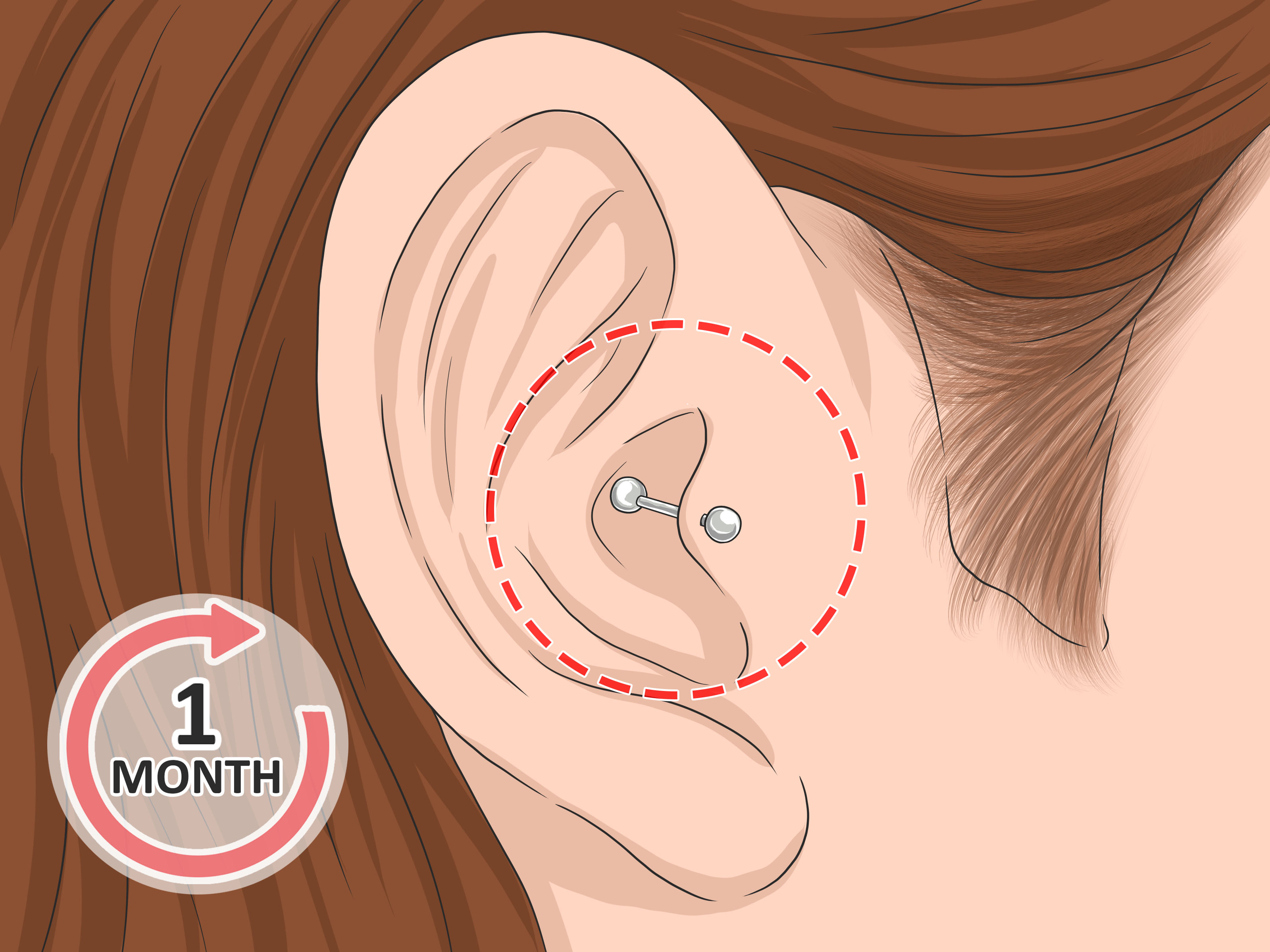
A tragus piercing goes through the small piece of cartilage that partially covers the opening of your ear canal. Because cartilage has less blood flow than softer tissue, it usually heals more slowly than a standard earlobe piercing. That means your cleaning routine matters, but so does your ability to leave it alone.
Most tragus piercings are fitted with a small flat-back labret stud, barbell, or hoop once healed. During the initial healing stage, your piercer will usually choose jewelry that allows room for swelling. Do not change the jewelry too early, even if you find a cuter piece that whispers your name from an online shopping cart.
How Long Does a Tragus Piercing Take to Heal?
A tragus piercing often takes several months to heal, and some can take up to a year to feel fully settled. Healing time depends on your body, jewelry quality, aftercare habits, sleep position, immune health, and how often the piercing gets bumped by headphones, hair, fingers, phones, hats, or enthusiastic hugs.
During healing, it is normal to see light crust, mild swelling, slight tenderness, and occasional clear or pale fluid. However, worsening pain, spreading redness, heat, thick yellow or green discharge, fever, or swelling that traps the jewelry should be taken seriously.
What You Need to Clean a Tragus Piercing
Before you start, gather the basics. You do not need a bathroom cabinet that looks like a pharmacy exploded. In fact, simple is better.
- Sterile saline wound wash, ideally 0.9% sodium chloride with no additives
- Clean gauze, paper towel, or sterile cotton swabs for drying
- Mild, fragrance-free cleanser if recommended by your piercer or dermatologist
- Clean running water for rinsing
- A clean pillowcase and clean phone screen
Avoid rubbing alcohol, hydrogen peroxide, iodine, tea tree oil, ointments, homemade salt mixes, and harsh soaps unless a qualified healthcare professional specifically tells you otherwise. These products can dry, irritate, or damage healing tissue.
How to Clean a Tragus Piercing: 11 Steps
1. Wash Your Hands First
Before touching your tragus piercing, wash your hands thoroughly with soap and warm water. This is the least glamorous step, but it is also one of the most important. Your fingers touch keyboards, door handles, phones, snacks, pets, and who knows what else. Your fresh piercing does not need a full biography of your day.
Scrub for at least 20 seconds, rinse well, and dry your hands with a clean towel or disposable paper towel. If you cannot wash your hands, do not touch the piercing. Hand sanitizer is helpful in many situations, but clean hands with soap and water are still the better choice before piercing care.
2. Use Sterile Saline, Not a Random Salt Potion
The best everyday cleaner for a tragus piercing is sterile saline wound wash. Look for a product that lists 0.9% sodium chloride as the only active ingredient. Avoid sprays with moisturizers, preservatives, antiseptics, or “extra healing” ingredients. Your piercing is not asking for a spa package.
Homemade salt water can be too strong or too weak, and the container may not stay sterile. A solution that is too salty can dry and irritate the skin, while a weak solution may not clean effectively. Sterile saline is simple, consistent, and easy to use.
3. Spray the Front and Back of the Piercing
Hold the saline spray close enough to reach the piercing but not so close that the pressure feels aggressive. Spray the front and back of the tragus area. Because the tragus sits near the ear canal, angle the spray carefully so liquid does not blast directly into your ear.
If spraying feels awkward, soak a clean piece of gauze with saline and gently hold it against the piercing for a minute or two. This can help soften crust without scraping. The key word is gently. Your tragus is healing, not auditioning for a pressure-washing video.
4. Let Crust Soften Before Removing It
Crust around a new tragus piercing is usually dried lymph fluid, which is part of normal healing. Do not pick it off with fingernails. Picking can create tiny tears, introduce bacteria, and prolong irritation.
After applying saline, give the crust a moment to soften. Then use clean gauze or a sterile cotton swab to gently wipe away only the loose debris. If something is stuck, leave it alone and try again during the next cleaning. Forcing it off can make the piercing angry, and an angry tragus is a surprisingly dramatic roommate.
5. Rinse Away Soap or Product Residue
If you use a mild cleanser around your ear, rinse thoroughly with clean water. Soap residue can irritate the piercing and cause dryness, itching, or bumps. Be especially careful with shampoo, conditioner, hairspray, dry shampoo, sunscreen, makeup, and skincare products near the ear.
During showers, let clean water run gently over the area. Do not aim a powerful shower stream directly at the piercing. After washing your hair, make sure no conditioner is sitting behind the jewelry. Conditioner may be great for your hair, but your tragus piercing did not subscribe.
6. Dry the Area Carefully
Moisture trapped around jewelry can encourage irritation. After cleaning, gently pat the area dry with clean gauze or a disposable paper product. Avoid bath towels because they can harbor bacteria and snag on jewelry.
If you use a cotton swab, be careful. Cotton fibers can catch on jewelry or leave tiny strands behind. Use a light touch and avoid pushing the swab into the piercing channel. Drying should feel boring, not heroic.
7. Do Not Twist or Rotate the Jewelry
Old piercing advice often told people to rotate jewelry during cleaning. For a healing tragus piercing, that is not necessary and can irritate the tissue. Moving jewelry back and forth may drag crust through the piercing channel, reopen fragile healing tissue, and delay recovery.
Clean around the jewelry without forcing it to move. If it shifts slightly while you clean, that is fine. But do not spin, tug, twist, or test it. Think of the jewelry as a guest in a healing house: it can stay, but it does not need to rearrange the furniture.
8. Clean It Once or Twice Daily
Most tragus piercings do well with cleaning once or twice a day. Over-cleaning can be just as irritating as under-cleaning. If the piercing feels dry, tight, flaky, or increasingly tender, you may be cleaning too often or using products that are too harsh.
A good routine is simple: clean once in the morning and once at night, or follow your piercer’s specific instructions. After sweating heavily, using hair products, or accidentally touching the area, a gentle saline rinse can help. But do not turn aftercare into an hourly ritual. Your piercing needs cleanliness, not surveillance.
9. Keep Earbuds, Phones, and Pillowcases Clean
The tragus sits in a high-contact zone. Earbuds press against it, phones hover near it, and pillowcases rub it while you sleep. During healing, avoid in-ear earbuds on that side if they touch or pressure the jewelry. Choose over-ear headphones if they do not bump the piercing, or use the opposite ear when possible.
Wipe your phone screen regularly and change your pillowcase often. If you sleep on the pierced side, try switching sides or using a travel pillow with your ear positioned in the center hole. This reduces pressure and helps prevent irritation bumps.
10. Avoid Swimming While It Heals
Pools, hot tubs, lakes, rivers, and oceans can expose a healing piercing to bacteria and irritants. Avoid submerging your tragus piercing until your piercer confirms it is safe. This may be annoying during vacation season, but so is explaining to your cartilage why it met a hot tub too soon.
If water accidentally gets on the piercing, rinse it with clean water or sterile saline afterward and dry it gently. Do not panic, but do not make soaking a habit.
11. Watch for Infection or Irritation Signs
Normal healing can include mild tenderness, slight swelling, and light crust. Irritation may cause redness, bumps, soreness, or sensitivity after pressure or product exposure. Infection can look more serious and may include increasing pain, warmth, swelling, pus-like discharge, spreading redness, fever, or jewelry that feels embedded.
If symptoms worsen, do not improve, or involve cartilage pain and swelling, contact a healthcare professional. Cartilage infections can become serious and may need medical treatment. Also, do not remove jewelry from a possibly infected piercing unless a clinician or professional piercer tells you to. Removing jewelry too soon can trap drainage inside.
Common Tragus Piercing Cleaning Mistakes
Using Alcohol or Hydrogen Peroxide
These products may feel “clean,” but they can be too harsh for healing tissue. They may dry the area, damage new cells, and slow healing. Sterile saline is usually enough for routine aftercare.
Changing Jewelry Too Early
Even if the piercing looks calm from the outside, the inside may still be healing. Changing jewelry too soon can restart irritation, cause swelling, or introduce bacteria. Wait until a professional piercer confirms the piercing is ready.
Sleeping on the Piercing
Pressure is one of the biggest enemies of cartilage piercings. Sleeping on your tragus can lead to tenderness, crooked healing, bumps, and prolonged swelling. Protect it like a tiny celebrity avoiding paparazzi.
Cleaning With Too Many Products
More products do not mean better healing. Saline, clean water, and patience are usually the winning trio. If your routine has six bottles and a motivational playlist, simplify it.
How to Tell If Your Tragus Piercing Is Healing Well
A healing tragus piercing should gradually become less tender. Swelling should decrease over time, crust should become less frequent, and the area should feel more comfortable during normal daily activities. It may still have occasional flare-ups, especially after sleeping on it or bumping it, but the overall trend should be improvement.
Good healing is not always perfectly linear. Some weeks are calm, and some weeks your piercing acts like it received bad news. The important thing is whether irritation settles after gentle care and reduced pressure. If the piercing keeps getting worse, seek professional advice.
When to See a Piercer
Visit a reputable piercer if your jewelry feels too tight, the backing is digging into your ear, the angle looks off, or you have a persistent irritation bump. A piercer can check jewelry size, material, placement, and fit. Sometimes the issue is not your cleaning routine at all; it is pressure, poor-quality jewelry, or jewelry that is too short for swelling.
Implant-grade titanium, solid gold of appropriate quality, or other body-safe materials may be recommended for sensitive ears. Avoid mystery metals, cheap plated jewelry, and pieces that cause itching or discoloration.
When to See a Healthcare Professional
Call a healthcare professional if you notice severe pain, spreading redness, hot skin, thick discharge, fever, chills, or swelling that seems to swallow the jewelry. Medical care is especially important for cartilage piercings because cartilage infections can be harder to treat than soft-tissue infections.
Do not rely on internet remedies, squeezing, popping bumps, or applying random oils. Your ear deserves better than a kitchen experiment with confidence.
Experience-Based Tips for Cleaning a Tragus Piercing
People who successfully heal tragus piercings often learn the same lesson: the cleaning routine is only half the story. The other half is lifestyle. A tragus piercing lives in a busy neighborhood. It has to deal with hair, headphones, phones, face masks, helmets, hats, pillowcases, and the occasional accidental slap from someone hugging you like they are landing a plane.
One common experience is the “it looked healed, so I changed the jewelry” mistake. The outside may look calm after a few weeks, but cartilage can still be healing deep inside. Many people swap jewelry too early and then deal with swelling, soreness, or a bump that seems to appear overnight. The better approach is to let a professional piercer check it before changing anything. Patience is cheaper than fixing an irritated piercing.
Another common situation involves earbuds. Tragus piercings and in-ear headphones are not always best friends during healing. Even a little pressure can cause tenderness or bumps. If you rely on earbuds for work, workouts, or dramatic podcast listening, switch to the opposite ear or use over-ear headphones that do not press on the jewelry. Small changes can make a big difference.
Sleep is another major factor. Many people clean perfectly but sleep on the piercing every night, then wonder why it stays sore. A travel pillow can help because it creates space for the ear. Place your ear in the center opening so the jewelry is not pressed into the pillow. It may look a little funny, but healing cartilage does not care about bedroom aesthetics.
Hair care also matters. Long hair can catch on the jewelry, and products like hairspray, gel, conditioner, and dry shampoo can irritate the area. Pull hair away from the piercing when possible, rinse well after washing your hair, and avoid spraying products near the ear. If your piercing suddenly becomes itchy or bumpy after a new shampoo, your tragus may be filing a formal complaint.
Many people also discover that “checking” the piercing becomes a habit. They touch it to see if it hurts, move it to see if it is loose, or look at it five times a day like it is a stock investment. This usually makes things worse. The best experience-based rule is simple: clean it, dry it, and leave it alone. If you would not poke a healing paper cut all day, do not poke a healing cartilage piercing.
Finally, do not ignore your instincts. If the jewelry feels too tight, if swelling is increasing, or if the area is hot and painful, get help early. A reputable piercer can solve jewelry problems, and a healthcare professional can evaluate infection symptoms. The best tragus piercing story is boring: clean routine, minimal drama, healed piercing, cute jewelry. Boring is beautiful.
Conclusion
Cleaning a tragus piercing is not complicated, but it does require consistency. Wash your hands, use sterile saline, clean gently once or twice daily, dry carefully, avoid twisting the jewelry, and protect the piercing from pressure and dirty surfaces. Skip harsh chemicals, early jewelry changes, and unnecessary touching.
Your tragus piercing is a small wound in cartilage, so give it time. Treat it kindly, keep the routine simple, and ask a professional when something feels wrong. With steady aftercare and a little patience, your piercing can heal comfortably and become the stylish detail you wanted in the first place.