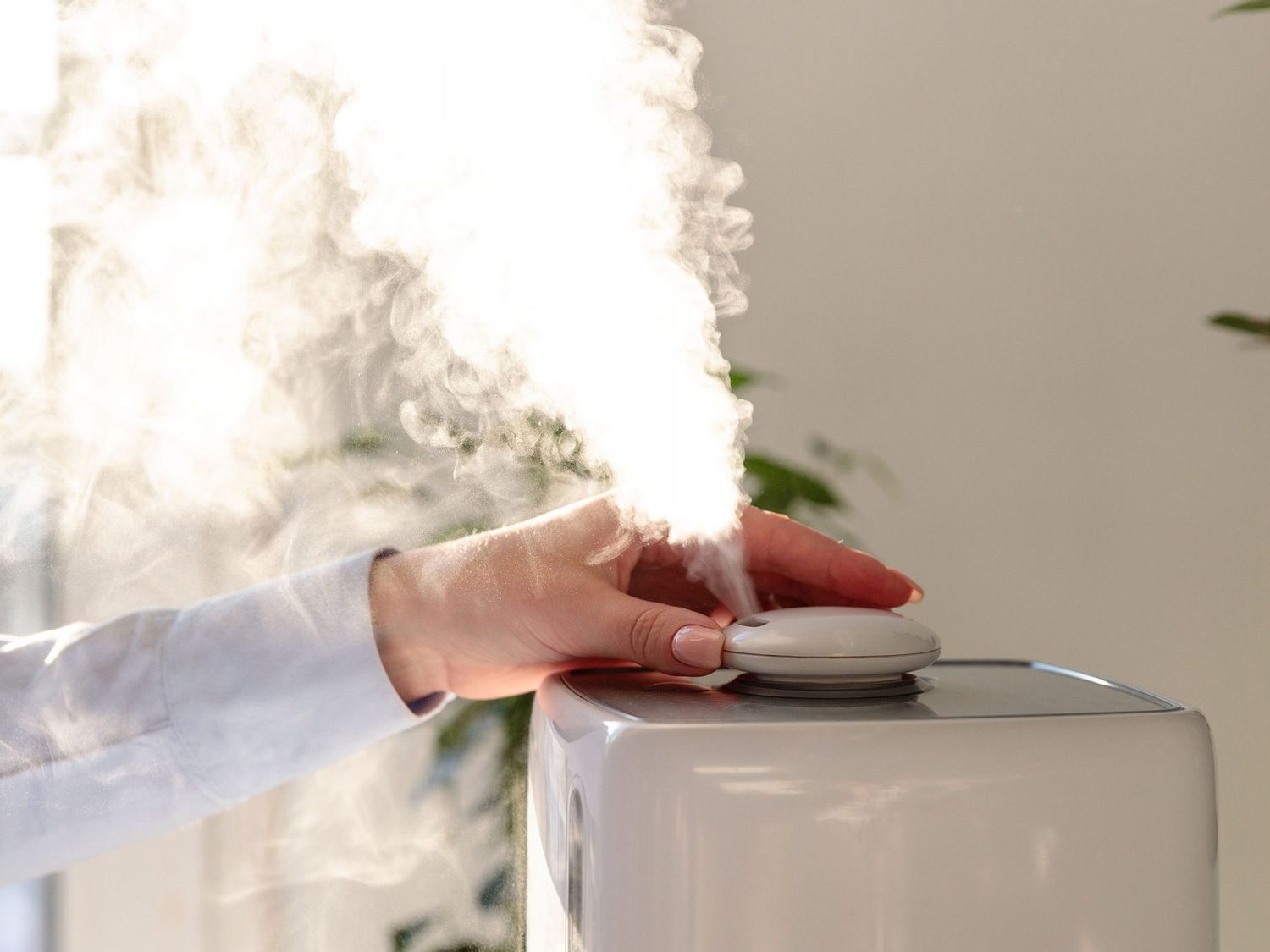
If your humidifier has been working overtime, congratulations: it has officially graduated from “helpful home appliance” to “tiny swamp with a power cord” unless you clean it regularly. That sounds dramatic, but it is not wrong. A humidifier can make dry indoor air feel much more comfortable, especially in winter or in heavily air-conditioned rooms. But if water sits around too long, the tank and base can become a cozy hangout for bacteria, mold, and mineral buildup.
The good news is that cleaning a humidifier does not require a chemistry degree, a hazmat suit, or a four-hour playlist titled Scrub Anthems. In many cases, plain white vinegar is the star of the show. It helps break down scale, loosen grime, and make the machine easier to keep fresh. Pair that with smart daily habits, proper rinsing, and a little consistency, and your humidifier can keep doing its job without turning your room mist into a science experiment.
Here is exactly how to clean a humidifier with vinegar, how often to do it, what mistakes to avoid, and how to keep bacteria from moving in like they pay rent.
Why Cleaning a Humidifier Matters
A humidifier works by turning water into mist or vapor. That is helpful when your skin feels tight, your throat feels scratchy, or your bedroom air feels like a desert that somehow charges rent. But water left sitting in the tank can develop film, scale, and microbial growth. Once that happens, the machine can spread more than moisture.
Mineral deposits are another sneaky problem. If you use hard tap water, minerals can settle inside the tank and base. Over time, that crusty buildup becomes harder to remove and may create a better surface for germs to cling to. In ultrasonic humidifiers, minerals can also end up as fine white dust around the room. That is not exactly the decorative snow effect most people are going for.
Routine cleaning solves both problems. Vinegar helps loosen the scale. Fresh water habits reduce stagnation. Thorough drying makes life harder for bacteria and mold. In other words, the secret is not one magical deep clean once a month. It is a boring but beautiful routine that prevents the gross stuff from getting a head start.
Can You Clean a Humidifier With Vinegar?
Yes, in many cases you can clean a humidifier with white vinegar, and it is one of the most common recommendations for removing mineral deposits. Distilled white vinegar is especially useful for descaling the tank, tray, and other water-contact parts. It helps dissolve the stubborn crust left behind by hard water and makes scrubbing much easier.
That said, vinegar is not a free pass to ignore your owner’s manual. Some models have filters, wicks, heating elements, or coated parts that need special treatment. Some manufacturers recommend a separate disinfecting step after descaling, while others focus on vinegar and thorough rinsing. So before you go full “vinegar solves everything,” check what your model says about filters and cleaning agents.
One rule matters every single time: never mix vinegar with bleach or other cleaners. If a manufacturer calls for separate cleaning and disinfecting steps, do them separately and rinse thoroughly in between. This is a cleaning routine, not a middle-school volcano experiment.
What You Need Before You Start
- Unplugged humidifier
- Distilled white vinegar
- Clean water for rinsing
- Soft cloth or sponge
- Soft-bristle brush, bottle brush, or old toothbrush
- Small bowl for soaking removable parts, if needed
- Towel or drying rack
- Protective gloves if you prefer not to smell like a pickle jar
Avoid abrasive scrubbers or metal brushes unless your manufacturer explicitly says they are safe. Scratching interior surfaces can make grime more likely to stick later. Gentle wins here.
How to Clean a Humidifier With Vinegar: Step-by-Step
1. Turn It Off and Unplug It
This sounds obvious, but people forget obvious things all the time. Disconnect the humidifier from power before doing anything else. Water and electricity are not a cute duo.
2. Empty All Remaining Water
Pour out any water left in the tank and base. Do not top it off and pretend that counts as cleaning. Stagnant water needs to go completely.
3. Take the Humidifier Apart
Remove the tank, cap, tray, nozzle, and any other detachable pieces that come into contact with water. If your humidifier uses a wick filter, cartridge, or demineralization filter, set it aside and check the manual before exposing it to vinegar. Some filters should be replaced, not scrubbed. Others can be rinsed gently. A few should absolutely not be soaked in vinegar.
4. Add Vinegar to the Tank and Base
Pour enough white vinegar into the water tank and base to coat the areas with visible scale or film. For many portable units, a cup or two is enough, though larger models may need more. Swish the vinegar around so it reaches the sides and any crusty spots.
If your humidifier has especially stubborn mineral deposits, let the vinegar sit for about 15 to 30 minutes. For heavier scale, you may need a longer soak. The goal is to loosen buildup, not marinate the machine until next Tuesday.
5. Scrub Gently
Use a soft brush or cloth to scrub the inside of the tank, base, cap, and any removable water-contact parts. Pay close attention to corners, seams, and the bottom of the base where slime and scale love to gather. If the vinegar loosened white crust, this step should be much easier than trying to attack it dry.
Do not forget the little places. The nozzle, float, and tank cap often collect film, even when the tank looks mostly clean. Tiny hidden spots are where the gross surprises usually live.
6. Rinse Thoroughly
Rinse every cleaned part with clean water until the vinegar smell is mostly gone. This step matters more than people think. You do not want leftover vinegar or any other cleaner getting aerosolized into your room. A quick lazy rinse is not enough. Be generous.
7. Air-Dry Completely
Place all parts on a clean towel or drying rack and let them air-dry fully before reassembling. Moisture left behind can help bacteria and mold return faster. Drying is not the glamorous part of humidifier care, but it is one of the most important.
8. Reassemble and Refill With Fresh Water
Once everything is dry, put the unit back together and refill it with fresh water. If possible, use distilled or demineralized water to reduce future scale. Then enjoy your clean mist without wondering what mysterious ecosystem is floating in it.
How Often Should You Clean a Humidifier?
The best cleaning schedule is a mix of quick daily care and deeper routine maintenance.
Daily Habits
- Empty leftover water
- Rinse the tank
- Wipe or shake out excess moisture
- Let the tank dry when possible
- Refill with fresh water only when you are ready to use it
These small habits reduce stagnant water, and stagnant water is exactly what bacteria enjoy most.
Every Few Days to Weekly
- Descale the tank and base with vinegar
- Check for film, slime, or white mineral crust
- Clean small accessories like caps, trays, and nozzles
- Inspect filters and replace them if the manual says it is time
If you use the humidifier every day, weekly deep cleaning is a smart rule of thumb. If you have hard water, pets, dust, or a household talent for forgetting things, you may want to clean even more often.
How Vinegar Helps Prevent Bacteria
Vinegar’s superpower in humidifier care is descaling. It loosens mineral deposits and grime that make the interior harder to clean. When scale and film are left alone, they create rough surfaces where bacteria and mold can settle more easily. By removing that buildup, vinegar helps you keep the machine cleaner and easier to maintain.
But let us be honest: vinegar is not a magic spell. The biggest bacteria-fighting habits are still the boring ones. Empty the water daily. Use fresh water. Rinse well. Dry thoroughly. Clean on schedule. Vinegar is the trusty sidekick, not the entire superhero team.
Best Water to Use After Cleaning
If you want less buildup and less white dust, distilled water is the gold standard for many portable humidifiers. It contains fewer minerals than typical tap water, which means less scale inside the machine and less residue released into the air. Demineralized water can also help, depending on the model and what the manufacturer recommends.
Tap water is convenient, but it can be harder on the appliance, especially if your water is mineral-heavy. If you have ever seen a chalky ring inside a kettle or coffee maker, imagine that same drama happening inside your humidifier. Distilled water will not eliminate cleaning, but it can make the job less annoying.
Common Mistakes to Avoid
Skipping the Manual
Not every humidifier is built the same way. Warm mist, cool mist, evaporative, ultrasonic, and top-fill models can all have different cleaning instructions.
Cleaning the Filter the Wrong Way
Some filters should be replaced instead of cleaned. Others can be rinsed only. Soaking the wrong filter in vinegar can ruin it.
Leaving Water in the Tank Overnight for Days on End
Water that sits too long becomes a risk. Emptying the tank daily is one of the simplest ways to avoid bacterial growth.
Using Harsh Tools
Abrasive scrubbers can scratch surfaces and make future buildup worse.
Not Rinsing Enough
Leftover cleaning solution should never become part of the mist you breathe.
Forgetting to Dry Before Storage
If you are putting the humidifier away for the season, dry it completely first. A damp appliance in storage is basically a formal invitation to mold.
Signs Your Humidifier Needs Cleaning Right Now
- A sour, musty, or “something is not right here” smell
- Visible film, slime, or cloudy residue in the tank
- White crust or scale in the base or on components
- White dust around the room
- Reduced mist output
- You cannot remember the last time you cleaned it and now you feel judged by this article
If any of these apply, it is time for a vinegar session.
Extra Tips for Keeping a Humidifier Fresh Longer
- Use fresh water each time instead of topping off old water
- Keep the humidity level in your home in a reasonable range, usually around 30% to 50%
- Place the humidifier where air can circulate and surfaces will not stay damp
- Clean and dry the unit before seasonal storage
- Replace filters, wicks, or cartridges on schedule
- Do not add essential oils, fragranced products, or random DIY concoctions unless the manufacturer clearly says the unit is designed for them
That last point deserves emphasis. A humidifier is not a soup pot for wellness experiments. Stick to water and approved care steps.
Conclusion
Cleaning a humidifier with vinegar is one of the easiest ways to keep the appliance working well and cut down on the bacteria-friendly mess that builds up over time. White vinegar helps remove mineral scale, loosen film, and make routine maintenance far easier. But the real secret to a healthier humidifier is the full routine: empty the tank daily, use fresh water, rinse thoroughly, dry completely, and deep-clean on a regular schedule.
If you remember only one thing, make it this: a humidifier should never become a tiny indoor pond. A few minutes of cleaning now can spare you a lot of grime later and help keep the mist in your home feeling like comfort, not a biology lab.
Real-Life Experiences With Cleaning a Humidifier With Vinegar
One of the most common experiences people have with humidifier cleaning is realizing they waited too long. Everything seems fine for a week or two, and then suddenly the tank has that cloudy look that says, “I have seen things.” At that point, vinegar feels less like a cleaning product and more like a peace treaty. The first soak usually reveals how much mineral residue was quietly building up the whole time. People are often surprised that the unit was still running while looking so innocent from the outside.
Another familiar experience is the difference between using tap water and distilled water. Many people start with tap water because it is easy, then notice white dust on nearby furniture or crusty deposits inside the base. After switching to distilled water, the machine often stays cleaner longer and the weekly vinegar scrub becomes much less dramatic. It is not that distilled water makes the humidifier self-cleaning. Sadly, no such miracle exists. It just lowers the amount of mineral drama you have to deal with.
Parents often describe humidifier maintenance as one of those tiny chores that becomes weirdly important once a child has a cold. You set up the humidifier hoping for a more comfortable night, and then you realize the machine itself needs care so it does not become part of the problem. In that situation, having a simple vinegar routine helps. Empty. Rinse. Soak. Scrub. Dry. It is not glamorous, but it is manageable, and manageable wins when everyone is tired.
People with ultrasonic humidifiers often notice the most obvious payoff from regular cleaning. When the tank is clean and the water is fresh, the unit tends to run more smoothly and leave less residue behind. When it is neglected, output can drop, surfaces can get dusty, and the base starts collecting scale that looks like it belongs inside an ancient cave. A short vinegar soak can make a neglected machine look surprisingly respectable again, which is deeply satisfying in a very adult, very specific way.
There is also a psychological benefit to a clean humidifier that nobody talks about enough. Once you know the appliance is fresh, rinsed, and dry where it should be, you stop side-eyeing the mist like it might be plotting against your sinuses. The room feels more comfortable because you are not wondering whether the machine is helping or quietly launching microscopic nonsense into the air.
Many users eventually discover that the easiest method is to make humidifier cleaning part of another routine. For example, empty the tank when you make the bed, do a quick rinse while brushing your teeth at night, or set a weekly cleaning day along with towels and sheets. The people who succeed long-term are rarely the ones with the most elaborate method. They are the ones who make the job too simple to avoid.
And finally, there is the universal experience of smelling vinegar during cleaning and thinking, “This is terrible,” followed by the even more universal experience of seeing the tank sparkle and thinking, “Actually, that was worth it.” That is the humidifier-cleaning journey in a nutshell: mild inconvenience, strong opinions about mineral buildup, and a strangely rewarding ending.
SEO Tags
: