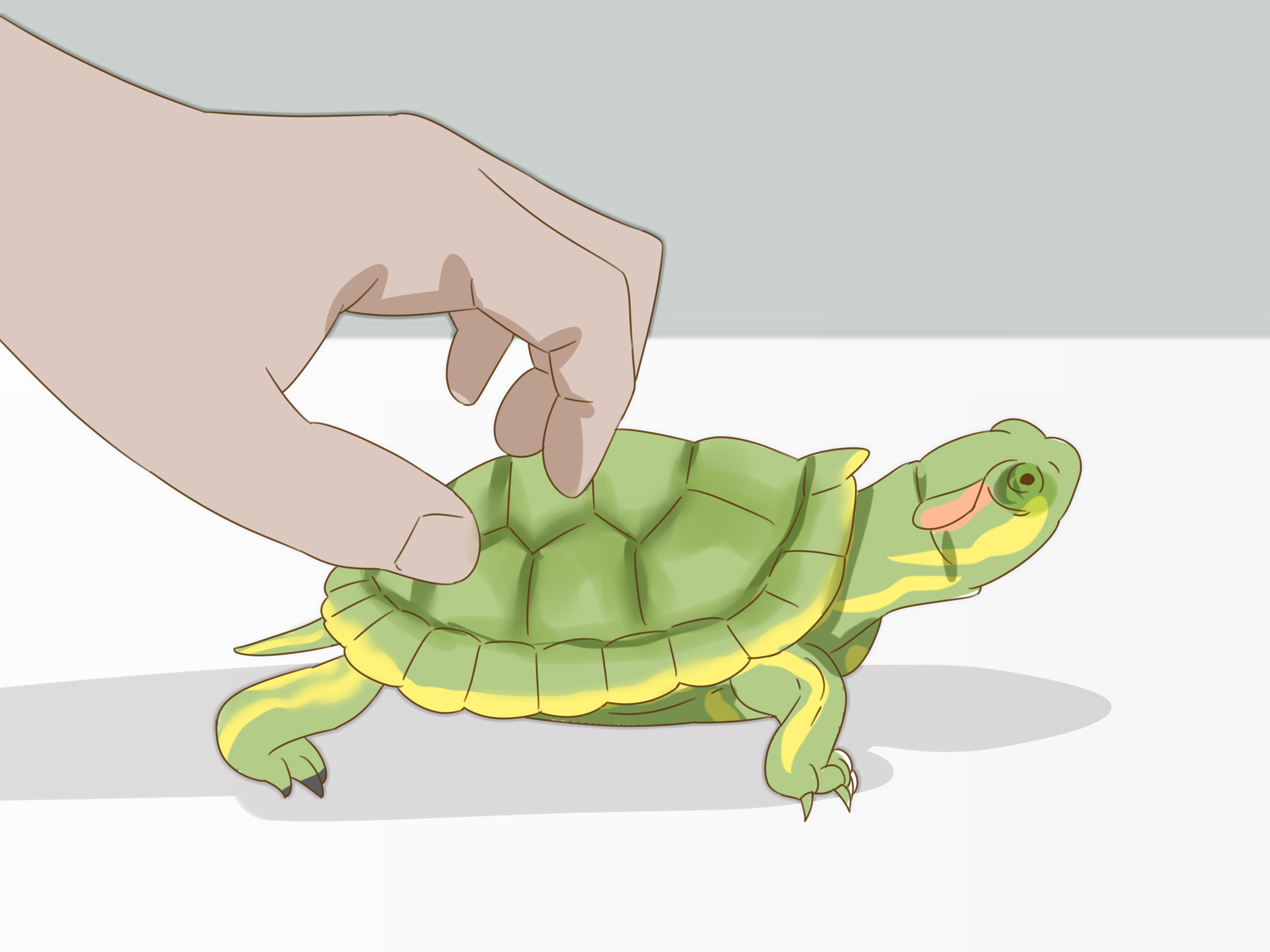
Red eared slider turtles look like tiny prehistoric comedians when they are young: bright eyes, green shell, red streaks behind the ears, and the confidence of a creature that believes your whole living room is simply an inconveniently dry pond. But behind that adorable face is a long-term pet with very specific needs. Learning how to care for a red eared slider turtle means understanding water quality, basking heat, UVB lighting, diet, hygiene, tank size, and the fact that this turtle may outlive your favorite couch, your current phone, and possibly your patience for cleaning filters.
The red eared slider, scientifically known as Trachemys scripta elegans, is one of the most common aquatic turtles kept as a pet in the United States. It is also one of the most misunderstood. Many people buy a small turtle thinking it can live happily in a tiny plastic bowl with a decorative palm tree. Sadly, that setup is not a home; it is more like a studio apartment designed by someone who has never met water quality, lighting, or common sense.
A healthy red eared slider needs a spacious aquatic habitat, a dry basking platform, strong filtration, proper temperatures, UVB light, a varied diet, and regular observation. With the right setup, these turtles can become fascinating, active, long-lived companions. With the wrong setup, they can develop shell disease, vitamin deficiencies, respiratory infections, stress, and poor growth. The good news? Once you understand the basics, red eared slider care becomes a routine, not a mystery.
What Is a Red Eared Slider Turtle?
A red eared slider turtle is a semi-aquatic freshwater turtle named for the red or orange stripe found behind each eye. Its shell is usually olive, green, or brown with yellow markings, and its skin has bright yellow-green stripes. Young sliders are often vivid and colorful, while older adults may darken with age.
These turtles are strong swimmers and enthusiastic baskers. In the wild, they spend time in ponds, lakes, marshes, slow rivers, and sunny logs where they can haul themselves out of the water. In captivity, your goal is to recreate those essentials: clean water for swimming, warmth for digestion, UVB for calcium metabolism, and a dry place to bask like a tiny reptilian sunbather with excellent posture.
Before You Bring One Home: Think Long-Term
Red eared sliders are not short-term pets. With proper care, many live 20 to 30 years or longer. Some may reach 40 years. That means buying one is less like getting a goldfish and more like signing a small, shelled roommate agreement.
Adult red eared sliders commonly reach 6 to 12 inches in shell length. Females often grow larger than males. A cute hatchling can eventually need a 75- to 125-gallon setup or larger, depending on size and activity level. The equipment can include a large aquarium or indoor pond, canister filter, water heater, basking platform, UVB bulb, heat lamp, thermometers, water conditioner, testing supplies, and cleaning tools.
Check Local Laws First
Red eared sliders are considered invasive in some regions because released pets can compete with native turtles for food, nesting areas, and basking spots. Never release a pet turtle into the wild. If you can no longer care for your turtle, contact a reptile rescue, animal shelter, exotic veterinarian, or local wildlife agency for responsible options.
In the United States, federal rules restrict the sale of turtles with shells under 4 inches long for most pet purposes because of Salmonella risk. Laws can also vary by state, county, or city, so confirm that owning a red eared slider is legal where you live before you build the tank of your turtle’s dreams.
Red Eared Slider Tank Size: Bigger Is Better
The most common beginner mistake is choosing a tank that is too small. Red eared sliders are active swimmers, messy eaters, and Olympic-level waste producers. A small tank gets dirty fast and can lead to poor water quality, stress, and illness.
A commonly used guideline is at least 10 gallons of water per inch of shell length. For example, a 4-inch turtle needs around 40 gallons of water, while a 10-inch adult may need 100 gallons or more. Many keepers prefer even larger setups because extra water volume helps stabilize temperature and water chemistry.
Basic Habitat Checklist
- A large aquarium, stock tank, or indoor pond with enough swimming room
- Clean, dechlorinated water deep enough for swimming
- A sturdy basking platform where the turtle can fully dry off
- A heat lamp over the basking area
- A quality UVB light designed for reptiles
- A powerful filter rated above the actual water volume
- A submersible water heater with a protective guard
- Thermometers for water and basking temperatures
- A secure lid or escape barrier
Red eared sliders are surprisingly determined climbers. If there is a way to escape, they will inspect it, test it, and possibly treat it as a personal challenge. Make sure the enclosure has enough height above the waterline and that basking docks, cords, and decorations do not create a turtle staircase to freedom.
Water Temperature and Basking Temperature
Temperature controls digestion, immune function, activity, and basking behavior. Red eared sliders cannot regulate body temperature internally the way mammals do, so they rely on their environment.
For most adult red eared sliders, keep the water around 75 to 78 degrees Fahrenheit. Hatchlings and sick turtles may need slightly warmer water, often around 78 to 80 degrees, but health concerns should be discussed with an exotic veterinarian. The basking surface should usually be warmer, around 90 to 95 degrees Fahrenheit, so your turtle is encouraged to leave the water and dry completely.
Why Basking Matters
Basking is not optional turtle spa time. It helps your red eared slider dry its shell, regulate body temperature, support digestion, and reduce the risk of skin and shell problems. A turtle that never basks may be dealing with poor temperatures, a slippery dock, too much stress, illness, or lighting that is not placed correctly.
The basking area should be stable, easy to climb onto, completely dry on top, and large enough for the entire turtle. If only half the turtle fits, congratulations: you have created a reptile ledge, not a basking platform.
UVB Lighting: The Invisible Essential
UVB lighting is one of the most important parts of red eared slider turtle care. UVB helps turtles produce vitamin D3, which allows them to use calcium properly. Without enough UVB and calcium, turtles can develop metabolic bone disease, soft shells, deformities, weakness, and poor growth.
Place a reptile-safe UVB bulb over the basking area, following the manufacturer’s distance recommendations. Mesh screens, glass, and plastic can reduce or block UVB, so positioning matters. Most UVB bulbs need replacement before they visibly burn out because UVB output decreases over time. Many keepers replace bulbs every 6 to 12 months, depending on the bulb type and manufacturer instructions.
Keep the light on a regular day-night cycle, usually around 10 to 12 hours per day. At night, the tank should be dark so your turtle can rest. A turtle does not need a nightclub ambience at 2 a.m.
Filtration and Water Quality
If red eared sliders had a motto, it might be: “I swim, therefore I make a mess.” They eat in water, defecate in water, shed skin in water, and occasionally redecorate the tank like a tiny bulldozer. Because of this, filtration is not a luxury; it is survival equipment.
Choose a powerful filter, usually a canister filter, rated for more than the amount of water in the enclosure. Turtle tanks often need stronger filtration than fish tanks of the same size because turtles produce more solid waste. Mechanical filtration removes debris, biological filtration supports beneficial bacteria that process waste, and chemical media such as activated carbon can help with odor and discoloration.
Cleaning Schedule
A practical cleaning routine may include removing uneaten food daily, checking water clarity and smell, rinsing mechanical filter media in dechlorinated water as needed, and performing partial water changes weekly or every other week depending on tank size, filter strength, and water test results. Full deep cleanings should be done carefully so you do not destroy all beneficial bacteria at once.
Use water test kits to monitor ammonia, nitrite, nitrate, and pH. Ammonia and nitrite should stay at zero in a cycled tank. High waste levels can irritate skin, eyes, and shell tissue, and they can create the kind of smell that makes guests ask, politely but firmly, “Is something… aquatic happening in here?”
What Do Red Eared Slider Turtles Eat?
Red eared sliders are omnivores. Young turtles usually eat more animal protein, while adults tend to eat more plant matter. A balanced diet should include high-quality commercial aquatic turtle pellets, leafy greens, aquatic plants, vegetables, calcium, and occasional protein treats.
Good Foods for Red Eared Sliders
- Commercial aquatic turtle pellets as a staple portion of the diet
- Romaine lettuce, green leaf lettuce, red leaf lettuce, dandelion greens, collard greens, and turnip greens
- Aquatic plants such as anacharis, duckweed, water lettuce, or hornwort
- Occasional protein foods such as earthworms, crickets, snails, or feeder insects
- Calcium sources such as cuttlebone with the hard backing removed
Avoid relying only on pellets. Pellets are useful, but a turtle eating only pellets is like a human eating only cereal forever. Convenient? Yes. Ideal? Not unless your life goals include nutritional drama.
Foods to Limit or Avoid
Do not feed dog food, cat food, processed meats, salty foods, bread, dairy, or random leftovers. Iceberg lettuce is mostly water and not very nutritious. Goldfish are not recommended as a staple feeder fish because they are fatty and may contribute to nutritional imbalance. Fruit can be offered rarely, but too much can upset digestion.
How Often Should You Feed a Red Eared Slider?
Young turtles may eat daily, while adults often do well eating every other day or having greens available regularly with pellets offered in measured portions. A useful rule is to offer an amount of pellets roughly equal to the size of the turtle’s head, not including the neck. Overfeeding causes obesity, rapid shell growth, dirty water, and a turtle that learns to beg like a shelled golden retriever.
Many keepers feed turtles in a separate container of warm water to reduce mess in the main tank. This can help keep the enclosure cleaner, although some turtles need time to adjust to the routine.
Handling and Behavior
Red eared sliders are better for watching than cuddling. They may learn to recognize feeding routines and swim toward you when you approach. That does not mean they want to be hugged. Frequent handling can stress them, and stressed turtles may scratch, bite, or retreat into their shells.
When handling is necessary, support the turtle firmly with both hands. Keep it low over a safe surface because turtles can wiggle unexpectedly. Never pick up a turtle by the tail, limbs, or shell edge. After touching your turtle, tank water, filter parts, or decorations, wash your hands thoroughly with soap and warm water.
Salmonella Safety and Household Hygiene
Healthy-looking turtles can carry Salmonella bacteria. This does not mean your turtle is sick, and it does not mean you should panic. It means hygiene matters every single time.
Wash your hands after handling your turtle or anything in its habitat. Do not kiss your turtle. Do not let it roam on kitchen counters, dining tables, beds, or anywhere food is prepared. Clean turtle equipment outside living areas when possible, and avoid washing turtle items in a kitchen sink. Children, older adults, pregnant people, and people with weakened immune systems are at higher risk from Salmonella infection, so extra caution is important.
Also, please do not let small children handle turtles unsupervised. A turtle is not a toy, and a child’s first instinct may be to cuddle it near their face. That is adorable in cartoons and a terrible plan in real life.
Common Health Problems in Red Eared Sliders
Good husbandry prevents many health problems, but every turtle keeper should know the warning signs of illness. Red eared sliders often hide symptoms until a problem is advanced, so changes in behavior matter.
Watch for These Warning Signs
- Swollen or closed eyes
- Refusing food for an unusual length of time
- Soft, pitted, foul-smelling, or discolored shell areas
- Wheezing, bubbling from the nose, or open-mouth breathing
- Swimming lopsided or struggling to dive
- Excessive basking or never basking
- Lethargy, weakness, or unusual hiding
- Swelling near the ears, which may suggest an abscess
If you notice these signs, contact an exotic animal veterinarian. Do not try to treat serious turtle illness with internet folklore, aquarium salt experiments, or the classic “wait and see” method. Reptiles can decline quietly, and early veterinary care can make a major difference.
Shell Care and Shedding
Healthy red eared sliders shed thin layers of scutes from the shell as they grow. Normal shedding may look like clear, thin plates lifting from the shell. The shell underneath should appear healthy, firm, and not smelly.
Abnormal shell issues include soft spots, white fuzzy patches, pits, bleeding, odor, or retained scutes that build up in thick layers. Poor UVB lighting, inadequate basking, dirty water, and nutritional imbalance are common contributors. A proper basking area lets the shell dry fully, which is one reason basking is so important.
Enrichment: Give Your Turtle Something to Do
A red eared slider is not a decoration. It is an active animal that explores, forages, swims, climbs, and investigates. Enrichment helps reduce boredom and supports natural behavior.
You can add safe aquatic plants, smooth river rocks larger than the turtle’s head, driftwood designed for aquarium use, floating feeding toys, and occasional live insects or greens clipped to the side of the tank. Avoid small gravel, sharp decorations, unstable rocks, or anything the turtle can swallow. Turtles are curious, and sometimes their scientific method is “Can I eat this?”
Can Red Eared Sliders Live With Fish or Other Turtles?
Sometimes, but it is risky. Red eared sliders may eat fish, nip tank mates, or compete with other turtles. Multiple turtles require much larger enclosures, extra basking space, careful feeding, and close monitoring. Aggression can happen suddenly, especially as turtles mature.
If you keep more than one turtle, have a backup enclosure ready. Injured turtles should be separated and examined by a veterinarian. Peaceful tank life today does not guarantee peaceful tank life forever.
Seasonal Care and Routine Maintenance
Indoor red eared sliders need stable care year-round. Keep lights on a consistent schedule, monitor temperatures during seasonal changes, and check that heaters and bulbs are working properly. In colder months, room temperature drops can affect water and basking temperatures. In summer, tanks near windows can overheat or grow algae quickly.
Create a monthly checklist: inspect the shell, weigh the turtle if possible, check filter flow, test water, replace worn equipment, examine cords for damage, and confirm UVB bulb age. Preventive care is much easier than emergency care, and your turtle will not send calendar invites when the filter starts underperforming.
Red Eared Slider Care Mistakes to Avoid
- Keeping the turtle in a tiny bowl or shallow container
- Skipping UVB lighting
- Using weak filtration
- Feeding only dried shrimp or only pellets
- Letting the basking area stay wet or too cold
- Using small gravel that can be swallowed
- Handling too often
- Ignoring local laws or releasing the turtle outdoors
- Cleaning turtle supplies in food-preparation areas
- Waiting too long to call a reptile veterinarian
Beginner Setup Example
For a juvenile red eared slider with a 4-inch shell, a practical setup might include a 40- to 55-gallon aquarium filled with dechlorinated water, a sturdy dock, a canister filter rated for a larger tank, a guarded submersible heater, a basking heat lamp, a UVB bulb over the basking area, and digital thermometers. As the turtle grows, plan to upgrade to a much larger enclosure.
For an adult female, a 100-gallon or larger tank, stock tank, or custom indoor pond is often more appropriate. Add a strong filter, easy-access basking platform, safe lighting, and enough swimming space for exercise. Adult sliders are powerful, active animals, not desk ornaments with legs.
of Real-Life Experience: What Caring for a Red Eared Slider Actually Feels Like
Caring for a red eared slider turtle is rewarding, but the experience is very different from what many beginners imagine. The biggest surprise is usually the amount of maintenance. A new owner may picture a peaceful turtle floating gracefully in crystal-clear water. Then feeding time happens. Pellets scatter, lettuce drifts under the dock, the turtle bites a worm in half with dramatic enthusiasm, and suddenly the filter has a full-time job. This is why experienced keepers often say, “Buy the strongest filter you can afford,” and they are not being dramatic. They are survivors.
Another real-life lesson is that turtles have personalities. Some sliders are bold and swim right up to the glass when they see you. Others act like you are a suspicious forest creature even after years of feeding them. Many learn routines quickly. If you feed at the same time every day, your turtle may start paddling excitedly at the front of the tank before you even open the food container. This can be charming, but it also tricks people into overfeeding. A turtle begging for food does not always mean it is hungry. Sometimes it means your turtle has discovered sales tactics.
Tank placement matters more than beginners expect. A turtle tank is heavy, noisy, humid, and sometimes splashy. Put it on a sturdy stand, away from direct sunlight, drafts, and high-traffic areas where the turtle may feel constantly startled. A quiet corner with easy access to an outlet and water-changing tools makes life easier. If water changes require carrying buckets across carpet, you will eventually regret every interior design choice that led to that moment.
Owners also learn that basking is a daily health report. When a turtle climbs out, stretches its legs, and dries under the lamp, that is usually a good sign. If a turtle suddenly stops basking, basks all day, refuses food, or behaves differently, something may be wrong. The cause might be a burned-out bulb, water that is too cold, a dock that shifted, stress, or illness. Paying attention to small changes can prevent bigger problems later.
Another experience worth mentioning is the emotional responsibility. Red eared sliders are often surrendered because they became larger, messier, or more expensive than expected. A responsible owner plans ahead. That means budgeting for equipment upgrades, veterinary care, replacement bulbs, filter media, food, and possibly a much larger enclosure. It also means having a plan if you move, travel, or can no longer keep the turtle.
Still, when cared for properly, a red eared slider is fascinating to watch. It glides through water, stacks itself under the perfect beam of light, investigates greens like a tiny salad inspector, and reminds you that reptiles are far more expressive than many people assume. The reward is not cuddling; it is observing natural behavior and knowing you built an environment where an animal can thrive. That is the heart of good red eared slider care.
Conclusion
Learning how to care for a red eared slider turtle is really about respecting what this animal is: an active, long-lived, semi-aquatic reptile with serious habitat needs. It needs clean water, swimming space, UVB lighting, heat, a dry basking area, balanced nutrition, safe handling, and regular veterinary attention when problems appear. It also needs an owner who understands that a tiny turtle can become a large, decades-long commitment.
If you provide the right environment, a red eared slider can be an engaging and surprisingly charismatic pet. If you cut corners, the turtle pays the price. Start with a proper setup, keep the water clean, feed a varied diet, monitor behavior, and treat hygiene seriously. Your turtle may never thank you in words, but a healthy appetite, smooth swimming, regular basking, and a strong shell are pretty good reptile applause.