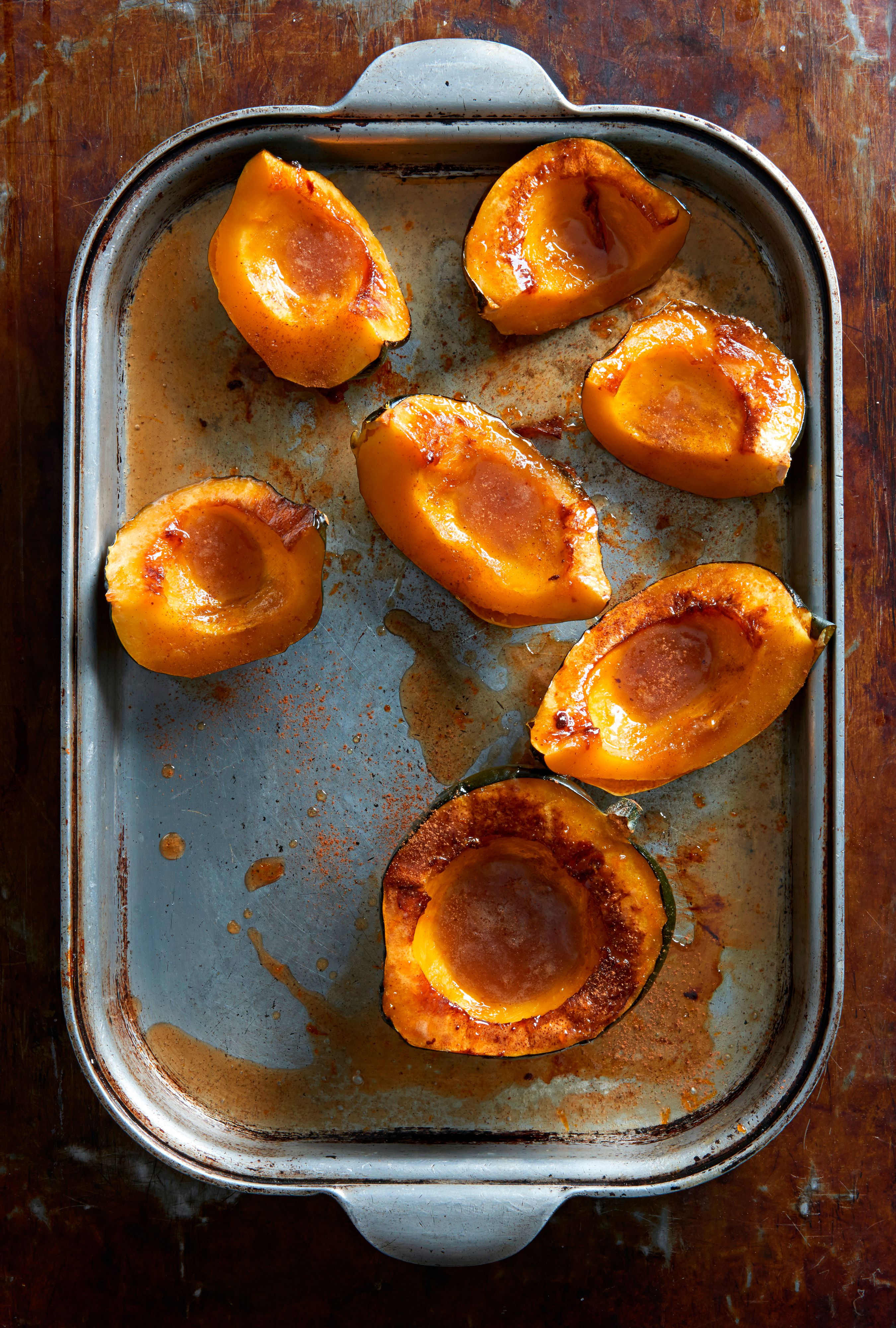
Acorn squash is one of those vegetables that looks like it belongs in a fall centerpiece but secretly wants a starring role at dinner. It has a deep, slightly nutty flavor, a soft texture when cooked properly, and just enough natural sweetness to play nicely with butter, maple syrup, herbs, garlic, Parmesan, or a simple pinch of salt and pepper. In other words, it is the overachiever of the winter squash family.
If you have ever stood in your kitchen holding one of these ridged green beauties and wondering, “Do I roast it whole? Peel it? Negotiate with it?” you are in the right place. This guide walks you through exactly how to bake acorn squash, from choosing the best one at the store to pulling a perfectly tender, caramelized half out of the oven. Along the way, you will get timing tips, flavor ideas, common mistakes to avoid, and real-world advice for turning this humble squash into a side dish that feels a little fancy without acting expensive.
Why Baked Acorn Squash Is Worth Making
Baking acorn squash brings out its best qualities. The heat softens the flesh, deepens the flavor, and encourages those lovely browned edges that make roasted vegetables taste like they are showing off. Compared with boiling or steaming, baking gives you more concentration and more character. It is the difference between “Yes, I ate a vegetable” and “Wait, why is this so good?”
It is also wonderfully flexible. You can bake acorn squash halves for a classic presentation, slice it into wedges for faster roasting, or stuff the center after roasting for a complete meal. Sweet versions often use butter, brown sugar, cinnamon, or maple syrup. Savory versions lean on olive oil, thyme, sage, garlic, paprika, or cheese. The squash does not seem to mind. It is very accommodating.
How to Choose the Best Acorn Squash
Great baked acorn squash starts before the oven even preheats. When shopping, look for squash that feels heavy for its size. That usually means dense, moist flesh inside rather than a sad, dried-out center that has given up on life. The skin should be firm and mostly dark green, though some orange coloring is normal. Avoid squash with soft spots, mold, cracks, or wrinkled skin.
A stem attached is a bonus because it helps the squash hold moisture longer. If you are buying ahead, keep whole acorn squash in a cool, dry spot. It can last quite a while, which is excellent news for people who buy produce with optimism and then remember it exists six days later.
What You Need to Bake Acorn Squash
Basic Ingredients
- 1 to 2 acorn squash
- Olive oil or melted butter
- Salt
- Black pepper
Optional Sweet Add-Ins
- Brown sugar
- Maple syrup
- Cinnamon
- Nutmeg
Optional Savory Add-Ins
- Fresh thyme or sage
- Garlic
- Paprika
- Parmesan
- Red pepper flakes
Helpful Tools
- A sharp chef’s knife
- A sturdy spoon for scooping seeds
- A baking sheet or baking dish
- Parchment paper or a little oil for easier cleanup
How to Prep Acorn Squash for Baking
Before cutting, rinse the squash under running water and rub the outside clean. This matters more than people think. When you slice through the skin, anything clinging to the surface can hitch a ride inward on the knife. No one wants bonus grit with dinner.
Next comes the only mildly dramatic part: cutting it. Acorn squash is firm, so use a sharp knife and a stable cutting board. If it feels especially stubborn, microwave it for 1 to 2 minutes first to soften the exterior slightly. Slice off the stem if needed, then cut the squash in half from top to bottom. Scoop out the seeds and stringy bits with a spoon. You now have two edible bowls waiting for greatness.
Do not throw the seeds away automatically. Like pumpkin seeds, they can be rinsed, seasoned, and roasted for a crunchy snack. It is a nice little kitchen bonus, like finding money in a coat pocket, but salty.
Step-by-Step: How to Bake Acorn Squash Halves
Method 1: Classic Baked Acorn Squash
- Preheat the oven. Set it to 400°F. This is a reliable middle ground that gives you tender flesh and good caramelization.
- Prep the squash. Halve it and remove the seeds.
- Season it. Brush the cut sides with olive oil or melted butter. Sprinkle with salt and pepper. For a sweeter version, add a little brown sugar or maple syrup to the cavity.
- Arrange on a pan. Place the halves cut-side down for a more caramelized, roasted result, or cut-side up if you want the butter or seasonings to soak into the center while baking.
- Bake until tender. Roast for 45 to 60 minutes, depending on size. The flesh should be easily pierced with a fork or small knife.
- Finish and serve. Flip if needed, add extra butter, herbs, or syrup, and serve warm.
This is the easiest and most classic way to make baked acorn squash. If you want that buttery, slightly sweet holiday-table vibe, bake the halves until soft and then finish with brown sugar, cinnamon, or maple syrup during the last part of cooking. If you are leaning savory, olive oil, salt, pepper, and a few thyme leaves are more than enough.
Method 2: Roasted Acorn Squash Wedges
If you want faster cooking and more browned edges, cut the seeded halves into wedges about 1/2 to 3/4 inch thick. Toss them with oil, salt, pepper, and any seasonings you like. Spread them out in a single layer and roast at 425°F for about 20 to 25 minutes, flipping once halfway through. Wedges are excellent when you want a simple side dish with maximum caramelized surface area. They are basically the crispy-edge lovers’ version of acorn squash.
How Long to Bake Acorn Squash
The exact baking time depends on the size of the squash, the temperature of your oven, and whether you are roasting halves or wedges. Here is a simple cheat sheet:
- At 350°F: halves usually take 45 to 60 minutes
- At 400°F: halves usually take 50 to 60 minutes
- At 425°F: halves usually take 40 to 55 minutes
- At 425°F: wedges usually take 20 to 25 minutes
The real test is tenderness, not the timer. A fork or knife should glide into the flesh without resistance. If it still feels firm in the center, keep roasting. Acorn squash is far more forgiving when slightly overdone than when undercooked. Undercooked squash tastes like it has unresolved issues.
Best Flavor Variations for Baked Acorn Squash
1. Brown Sugar and Butter
This is the classic. Add a small pat of butter and a spoonful of brown sugar to each squash half. The sugar melts into the center and creates a cozy, glossy finish that feels holiday-ready even if it is just Tuesday.
2. Maple Cinnamon
Swap brown sugar for maple syrup and add cinnamon with a pinch of nutmeg. This version tastes warm, comforting, and just sweet enough without crossing into dessert territory.
3. Garlic Herb
Brush with olive oil, then add minced garlic, thyme, sage, salt, and pepper. Finish with Parmesan after baking. This is a great choice if you want to pair the squash with roast chicken, pork, grains, or a hearty salad.
4. Spicy Savory
Add smoked paprika, chili flakes, and a drizzle of olive oil. Finish with chopped parsley or a squeeze of lemon. This version wakes the squash up a bit and keeps it from leaning too sweet.
5. Stuffed Acorn Squash
Roast the halves until almost tender, then fill them with cooked rice, quinoa, sausage, mushrooms, kale, cranberries, or nuts. Return to the oven for another 10 to 15 minutes. Suddenly, what started as a side dish is now a full meal wearing a very respectable outfit.
Common Mistakes to Avoid
Not Cutting It Safely
Acorn squash is hard. Use a sharp knife, work slowly, and stabilize it on the board. If the squash is especially tough, microwave it briefly before cutting. No side dish is worth a dramatic trip to urgent care.
Undercooking It
This is probably the most common mistake. The squash should be very tender, not just “technically hot.” If the fork meets resistance, it needs more time.
Crowding the Pan
If you are baking wedges, give them space. Overcrowding traps steam and reduces browning. Roasted vegetables want elbow room.
Skipping Seasoning
Acorn squash has natural flavor, but it still needs help. A little salt makes a huge difference, whether you are going sweet or savory.
Ignoring the Finish
A final touch matters. Butter, fresh herbs, cheese, toasted nuts, or a drizzle of maple syrup can take baked acorn squash from good to gone-in-five-minutes.
What to Serve with Baked Acorn Squash
Baked acorn squash works with almost everything autumn and winter tend to throw at you. Pair it with roast chicken, turkey, pork chops, baked salmon, lentils, wild rice, quinoa, or a crisp green salad. Sweet versions fit beautifully next to Thanksgiving dishes. Savory versions play well with weeknight mains and grain bowls.
You can also scoop the flesh out and mash it with butter and herbs, fold it into pasta, blend it into soup, or layer it into a warm salad with greens, nuts, and vinaigrette. Leftovers are rarely a problem. Lack of leftovers, however, is extremely common.
How to Store and Reheat It
Let the squash cool, then refrigerate leftovers in an airtight container for up to 3 to 4 days. Reheat in the oven at 350°F until warmed through, or use the microwave for speed. The oven keeps the texture nicer, but the microwave wins on convenience and lack of patience.
If you have cut but uncooked squash left over, wrap it tightly and refrigerate it for up to 4 days. Whole squash can sit in a cool, dry place for weeks, sometimes longer, depending on freshness.
Frequently Asked Questions
Can you eat acorn squash skin?
Yes, once baked, the skin softens and is technically edible. Some people enjoy it, especially on well-roasted wedges. Others prefer to scoop out the flesh and leave the skin behind. This is one of those kitchen choices where there is no wrong answer, only texture preferences.
Is it better to bake acorn squash cut-side up or down?
Both work. Cut-side down gives you better caramelization and a more roasted texture. Cut-side up is great when you want butter, maple syrup, or seasonings to pool in the center and flavor the flesh as it cooks.
Should acorn squash be peeled before baking?
No. The skin helps the squash hold its shape and becomes much easier to separate after cooking. Peeling raw acorn squash is possible, but it is a lot of effort for very little reward.
How do you know when baked acorn squash is done?
The flesh should be deeply tender all the way through. A fork or knife should slide in easily with almost no resistance.
Final Thoughts on How to Bake Acorn Squash
Learning how to bake acorn squash is one of those small kitchen skills that pays off every fall and winter. It is simple, affordable, adaptable, and genuinely delicious. Once you get comfortable with the method, you can change the flavors to match whatever meal you are making, from sweet and cozy to savory and elegant.
The real secret is not a fancy ingredient or a chef-level trick. It is patience. Let the squash roast until it is fully tender and caramelized. Give it a little seasoning. Finish it with something that makes you happy. That is how a humble winter squash turns into the dish people keep scraping with a spoon long after dinner should technically be over.
Kitchen Experiences: What Baking Acorn Squash Is Really Like
The first time many people bake acorn squash, they expect something a little bland and overly healthy, like a vegetable that is trying very hard to be invited to dinner. Then it comes out of the oven all golden at the edges, soft in the center, smelling faintly sweet and buttery, and suddenly the whole mood changes. That is the thing about acorn squash: it quietly exceeds expectations. It does not arrive with the drama of a bubbling casserole or the charisma of garlic bread, but give it one good roast and it starts collecting compliments like it planned this all along.
In a real home kitchen, baking acorn squash is less about culinary perfection and more about rhythm. You rinse it, wrestle it onto the cutting board, cut it in half with the kind of focus usually reserved for parallel parking, and scrape out the seeds. Then the hard part is over. Once it is seasoned and in the oven, the squash mostly handles the rest. That is part of its charm. It gives you time to make the rest of dinner, answer texts you forgot about, or stand there pretending you always cook seasonal produce with effortless grace.
There is also something deeply satisfying about how forgiving it is. A few extra minutes in the oven? Usually fine. Slightly too much maple syrup? Congratulations, you have accidentally made it more delicious. Even the leftovers are cooperative. Cold baked acorn squash tucked into a grain bowl the next day feels like the lunch of someone who has their life together, even if their sink says otherwise.
At holiday meals, acorn squash often becomes the surprise favorite. People load a spoonful onto their plate out of politeness, then circle back for more because the edges are caramelized, the center is silky, and somehow the brown sugar, butter, or herbs make it taste more special than the modest ingredient list suggests. It is one of those dishes that looks festive without requiring advanced culinary acrobatics. You get credit for being thoughtful and seasonal, but in reality, the oven did most of the heavy lifting.
On regular weeknights, it has a different kind of appeal. It makes an ordinary meal feel a little warmer and a little more intentional. Roast chicken, a simple salad, and a tray of baked acorn squash can turn a random Wednesday into something that feels almost cozy enough for a magazine spread, minus the professionally folded napkins. And when you try savory variations with garlic, sage, or Parmesan, the squash becomes hearty enough that it no longer feels like a side dish trying to stay in its lane.
Perhaps the best experience of all is discovering your own favorite version. Some people love it sweet and glossy with maple syrup. Some want olive oil, salt, pepper, and herbs only. Some stuff it with grains and sausage and call it dinner. However you make it, baked acorn squash has a way of becoming part recipe, part seasonal ritual. Once you learn it, you stop asking whether you should make it and start asking why you did not buy two.