Fresh hydrangeas are lovely, but they have one rude habit: they insist on behaving like living things. They wilt, brown, demand water, and eventually make you feel personally responsible for their emotional decline. Fake hydrangeas, on the other hand, can stay gorgeously gloomy for yearsespecially once you give them a little strategic aging.
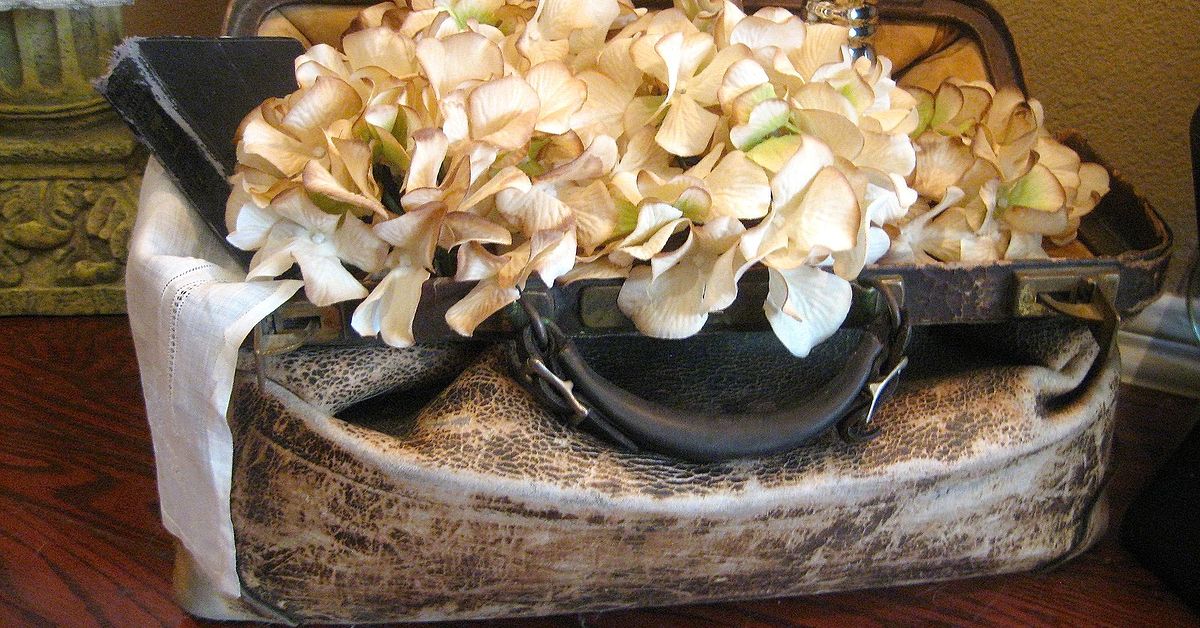
An aged faux hydrangea arrangement is perfect for a Halloween mantel, a dark cottage bookshelf, a gothic dining table, or any corner that could use the subtle energy of “someone’s mysterious aunt may have left this behind in 1893.” The goal is not to make the flowers look filthy or crushed. The goal is to create believable layers of faded color, shadow, softness, and imperfection.
High-quality artificial flowers already tend to look more convincing when they have matte surfaces, dimensional petals, subtle color variation, and flexible stems rather than a glossy, perfectly uniform appearance. Aging helps amplify those realistic details while steering the flowers toward a moody, antique-inspired look.
This guide walks through how to age fake hydrangeas safely, choose the right colors, build a haunting floral vignette, and avoid turning your elegant arrangement into something that looks like it survived a paintball match.
Why Aged Faux Hydrangeas Work So Well in Moody Decor
Hydrangeas are naturally dramatic flowers. Their large clustered blooms create instant volume, which means you do not need a dozen stems to make an arrangement feel lush. Their many tiny petals also give you plenty of texture to work with, allowing soft washes, shadowed centers, faded edges, and uneven tones to read as intentional rather than accidental.
For a haunting vignette, the best fake hydrangeas are usually not bright white, neon blue, or aggressively cheerful pink. Look for flowers in cream, pale blue, dusty mauve, faded green, muted lavender, soft burgundy, or gray-beige. You are not decorating a birthday brunch. You are creating the floral equivalent of a foggy hallway in an old estate.
Faux flowers also make sense for displays that need to stay styled for weeks or months. They do not require watering, can be arranged ahead of time, and work especially well in darker areas where live flowers might not thrive.
What You Need to Age Fake Hydrangeas
Essential Supplies
- Artificial hydrangea stems with fabric, silk, latex, or “real-touch” petals
- Craft acrylic paint in raw umber, burnt umber, black, muted olive, dusty plum, gray, or deep green
- A small palette, plate, or disposable lid
- Soft makeup brushes, stencil brushes, or small dry brushes
- Paper towels and a lint-free cloth
- A spray bottle with clean water
- Floral wire cutters
- Optional floral tape, moss, branches, preserved leaves, or blackened eucalyptus
- Optional matte clear sealer suitable for craft projects
Choose Paint Colors Like a Victorian Ghost With Good Taste
The secret to convincing aged flowers is restraint. Avoid painting every petal black. Real dried, faded, weathered, or antique-looking flowers usually contain several muted tones at once. Think brown-gray, dusty purple, faded green, soft charcoal, and occasional bruised-looking blue.
A useful haunting color palette includes:
- Raw umber: Adds old-paper warmth and subtle earthiness.
- Burnt umber: Creates deeper aging around petal edges and bloom centers.
- Charcoal or black: Adds shadow, but should be used sparingly.
- Muted olive: Makes white or blue flowers feel weathered and botanical.
- Dusty plum: Gives pale hydrangeas a romantic, slightly mournful tone.
- Soft gray: Helps bright colors become more antique without looking muddy.
Dry-brushing and scumbling are useful techniques because they allow the original surface color to show through beneath a thin paint layer. In other words, they create depth instead of a solid painted shell.
How to Age Fake Hydrangeas Step by Step
Step 1: Start With Clean, Flexible Stems
Before you add any paint, remove dust. Use a soft dry brush, microfiber cloth, or gentle burst of cool air. Dust is not the same as patina. Patina is charming. Dust is what happens when your decorations have been quietly plotting against you since last October.
Inspect the flowers closely. Bend a few stems gently so the bloom heads do not all sit at the same angle. Open petals that look too tightly packed and soften stems that appear ruler-straight. Slight irregularity is one of the easiest ways to make artificial florals feel more natural.
Step 2: Make a Transparent Aging Wash
Mix a small amount of raw umber or gray acrylic paint with water until it resembles weak coffee. Test the mixture first on the back of a leaf or an extra stem. Some artificial petals absorb pigment quickly, while others resist it almost completely.
Use a soft brush to dab the wash near the centers of the hydrangea clusters and along a few outer petals. Do not coat every surface. Allow some petals to remain closer to their original color so the bloom still has variation.
For cream hydrangeas, try a diluted combination of raw umber and muted olive. For pale blue hydrangeas, use gray with a whisper of burnt umber. For mauve or burgundy blooms, use charcoal and dusty plum near the deepest folds.
Step 3: Dry-Brush the Petal Edges
Dip a dry brush into paint, then wipe almost all of it away on a paper towel. The brush should look nearly empty. Lightly sweep it over petal edges, raised textures, and the outer rim of the bloom.
This is where the magic happens. A nearly dry brush catches only the high points, creating the look of faded petals, dried edges, and years of imaginary attic air. Work in layers. One thin pass may look too subtle at first, but you can always add another. You cannot easily un-paint a hydrangea that has become the color of a burnt marshmallow.
Step 4: Darken the Centers for Depth
Real hydrangea blooms often have depth because the smaller flowers inside the cluster sit in shadow. Mimic that effect by adding a little darker paintcharcoal, dark olive, or burnt umbernear the center of each bloom head.
Use a tiny brush or makeup sponge. Press the color inward rather than brushing it across the entire flower. The darker center makes the outer petals appear lighter and more dimensional without requiring heavy paint.
Step 5: Add Controlled Imperfection
Perfectly aged flowers are suspicious. Nature does not age in a matching set.
Choose a few petals on each bloom to receive deeper color, soft brown freckles, or a faint gray haze. Leave other petals almost untouched. Add more aging near folds, petal tips, and the underside of the flower cluster. Keep the visible front side interesting, but do not make every bloom identical.
You can create faint speckling by tapping a stiff brush loaded with very little diluted paint. Practice first on paper. The effect should resemble tiny marks from age, not a horror-movie sneeze.
Step 6: Let the Flowers Dry Naturally
Lay the stems on a protected surface and allow them to dry fully. Avoid blasting artificial petals with high heat from a hair dryer, because some materials can warp, curl, or develop an unfortunate melted-cheese personality.
If you use spray paint or aerosol sealer, work outdoors or in a well-ventilated area and follow the product instructions carefully. Spray-paint fumes can be harmful in enclosed spaces, so ventilation and respiratory protection matter.
Step 7: Seal Only if Needed
For a shelf display or mantel vignette, sealing may not be necessary. If the flowers will be handled often, used in a seasonal tablescape, or displayed near curious children or pets, a light matte sealer can help protect the finish.
Choose matte, not glossy. A shiny finish can instantly erase all your beautiful aging work and make the flowers look like they have been dipped in haunted lip gloss.
How to Build a Haunting Hydrangea Vignette
The flowers are only half the story. A haunting vignette depends on the relationship between the blooms, vessel, background, height, and surrounding objects.
Choose a Vessel With Character
Use a container that adds visual weight. Black ceramic, aged brass, mercury glass, smoky green glass, weathered stoneware, or an old-style urn all work beautifully. A plain clear vase can also work if you fill it with dark moss, twigs, or black floral foam so the stems do not appear to be floating in awkward emptiness.
For a more believable composition, make the flowers roughly two to three times the height of the vessel. Floral styling guidance often uses the vessel-to-arrangement proportion as a starting point, while allowing variation in height and movement to prevent a stiff, artificial result.
Create a “Forgotten Conservatory” Formula
For an easy haunted floral vignette, use this decorating formula:
- One large vessel: Filled with aged fake hydrangeas and one or two dramatic branches.
- One vertical object: An old frame, black candleholder, antique-style mirror, or botanical print.
- One low object: A stack of worn books, a small raven figurine, an apothecary bottle, or a ceramic pumpkin.
- One texture layer: Moss, dried leaves, lace, old keys, velvet ribbon, or a dark linen runner.
- One light source: A flameless taper candle or battery-powered lantern.
Branches, dried flowers, and weathered materials add texture without making a seasonal display feel overly busy.
Use Height, Darkness, and Empty Space
A haunting display needs breathing room. Resist the urge to fill every inch of the shelf with miniature pumpkins, skeleton hands, bottles, crows, spiders, and seventeen objects that look like they were rescued from a discount bin at midnight.
Let the hydrangeas carry the visual drama. Place taller stems slightly off-center. Keep one side of the arrangement fuller and let a branch reach outward. Create a few intentional gaps between the flowers so the silhouette looks airy and old rather than dense and foam-like.
Three Haunting Faux Hydrangea Color Recipes
Faded Blue Manor
Start with pale blue or white hydrangeas. Add gray wash at the flower centers, then dry-brush the edges with muted olive and raw umber. Style in a dark gray ceramic vase with dried seed pods, old books, and brass candleholders.
This palette feels like a rainy estate garden where the gardener has not been seen since 1912.
Dusty Mauve Mourning Bouquet
Use mauve, blush, or soft burgundy hydrangeas. Add charcoal in the deepest folds, then soften the edges with gray and a hint of plum. Pair with black glass, velvet ribbon, and a framed botanical illustration.
This look is romantic, theatrical, and just dramatic enough to make your dinner guests wonder whether you own a fainting couch.
Greenhouse After Midnight
Begin with cream or faded green hydrangeas. Add olive, brown, and soft gray in uneven layers. Include thin branches, trailing moss, dried fern fronds, and an amber apothecary jar.
This version feels less like Halloween-party décor and more like a mysterious conservatory discovered behind a locked garden gate.
Common Mistakes When Aging Fake Hydrangeas
Using Too Much Black Paint
Black should create shadow, not swallow the flower. Use brown, olive, gray, and muted purple first. Add black only where the arrangement truly needs depth.
Painting Every Petal the Same Way
Uniformity is the fastest route to artificial-looking flowers. Vary the pressure, paint placement, and intensity. Let a few petals stay light.
Skipping the Test Patch
Different faux materials react differently to paint and moisture. Always test on a hidden leaf or spare bloom first. This tiny step can save you from accidentally inventing a new decorative genre called “sad aquarium coral.”
Using Glossy Sealer
Gloss makes aged petals look plastic again. A matte finish preserves the dusty, softened, vintage appearance you worked to create.
Using Real Flames Too Close to Faux Flowers
Artificial stems, fabric petals, dried moss, and ribbon are not friends with open flames. Use flameless candles or position real candles far away from the arrangement, where nothing can lean, fall, or catch heat.
Experience Notes: What Makers Learn After Styling Aged Faux Hydrangeas
The most useful lesson from aging fake hydrangeas is that subtlety wins almost every time. At the beginning, the flowers may look too bright, too neat, or too cheerful for a haunting vignette. The temptation is to reach for black paint immediately and turn the whole arrangement into something dramatic. That usually creates a flat result. The better approach is slower: add soft gray first, then brown, then olive or muted plum. Let each layer dry and step back from the flowers before deciding what they still need.
Many decorators also discover that the arrangement looks more convincing after the stems are bent and repositioned. Fake flowers often arrive standing too straight, with bloom heads facing the same direction as though they are attending a very formal meeting. Tilting some flowers down, turning a few blooms sideways, and allowing one stem to reach farther than the rest creates a more relaxed and natural silhouette.
Another common discovery is that the container matters as much as the flowers. A beautifully aged hydrangea can still look awkward in a shiny vase that feels too modern or too lightweight. A dark ceramic pitcher, aged urn, smoky bottle, or weathered brass vessel gives the arrangement an immediate story. Even a thrifted vase can work when it is paired with moss, branches, or a dark ribbon around the neck.
People also learn not to overfill the display. A haunting vignette usually looks stronger when there is one dominant floral arrangement, one supporting object, and plenty of open space. A single bouquet of faded hydrangeas beside a stack of old books and a flameless taper can feel more atmospheric than an entire shelf covered in themed decorations. The empty space becomes part of the mood.
Color is another surprise. Brown and gray often do more work than black. A little raw umber can make white petals feel antique. A tiny touch of olive can make pale blue petals appear weathered. A muted plum wash can make cream flowers look romantic and old-world. These colors create the impression of age without making the blooms look dirty.
Finally, makers often find that the best arrangements evolve over time. Add a branch one week. Replace a ribbon the next. Move the vase to a darker shelf. Try it beside an old mirror or a botanical print. Unlike fresh flowers, faux hydrangeas give you the freedom to experiment without a countdown clock. That is the real charm: you can keep adjusting the vignette until it feels less like a store display and more like a strange little scene with a past.
Note: Always test paint, washes, and sealers on an inconspicuous area first. Faux flower materials vary widely, and a small test helps protect the full arrangement from unwanted staining, stiffness, or color changes.