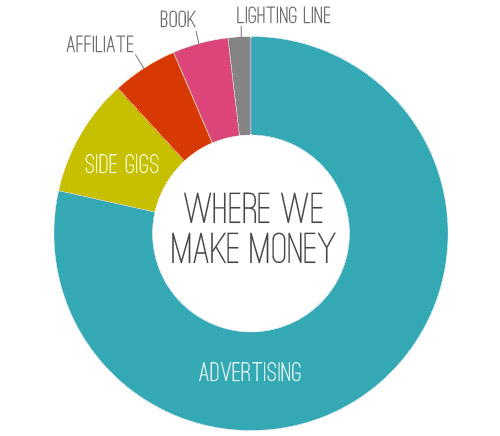
Blogging used to sound like a cute hobby you started with a cup of coffee, a dramatic playlist, and opinions about throw pillows or protein powder. Now it is a real business model. A blog can generate revenue from ads, affiliate commissions, sponsored content, digital products, services, memberships, and email-based offers. In other words, a blog is not just a diary with better formatting. It can be a media brand, a storefront, a lead machine, and sometimes all three at once.
The catch is that bloggers rarely make money by simply “having a blog.” They make money by building useful content, attracting the right audience, and connecting that audience to offers people actually want. That means traffic matters, but trust matters more. You can have a thousand readers who adore you and buy your recommendations, or a hundred thousand readers who bounce faster than a toddler on a sugar rush.
So, how do bloggers make money in the real world? Let’s break it down without the fake guru glitter.
Can You Really Make Money From a Blog?
Yes, but not usually overnight. Most blogs start small. A new blogger may earn nothing for months while building content, improving SEO, and learning what readers care about. Over time, income often grows in stages. First comes a little affiliate income. Then maybe some ad revenue. Then a sponsored post, a digital product, a consulting offer, or a paid newsletter. The smartest bloggers do not rely on one paycheck source. They stack income streams like pancakes, because one pancake is breakfast and a whole stack is financial optimism.
In practical terms, blogging income depends on niche, audience intent, traffic quality, content depth, email list strength, and how well the monetization method fits the readers. A personal finance blog may monetize differently from a food blog, and a tech blog may earn differently from a parenting blog. Same internet. Different wallet behavior.
The Main Ways Bloggers Make Money
1. Display Advertising
Display ads are one of the most common ways bloggers earn money. These are the banners, in-content ads, sidebars, and sticky units you see on many sites. Bloggers typically join an ad platform or network that serves ads to their pages. Revenue can come from views, clicks, or a mix of performance metrics, depending on the setup.
This method works best for blogs with steady traffic, especially pageview-heavy sites such as food, DIY, travel, news, and lifestyle blogs. Why? Because display advertising rewards volume. More pageviews generally create more ad opportunities. That does not mean bloggers should turn every article into a digital billboard in a wind tunnel. Too many ads can damage user experience, hurt trust, and send readers sprinting for the back button.
The upside is that ads can become semi-passive once content ranks well. The downside is that ad income can fluctuate based on traffic, seasonality, and advertiser demand. In short, ads are nice roommates, but you probably do not want them to be your only source of rent money.
2. Affiliate Marketing
Affiliate marketing is one of the most powerful ways bloggers make money. A blogger recommends a product or service using a tracked link. If a reader clicks that link and makes a qualifying purchase or takes a required action, the blogger earns a commission.
This model works especially well when the blog solves a clear problem. For example, a travel blog might recommend luggage, booking tools, and insurance. A beauty blog might recommend skincare products. A blogging blog might recommend email software, themes, hosting, and SEO tools. When the recommendation fits the article naturally, affiliate marketing feels helpful instead of salesy.
The best affiliate content usually falls into a few categories: product reviews, comparisons, tutorials, best-of lists, and case studies. These formats catch readers when they are already close to making a decision. That is why “best email marketing tools for beginners” often earns more than a random opinion post titled “my thoughts on inboxes and life.” One meets intent. The other meets a diary.
Good affiliate marketing depends on honesty. If bloggers recommend junk just because it pays well, readers eventually figure it out. Trust leaves, revenue follows, and the blogger is left wondering why the clicks are there but the commissions are not.
3. Sponsored Posts and Brand Partnerships
Sponsored content means a company pays a blogger to feature a product, service, campaign, or brand message. This can be a dedicated blog post, a product roundup inclusion, a tutorial, a review, or a broader campaign that includes social media and email placement.
This model is attractive because it can pay more quickly than waiting for ad revenue to trickle in. Even a mid-sized blog with a loyal niche audience may land sponsored work if the audience is engaged and valuable to advertisers. Brands often care less about vanity traffic and more about whether readers trust the blogger enough to take action.
Still, sponsored content comes with responsibility. Bloggers need to be transparent with readers and clearly disclose paid relationships. The fastest way to look untrustworthy is to publish an ad disguised as a love letter. Readers are smart. They can smell hidden sponsorship from three tabs away.
4. Selling Digital Products
Many bloggers eventually decide that promoting other people’s stuff is nice, but selling their own stuff is nicer. That is where digital products come in. These can include e-books, templates, printables, spreadsheets, meal plans, online courses, swipe files, stock photos, workshops, guides, and toolkits.
Digital products are powerful because margins are often excellent. You create the thing once, improve it over time, and sell it repeatedly. A budget blogger might sell a debt payoff tracker. A home blogger might sell a renovation planning binder. A fitness blogger might sell workout plans. A business blogger might sell content calendars or SEO templates.
The biggest advantage here is control. The blogger owns the offer, the pricing, the messaging, and the customer relationship. The product can also support the blog’s authority. Instead of only saying, “I know this topic,” the blogger can prove it by packaging useful expertise into something practical.
5. Offering Services
Not every blog monetizes like a magazine. Some monetize like a business card with muscles. In service-based blogging, the blog attracts the right readers and turns them into clients. Common services include freelance writing, consulting, coaching, design, SEO audits, photography, bookkeeping, virtual assistance, and strategy sessions.
This model is often the fastest path to revenue for new bloggers because it does not require huge traffic. A blog with a small but relevant audience can generate quality leads. For example, a marketing blogger may attract clients for content strategy. A fitness blogger may sell coaching. A legal or financial blog may generate inquiries for professional services, subject to the appropriate rules and credentials.
Services are not as passive as ads or affiliate links, but they can be extremely profitable. In many cases, a blog funds itself through services first, then expands into products and more scalable income later.
6. Memberships, Paid Newsletters, and Subscriptions
Some bloggers make money by charging for premium access. This may include members-only articles, paid newsletters, exclusive community spaces, bonus tutorials, office hours, resource libraries, or behind-the-scenes content.
This model works best when the blogger delivers ongoing value people want regularly, not once every solar eclipse. Readers subscribe because they want access, insight, convenience, accountability, or belonging. A paid newsletter might offer investing insights, industry analysis, exclusive recipes, or weekly business breakdowns. A membership might include downloadable resources, Q&A sessions, or a private forum.
Recurring revenue is attractive because it can make income more predictable. But it also raises the bar. When people pay monthly, they expect monthly value. Revolutionary concept, I know.
7. Selling Physical Products or Merchandise
Some bloggers branch into physical products such as planners, journals, apparel, kitchen tools, art prints, stationery, or niche merchandise. This is more common when the blog has a strong brand identity or community culture. Merchandise is not the right fit for every niche, but for the right audience, it can strengthen loyalty and create a new revenue stream.
Physical products usually require more logistics than digital products, but they can also deepen the connection between the blog and its readers. People do not buy merch just because an item exists. They buy it because the brand means something to them.
What Actually Determines How Much Money a Blogger Makes?
Niche and Commercial Intent
Some topics naturally monetize better than others because readers are closer to spending money. Personal finance, software, health products, home improvement, education, and business tools often have strong commercial intent. A blog about obscure 14th-century spoons may have charm, but charm alone rarely has a high affiliate conversion rate.
Traffic Quality, Not Just Traffic Quantity
Ten thousand readers searching for solutions can outperform fifty thousand random visitors who landed on the page by accident and immediately regret everything. Search traffic is often valuable because it comes from people actively looking for answers. Email traffic is also powerful because subscribers already know the blogger and are more likely to trust recommendations.
Trust and Authority
Readers buy from bloggers they trust. That trust comes from accuracy, experience, consistency, and clear writing. Thin content may get a click once. Helpful content earns repeat readers, backlinks, shares, and conversions. This is why the most sustainable blogs usually focus on solving real problems rather than pumping out content that sounds like it was written by a blender full of keywords.
Diversification
Blogs with multiple income streams are generally more resilient. If ad rates dip, affiliate income may hold steady. If one affiliate program changes terms, product sales can help fill the gap. Diversification is not just smart business. It is also a great way to sleep better at night.
How Much Money Can a Blogger Make?
There is no universal blogging paycheck. Some blogs make a few dollars a month. Some make a few hundred. Some generate full-time income. Others grow into seven-figure businesses. Most of the difference comes down to niche choice, content quality, monetization fit, traffic consistency, and how long the blogger sticks with it.
A beginner should expect a ramp-up period. Blogging is usually not a fast-cash model. It is more like planting a garden that occasionally emails you invoices. The bloggers who win are often the ones who keep publishing, keep improving, and keep learning how search, audience behavior, and offers work together.
Common Mistakes That Keep Blogs Broke
Trying to Monetize Too Late
Some bloggers wait until they feel “big enough” to monetize. But smart monetization planning starts early. You do not need to slap affiliate links onto every sentence by week two, but you should know what business model the blog could support.
Trying to Monetize Too Early and Too Aggressively
On the flip side, launching five pop-ups, seven banners, and three sales pitches before the blog has earned trust is a fast way to make readers vanish. Monetization should feel like a natural extension of value, not an ambush.
Ignoring SEO and Search Intent
Pretty writing is wonderful, but if no one can find it, your blog may end up performing a private reading for the internet void. Bloggers who understand search intent, keyword themes, internal linking, and content structure have a better shot at building compounding traffic.
Depending on One Revenue Source
If all your income comes from one partner, one platform, or one ad network, your blog business is fragile. Diversification is boring in the best possible way. Boring is what pays bills on time.
A Simple Blog Monetization Roadmap
Stage 1: Pick a niche with audience demand and monetization potential. Create helpful, search-friendly content consistently.
Stage 2: Build traffic and collect email subscribers. Start testing affiliate offers that genuinely match your readers’ needs.
Stage 3: Add display ads when traffic supports them. Improve top-performing posts and update them regularly.
Stage 4: Launch a small digital product or service based on your most requested help.
Stage 5: Expand into sponsorships, memberships, or premium content once authority and audience loyalty are stronger.
This layered approach works because it lets the blog grow into its revenue instead of forcing revenue onto a weak foundation. Think less “instant empire,” more “steady machine.”
Experience and Lessons From the Real Blogging Trenches
One of the biggest patterns you notice in blogging is that the people who eventually make decent money usually do not look flashy in the beginning. They look consistent. They publish useful posts when almost nobody is watching. They update old articles instead of abandoning them. They test headlines, improve calls to action, and learn what their readers actually click. They are rarely the loudest voices in the room. They are just the ones still working after everyone else gets distracted by the next shiny online side hustle.
Another common lesson is that bloggers often overestimate traffic and underestimate relevance. A smaller blog that solves expensive, specific problems can outperform a larger blog with vague lifestyle content. For example, a blogger helping freelancers choose invoicing software may earn more per visitor than a blog with broad inspirational content and no clear offer. Readers do not reward volume alone. They reward usefulness.
There is also a big difference between writing to impress and writing to convert. Many bloggers start by trying to sound smart. Later, they learn that readers respond better to clarity than cleverness. The posts that make money are often the most practical ones: comparisons, tutorials, product roundups, how-to guides, checklists, and honest reviews. Glamorous? Not always. Effective? Very often.
Experience also shows that email lists matter more than many beginners expect. Search traffic is wonderful, but it is rented attention. Algorithms change. Rankings move. A subscriber list is direct access to people who already said, “Yes, I want to hear from you again.” Bloggers who build an email list early usually have a much easier time selling products, promoting affiliate offers, and launching new content.
Trust is the quiet hero in all of this. Readers remember when a blogger is transparent about affiliate relationships. They remember when a recommendation actually helps. They also remember when a blogger suddenly starts recommending a mystery supplement, a suspicious gadget, and a course that promises millionaire status by Tuesday. Short-term cash grabs may create a blip in revenue, but they can also damage the brand for a long time.
One more lesson: most successful bloggers eventually stop thinking like hobby writers and start thinking like publishers. They look at content as assets, not random posts. They organize internal links. They refresh outdated articles. They create clusters around topics. They match offers to reader intent. They track which pages drive revenue, not just which ones get applause. That shift is huge. It is the moment a blog stops being a creative scrapbook and starts acting like a business.
And perhaps the most comforting truth of all is this: plenty of bloggers begin with awkward posts, bad logos, zero authority, and a theme that looks like it lost a fight with 2014. They improve by doing. The profitable bloggers are not magical internet unicorns. They are usually the ones who stayed useful, stayed honest, and stayed in the game long enough for momentum to show up.
Conclusion
So, how do bloggers make money? Not with luck alone, and definitely not by sprinkling ads over empty content like parmesan on a sad plate of noodles. Bloggers make money by building useful content, attracting the right audience, and matching that audience with relevant offers. The strongest blogs usually combine several methods, including ads, affiliate marketing, sponsored content, digital products, services, and subscriptions.
If you want a blog that earns real revenue, focus on trust, SEO, content quality, and a monetization plan that fits your niche. Then keep going long enough to let the engine work. Blogging income is rarely instant, but when the model is built well, it can become one of the most flexible and scalable ways to make money online.