Wondering whether you are simply introverted, deeply burned out, socially anxious, or slipping into a hikikomori-like pattern? This private, educational guide explains the difference, offers a thoughtful self-check quiz, and shows when it may be time to ask for supportwithout judgment, labels, or dramatic background music.
What Is Hikikomori?
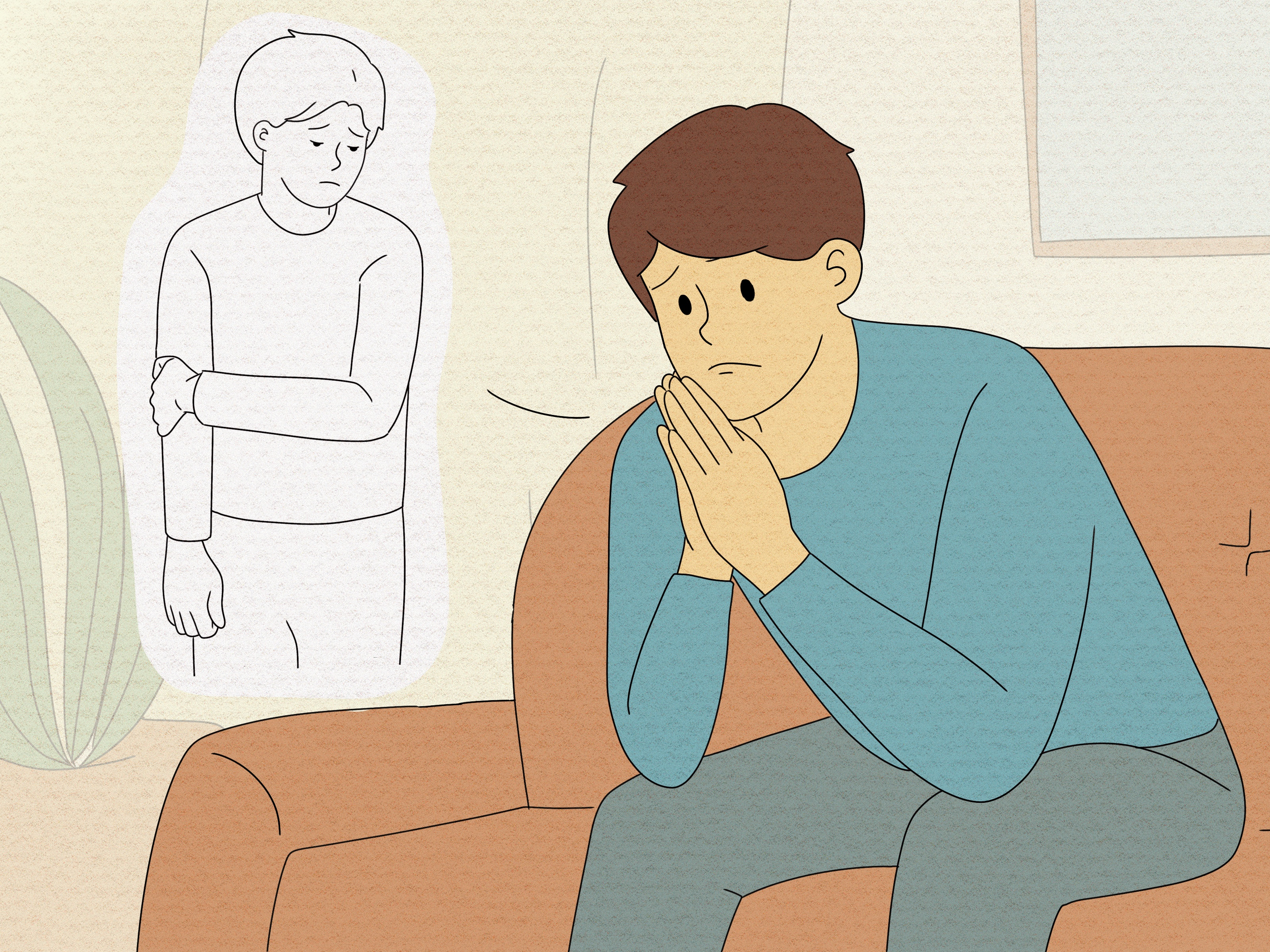
Hikikomori is a term that began in Japan and is now used around the world to describe prolonged, extreme social withdrawal. A person experiencing hikikomori may spend most of their time at home, avoid school or work, reduce contact with friends, and interact with the outside world mainly through screens, family members, or carefully controlled routines.
In clinical discussions, hikikomori is commonly associated with social isolation lasting at least six months, along with distress or serious disruption in daily life. That last part matters. Loving quiet evenings, needing space after work, or preferring cats to crowded parties does not automatically make someone hikikomori. Otherwise, half the planet after a long Monday would qualify.
Hikikomori is not simply “being shy.” It is also not the same as introversion. Introversion is a normal personality style. Hikikomori-like withdrawal becomes concerning when life gets smaller and smaller: missed responsibilities, disappearing relationships, reversed sleep schedules, fear of leaving the room, or a sense that returning to ordinary life feels impossible.
What a Hikikomori Test Can and Cannot Tell You
A hikikomori test or introvert quiz can help you notice patterns. It can ask useful questions: How often do you leave home? Are you avoiding people because you feel peaceful, or because you feel trapped? Is your solitude chosen, or has it become a cage with Wi-Fi?
However, an online quiz cannot diagnose hikikomori, depression, social anxiety disorder, agoraphobia, autism spectrum disorder, trauma, burnout, or any other mental health condition. A quiz is a flashlight, not a judge. It can point toward areas worth exploring, but a licensed mental health professional is the person who can assess symptoms in context.
Why Confidentiality Matters
People searching for a “hikikomori test” often want privacy. That is understandable. Social withdrawal can come with shame, fear, family tension, academic pressure, job stress, or the feeling that everyone else received a secret manual for life and you were handed a toaster warranty instead.
A confidential self-check gives you room to be honest. The goal is not to slap a label on your forehead. The goal is to understand whether your current level of isolation is helping you recoveror quietly making life harder.
Hikikomori vs. Introversion: The Big Difference
Introverts often enjoy solitude because it restores energy. They may prefer smaller gatherings, deeper conversations, quiet hobbies, or working alone. Many introverts have rich friendships, meaningful goals, and active lives; they just do not need constant social stimulation to feel alive.
Hikikomori-like withdrawal is different. It is usually marked by avoidance, distress, loss of functioning, and difficulty participating in ordinary responsibilities. Someone may want to study, work, date, exercise, or reconnectbut the thought of doing so feels overwhelming. Instead of solitude feeling nourishing, it begins to feel like quicksand.
Quick Comparison
- Introversion: “I need quiet time to recharge.”
- Social anxiety: “I want to connect, but I fear judgment or embarrassment.”
- Agoraphobia-like avoidance: “I fear leaving safe places or being unable to escape.”
- Depression-related withdrawal: “I do not have energy or interest anymore.”
- Hikikomori-like withdrawal: “My life has become mostly confined, and returning feels too hard.”
These patterns can overlap. For example, an introvert can also have social anxiety. A person with depression may withdraw for months. Someone experiencing hikikomori may also struggle with anxiety, shame, family conflict, gaming overuse, sleep reversal, or fear of failure. Human beings are complicated. We are not browser tabs, no matter how many we keep open.
Private Hikikomori Self-Check Quiz
This educational quiz is designed to help you reflect. Answer based on the past six months, not just one bad weekend, exam season, or that time you binge-watched a show and accidentally became furniture.
How to Score
For each statement, choose one answer:
- 0 points: Rarely or never
- 1 point: Sometimes
- 2 points: Often
- 3 points: Almost always
The 15-Question Hikikomori Test
- I spend most of my time at home or in my room.
- I avoid school, work, errands, appointments, or social activities.
- I have reduced contact with friends or stopped replying to messages.
- I feel anxious, ashamed, numb, or overwhelmed when thinking about going out.
- My sleep schedule has shifted heavily toward late nights and late mornings.
- I use the internet, games, videos, or online communities to avoid offline life.
- I feel stuck even when I want to change.
- My family or people close to me are worried about my isolation.
- I leave home only for essential reasons, or I avoid leaving completely.
- I feel embarrassed about how long I have withdrawn.
- I have stopped pursuing goals that used to matter to me.
- I avoid phone calls, video calls, or face-to-face conversations.
- I feel safer alone, but also lonely or disconnected.
- The idea of returning to normal routines feels impossible or frightening.
- My isolation has lasted for months and is interfering with my life.
What Your Score May Mean
0–10 points: Your answers suggest ordinary solitude, introversion, temporary stress, or a mild need for better social balance. You may still benefit from healthier routines, but hikikomori-like withdrawal is not strongly suggested by this score.
11–25 points: Your answers suggest a moderate level of withdrawal. You may be introverted, burned out, anxious, depressed, overwhelmed, or avoiding certain responsibilities. It may help to talk with someone you trust and begin rebuilding structure gently.
26–35 points: Your answers suggest significant social withdrawal. If this pattern has lasted several months, affects school, work, health, or relationships, it would be wise to contact a mental health professional. You do not need to wait until life is “bad enough” to deserve help.
36–45 points: Your answers suggest severe withdrawal that may resemble hikikomori-like isolation. Professional support is strongly recommended, especially if you rarely leave your room or home, feel hopeless, or cannot resume basic responsibilities.
Important: If you are thinking about self-harm, suicide, or not wanting to live, seek immediate help. In the United States, call or text 988 for the Suicide & Crisis Lifeline. If there is immediate danger, call emergency services or go to the nearest emergency room.
Signs You May Be More Than “Just Introverted”
Introversion is not a problem to fix. Some people are naturally quiet, reflective, independent, and allergic to small talk that begins with “So, what do you do?” The concern begins when solitude stops being a preference and becomes a barrier.
Red Flags to Notice
- You want to leave home but feel unable to do it.
- You avoid people because of shame, fear, or emotional numbness.
- You have stopped attending school, work, or important appointments.
- You feel panic, dread, or intense embarrassment about being seen.
- Your daily rhythm revolves around avoidance.
- Your room feels safe, but also like a place you cannot escape.
- Your physical health, hygiene, meals, or sleep are getting worse.
One red flag does not define you. Patterns do. A stressful month after a breakup is different from six months of disappearing from life. A quiet personality is different from losing the ability to participate in the world.
Common Reasons People Withdraw
People rarely withdraw from life for no reason. Social isolation often makes sense when you understand the background. It may begin as protection. The trouble is that protection can harden into a prison.
1. Social Anxiety
Social anxiety can make ordinary interactions feel like public performance under courtroom lighting. A person may fear judgment, humiliation, awkward pauses, blushing, shaking, or saying the wrong thing. Avoidance brings short-term relief, but over time it can teach the brain that social situations are dangerous.
2. Depression
Depression can drain motivation, pleasure, energy, and hope. People may stop answering messages not because they do not care, but because even typing “I’m okay” feels like lifting a refrigerator. Depression-related withdrawal can look like laziness from the outside, but inside it often feels heavy, foggy, and lonely.
3. Burnout and Failure Pressure
Academic pressure, career setbacks, job loss, family expectations, or repeated rejection can push someone into hiding. If the outside world feels like a scoreboard where you are always losing, retreat can feel like the only place where nobody is grading you.
4. Trauma, Bullying, or Shame
Bullying, humiliation, family conflict, abuse, or painful social experiences can make the world feel unsafe. Withdrawal may begin as a survival response. Healing often requires patience, safety, and supportnot lectures that begin with “Just go outside.”
5. Digital Escape
Games, streaming platforms, online communities, and endless scrolling can offer comfort, identity, and distraction. These tools are not evil. The problem starts when online life replaces sleep, food, movement, school, work, and real-world connection. The internet can be a bridge, but it can also become a very shiny basement.
How to Use Your Quiz Result Wisely
After taking a hikikomori test, do not use the score as a final verdict. Use it as a conversation starter with yourself. Ask: What is my isolation doing for me? What is it costing me? What feels impossible right now? What tiny step would make tomorrow 1% less stuck?
Low Score: Protect Healthy Solitude
If your score is low, you may simply be introverted or temporarily tired. Respect your need for quiet. Schedule alone time without guilt. At the same time, keep a few living connections active: a weekly message, a walk with someone safe, a shared hobby, or a low-pressure check-in.
Moderate Score: Rebuild Structure
If your score is moderate, start with rhythm. Wake up at a consistent time. Open curtains. Eat something that did not arrive in a crinkly bag. Step outside for five minutes. Send one honest message: “I’ve been withdrawn, but I’m trying to reconnect.” Small actions count because withdrawal shrinks life through repetition; recovery expands it the same way.
High Score: Ask for Support
If your score is high, consider contacting a therapist, counselor, doctor, or mental health clinic. If leaving home feels impossible, look for telehealth options. If making the call feels too hard, ask a family member or trusted person to help schedule the first appointment. You do not need a perfect plan. You need a first door.
Practical Steps to Reduce Hikikomori-Like Withdrawal
Recovery from deep withdrawal is not usually a dramatic movie montage. It is more like slowly updating old software while the computer complains. The steps below are simple, but simple does not mean easy. Be patient.
Start With a “Minimum Day” Routine
Create a small daily routine that is too realistic to argue with:
- Wake up within the same two-hour window.
- Drink water.
- Eat one real meal.
- Open a window or step outside briefly.
- Move your body for five minutes.
- Send one message or respond to one person.
Use Exposure Gently
If leaving home feels frightening, do not begin with a crowded mall on a Saturday. Start smaller: stand at the doorway, walk to the mailbox, sit outside for three minutes, visit a quiet store, or take a short walk during a calm hour. The goal is not to “win” social life in one heroic leap. The goal is to teach your nervous system that small steps are survivable.
Separate Solitude From Avoidance
Ask yourself: “Am I choosing this because it nourishes me, or because I am escaping something I fear?” Healthy solitude usually leaves you calmer or more creative. Avoidant isolation often leaves you more anxious, ashamed, numb, or stuck.
Make Connection Low-Pressure
Not every reconnection needs a deep emotional summit meeting. Try sending a meme, reacting to a message, joining a quiet online group with real-time structure, attending a support group, or having a short conversation with a family member. Connection can return in crumbs before it becomes a meal.
For Parents, Partners, and Friends
If someone you love may be experiencing hikikomori-like withdrawal, avoid turning every conversation into an intervention. Constant pressure can deepen shame. At the same time, ignoring the problem completely may allow isolation to grow.
What Helps
- Speak calmly and specifically: “I’ve noticed you haven’t left the house much, and I’m worried.”
- Offer practical help: scheduling an appointment, preparing meals, or sitting nearby without demanding conversation.
- Celebrate tiny steps without making them weirdly ceremonial.
- Keep boundaries around aggression, threats, or unsafe behavior.
- Seek professional guidance for the family, not only the withdrawn person.
What Usually Does Not Help
- Shaming: “You’re wasting your life.”
- Comparing: “Your cousin is doing great.”
- Threatening without support.
- Calling them lazy when fear, depression, trauma, or anxiety may be involved.
Compassion does not mean pretending everything is fine. It means telling the truth in a way the person can actually hear.
Experience Notes: What Taking a Hikikomori Test Can Feel Like
Many people who search for a hikikomori test do not begin with a grand announcement. They begin at 2:17 a.m., in bed, phone brightness turned down, asking a question they hope nobody else can see: “What is wrong with me?” That moment can feel scary, but it can also be the first honest doorway back.
One common experience is confusion. A person may have always been introverted, so they assume nothing has changed. They tell themselves, “I just like being alone.” But then they notice the difference. In the past, solitude felt peaceful. Now it feels heavy. In the past, they could go out when needed. Now even buying groceries feels like preparing for a space mission, minus the cool helmet.
Another common experience is shame. Someone may avoid old friends because they do not want to answer obvious questions: “Where have you been?” “Are you working?” “Are you okay?” The longer they avoid the questions, the larger the questions become. Eventually, the inbox feels like a museum of missed chances. A confidential quiz can help because it gives language to the pattern before a person is ready to explain it out loud.
Some people feel relief after taking a hikikomori quiz. Not because they want the label, but because they finally see that their struggle has a shape. It is not random laziness. It is not a personal failure. It may be a serious pattern of withdrawal connected to anxiety, depression, burnout, trauma, family pressure, or fear of re-entering life after a long pause.
Others feel defensive. That is normal. Nobody enjoys seeing a high score on a quiz that basically says, “Your bedroom has become the capital city of your life.” Defensiveness does not mean the quiz is wrong or right. It means the topic touches something tender. Instead of arguing with the result, it may help to ask one practical question: “What is one thing I can do this week that would make my world slightly bigger?”
For some, the first step is not going to therapy immediately. It may be washing dishes, fixing sleep, sitting by the front door, opening a curtain, or replying to one safe person. These steps may sound tiny to outsiders, but for someone deeply withdrawn, they are not tiny. They are evidence. They say, “I am still here, and I can still move.”
The best experience with a hikikomori test is not fear; it is clarity. The quiz should not make someone feel trapped inside a label. It should help them notice whether their solitude is chosen, whether their life is functioning, and whether support could make the next step less lonely. A good test does not shout, diagnose, or shame. It quietly hands you a map and says, “Here is where you might be. Here is where help can begin.”
Conclusion
A hikikomori test can be a useful, confidential way to examine your relationship with solitude, avoidance, and daily functioning. The key is understanding the difference between healthy introversion and distressing withdrawal. Introversion is a personality style. Hikikomori-like isolation is a serious pattern that can shrink school, work, relationships, health, and hope.
If your quiz result suggests mild withdrawal, begin with routine, movement, and gentle reconnection. If it suggests severe isolation, consider professional help. There is no shame in needing support. The goal is not to become the loudest person in the room. The goal is to have a life that feels possible againquiet, connected, and truly yours.