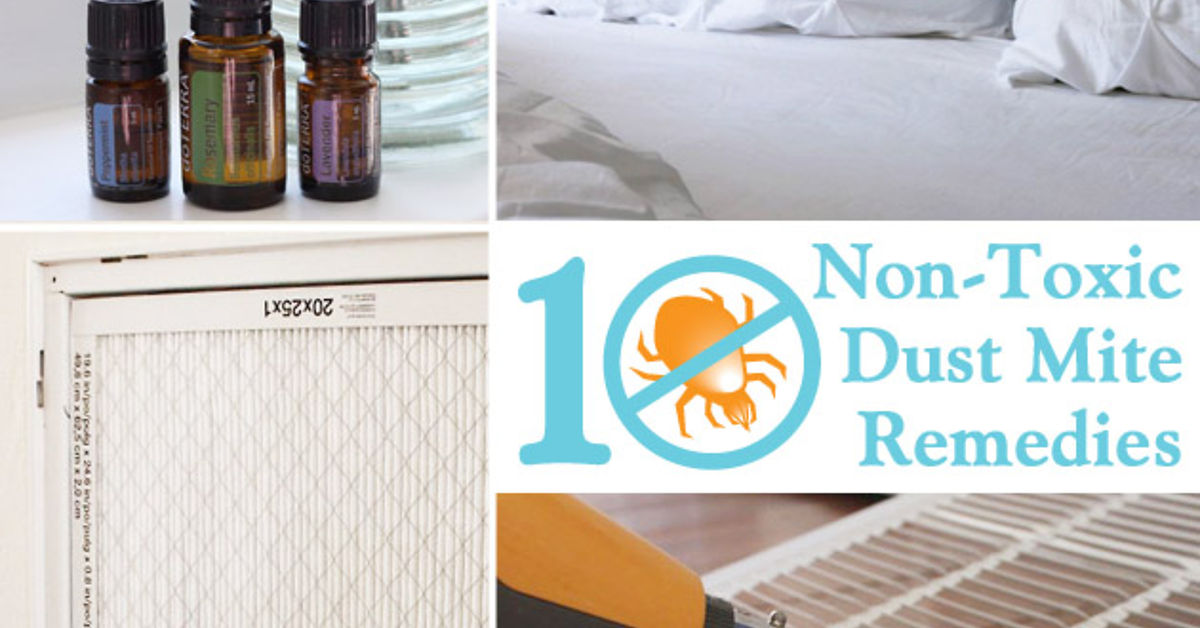
Dust mites are tiny, uninvited roommates with no manners, no rent money, and a shocking appreciation for pillows. They do not bite, burrow into skin, or plot your downfall in tiny mite meetings. The real problem is that their body fragments and waste can collect in household dust and trigger allergy or asthma symptoms in sensitive people.
The good news is that you do not need pesticide foggers, heavily scented sprays, or a hazmat suit to make your home less welcoming to dust mites. The most effective approach is wonderfully unglamorous: control moisture, clean fabrics strategically, trap allergens behind protective barriers, and reduce the number of cozy dust reservoirs in the places where you spend the most time.
These non-toxic dust mite remedies focus on reducing exposure rather than promising an impossible “mite-free” home. Dust mites exist in most homes, including very clean homes. The goal is not to win a microscopic war in one weekend. The goal is to create a bedroom and living space where dust mites have fewer places to thrive and their allergens are less likely to bother you.
Why Dust Mites Love Homes So Much
Dust mites thrive in warm, humid environments with a reliable food source: shed human skin cells. That is why mattresses, pillows, comforters, upholstered furniture, carpets, curtains, and stuffed animals are prime real estate. Your bed is especially attractive because it provides warmth, fabric, moisture from breathing and perspiration, and a nightly snack buffet of skin flakes. Charming.
For people with dust mite allergies, exposure can contribute to sneezing, stuffy noses, itchy or watery eyes, coughing, skin irritation, and asthma symptoms. Because many dust mite allergens settle into fabric and dust instead of floating in the air for long periods, practical cleaning and moisture-control habits usually matter more than simply spraying the room with something that smells like a fake mountain meadow.
1. Keep Indoor Humidity Below 50 Percent
Humidity control is one of the strongest non-toxic dust mite remedies because dust mites depend on moisture in the air. A simple hygrometer can show the relative humidity in bedrooms, basements, closets, and other trouble spots. Aim for indoor humidity around 30 to 50 percent, with many allergy specialists recommending keeping it below 50 percent whenever possible.
Ways to Lower Humidity Naturally and Mechanically
- Run air conditioning during humid weather.
- Use a dehumidifier in damp bedrooms, basements, or laundry areas.
- Turn on bathroom exhaust fans during showers and for a while afterward.
- Use kitchen ventilation while boiling water or cooking.
- Repair leaking pipes, roof leaks, wet drywall, and damp carpeting promptly.
- Avoid running a humidifier unnecessarily in a room where dust mite allergy is a concern.
A dehumidifier is not a magic cube that solves every allergy issue, but it can make a meaningful difference in humid climates. Empty and clean it regularly so you do not trade dust mites for mold problems. That would be the household equivalent of fixing a flat tire by adding a second flat tire.
2. Use Allergen-Proof Mattress, Pillow, and Box Spring Covers
Dust mite barrier covers are one of the easiest ways to reduce direct exposure while sleeping. Look for zippered, allergen-impermeable encasements designed for mattresses, pillows, and box springs. The cover should fully surround the item and zip shut rather than acting like a loose pillowcase with big ambitions.
These covers do not remove dust mites from the universe, but they create a physical barrier between you and the accumulated allergens inside bedding. Since people spend many hours sleeping, improving the bed environment can have an outsized effect compared with obsessively dusting every decorative shelf in the house.
Smart Cover Strategy
Start with the mattress and pillows. If you have a box spring, cover that too. Wash removable bedding such as sheets, pillowcases, blankets, and mattress pads regularly. Clean the outer surfaces of encasements according to the manufacturer’s instructions, especially after a period of illness, allergy flares, or heavy sweating.
3. Wash Bedding Weekly in Hot Water
Weekly hot-water laundry is one of the most reliable dust mite control habits. Wash sheets, pillowcases, blankets, and washable mattress pads in water that is at least 130°F when the fabric care label allows it. Then dry everything thoroughly. Heat and complete drying matter because damp bedding gives mites the moisture they enjoy.
If your bedding cannot tolerate high heat, follow the care instructions rather than ruining an expensive comforter in the name of allergy control. You can still reduce allergens by washing regularly, using protective covers, and keeping humidity low. A ruined silk duvet is not a medical breakthrough.
Do Not Forget the Sneaky Bedding Items
Dust mites are not impressed by your freshly washed fitted sheet if the comforter, throw blanket, pillow insert, or decorative bed cushion has not been cleaned since several presidential administrations ago. Wash or dry-clean bedding accessories as appropriate. For allergy-prone households, simpler bedding is often easier to maintain than a bed styled like a department-store display.
4. Dry Bedding Completely Before Putting It Back
Washing is useful, but returning damp linens to a mattress can undo some of the benefit. Moisture trapped in pillows, comforters, mattress pads, and thick blankets creates a more mite-friendly environment. Use the dryer setting appropriate for the fabric and make sure bulky items are fully dry before making the bed.
For large comforters or pillows, pause the dryer and redistribute the filling if needed. If you line-dry items outdoors, make sure they are completely dry before bringing them inside. In very humid weather, indoor drying with ventilation or a dehumidifier may work better than leaving laundry outside to collect moisture from the air.
5. Wash Stuffed Animals or Use the Freezer Method
Stuffed animals can be beloved childhood companions and deluxe dust mite condos at the same time. The best approach is to limit the number kept on the bed and wash washable toys regularly in hot water. Dry them fully on a safe heat setting.
For a favorite plush toy that cannot be washed, place it in a sealed plastic bag and freeze it for at least 24 hours. This can help kill live dust mites. However, freezing does not remove existing allergens, so follow up by gently wiping the item with a damp cloth or vacuuming it carefully once it has returned to room temperature.
Make Toy Rotation Less Dramatic
Choose a few favorite stuffed animals for display or bedtime and store the rest in a closed bin. A rotating toy system keeps the room easier to clean and prevents the bed from becoming a plush-animal convention with no cleaning schedule.
6. Vacuum With a HEPA Filter or Sealed Vacuum
Vacuuming helps remove dust, skin flakes, pet dander, and settled dust mite allergens from carpets, rugs, upholstered furniture, mattresses, and floor edges. A vacuum with a HEPA filter or a sealed filtration system is preferable because it is better at keeping fine particles from escaping back into the room.
Vacuum slowly. Fast vacuuming can look productive, but it often turns the task into a loud carpet parade. Move methodically over rugs and upholstery, paying attention to edges, under furniture, and the area around the bed. Vacuum both sides of area rugs when practical.
Allergy-Friendly Vacuuming Tips
- Vacuum bedrooms and living areas at least weekly.
- Use upholstery attachments on fabric chairs, couches, and mattresses.
- Empty the vacuum outdoors when possible.
- Replace or clean filters on schedule.
- Have someone without dust mite allergies vacuum if exposure tends to trigger symptoms.
- Leave the room for a short period after vacuuming if dust gets stirred up easily.
Vacuuming is useful, but it works best as part of a larger plan. It cannot reach every allergen trapped deep inside an old mattress or dense carpet, which is why barrier covers and humidity control deserve equal attention.
7. Damp-Dust and Damp-Mop Instead of Dry Sweeping
Dry dusting and dry sweeping can send settled particles back into the air, which is not ideal when you are trying to remove allergens rather than launch them into a small indoor fireworks show. Use a damp microfiber cloth for furniture, windowsills, baseboards, fan blades, and shelves. Use a damp mop on hard floors.
Microfiber works well because it can capture fine dust without requiring harsh cleaning chemicals. Plain water is often enough for routine dust removal. For sticky areas, use a mild, fragrance-free cleaner as directed. Strongly perfumed sprays may make the room smell “clean,” but fragrance does not equal allergen control.
Best Places to Damp-Dust
- Bed frames and headboards
- Nightstands and lamps
- Window ledges and blinds
- TV stands and gaming consoles
- Bookshelves and picture frames
- Baseboards and ceiling fan blades
The bedroom matters most, but do not ignore the living room. Upholstered sofas, fabric recliners, curtains, and decorative pillows can all collect dust mite allergens over time.
8. Simplify Soft Furnishings in the Bedroom
Dust mites favor fabric-heavy spaces, so reducing unnecessary textiles can lower the amount of dust that builds up around the bed. This does not mean your bedroom needs to look like a minimalist laboratory. It simply means choosing washable, manageable materials over endless layers of decorative fabric.
Consider replacing heavy curtains with washable curtains or blinds. Use washable throw rugs instead of wall-to-wall carpeting where possible. Limit decorative pillows, fabric storage bins, and unused blankets. Keep clothes in drawers or closets instead of piled on chairs, because the famous “chair wardrobe” may be emotionally supportive, but it is not especially dust-resistant.
If You Are Renovating
Hard flooring such as wood, vinyl, tile, or linoleum is generally easier to clean than wall-to-wall carpet. If removing carpet is not realistic, focus on frequent HEPA vacuuming, low humidity, and reducing clutter. Even one change, such as removing a thick bedroom rug, can make future cleaning easier.
9. Clean Curtains, Upholstery, and Rugs on a Schedule
Dust mites do not limit themselves to beds. They can collect in curtains, cushions, fabric headboards, upholstered furniture, carpet, and area rugs. Add these items to a realistic cleaning rotation instead of waiting until they look visibly dusty. Allergens are not always polite enough to announce themselves with a gray fuzz layer.
Wash washable curtains and cushion covers according to their care labels. Vacuum upholstered furniture slowly with a HEPA-filter vacuum attachment. For rugs, vacuum both sides when possible and clean spills immediately so moisture does not linger. If a carpet has been repeatedly wet, smells musty, or has mold damage, it may need professional assessment or replacement.
Choose Easy-Care Fabrics
When buying a new sofa, chair, rug, or bedroom bench, consider how it will be cleaned. Removable washable covers, smooth surfaces, and low-pile rugs are easier to maintain than heavily tufted fabrics, shag rugs, and furniture with enough seams to hide a small civilization.
10. Use Air Filtration as Support, Not as the Entire Plan
A HEPA air purifier can help capture airborne particles that become disturbed during cleaning, walking, changing bedding, or moving fabric items. It can be a useful supporting tool, especially in bedrooms, but it should not replace washing bedding, lowering humidity, or using allergen-proof covers.
Dust mite allergens often settle relatively quickly into fabrics and household dust. That means the best plan combines air filtration with source control. Think of an air purifier as the helpful assistant, not the entire cleaning department.
How to Use an Air Cleaner Wisely
- Choose a HEPA-based air purifier sized for the room.
- Place it where airflow is not blocked by furniture or curtains.
- Keep doors and windows managed according to outdoor humidity and pollen conditions.
- Replace filters on schedule.
- Avoid ozone-generating devices and heavily fragranced “air freshening” products.
Also maintain your heating and cooling system. Replace HVAC filters as recommended, keep vents clear, and address moisture problems around air-conditioning units, windows, and ducts. A clean, dry home gives dust mites fewer advantages before they even reach the pillow stage.
A Simple Non-Toxic Dust Mite Cleaning Routine
Weekly
- Wash sheets and pillowcases in hot water when fabric labels allow.
- Dry bedding completely.
- Vacuum bedrooms and upholstered furniture with a HEPA-filter vacuum.
- Damp-dust flat surfaces and damp-mop hard floors.
- Check the humidity level in bedrooms and damp spaces.
Monthly
- Vacuum mattress surfaces and under the bed.
- Wash throws, washable blankets, and removable cushion covers.
- Clean dehumidifier buckets, filters, and surrounding areas.
- Inspect windows, bathrooms, closets, and basements for moisture problems.
Every Few Months
- Wash or dry-clean comforters and large bedding items.
- Clean curtains, blinds, and fabric headboards.
- Deep-clean rugs or have them professionally cleaned if needed.
- Review clutter in bedrooms and donate, store, or remove unused fabric items.
What Not to Rely On for Dust Mite Control
It is tempting to search for one magical “natural dust mite killer” that requires no laundry, no vacuuming, and no changes to the bedroom. Unfortunately, dust mites are not impressed by wishful thinking, scented room sprays, or vague internet promises.
Be cautious with essential oils, pesticide sprays, carpet powders, ozone machines, and strong fragrances. Even when a product claims to be natural, it may irritate airways, leave residue, or fail to address the larger issue: accumulated allergens in bedding and fabric. The most reliable non-toxic methods are physical and practical: heat washing, drying, barrier covers, humidity control, damp cleaning, HEPA vacuuming, and reducing dust-holding clutter.
When to Talk With an Allergist
Home remedies can reduce exposure, but they are not a substitute for medical care. Consider speaking with a qualified clinician or allergist if sneezing, congestion, coughing, wheezing, eczema flares, or asthma symptoms continue despite environmental changes. Allergy testing can help identify whether dust mites are actually a trigger, because dust is a crowded party containing pollen, pet dander, mold spores, fibers, and many other possible troublemakers.
A clinician may recommend medication, asthma management strategies, allergy immunotherapy, or a more targeted environmental plan. The best dust mite strategy is not necessarily the most expensive one. It is the one you can maintain consistently without turning your home into a stressful cleaning command center.
Practical Experiences: What Usually Makes the Biggest Difference at Home
In real homes, the most successful dust mite routines are usually the boring ones people actually keep doing. The dramatic, one-day deep clean can feel satisfying, especially when you discover enough lint under the bed to knit a winter scarf. But dust mite control tends to improve when households build small habits into their weekly rhythm rather than waiting for a full cleaning crisis.
For many people, the bedroom is the best place to begin. A family may spend hours trying to scrub every room, only to overlook the mattress, pillows, comforter, and stuffed toys where a large share of dust mite exposure happens. Starting with allergen-proof encasements, freshly washed bedding, and lower humidity often feels more manageable than redesigning the entire home. It also gives people a clear routine: wash, dry, cover, repeat.
Another common lesson is that humidity is easy to ignore until someone starts measuring it. A bedroom can feel comfortable while the humidity quietly stays above 55 percent, particularly during rainy weather, summer months, or in homes with poor ventilation. A small hygrometer often turns a vague suspicion into useful information. Once people see that a basement, closet, or bedroom is consistently damp, using air conditioning, exhaust fans, or a dehumidifier becomes less of a guess.
Households also learn that fewer soft surfaces can mean less work. Nobody needs to throw away every pillow, curtain, rug, or plush toy. But reducing the pile of decorative textiles in a bedroom makes cleaning faster and more realistic. A bed with two washable pillows is easier to manage than one with twelve decorative cushions, three throws, a faux-fur blanket, and a stuffed-animal population larger than some small towns.
Vacuuming tends to work better when people change their pace. Fast vacuuming may make the carpet lines look impressive, but moving slowly gives the vacuum more time to pick up fine debris. Using a HEPA-filter vacuum, cleaning under the bed, and paying attention to upholstered furniture often matters more than repeatedly vacuuming the middle of the room where nobody sits.
Parents often find toy rotation especially helpful. Instead of allowing every stuffed animal to live permanently on the bed, they keep a few favorites available and store the others in closed containers. This approach reduces dust collection, makes weekly bed cleaning less overwhelming, and still preserves the emotional importance of the beloved stuffed dinosaur, bunny, dragon, or suspiciously sticky teddy bear.
The biggest practical takeaway is consistency. You do not need to transform your home into a sterile museum. Dust mites will always exist somewhere, and perfection is not the goal. A cleaner, drier, easier-to-maintain bedroom can reduce allergen exposure without harsh chemicals, complicated gadgets, or a lifestyle built around chasing invisible specks of dust. That is a win for your lungs, your sleep, and your weekend plans.
Note: “Non-toxic” does not mean “effort-free.” These strategies are designed to reduce dust mite allergen exposure, not guarantee that every dust mite disappears. People with persistent allergy symptoms, asthma, or breathing difficulties should seek advice from a qualified healthcare professional or allergist.
Conclusion
The best non-toxic dust mite remedies are not flashy, but they work together beautifully: reduce humidity, wash and dry bedding thoroughly, encase mattresses and pillows, vacuum with effective filtration, damp-dust surfaces, simplify fabric-heavy spaces, and keep moisture under control. Start with the bedroom, make the routine realistic, and focus on steady improvements instead of chasing a perfect home.