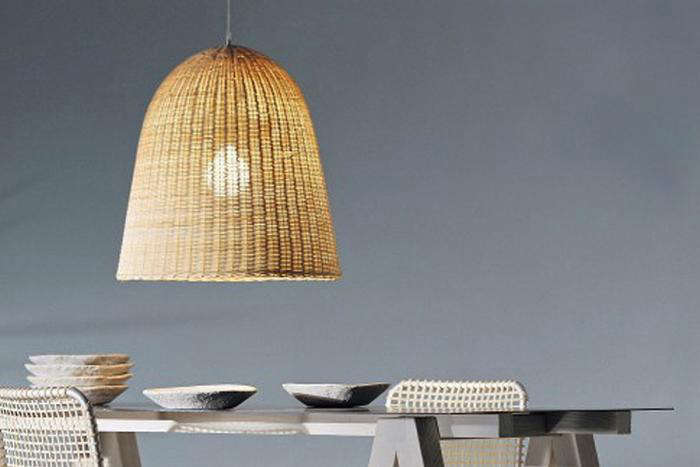
The High/Low Rattan Bell Pendant is the kind of lighting idea that makes a room feel designed without making it feel “decorated to within an inch of its life.” It has shape, texture, warmth, and that relaxed confidence only natural materials can bring. A rattan bell pendant does not shout from the ceiling. It glows, it softens, it adds personality, and yes, it quietly judges that one lonely flush-mount light you have been meaning to replace since 2018.
At its heart, this style is simple: a bell-shaped shade made from woven rattan, wicker, cane, or a similar natural fiber, suspended from the ceiling to create soft, filtered light. The “high/low” idea compares designer versions with more affordable alternatives. The original design conversation often centers on the Gervasoni Bell suspension lamp, a handwoven piece with a sculptural profile and a relaxed Mediterranean soul. But today, homeowners can find beautiful rattan bell pendant lights at many price points, from investment lighting to budget-friendly woven shades that still deliver charm by the basketful.
Whether you are decorating a dining room, kitchen island, breakfast nook, bedroom, covered porch, or breezy entryway, a rattan bell pendant can instantly make the space feel warmer and more layered. It is practical lighting with a vacation attitudelike your ceiling just returned from a tasteful coastal retreat and brought souvenirs.
What Is a Rattan Bell Pendant?
A rattan bell pendant is a hanging ceiling light with a rounded or flared bell silhouette, usually crafted from woven rattan or wicker. Rattan itself comes from climbing palm species and is prized for being lightweight, flexible, and strong. Unlike bamboo, which is hollow, rattan has a solid core, making it especially useful for weaving, bending, and shaping into furniture and decorative objects.
The bell shape matters. It gives the fixture a graceful downward curve that naturally directs light toward a table, island, chair, or sitting area. At the same time, the woven texture allows light to escape through tiny openings, creating soft shadows across ceilings and walls. That filtered glow is one of the biggest reasons people love rattan pendant lighting. It makes a room feel cozy without making it dim, and stylish without feeling stiff.
In design terms, the rattan bell pendant sits comfortably between rustic and refined. It can work in coastal interiors, bohemian rooms, Japandi spaces, modern organic homes, farmhouse kitchens, tropical-inspired bedrooms, and even minimalist rooms that need one warm, textured feature. It is the design equivalent of a linen shirt: casual, timeless, and better when it does not look too perfect.
Why the High/Low Rattan Bell Pendant Idea Still Works
The “high/low” approach is popular because lighting can dramatically change a room, but designer lighting can dramatically change your bank balance. A high-end rattan pendant may offer handwoven craftsmanship, premium materials, distinctive proportions, and a designer name. A lower-priced alternative may use simpler construction, smaller dimensions, or mass-market components, but still give you the texture and mood you want.
The key is not to blindly chase the cheapest option. The smartest move is to compare what actually matters: scale, weave quality, socket compatibility, cord length, canopy finish, safety certification, and how the pendant looks when the light is on. A beautiful rattan shade that casts awkward shadows or hangs too small over a dining table is not a bargain; it is a ceiling basket with commitment issues.
High-End Rattan Bell Pendants
Designer rattan bell pendants are often larger, more architectural, and more carefully finished. The Gervasoni Bell suspension lamp, for example, is known for its handwoven wicker character and contemporary interpretation of traditional craft. These types of fixtures are ideal when the pendant is the visual centerpiece of a room. They suit open dining areas, vaulted spaces, large living rooms, boutique-style bedrooms, and interiors where texture is part of the luxury.
Affordable Rattan Bell Pendant Alternatives
Budget-friendly rattan bell pendants can still be excellent choices, especially for smaller rooms or casual spaces. Many affordable options use natural rattan, wicker, bamboo-like fibers, or synthetic woven materials. Some are sold as full hardwired pendants, while others are shade-only designs that require a compatible cord kit. These pieces can be perfect for renters, first homes, guest rooms, breakfast corners, or anyone who wants the rattan look without taking out a tiny lighting mortgage.
Best Rooms for a Rattan Bell Pendant
One reason rattan pendant lights remain popular is their versatility. They bring texture without visual heaviness. A metal chandelier can feel formal. A glass pendant can feel sleek. A rattan bell pendant feels welcoming, which is useful in rooms where people gather, eat, read, relax, or pretend they are just “resting their eyes” on the sofa.
Dining Room
The dining room may be the most natural home for a rattan bell pendant. Hung above a table, it creates an intimate pool of light and gives the whole room a focal point. For round tables, one oversized bell pendant can look balanced and sculptural. For long rectangular tables, two smaller rattan pendants or a staggered trio can create rhythm without feeling too formal.
Kitchen Island
Over a kitchen island, rattan pendant lighting adds warmth to cabinets, stone counters, tile backsplashes, and stainless steel appliances. It is especially useful in kitchens that feel a little too hard or shiny. Natural woven lighting softens those surfaces instantly. For function, choose bulbs that provide enough task light for chopping, serving, and late-night snack inspections.
Bedroom
A rattan bell pendant in a bedroom can replace a standard ceiling fixture with something far more calming. It pairs beautifully with linen bedding, wood furniture, plaster walls, soft neutrals, and leafy plants. In smaller bedrooms, choose a pendant with an open weave and modest scale so it adds texture without crowding the ceiling.
Entryway or Hallway
An entryway is a great place to make a first impression. A rattan pendant says, “Welcome, we have taste and possibly good coffee.” Because entryways often lack softness, woven lighting can balance hard flooring, painted doors, stair rails, and console tables. Just make sure there is enough clearance for tall guests and enthusiastic hat wearers.
Covered Porch or Sunroom
Rattan feels right at home in sunrooms and covered outdoor spaces. However, natural rattan is not always suitable for fully exposed outdoor use. Moisture, direct rain, and intense sun can damage natural fibers over time. For covered areas, choose fixtures rated for damp locations when needed, and for open-air patios, look for outdoor-rated woven pendants or synthetic rattan alternatives.
How to Choose the Right Size
Scale is everything with pendant lighting. Too small, and the fixture looks like an afterthought. Too large, and your room starts to resemble a very stylish birdcage. For a dining table, a good general approach is to choose a pendant that is roughly one-half to two-thirds the width of the table, depending on the openness of the weave and the height of the ceiling.
For kitchen islands, consider both the island length and the number of pendants. Two medium rattan bell pendants often work well over a standard island, while three smaller pendants may suit a longer surface. Leave enough space between fixtures so they do not visually collide. Rattan already has movement and texture; it does not need to be packed together like rush-hour commuters.
Ceiling height also matters. In rooms with eight-foot ceilings, a shallow or medium pendant may be better than an oversized deep bell. In rooms with nine- or ten-foot ceilings, a taller rattan shade can look dramatic and balanced. If the ceiling is vaulted, oversized woven lighting can create a beautiful anchor point and help the room feel more human in scale.
How High Should You Hang a Rattan Bell Pendant?
For dining tables and kitchen islands, a common guideline is to hang the bottom of the pendant about 30 to 36 inches above the tabletop or countertop. This usually provides enough light while keeping the fixture out of the conversation zone. Nobody wants to discuss dinner plans through a lampshade, even a very attractive one.
In open walking areas, keep the bottom of the pendant high enough for safe clearance. A general rule is to allow at least seven feet from the floor to the bottom of the fixture where people walk underneath. For entryways, stair landings, and hallways, always consider door swings, sightlines, and the tallest person likely to pass through the space.
Lighting Quality: Bulbs, Glow, and Shadows
The beauty of a rattan bell pendant comes from the way it filters light. The weave creates pattern, warmth, and dimension. But the bulb matters more than many people realize. A clear bulb may cast stronger shadows, while a frosted bulb usually gives a softer, more even glow. Warm white bulbs, often around 2700K to 3000K, tend to work best with natural rattan because they enhance the golden tone of the fibers.
For dining rooms and bedrooms, dimmable bulbs are highly recommended. Bright light is useful when cleaning, setting the table, or looking for the earring back that launched itself into another dimension. Softer light is better for dinner, relaxing, and pretending your home is a boutique hotel.
Also check wattage limits and socket type before buying bulbs. Many modern pendants are designed for LED bulbs, which stay cooler and use less energy than older incandescent bulbs. Since rattan is a natural material, it is smart to avoid bulbs that produce excessive heat. Safety is not the glamorous part of decorating, but it is the part that keeps your beautiful pendant from becoming a cautionary tale.
Style Pairings That Work Beautifully
A rattan bell pendant is flexible, but it looks best when it has a few design friends in the room. You do not need to cover the entire house in woven decor. In fact, please do not. One strong pendant, plus two or three supporting textures, is usually enough.
Coastal Style
Pair a natural rattan pendant with white walls, pale oak, linen curtains, blue-gray accents, and simple ceramic pieces. The result feels breezy without becoming a beach-themed gift shop.
Modern Organic Style
Use the pendant with plaster finishes, warm woods, stone surfaces, neutral upholstery, and black metal details. This creates a calm, grounded look that feels current but not trendy in a disposable way.
Bohemian Style
Layer the rattan light with patterned rugs, plants, carved wood, vintage art, and relaxed textiles. Keep the palette edited so the room feels collected, not chaotic.
Japandi Style
Choose a simple bell silhouette with a clean weave. Pair it with low-profile furniture, natural wood, soft beige tones, and uncluttered surfaces. The pendant adds warmth while preserving simplicity.
High vs. Low: What to Compare Before You Buy
When comparing a designer rattan bell pendant with an affordable lookalike, focus on the details that affect daily use. First, check the material. Natural rattan and wicker have warmth and variation, while synthetic woven materials may be more consistent and sometimes more durable in humid spaces. Neither is automatically better; it depends on where the light will be used.
Second, examine the weave. A tighter, more consistent weave usually looks more refined and may diffuse light more evenly. A looser weave can feel casual and airy, with more dramatic shadow patterns. Third, check the hardware. The canopy, cord, chain, and socket should look intentional, not like they wandered in from another fixture.
Fourth, confirm installation requirements. Some pendants are hardwired, while others are plug-in or shade-only. A shade-only bargain may become less affordable once you add a cord kit, canopy, bulb, and installation. Finally, look at dimensions carefully. Product photos can be sneaky. A pendant may look enormous in a styled photo and arrive the size of a polite salad bowl.
Installation and Safety Tips
If a rattan bell pendant is hardwired, hiring a licensed electrician is usually the safest choice, especially if you are replacing an old fixture, moving a junction box, adding a dimmer, or installing multiple pendants. Electrical work should follow local code, and fixtures should be properly supported. Rattan may be lightweight, but the ceiling box still needs to be appropriate for the fixture.
Look for safety listings or certified components when buying lighting, especially online. In the United States, UL-listed or ETL-listed fixtures offer more confidence that the product has been tested to recognized safety standards. Also make sure the pendant is rated for the location where you plan to use it. A dry-location fixture should not be placed in a damp bathroom or exposed outdoor area.
Before installation, measure twice and admire once. Mark the ideal hanging height with painter’s tape or a temporary string. Stand back from different angles. Sit at the table. Walk through the room. If the pendant blocks a view, interrupts movement, or threatens your forehead, adjust before the electrician finalizes it.
How to Clean and Care for a Rattan Pendant
Rattan pendant lights are fairly easy to maintain, but they do collect dust because woven texture has many little ledges. Use a microfiber duster, soft brush, or vacuum with a brush attachment to clean the shade gently. Avoid soaking natural rattan with water, and skip harsh cleaners that can dry, stain, or weaken the fibers.
For stubborn dust, a slightly damp cloth can help, but it should be barely damp, not dripping. Dry the area afterward. In humid climates, keep natural rattan away from persistent moisture. In very sunny rooms, direct UV exposure may gradually fade or dry the fibers. That gentle aging can be beautiful, but if you want the piece to remain consistent, consider window treatments or a placement with indirect light.
Common Mistakes to Avoid
The first mistake is choosing a pendant that is too small. Rattan is visually light, so it can often go larger than you think. The second mistake is ignoring bulb temperature. A cool white bulb can make natural rattan look flat or harsh. The third mistake is using too many woven pieces in one room. Rattan works best as texture, not as a full personality takeover.
Another common issue is poor placement. A pendant should relate to something below it: a table, island, bed, chair, or seating area. When it hangs randomly in the middle of a room, it may look disconnected. Finally, do not forget about cleaning access. If the pendant is hung too high in a vaulted space, make sure you have a safe way to dust it and change the bulb.
of Real-Life Experience With the High/Low Rattan Bell Pendant
Living with a rattan bell pendant is different from admiring one in a photo. In pictures, it is all glow, texture, and effortless design magic. In real life, it is still beautifulbut it asks you to think about scale, light direction, dust, and how the room feels at night. The biggest surprise is how much personality it adds even when the light is off. During the day, the woven shade acts almost like ceiling art. It brings softness to corners, warms up white walls, and makes simple furniture look more intentional.
In a dining room, the experience is especially rewarding. A rattan bell pendant makes meals feel slower and more relaxed. It softens faces, warms the table, and creates that “stay a little longer” atmosphere restaurants work very hard to achieve. The trick is choosing a dimmable warm bulb. Without a dimmer, the pendant can feel either too bright for dinner or too weak for practical tasks. With a dimmer, it becomes flexible: bright for homework, medium for serving, low for dessert and gossip.
Over a kitchen island, the pendant brings visual warmth, but it needs careful planning. If the weave is too dense, it may not provide enough task lighting on its own. In that case, recessed lights or under-cabinet lighting can do the heavy lifting while the rattan pendant handles atmosphere. This is where layered lighting matters. The pendant is the charming host; the task lights are the reliable friends who actually help clean up.
One practical lesson is that rattan changes how shadows behave. A loose weave can cast beautiful patterns on the ceiling, especially in the evening. Some people love this effect. Others may find it busy in a minimalist room. If you prefer a calmer look, choose a tighter weave or a frosted bulb. If you love drama, go for a more open basket-style shade and let the shadows dance.
Another experience-based tip: measure the pendant in your actual room, not in your imagination. A 24-inch bell can feel modest in a large dining room but oversized in a small breakfast nook. Use cardboard, a balloon, or even a hanging bag to mock up the size before buying. It sounds silly, but it is better than discovering your new pendant has the subtle presence of a hot air balloon.
Cleaning is manageable if you do it regularly. A quick dusting every couple of weeks keeps the weave from looking tired. Waiting six months turns the process into an archaeological project. Natural rattan also looks best when the surrounding room has a few other organic textures: wood, linen, clay, jute, stone, or plants. It does not need matching rattan chairs. In fact, too much matching can make the room feel like a furniture showroom with a tropical identity crisis.
The best thing about the High/Low Rattan Bell Pendant idea is that it gives homeowners permission to choose by effect, not just by brand. A designer pendant can be worth it if the craftsmanship, size, and finish are central to the room. A lower-cost pendant can be the right choice if it delivers the same warmth and proportion for your space. Either way, the goal is the same: soft light, natural texture, and a room that feels welcoming the second you walk in.
Conclusion
The High/Low Rattan Bell Pendant remains a smart, stylish lighting choice because it combines beauty, function, and flexibility. It can make a dining room feel intimate, a kitchen feel warmer, a bedroom feel calmer, and an entryway feel more welcoming. The best version is not always the most expensive one; it is the pendant that fits your room, gives off the right glow, hangs at the right height, and feels like it belongs there.
Choose natural rattan for warmth and handcrafted charm, or consider synthetic woven materials for areas that need more durability. Pay attention to scale, bulb type, safety ratings, and installation needs. Most importantly, let the pendant do what it does best: soften the room, add texture, and make everyday spaces feel a little more special. After all, good lighting is not just about seeing better. It is about living betterwith fewer harsh shadows and far fewer regrets.