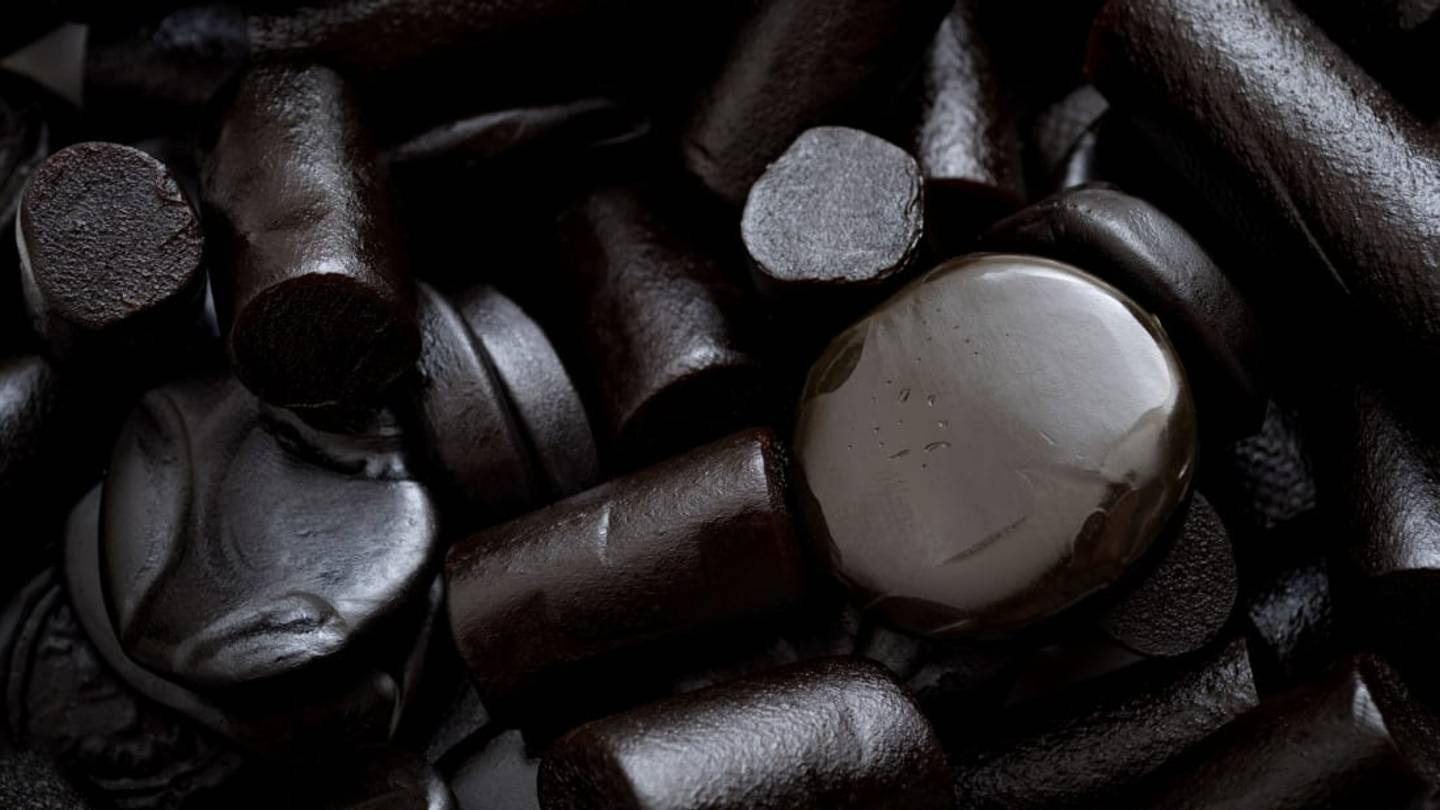
Black licorice has always been the candy aisle’s mysterious uncle: dark, old-fashioned, strongly flavored, and somehow both loved and avoided with equal passion. For many people, it is a harmless nostalgic treat. For others, it tastes like a dare. But in rare cases, eating too much real black licorice can do something far more dramatic than divide a roomit can disturb the body’s chemistry enough to trigger a medical emergency.
That is exactly why the story of a man who died after eating large amounts of black licorice shocked readers across the United States. The case was unusual, but it was not imaginary, exaggerated, or based on internet folklore. The danger comes from a natural compound in licorice root called glycyrrhizin, also known as glycyrrhizic acid. In high amounts, glycyrrhizin can lower potassium, raise blood pressure, disrupt fluid balance, and set the stage for dangerous heart rhythm problems.
This does not mean one licorice twist is a tiny black lightning bolt aimed at your heart. Moderation matters. The real warning is about repeated, heavy intakeespecially in adults over 40, people with heart disease, high blood pressure, kidney problems, or those taking certain medications. In other words, black licorice is not evil. It simply deserves more respect than the average gummy bear.
What Happened in the Fatal Black Licorice Case?
The widely reported case involved a 54-year-old man who experienced sudden cardiac arrest after regularly eating large amounts of black licorice candy. Medical investigators connected the event to severe potassium depletion and the effects of glycyrrhizin. The man had reportedly switched from fruit-flavored candy to black licorice and had been eating several bags over a period of weeks.
Doctors found that his potassium level was dangerously low. Potassium is an electrolyte that helps muscles, nerves, and the heart’s electrical system work properly. When potassium drops too far, the heart can become electrically unstable. That instability can lead to arrhythmias, which are abnormal heart rhythms. In the worst cases, an arrhythmia can become life-threatening.
The case is alarming because the trigger was not an exotic chemical or a mysterious toxin from a laboratory. It was a familiar candy. But the phrase “too much” is doing a lot of work here. This was not a normal serving after dinner. It was heavy, repeated intake in the setting of a poor overall diet and other risk factors. Still, it serves as a powerful reminder that natural compounds can have real biological effects.
The Science: Why Black Licorice Can Affect the Heart
Glycyrrhizin Is the Key Compound
Real black licorice is flavored with extract from the root of the Glycyrrhiza glabra plant. That root contains glycyrrhizin, a compound far sweeter than table sugar and responsible for much of licorice’s distinctive taste. Glycyrrhizin is not automatically dangerous in small amounts, but when consumed heavily or over time, it can interfere with how the body regulates cortisol, sodium, potassium, and water.
Here is the short version: glycyrrhizin can block an enzyme called 11-beta-hydroxysteroid dehydrogenase type 2. That enzyme normally helps keep cortisol from overstimulating mineralocorticoid receptors. When the enzyme is inhibited, cortisol can act more like aldosterone, a hormone that tells the body to hold onto sodium and water while losing potassium. The result can look like a hormone disorder, even though the source is dietary.
That chain reaction can cause a condition sometimes called licorice-induced pseudoaldosteronism or apparent mineralocorticoid excess. The name sounds like it escaped from a medical textbook wearing a lab coat, but the effects are easier to understand: blood pressure can rise, fluid can build up, potassium can fall, and the heart may become vulnerable to rhythm disturbances.
Why Low Potassium Is So Dangerous
Potassium is one of the body’s main electrical minerals. Your heart depends on a steady balance of potassium to keep each beat organized. When potassium is too low, the heart’s electrical signals may misfire. That can lead to palpitations, weakness, muscle cramps, fatigue, or more serious rhythm problems.
Severe hypokalemia, the medical term for very low potassium, can be especially dangerous for people who already have heart disease, take certain medications, eat a low-nutrient diet, or have kidney issues. Since the heart is basically an electrical pump with very strong opinions about mineral balance, pushing potassium too low is like asking a marching band to perform during an earthquake.
How Much Black Licorice Is Too Much?
The U.S. Food and Drug Administration has warned that for people age 40 and older, eating about two ounces of black licorice a day for at least two weeks could potentially cause an irregular heart rhythm. Two ounces is not an impossible amount. Depending on the product, it may be only a few pieces or a small handful. That is why people who snack on black licorice daily should pay attention to portion size.
There is no perfect universal “safe dose” because products vary. Some black licorice candies contain real licorice extract; others are flavored mostly with anise oil, which tastes similar but does not contain the same glycyrrhizin load. Supplements, teas, lozenges, tobacco flavorings, herbal products, and imported candies may also contain licorice-derived compounds.
Individual sensitivity also matters. One person may tolerate occasional licorice without trouble, while another may develop blood pressure or potassium changes at lower levels, especially with other health risks. That variability is why the smartest approach is simple: enjoy black licorice occasionally, avoid daily heavy intake, and treat licorice supplements with the same caution you would give any biologically active product.
Who Should Be Extra Careful With Black Licorice?
Some people should be especially cautious with real black licorice and licorice root products. This includes adults over 40, people with high blood pressure, heart rhythm problems, heart failure, kidney disease, liver disease, or low potassium. Pregnant people are also generally advised to avoid large amounts of licorice and licorice supplements.
Medication interactions are another concern. Licorice may interact with diuretics, blood pressure medications, corticosteroids, digoxin, blood thinners, and some hormone-related medications. Diuretics are particularly important because some of them already lower potassium. Add heavy licorice intake to that situation, and potassium may drop faster than expected.
Anyone who takes regular prescription medication should ask a healthcare professional before using licorice root supplements or drinking licorice tea every day. Candy may seem casual, but concentrated herbal products are a different story. “It’s natural” is not the same as “it cannot affect my body.” Poison ivy is natural, too, and nobody invites it to a picnic.
Symptoms That May Signal a Problem
Too much licorice can cause symptoms related to high blood pressure, low potassium, and fluid imbalance. Warning signs may include muscle weakness, unusual fatigue, swelling, headaches, irregular heartbeat, heart palpitations, shortness of breath, or feeling faint. Some people may not notice symptoms until the imbalance is already significant.
If someone has been eating a lot of black licorice and develops an irregular heartbeat, severe weakness, chest discomfort, fainting, or trouble breathing, that should be treated as urgent. Stop eating the licorice and seek medical care. This is especially important for older adults and anyone with a known heart or kidney condition.
For less severe concerns, such as noticing higher blood pressure after adding licorice tea or candy to a daily routine, it is still wise to check in with a clinician. Blood pressure and potassium levels can be measured, and stopping licorice often helps reverse the problem when it is caught early.
Not All “Black Licorice” Is the Same
One confusing detail is that not every black licorice-flavored candy contains real licorice root. Some candies in the United States use anise oil for flavor. Anise has a similar taste but does not carry the same glycyrrhizin-related risk. That means two products that look nearly identical may have very different effects.
To know what you are eating, read the ingredient list. Look for terms such as “licorice extract,” “licorice root,” “Glycyrrhiza,” “glycyrrhizin,” or “glycyrrhizic acid.” If the label mentions only anise flavor, anise oil, or artificial flavor, the product may not contain meaningful licorice root. However, labels are not always crystal clear, especially with imported candies, supplements, teas, and herbal blends.
Deglycyrrhizinated licorice, often called DGL, is another category. DGL products have had much of the glycyrrhizin removed and are marketed for digestive support. Even then, supplements should be used carefully because quality, dose, and ingredients can vary. A casual candy habit and a supplement routine are not the same thing.
Why This Story Went Viral
The black licorice death story spread widely because it feels so unexpected. People are used to hearing warnings about smoking, alcohol, ultra-processed diets, or reckless behavior. But candy? Candy is supposed to be the thing you regret only when your dentist looks disappointed.
The story also went viral because it sits at the intersection of everyday life and hidden biology. It reminds us that foods contain chemicals, and chemicals can interact with the human body in powerful ways. Caffeine wakes us up. Grapefruit can affect medication metabolism. Alcohol affects the brain and liver. Licorice root affects hormone-like pathways that influence blood pressure and potassium.
That does not mean people should become afraid of food. It means the dose, frequency, product type, and personal health context all matter. Occasional black licorice is not the same as eating bags of it every day. A holiday treat is not the same as a daily supplement habit. The line between “interesting flavor” and “medical problem” is usually crossed through repetition.
Practical Safety Tips for Licorice Lovers
1. Keep Portions Reasonable
If you enjoy black licorice, treat it like a strong-flavored candy, not a food group. Occasional small servings are unlikely to harm most healthy adults. Daily heavy consumption is where the concern grows.
2. Read Labels Carefully
Check whether the product contains real licorice root or is flavored with anise. This is especially useful if you have high blood pressure, heart concerns, kidney disease, or take medication.
3. Be Careful With Licorice Tea and Supplements
Licorice root tea, capsules, extracts, and lozenges may deliver glycyrrhizin more consistently than candy. Do not assume that an herbal product is automatically gentle. Ask a healthcare professional before using it regularly.
4. Watch for Medication Interactions
If you take diuretics, heart medications, blood pressure drugs, corticosteroids, or blood thinners, licorice may not be a good match. A pharmacist can help identify possible interactions.
5. Listen to Your Body
Unusual weakness, swelling, palpitations, or a suddenly higher blood pressure reading after frequent licorice intake should not be ignored. Your body may be sending a memo, and unlike office memos, this one deserves immediate attention.
Experience Section: What This Story Teaches Everyday Eaters
The black licorice case teaches a useful lesson that goes beyond candy: everyday habits can quietly become health risks when nobody is counting. Most people do not think of candy in terms of chemistry, hormones, or electrolytes. They think, “I like this, I bought it, and it is sitting within arm’s reach.” That is how a snack can become a routine before anyone notices.
Imagine a person who keeps a bag of black licorice in the car. At first, it is just a commute treat. A few pieces on Monday. A few more on Tuesday. Then the bag becomes part of the drive, like the radio or complaining about traffic. By Friday, that person may have eaten far more than intended. If they repeat that pattern for weeks, especially with real licorice extract, the body may begin responding in ways that are not obvious right away.
This is why portion awareness matters. It is not about panic; it is about noticing patterns. A small dessert after lunch is different from grazing all day. A holiday candy bowl is different from a daily bag. When food is strongly flavored, salty, sweet, or chewy, it can be surprisingly easy to keep reaching for more. Licorice has another trick: people who love it often really love it. There are casual fans, and then there are licorice loyalists who defend it like a family member.
Another practical experience is label reading. Many shoppers assume all black licorice is made the same way, but it is not. Some products contain actual licorice extract, while others rely on anise flavor. Someone with high blood pressure may decide to avoid real licorice but still enjoy an anise-flavored candy occasionally. That small label check can turn a vague fear into an informed choice.
The story also highlights how important diet quality is. The fatal case involved heavy candy intake and a poor overall diet. A balanced diet with enough potassium-rich foodssuch as fruits, vegetables, beans, and potatoessupports normal electrolyte balance. However, food alone is not a license to overdo glycyrrhizin. A banana is not a magic shield against a mountain of licorice. Still, overall nutrition can influence resilience.
For families, this topic is a helpful reminder to talk about moderation without turning snacks into villains. Saying “black licorice can affect potassium if someone eats a lot every day” is more useful than saying “black licorice is poison.” The first statement teaches judgment. The second creates unnecessary fear and may not be accurate for normal occasional intake.
For older adults, the lesson is even more important. Many people develop high blood pressure or take medications as they age. A candy habit that seemed harmless at 25 may deserve a second look at 55. This does not mean life becomes joyless and snack-free. It means the body’s rulebook changes, and the snack cabinet should occasionally get audited.
Ultimately, the best experience-based advice is simple: enjoy treats intentionally. Put a serving in a bowl instead of eating from the bag. Avoid making real black licorice a daily habit. Check labels. Ask a pharmacist about medication interactions. And if your body starts acting strange after a new food or supplement routine, connect the dots early. Sometimes the clue is not hidden in a hospital chart. Sometimes it is sitting in the candy drawer, wearing a shiny black wrapper.
Conclusion: Should You Be Afraid of Black Licorice?
No, most people do not need to fear an occasional piece of black licorice. But the fatal case shows that real licorice can be biologically powerful when eaten in large amounts over time. Glycyrrhizin can lower potassium, raise blood pressure, and trigger dangerous heart rhythm problems in vulnerable people.
The smartest takeaway is moderation. If you are over 40, have high blood pressure, heart disease, kidney disease, low potassium, or take regular medications, be extra cautious with black licorice, licorice root tea, and licorice supplements. When in doubt, check the label and ask a healthcare professional.
Black licorice is not just candy with a dramatic personality. It is candy with chemistry. Enjoy it wisely, and it can remain what it should be: a quirky treat, not a medical plot twist.