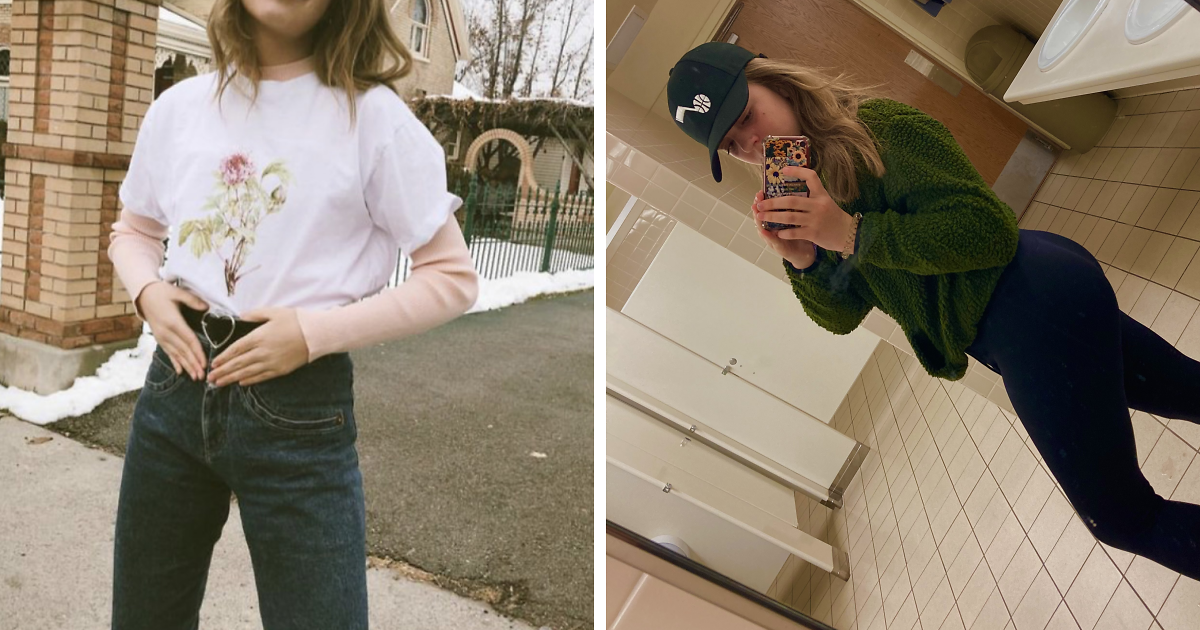
Some prompts on the internet are simple, and that is exactly why they work. “Hey Pandas, show me your outfit for today” sounds casual, almost throwaway, like something you’d type while waiting for coffee or pretending to answer emails. But behind that playful little question is a bigger story about personal style, self-expression, confidence, comfort, and the daily comedy of standing in front of a closet like it contains advanced algebra.
Today’s outfit is never just today’s outfit. It is mood, weather, schedule, personality, energy level, laundry status, and one tiny act of self-definition before the world starts making demands. Some people reach for a blazer and jeans because they want structure. Some choose a soft knit set because life is hard and the pants should not be. Some throw on sneakers, a crisp button-down, and gold hoops and magically look like they have a very strong opinion about olive oil. That is the beauty of outfit culture: it is practical, creative, and a little theatrical in the best possible way.
If you have ever posted an outfit of the day, snapped a mirror selfie, or quietly admired someone who made “white tee and trousers” look like a lifestyle rather than a last-minute decision, you already understand the appeal. Everyday fashion is less about chasing every trend and more about building a look that feels like you. And when you do it well, even a basic outfit can say, “Yes, I do know what I’m doing,” whether or not that is technically true.
Why This Prompt Feels So Addictive
The reason “show me your outfit for today” resonates is simple: people love seeing how real style works in real life. Runway looks can be inspiring, but everyday outfits are useful. They answer the questions most of us actually have. What do you wear when the weather cannot commit? How do you look pulled together without looking overdressed? How do you make basics feel intentional instead of accidental? And perhaps most importantly, how do you get dressed without turning it into a full-contact sport?
Outfit-sharing culture has become a modern style notebook. It lets people trade ideas without needing a fashion degree or a celebrity stylist on speed dial. One person shows how a trench coat sharpens up denim. Another proves loafers can rescue an otherwise sleepy outfit. Someone else reminds the world that a matching set is what happens when comfort and coordination decide to become best friends. These little outfit snapshots build a collective library of everyday fashion inspiration.
There is also a psychological reason outfit sharing feels so powerful. Clothing does not just decorate the body; it can influence how we feel and how we move through the day. When an outfit matches our intention, whether that intention is polished, relaxed, playful, or quietly confident, it can help us feel more aligned. In other words, your favorite jacket is not solving all your problems, but it may help you face them with better posture.
What Makes a Great Outfit Today?
A great outfit for today does not need to be expensive, dramatic, or trend-choked. It usually comes down to four things: comfort, clarity, balance, and personality. If an outfit has those four ingredients, it already has a fighting chance.
1. Comfort That Does Not Look Like You Gave Up
Comfort is not laziness. It is strategy. Clothes that allow you to move, sit, walk, layer, and breathe tend to get worn more often, which makes them more valuable than the “special” item sitting in the closet waiting for a formal invitation from destiny. Soft denim, relaxed trousers, cotton tees, knits, loafers, sneakers, and easy jackets earn their reputation because they work. The best everyday outfits often start with one comfortable base piece and build upward.
2. A Clear Style Direction
Most memorable outfits have a point of view. That does not mean they scream for attention. It just means they know what they are doing. Maybe the direction is minimal and clean. Maybe it is sporty and bright. Maybe it is classic with one quirky twist, like a striped sweater with wide-leg pants and a cherry-red bag. An outfit becomes stronger when it chooses a lane, even if that lane is “effortless but suspiciously well thought out.”
3. Balance Between Basics and Interest
Wardrobe essentials matter because they create the frame. Jeans, button-down shirts, white tees, blazers, trench coats, loafers, flats, knitwear, tailored trousers, and simple dresses keep showing up in style advice for a reason: they mix well, wear well, and make outfit-building easier. But basics alone can feel flat. That is where interest comes in. A textured bag, oversized shirt, layered jewelry, playful socks, structured coat, or unexpected color can make the outfit feel alive.
4. Personality, Even in Small Doses
You do not need a neon feather cape to show personality. Sometimes personality is just a silver cuff, a favorite vintage watch, a perfectly broken-in leather jacket, or sneakers that say, “I may be practical, but I also have taste.” Personal style is not built from costume-level effort. It is built from repeated small choices that feel natural over time.
Easy Outfit Formulas That Work Again and Again
One of the smartest ways to get dressed is to rely on outfit formulas. These are not rules; they are shortcuts. Think of them as reliable sentence structures for style. You still choose the words, but the grammar helps.
Blazer + Jeans + Simple Top
This is the patron saint of looking polished in under five minutes. The blazer adds shape, the jeans keep things grounded, and the simple top prevents the outfit from becoming too busy. Finish with loafers, flats, ankle boots, or clean sneakers. It works for lunch, meetings, errands, and those days when you want to look like your life is organized even if your browser has 47 tabs open.
White T-Shirt + Tailored Trousers
This formula is clean, modern, and unfairly effective. It proves that style does not always require complexity. Add a belt, a shoulder bag, and a low-profile shoe, and suddenly your “basic” outfit has entered the chat looking expensive.
Midi Dress + Loafers or Sneakers
This combination lives in that sweet spot between ease and intention. A midi dress brings movement, while loafers sharpen it and sneakers relax it. Add a denim jacket, cardigan, or trench depending on the weather. The result is approachable, versatile, and comfortable enough to survive a full day.
Button-Down Shirt + Relaxed Jeans
There is a reason button-down shirts never fully leave the style conversation. They can be crisp, oversized, tucked, untucked, layered, or half-buttoned with a tank underneath. Paired with relaxed jeans, they create that effortless vibe people spend a surprising amount of time trying to manufacture.
Matching Set + Minimal Accessories
A matching set is the cheat code of modern dressing. It removes the guesswork while still looking intentional. Knit sets, soft suiting sets, and coordinated lounge-inspired pieces are especially useful when you want comfort without sacrificing structure. Add one clean shoe and a simple accessory, and the look is done.
How to Build Today’s Outfit Without Overthinking It
When you are not sure what to wear, use a three-step method.
Start With the Day You Actually Have
Dress for your real schedule, not your fantasy schedule. If your day includes commuting, class, meetings, grocery runs, and a café stop, your outfit should support all of that. There is no prize for suffering in impractical shoes just because they looked charming during a two-minute mirror moment.
Pick One Anchor Piece
Choose one item that sets the tone. It might be wide-leg trousers, a striped sweater, a leather jacket, a linen shirt, or a favorite pair of jeans. Once that piece is decided, everything else can support it. This is one of the fastest ways to reduce decision fatigue.
Finish With One Intentional Detail
Most outfits become better with one finishing move. Maybe it is a watch. Maybe it is a structured tote, a tucked hem, a layered necklace, a baseball cap, or socks that coordinate with the sweater. That one detail tells people the outfit happened on purpose.
The Unsung Heroes of Everyday Style
Let us take a moment to appreciate the workhorses of the wardrobe. The white tee. The dark jeans. The trousers that do not wrinkle the second you think stressful thoughts. The black loafers. The knit that layers under a coat without turning you into a walking duvet. These pieces may not always win “most exciting,” but they deserve trophies for service.
Capsule wardrobe thinking has become so popular because it respects this truth. You do not need a closet full of chaos to create strong outfits. You need a dependable core of mix-and-match pieces, plus a few items that add flavor. A useful closet is less about sheer quantity and more about versatility. If one piece works with five other things, it earns its place. If it only works on alternate Thursdays under a full moon, maybe not.
Fabric matters here too. Cotton, linen, quality denim, wool blends, and substantial knits often make everyday outfits easier because they offer comfort and structure. Texture also adds depth. A simple neutral outfit can feel much richer when it mixes smooth cotton, crisp poplin, soft knitwear, and sturdy leather. Style is often less about buying louder things and more about choosing better-feeling ones.
Layering: Because the Weather Is Clearly Freelancing
Layering is what saves modern outfits from unpredictable weather and bland results. A tank under an oversized shirt, a fine knit under a blazer, a trench over a hoodie, a cardigan over a slip dress, a jacket tied over the shoulders for when the morning lies to you about the afternoon: this is where function meets style.
The trick is to vary shape and weight. If the base is fitted, the top layer can be looser. If the pants are relaxed, the upper half can be more refined. If the colors are simple, bring in interest through texture. Layering works best when it looks intentional, not like you lost a fight with the coat rack.
Why Outfit Choices Can Change Your Mood
One reason daily outfits matter is that clothing can influence perception and mindset. Researchers have explored how the symbolic meaning of clothes can affect thoughts and behavior, while broader work on person perception shows that dress is part of how people interpret one another. That does not mean clothes define your worth. It means what you wear can become part of how you express intention, identity, and confidence.
This explains why certain outfits feel empowering. It is not vanity. It is alignment. When your outfit matches how you want to show up, you often feel steadier. That might mean a clean monochrome look on a busy workday, bright sneakers on a low-energy morning, or a soft cardigan and straight-leg jeans when you want comfort without looking sleepy. Style is not only visual; it is emotional logistics.
Care Matters: Great Outfits Deserve Basic Maintenance
Even the best outfit loses some magic if your clothes are crushed, stretched, or mysteriously carrying the memory of three previous Tuesdays. Good garment care is not glamorous, but it keeps outfits looking intentional. Read care labels. Remove clothes promptly from the washer to reduce wrinkles. Air-dry when needed. Fold knits instead of hanging them into sadness. Keep shoes clean. Steam shirts before declaring them “not the vibe.” Sometimes the issue is not the outfit. Sometimes the issue is that the outfit needs ten minutes and a lint roller.
So, What Would a Great “Outfit for Today” Look Like?
It depends on the day, of course, but here are a few believable, wearable examples.
The polished casual look: relaxed blue jeans, white tee, navy blazer, black loafers, small leather tote, simple watch. Clean, easy, impossible to hate.
The soft minimal look: cream knit top, wide-leg trousers, ballet flats, light trench, delicate jewelry. Quietly elegant, like someone who always remembers to charge their phone.
The sporty city look: straight-leg pants, fitted tank, zip jacket, retro sneakers, baseball cap, crossbody bag. Ready for movement, coffee, and possibly pretending you enjoy stairs.
The creative casual look: striped button-down, loose denim, colorful socks, chunky loafers, oversized tote. Relaxed but smart, with just enough edge to say you notice details.
The low-effort hero look: matching knit set, clean sneakers, sunglasses, structured bag. The fashion equivalent of answering a difficult question with suspicious calm.
Experiences That Prove Everyday Outfits Actually Matter
One of the funniest things about outfit culture is how often the “best” outfits are not the loudest ones. They are the ones tied to a moment. The jeans you wore on a day that went surprisingly well. The coat that made a rainy commute feel cinematic instead of annoying. The soft sweater you reached for during a hectic week because it felt like wearable reassurance. Clothes become little markers of memory, which is part of why people love sharing them.
I have seen people describe a plain white shirt and black pants as their “reset outfit,” the look they wear when life feels cluttered and they want to begin again. I have seen others swear by a specific pair of sneakers because they make every outfit feel younger, lighter, and more energetic. Someone else calls their oversized blazer the “instant adult” piece, because it turns even a simple tank and jeans into something that feels capable. These are not just styling tricks. They are daily rituals in fabric form.
There is also something deeply human about outfit experimentation. A person tries loafers after years of wearing only sneakers and suddenly realizes they love sharper silhouettes. Another adds color after living in black for months and feels more visible in a good way. Someone cleans out a crowded closet, keeps the pieces they truly wear, and discovers that getting dressed becomes easier when the wardrobe reflects real life rather than guilt, fantasy, or sale-induced chaos.
Even outfit mishaps have their place in the story. The jacket that looked cool until noon and became too warm by 12:07. The shoes that were “totally fine” until block six. The layered look that worked beautifully indoors and then met a strong wind and a different destiny outdoors. These experiences do not make style less meaningful. They make it more honest. Personal style is not built in perfect conditions. It is built in daily use, small corrections, and repeated attempts to balance taste with reality.
That is why prompts like “Hey Pandas, show me your outfit for today” feel so lively. They invite people to share not just clothes, but context. What are you wearing, yes, but also who are you today? Are you bold today? Comfortable today? Experimental today? Quietly stylish today? Running-on-coffee today? The outfit becomes the first answer.
And honestly, that is what makes everyday fashion fun. It does not require a special event. It does not require permission. It simply asks you to notice yourself a little more. To build a look that helps you move through the day with ease, character, and maybe even a little delight. Some days that means a trench coat and loafers. Some days it means a tee, soft pants, and the refusal to apologize. Both count. Both are style. Both tell the truth.
So if someone asks to see your outfit for today, do not panic. Show the jeans. Show the knit. Show the sneakers, the tailored trousers, the oversized shirt, the rings, the tote, the jacket you always reach for, the color you suddenly started loving, the formula you repeat because it works. Style does not have to shout to be memorable. Sometimes it just has to feel right when you put it on in the morning and slightly smug when you catch your reflection later.
That, in the end, is the secret of a good outfit today: it supports your life, reflects your taste, and gives the day a little shape. And if it also makes you feel like the main character while buying toothpaste, even better.
Conclusion
“Hey Pandas, show me your outfit for today” is more than a cute question. It is a window into how people build confidence, creativity, and comfort into ordinary moments. The best outfit ideas are not the ones that demand a whole new identity. They are the ones that help you look like your most recognizable self. Start with strong basics, add one intentional twist, dress for your real day, and remember that outfit repeating is not a failure. It is proof that you found something that works.