When your front door opens straight into the living room, it can feel like guests have skipped the movie trailer and walked right into the main feature. No dramatic pause. No graceful entrance. No stylish place to toss keys without them landing somewhere between a throw pillow and your sanity.
The good news is that you do not need a grand hallway, a sweeping staircase, or the budget of someone who says things like “We summer in Nantucket” to create a foyer. You just need a little strategy. A foyer is less about square footage and more about signals. It tells people, “Yes, this is where you arrive. Yes, I intended for this to look nice. No, that pile of shoes is not modern sculpture.”
In an open living room, the goal is to carve out an entry zone that feels intentional, welcoming, and practical without chopping up the whole space. That means using furniture, rugs, lighting, storage, and visual cues to create a soft boundary. Think of it as giving your front door a proper handshake.
Why a Foyer Matters in an Open Living Room
A well-styled entry area does three important jobs. First, it creates a landing strip for everyday life: keys, bags, shoes, umbrellas, and all the little items that mysteriously multiply near doors. Second, it helps control visual clutter, which is especially important in open-concept homes where everything is visible all at once. Third, it sets the tone for the rest of the home. Your entry says, “Here’s the vibe,” before your sofa even gets a chance.
Now let’s get into the fun part: the styling moves that make a faux foyer feel real.
14 Styling Tips to Create a Foyer in an Open Living Room
1. Start with a Rug That Defines the Drop Zone
If you only do one thing, start with a rug. A rug visually anchors the entry area and tells the eye, “This part of the room has a job.” In an open living room, that simple move can instantly separate the entrance from the seating zone without building a wall or creating weird furniture traffic.
Choose a rug or runner that is durable, easy to clean, and large enough to feel intentional. Tiny mats often look like an afterthought. A patterned runner, a low-pile flatweave, or a textured natural-fiber rug works beautifully. Bonus points if it can survive muddy shoes, wet paws, and whatever mystery the weather brings in.
2. Add a Console Table for Instant Foyer Energy
A console table is the unofficial mayor of the entryway. It defines the space, gives you a practical landing surface, and makes the entry feel decorated on purpose. In an open living room, a slim console table can be enough to create a foyer where none existed before.
Look for a narrow piece so you do not crowd the walkway. If the entry is especially tight, try a floating shelf or a wall-mounted console. If you need more function, choose a console with drawers or shelves below. That way your entry can look calm even when life is doing cartwheels.
3. Hang a Mirror to Bounce Light and Expand the Space
Mirrors are one of the oldest design tricks because they work. In an open living room foyer, a mirror helps brighten the entrance, reflects natural light, and makes the area feel larger and more polished. It also gives you one last chance to check your hair before you face the world like the brave soul you are.
A round mirror softens a room full of straight lines. A tall vertical mirror draws the eye upward and adds height. If your style leans more modern, try a simple black-framed mirror. If you want warmth, go for wood, brass, or vintage-inspired detailing.
4. Use Lighting to Mark the Entry Zone
Lighting is one of the fastest ways to make a makeshift foyer feel deliberate. A table lamp on a console, a wall sconce, or a pendant above the entry area helps separate the zone from the rest of the open room. It creates mood, adds warmth, and stops the entrance from feeling like a random patch of floor by the door.
In homes with high ceilings, a dramatic pendant can turn a plain entrance into a moment. In smaller spaces, a lamp and soft bulb can make the area feel welcoming without taking over. Think of lighting as the design equivalent of saying, “Please come in, we have snacks.”
5. Float Furniture to Create a Natural Boundary
In an open layout, furniture placement does a lot of heavy lifting. One of the smartest ways to create a foyer is to float a sofa or pair of chairs so they help separate the entry from the living area. This creates a subtle architectural boundary without adding an actual divider.
The back of a sofa can act like an invisible wall, especially if the front door opens directly into the room. Add a console behind the sofa and suddenly the space feels organized, layered, and very much like you know what you are doing. Which you do now.
6. Bring in a Bench for Function and Comfort
A bench makes any entry feel more complete. It gives people a place to sit while pulling on shoes, dropping a bag, or pretending they are not late. In an open living room, a small bench can also help define the foyer without making the area feel heavy.
Wood benches add warmth. Upholstered benches soften hard surfaces. Storage benches are overachievers and should be respected accordingly. Just make sure the bench size fits the scale of the entry so it feels useful instead of like a gymnasium bleacher wandered indoors.
7. Add Hooks or a Coat Rack, But Keep It Edited
Every entry needs a home for coats, bags, and hats. Wall hooks, a peg rail, or a compact coat rack can instantly make the space more useful. This is especially important in an open living room, because when things do not have a place to go, they end up everywhere your guests can see them.
The key is restraint. A few hooks look organized. Twenty-seven hooks stuffed with jackets look like your wall has given up. Keep only the daily essentials out in the open, and store overflow elsewhere.
8. Use Baskets and Closed Storage to Hide the Chaos
Open-concept living is lovely until your mail, dog leash, reusable grocery bags, and five unmatched shoes join the conversation. That is why good storage is not optional. A few baskets, a drawer, a cabinet, or a lidded box can help contain the mess that tends to gather near the door.
Mix open and closed storage for the best result. A basket for shoes is handy, but too much open storage can make an entry look busy. Hide the less attractive items behind doors or in drawers, and keep only the pretty or practical pieces visible.
9. Create a Visual Backdrop with Wall Treatment or Art
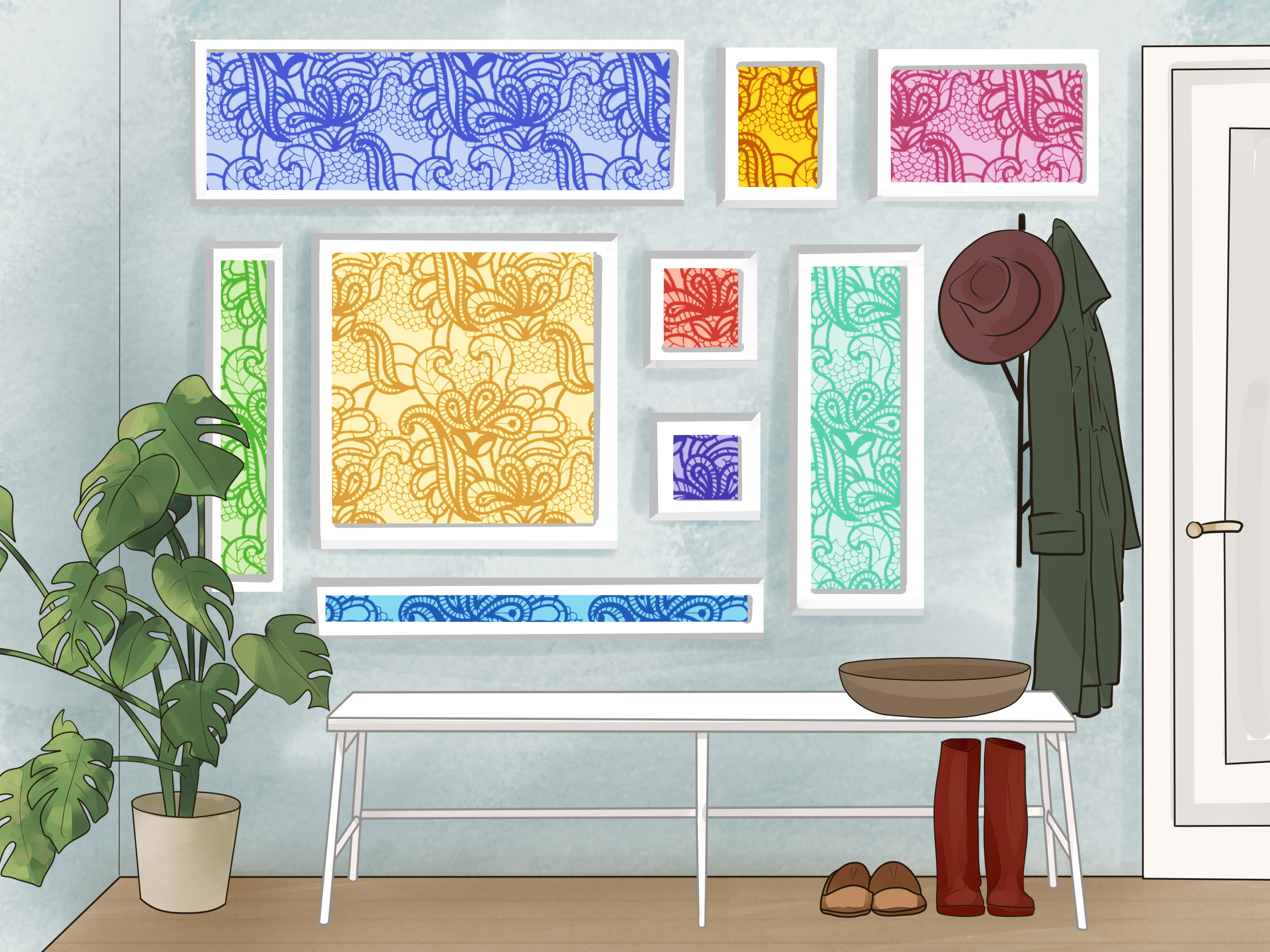
If your entry blends too much into the living room, give it a backdrop. Wallpaper, paint, paneling, a gallery wall, or one oversized piece of art can visually announce, “This is the foyer.” It adds personality and helps the entry feel like a destination rather than a leftover corner.
Even painting just the wall around the door or the inside of the front door can make a difference. It is a small move with big payoff, especially if you want the entry to feel distinct without introducing more furniture.
10. Try a Divider That Still Lets the Room Breathe
If you need more separation, use a room divider that does not block all the light. A folding screen, open bookcase, slatted partition, glass divider, or even soft drapery can create structure without making the room feel boxed in.
This works especially well in large open living rooms where the front door opens right into the main seating area. The trick is to choose something airy and intentional, not something that makes the room look like it is going through an awkward breakup.
11. Layer in Greenery for Height and Softness
A tall plant can do wonders in an open entry. It fills an empty corner, softens the edges of furniture, and helps shape the boundaries of the foyer naturally. Plants are especially helpful when the space needs definition but does not have enough room for another table or cabinet.
Choose a sturdy plant that can handle the light conditions near your door. A snake plant, olive tree, ficus, or faux option can all work. No judgment if your favorite plant is the kind that never dies because it was never alive to begin with.
12. Keep the Walkway Clear and Obvious
A stylish foyer should also be easy to move through. One common mistake in open living rooms is crowding the entry with furniture that looks nice but makes getting in and out feel like an obstacle course. Your goal is a clear path from the front door into the home.
Measure carefully before adding tables, benches, or baskets. Keep enough space for the door to swing, for people to remove shoes comfortably, and for traffic to flow into the room. Good design is beautiful, but good design that lets you carry groceries inside without performing yoga is better.
13. Echo Your Living Room Style So It Feels Connected
Your faux foyer should feel distinct, but it should not look like it belongs to another house. Repeat colors, materials, and shapes from the living room so the transition feels natural. If your living room has black accents, bring in a black-framed mirror. If it leans coastal, use woven baskets and light wood. If it is traditional, a classic chest or antique-style lamp will feel right at home.
This balance is what makes the foyer feel like a designed zone rather than a random furniture pile next to the front door. Cohesion is the secret sauce.
14. Style the Surface, But Do Not Overstyle It
Once the practical pieces are in place, style your entry with a little intention. A lamp, catchall tray, stack of books, candle, vase of branches, or framed photo can make the space feel warm and personal. But keep it edited. Entry tables collect clutter fast, and overdecorating them is like inviting chaos to move in rent-free.
A good formula is one taller item, one medium decorative item, and one practical item like a tray or bowl. Enough personality to feel welcoming, not so much that your keys have nowhere to land.
Common Mistakes to Avoid
When creating a foyer in an open living room, a few pitfalls show up again and again. The first is using furniture that is too bulky. The second is relying only on open storage, which quickly looks messy. The third is skipping lighting, which makes the entry feel like it just accidentally happened.
Another common mistake is forgetting scale. A tiny mat, a mini mirror, or a too-small table can make the entry feel unfinished. Go for pieces that suit the room, even if you only use one or two of them. Fewer, better-sized items almost always look more polished than lots of tiny ones trying very hard.
A Sample Formula for a Foolproof Open Living Room Foyer
If you want an easy blueprint, try this combination: a washable runner, a narrow console table, a round mirror, a table lamp, a basket underneath, and one plant beside the table. Add a catchall tray for keys and one framed piece of art if the wall needs more personality. That is a complete entry setup that feels stylish, practical, and not remotely accidental.
Conclusion
Creating a foyer in an open living room is really about giving the entrance a purpose. You are telling the room where arrival happens, where daily clutter lands, and where the style story begins. With the right mix of layout, lighting, storage, and visual cues, even a front door that opens straight into the living space can feel polished and welcoming.
You do not need a grand entry hall to make a strong first impression. You just need a few hardworking pieces, a little design confidence, and the willingness to stop pretending the shoe pile is “casual charm.” A smart faux foyer can make your entire living room feel more organized, more intentional, and much easier to live in.
Extra Experience-Based Insights: What Actually Happens in Real Homes
Here is the part that glossy photos do not always show: creating a foyer in an open living room is not only about how it looks on day one. It is about whether the setup still works on day sixty-three when someone drops a backpack by the door, a delivery arrives during dinner, and the dog decides the rug is now emotionally important.
In real homes, the best foyer setups are the ones that quietly make life easier. People quickly notice whether there is a place to put keys, whether shoes collect in one zone instead of migrating around the house, and whether guests know where to pause when they walk in. That pause matters. When there is no defined entry, visitors often step too far into the living room before they know where to stand. A rug, console, or bench gently solves that problem without anyone having to announce, “Please stop right here and admire my design choices.”
Another real-life lesson is that durability wins. The prettiest entryway in the world loses some sparkle when the rug cannot handle traffic or the table surface shows every fingerprint like it is keeping records for the federal government. Materials matter. Washable rugs, wipeable finishes, sturdy baskets, and easy-care plants tend to earn their keep over time.
There is also a psychological benefit to a well-defined entry. An open living room can sometimes feel visually busy because everything happens in one shared zone. But once the entrance is organized, the whole room often feels calmer. It is almost unfair how much power one rug and one lamp can have. They are tiny peace negotiators for the house.
People who create successful faux foyers also tend to adjust them after living with them for a few weeks. Maybe the bench is too deep. Maybe the basket should be closer to the door. Maybe the tray needs to be larger because apparently everyone owns more keys than logic can explain. That is normal. Good styling is not a magic trick; it is a process of noticing what your household actually does and then shaping the space around those habits.
The most satisfying transformations usually come from combining beauty with honest practicality. A lovely mirror makes the room brighter, yes, but it also reminds you that you left the house wearing one sock. A stylish console looks elegant, yes, but it also saves your mail from becoming a coffee-table side quest. The design works best when it supports everyday routines instead of fighting them.
So if your open living room currently greets guests with confusion, floating shoes, and a heroic but overwhelmed chair covered in bags, do not panic. That is not a design failure. That is just a room asking for a foyer. Once you give the entrance its own identity, the entire space feels more generous, more organized, and far more welcoming. And honestly, that is the dream: a home that looks good, works hard, and does not make you hide your shoes five seconds before company arrives.
Note: Clean HTML body only. No citation placeholders, source artifacts, or publishing clutter have been included.