Some challenges ask you to run a mile. Others ask you to organize your closet, which is frankly much scarier. This one is better: grab a pencil, open a drawing app, locate the nearest snack, and draw a Neopet.
Whether you remember spending childhood afternoons refreshing pages in Neopia or you simply enjoy colorful fantasy creatures with oversized eyes and suspiciously dramatic accessories, a Neopet drawing challenge is a delightfully low-pressure way to make art. You do not need a studio, expensive supplies, or the confidence of someone who casually says, “I just sketched this in five minutes.” You need curiosity, a few basic shapes, and a willingness to let a tiny digital creature become a tiny paper masterpiece.
This is your invitation, Pandas: draw a Neopet your way. Make it adorable, spooky, glamorous, sleepy, heroic, or deeply concerned about the price of a magical paintbrush. There are no wrong answers here, except perhaps drawing a pet with no snacks nearby.
Why Drawing a Neopet Is Such a Fun Creative Challenge
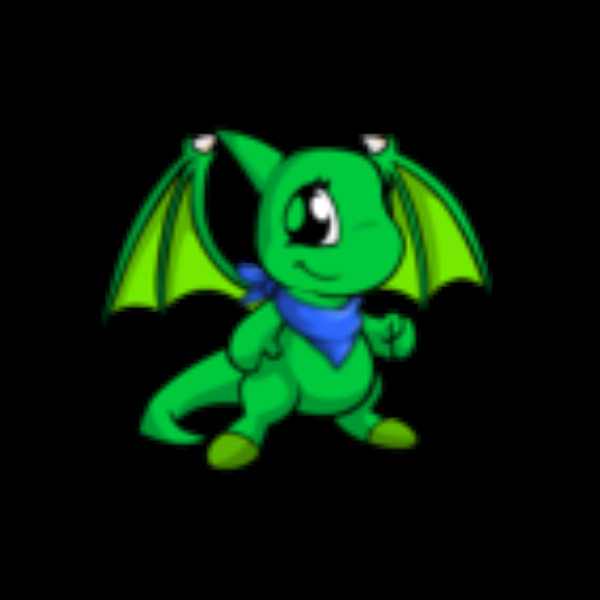
Neopets are ideal drawing subjects because they sit in the sweet spot between familiar and fantastical. They have recognizable animal-inspired features, but they also leave plenty of room for imagination. A Kacheek can look sweet and round. A Draik can look regal and slightly dangerous. A Shoyru can look like it is preparing to launch itself toward the last cookie on the plate.
The official Neopets world is built around adopting, customizing, exploring, and giving pets distinct personalities. That makes a drawing challenge especially flexible. You are not simply copying a character; you are deciding who that character is. Is your Neopet an exhausted librarian? A pirate captain with a very small boat? A pastel bakery owner? A mysterious forest mage who has never once answered a text message on time?
That freedom is the magic. A good Neopet drawing can be polished and detailed, but it can also be a happy little doodle with lopsided ears and one enormous eye. Sometimes the drawings with the most personality are the ones that look slightly chaotic. After all, charm rarely arrives wearing a perfectly symmetrical hat.
Pick Your Neopet Drawing Style Before You Start
You do not have to draw in the official game style. In fact, choosing a style early can make the process easier. Your goal is not to impress an imaginary panel of art judges in tuxedos. Your goal is to create a creature you enjoy looking at.
Classic Cartoon Style
This is the easiest place to begin. Use round shapes, clean outlines, large eyes, and simple facial expressions. Cartoon art works especially well for cute Neopets because it lets you exaggerate the features that make them lovable: fluffy cheeks, oversized paws, tiny teeth, and ears that appear to have their own opinions.
Chibi or Mini Style
Want instant cuteness? Make the head larger than the body. Give your Neopet stubby legs, small paws, and wide eyes. A chibi Neopet looks like it might ask for a cookie, receive the cookie, and then immediately ask for a second cookie.
Fantasy Illustration Style
If you enjoy details, try a more painterly or fantasy-focused approach. Add textured fur, dramatic wings, glowing magical items, or a background that hints at your pet’s story. This style is perfect for Faerie, Darigan, Maraquan, Royal, or elemental-inspired designs.
Funny Meme Style
Not every drawing needs to look like it belongs in a gallery. You can draw a Neopet wearing socks with sandals, holding a tiny spoon, staring into the middle distance, or trying to explain why it absolutely needed another expensive accessory. Humor is a legitimate artistic choice, and it is much cheaper than therapy.
How to Draw a Neopet Step by Step
1. Start With Simple Shapes
Do not begin with eyelashes, armor, glitter, or a complicated cape that will betray you halfway through. Start with circles, ovals, triangles, and bean-like shapes. A round head, oval body, and guide lines for the limbs will give you a strong base.
Think of the body as a collection of simple building blocks. A cute pet might use mostly circles and soft curves. A dragon-like pet may use triangles and longer shapes. A spooky pet may have sharper angles. Shapes quietly communicate personality before you even add a face.
2. Build a Clear Silhouette
A strong drawing should still be recognizable from a distance. Ask yourself: if this character were filled in as a solid black shape, would the ears, wings, tail, horns, or posture still make it interesting?
Give your Neopet one or two standout features. Maybe it has a dramatic tail, a huge scarf, curled horns, giant feathery wings, or a backpack stuffed with mysterious items. Too many competing details can make the design feel busy, so let one feature take center stage while the rest support it.
3. Give the Face a Mood
The face is where your Neopet becomes a character instead of a fancy potato with limbs. Use the eyes, eyebrows, and mouth to decide the mood. Raised brows can suggest surprise. Half-lidded eyes can create a bored or confident expression. A tiny open mouth can make the pet look amazed, hungry, or both.
Try to avoid placing every feature in the exact middle of the face. A slight tilt of the head or uneven eyebrow can make the drawing feel more alive. Perfect symmetry is useful for snowflakes and spreadsheets. Characters benefit from a little weirdness.
4. Add Color With a Plan
Color is where your Neopet can become memorable. Choose a main color, a secondary color, and one accent color. For example, a lavender body, navy clothing, and gold accessories can feel magical. A moss-green body, brown satchel, and orange scarf can feel adventurous.
Try not to use every color in your art set just because they are sitting there looking lonely. A limited palette often makes a drawing look more intentional. Bright accents work best when they have room to shine.
5. Include One Storytelling Detail
Your drawing becomes more interesting when it suggests a story. Add a spell book, a tiny Petpet, a bakery box, a treasure map, a fishing rod, or a cloud-shaped pillow. One object can tell viewers far more than a paragraph of explanation.
For example, a Neopet wearing a chef hat and holding a burned pie is not just a Neopet. It is a culinary disaster with dreams. That is character design.
Creative Neopet Drawing Prompts for Pandas
Sometimes the hardest part of a drawing challenge is choosing what to draw. Here are a few prompts to get your pencil moving:
- Draw a Neopet as the ruler of a tiny floating kingdom.
- Draw your favorite species as a barista making magical hot chocolate.
- Draw a Neopet after it accidentally used the wrong paintbrush.
- Draw a pet dressed for a rainy day in Neopia.
- Draw a pirate Neopet whose treasure map is upside down.
- Draw a sleepy Neopet waking up after a very long nap.
- Draw a royal Neopet trying to act fancy while eating pizza.
- Draw a spooky Neopet who is more frightened than frightening.
- Draw a Neopet and its favorite Petpet on a ridiculous adventure.
- Draw a completely original Neopet-inspired creature with your own species name.
The best prompt is the one that makes you laugh, pause, or immediately picture the scene. Follow that instinct. Art is allowed to be silly. In fact, it often works better when it is.
Digital vs. Traditional: Which Is Better for Neopet Fan Art?
Neither option wins automatically. Traditional art has a cozy, immediate feeling. You can sketch in a notebook, shade with colored pencils, or use markers that smell vaguely like elementary-school optimism. It is also wonderfully forgiving because you can turn an accidental line into fur, a shadow, or an oddly placed magical aura.
Digital art makes revisions easier. You can resize the head, test color palettes, move accessories, and undo the moment when your pet’s wing suddenly becomes the size of a family sedan. Drawing apps can be especially helpful for experimenting with line art, layers, lighting, and backgrounds.
Choose the method that makes you want to continue. A beautiful tablet will not help if it makes you nervous to begin. A basic pencil can create a memorable character if you let it move.
Make Your Neopet Drawing Feel Original
Fan art is most exciting when it reflects your own imagination. Rather than tracing an existing official image, use your favorite species, colors, themes, and personality ideas as inspiration. Change the pose. Invent clothing. Give your pet a job, a favorite snack, a dramatic backstory, or a deeply unnecessary pair of moon boots.
Originality does not mean you have to reinvent every paw, wing, or whisker. It means adding your point of view. Your line work, your color choices, your jokes, and your storytelling details are what make the result yours.
If you plan to sell artwork, use it commercially, or present it as official merchandise, pause first and review the relevant platform rules and intellectual-property policies. Personal fan art and commercial projects can be treated very differently, and fair use is evaluated case by case rather than by a simple universal formula.
Share the Fun, Not the Perfectionism
A “Hey Pandas, Draw A Neopet” challenge works best when people feel comfortable sharing every skill level. Finished digital illustrations are welcome. Five-minute doodles are welcome. A pencil sketch made during lunch is welcome. A creature that started as a Cybunny and accidentally became a haunted loaf of bread is also welcome.
When sharing your drawing, add a tiny caption that tells the character’s story. Maybe your Neopet is named Crumpetfang, a noble wizard who cannot cast spells before coffee. Maybe it is a woodland explorer who has never successfully read a map. A sentence or two gives viewers a reason to smile and makes the artwork more memorable.
Most importantly, compliment the details you genuinely notice in other people’s work. Mention the expressive eyes, the clever pose, the color palette, the funny accessory, or the imaginative background. Communities grow stronger when people celebrate effort rather than only polished results.
A Typical Neopet Drawing Challenge Experience
It often begins with confidence that is, in hindsight, wildly unearned. You think, “I will make a quick little Neopet sketch.” You open your notebook or drawing app, pick a species, and draw one circle. The circle looks fine. It is a circle. Humanity has been making circles for a long time. You are off to an excellent start.
Then you add the ears. One ear is charming. The other ear appears to be drifting toward another time zone. You erase it, redraw it, erase it again, and eventually decide your Neopet is simply turning its head dramatically. This is not a mistake. This is visual storytelling.
Next comes the face. You want the pet to look cheerful, but somehow it looks like it has just received a parking ticket. You adjust the eyes. Now it looks suspicious. You adjust the mouth. Now it looks like it has secrets. Finally, you accept that your Neopet is a mysterious little creature with a complicated inner life, which is honestly more interesting anyway.
Once the basic sketch is finished, the fun begins. You add a scarf. Then a satchel. Then a tiny magical wand. Then you decide the wand needs sparkles. The sparkles need stars. The stars need a night sky. Suddenly your “quick sketch” has become a full fantasy scene with moonlight, dramatic clouds, and a Petpet wearing a very small backpack.
At some point, you may compare your work to an image in your head and feel disappointed. That is a normal part of making art. The picture in your imagination arrives fully polished, while the picture on the page has to survive pencil lines, strange proportions, and your hand briefly smudging graphite across the sky. Be kind to the version on the page. It is doing its best.
The most rewarding moment usually comes later, when you stop trying to make the drawing perfect and start noticing what makes it yours. Maybe the pose is awkward, but the expression is adorable. Maybe the color palette is unusual, but it feels like a real personality. Maybe the wings are too big, but now your Neopet looks capable of delivering mail across three magical kingdoms before breakfast.
Sharing the finished drawing can feel oddly vulnerable, especially if you are new to art. But creative challenges are not talent contests disguised as fun. They are invitations to participate. Your sketch may inspire someone else to pick up a pencil, try a new style, or remember a favorite childhood game. That ripple effect matters more than perfect anatomy.
So draw the Neopet. Draw it messy. Draw it glamorous. Draw it with giant eyes, tiny paws, and a cape that ignores the laws of fabric. Give it a weird name and an even weirder backstory. Then share it with the world, because sometimes the best creative decision is simply deciding that your imaginary pet deserves a portrait.
Final Thoughts: Your Neopet, Your Rules
Drawing a Neopet is not about producing flawless fan art. It is about revisiting imagination, practicing creative skills, and making something that feels personal. Start with a shape. Add a face. Give it a story. Add one ridiculous accessory for emotional support.
Whether you create a polished digital illustration or a slightly chaotic doodle in the corner of a notebook, your artwork belongs in the challenge. Pandas, the world has enough blank pages. Fill one with a Neopet.