The Harold Import – Mortar and Pestle Porcelain Round White is one of those kitchen tools that looks quiet on the counter but secretly wants to improve your food life. It does not blink, beep, charge, update firmware, or ask to connect to Wi-Fi. It simply waits for garlic, peppercorns, herbs, seeds, spices, nuts, or the occasional stubborn cinnamon fragment to enter its little porcelain arena.
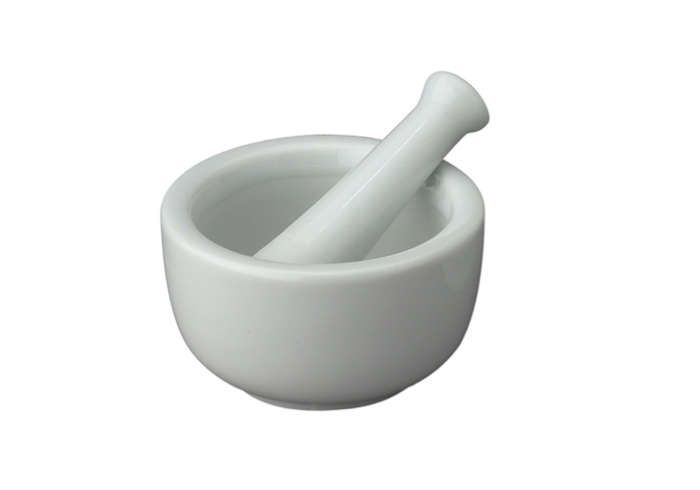
Sold under the HIC Kitchen and Harold Import Company family of kitchen tools, this white porcelain mortar and pestle is typically listed as a compact, round-style mortar with a pouring spout and a matching pestle. Depending on the retailer, you may see it associated with model number NT1051, with approximate mortar dimensions around 4.25 inches wide by 4.75 inches across by 2.5 inches high, and a pestle around 6.5 inches long. It is not trying to replace a giant granite molcajete. Instead, it is the tidy, easy-clean, small-batch grinder for cooks who want more aroma from spices and more character from everyday ingredients.
In other words, this is the kitchen equivalent of a smart, polite friend who always brings something useful to the party and never takes over the playlist.
What Is the Harold Import Porcelain Mortar and Pestle?
A mortar and pestle is one of the oldest food-preparation tools still doing honest work in modern kitchens. The mortar is the bowl. The pestle is the hand-held grinding tool. Together, they crush, grind, bruise, mash, and blend ingredients by pressure and friction. The Harold Import porcelain version keeps the concept simple: a white porcelain bowl, a matching pestle, and a compact footprint that fits comfortably in a home kitchen drawer or on a spice shelf.
The product is often described by retailers as made from fine white porcelain, suitable for grinding ingredients into a paste or powder, and useful for items such as garlic, herbs, spices, peppercorns, cinnamon, nuts, grains, and seeds. Some listings also note that harder items may need to be cracked first before grinding. That is a very practical detail. A peppercorn is small, but it has the personality of a marble when it wants to escape.
The porcelain construction gives this set a clean, bright look. It does not have the rough, lava-stone texture of a Mexican molcajete or the heavy weight of a large granite mortar. That changes how it performs. It is best for small amounts, quick jobs, dry spices, herbal blends, garlic pastes, and controlled grinding where you want cleanliness and convenience more than brute force.
Key Features at a Glance
Fine White Porcelain Construction
Porcelain is hard, smooth, nonporous, and easy to wipe clean. For kitchen use, that matters because strong ingredients can linger. Garlic, cumin, clove, and chili flakes are delicious in dinner but less charming when they haunt tomorrow morning’s tea blend. A porcelain mortar helps reduce odor absorption compared with more porous materials.
Compact Round Bowl Design
The round white bowl shape makes it practical for small grinding tasks. It is not the tool for making a bathtub-sized batch of guacamole for twelve hungry cousins. It is, however, a good size for crushing a teaspoon of fennel seeds, grinding toasted cumin, making a quick garlic-salt paste, or preparing a small herb rub for chicken, fish, vegetables, or roasted potatoes.
Pouring Spout
One of the handiest details is the small pouring spout found on this style of HIC porcelain mortar. After grinding pepper, spices, or a paste-like mixture, the spout helps guide ingredients into a bowl, pan, jar, or measuring spoon. It is a small feature, but small features are how kitchen tools earn rent. No one wants freshly ground coriander scattered across the counter like confetti after a very niche parade.
Matching Pestle
The pestle is long enough to give the user control and leverage. A circular pressing motion works well for softer ingredients, while a firm cracking motion may be needed for harder spices before grinding. The rounded pestle end helps roll, press, and crush ingredients against the mortar surface.
Easy-Care Appeal
Retailer listings commonly describe the set as dishwasher safe, and some also list it as safe for freezer, microwave, oven, and broiler use up to certain temperatures. Still, for long-term care, hand washing is often the gentler habit. A quick rinse and wipe usually does the trick after grinding dry spices or herbs. For oily pastes, warm water and mild dish soap can help, followed by thorough drying.
Why Choose Porcelain Instead of Granite, Marble, Wood, or Metal?
Every mortar and pestle material has a personality. Granite is the heavyweight champion. Marble is elegant and cold to the touch. Wood is traditional and warm but more absorbent. Stainless steel is durable and sleek. Porcelain is the clean, practical minimalist of the group.
The Harold Import porcelain mortar and pestle makes sense when you want a tool that is easy to clean, visually neutral, and useful for small-scale prep. Porcelain does not absorb color and odor as readily as porous stone or wood, so it is especially nice for switching between different ingredients. One day you can grind dried rosemary and coarse salt; the next, you can crush cardamom pods without wondering whether your dessert will taste faintly like last night’s garlic experiment.
The tradeoff is friction. Rough granite and basalt mortars often grip ingredients better, which can make them more powerful for wet pastes, curry pastes, pesto, guacamole, and large batches of salsa. A smoother porcelain mortar may require more patience, especially with round, hard spices that like to jump. The solution is simple: use smaller amounts, start gently, and crack hard spices before grinding them fully.
Best Uses for the Harold Import Porcelain Mortar and Pestle
Grinding Whole Spices
Whole spices hold aroma better than pre-ground spices. When you crush them right before cooking, the oils release and the flavor becomes brighter. Try grinding black peppercorns, cumin seeds, coriander seeds, fennel seeds, cloves, or cardamom seeds. Toasting spices in a dry skillet first can make the aroma even stronger, but let them cool slightly before grinding.
Making Garlic Paste
Add a peeled garlic clove and a pinch of coarse salt to the mortar. Press and rotate the pestle until the garlic breaks down into a paste. This paste blends easily into salad dressings, marinades, soups, sauces, compound butter, or roasted vegetables. It is smoother than minced garlic and less likely to leave big sharp bites in a finished dish.
Crushing Herbs
Fresh herbs can be bruised gently to release aroma. Basil, mint, cilantro stems, rosemary, thyme, and parsley can all benefit from a quick crush. For delicate herbs, do not pound like you are trying to settle an old family argument. Use a rocking and pressing motion.
Making Small Spice Blends
A small porcelain mortar is excellent for quick custom blends. Try cumin, coriander, smoked paprika, garlic powder, black pepper, and salt for roasted vegetables. Or crush fennel seed, chili flakes, oregano, and sea salt for pizza night. Homemade blends taste fresher than dusty jars that have been sitting in the cabinet since the era of questionable haircuts.
Preparing Tea and Infusions
For chai or herbal tea, lightly crush cardamom, cloves, cinnamon, ginger, or mint before steeping. Crushing opens the ingredients and helps release flavor. This is one reason many cooks love mortar-and-pestle work: it turns preparation into a sensory ritual. You smell the spice before you taste it.
Crushing Nuts and Seeds
Small amounts of sesame seeds, mustard seeds, walnuts, almonds, or peanuts can be crushed for toppings, sauces, or garnishes. Because this mortar is compact, work in small batches. If the nuts are large, chop or break them first so the pestle can get traction.
What It Does Best
The Harold Import white porcelain mortar and pestle is best when the job is modest and precise. It shines for small-batch flavor building. If a recipe calls for freshly cracked pepper, a pinch of ground fennel, crushed saffron, garlic paste, or a tablespoon of toasted spice blend, this tool is right at home.
It is also a strong choice for people who do not want a massive stone mortar permanently occupying the counter. Large granite mortars can be wonderful, but they are heavy, bulky, and not always convenient for quick weekday cooking. The Harold Import porcelain set is easier to store and easier to move. It is the tool you reach for when dinner needs a flavor boost, not a full gym workout.
Where It Has Limits
This is not the best mortar and pestle for every task. A compact porcelain bowl has less capacity and less grinding aggression than a large textured stone mortar. If you regularly make big batches of pesto, curry paste, salsa, guacamole, or Thai chili paste, you may prefer granite, basalt, or a larger ridged interior design.
Very hard spices may also require a little extra technique. Peppercorns, cloves, and cinnamon chips can roll away from the pestle if you start too aggressively. Begin by pressing down to crack them, then move into circular grinding. The difference is like asking politely before starting a negotiation. The spices may still resist, but at least you look civilized.
How to Use It Properly
Step 1: Add a Small Amount
Do not overload the bowl. A shallow layer of spices or herbs gives the pestle better contact with the surface. If you need more, grind in batches.
Step 2: Crack Before Grinding
For hard ingredients, press firmly to crack them first. Once broken, they are easier to grind into coarse or fine textures.
Step 3: Use a Circular Motion
Hold the pestle by the handle and use a steady circular motion, pressing ingredients against the bowl. Scrape ingredients back toward the center as needed.
Step 4: Adjust Texture
Stop when the texture fits the recipe. Coarse cracked pepper is great for steak. Fine powder works better for spice rubs and smooth sauces. One of the joys of a mortar and pestle is control. You decide when the mixture is done.
Cleaning and Care Tips
Porcelain is low-maintenance, but good habits help preserve any kitchen tool. Rinse the mortar and pestle soon after use so oils and spices do not dry onto the surface. For dry spices, a wipe with a damp cloth may be enough. For garlic, chili, or oily mixtures, use warm water and a small amount of mild soap. Dry both pieces completely before storing.
Avoid extreme shock. Even durable porcelain can chip or crack if dropped or banged against a sink. Do not use the pestle like a hammer. Firm pressure is good; dramatic smashing is for movie trailers and people who do not enjoy owning intact kitchen tools.
Who Should Buy the Harold Import Porcelain Mortar and Pestle?
This set is a good fit for home cooks who want a compact, attractive, easy-clean mortar and pestle for everyday flavor work. It suits small kitchens, apartment cooking, spice lovers, tea drinkers, bakers who use whole spices, and anyone who wants to move beyond pre-ground seasonings without buying a giant stone bowl that weighs as much as a house cat.
It also makes sense as a gift. The white porcelain design is simple enough to match most kitchens, and the tool feels classic rather than trendy. It is useful for beginners but still practical for experienced cooks who want a smaller secondary mortar for delicate or aromatic ingredients.
Examples of Recipes That Benefit From This Tool
Garlic-Lemon Herb Rub
Crush one garlic clove with coarse salt, then add lemon zest, black pepper, and chopped rosemary. Rub it over chicken thighs, fish fillets, or roasted potatoes. The mortar creates a paste that clings better than loose chopped ingredients.
Fresh Chai Spice Starter
Lightly crush cardamom seeds, cloves, a small cinnamon chip, and black pepper. Add them to simmering milk and tea. The aroma is immediate and cozy, like a blanket that learned culinary school vocabulary.
Toasted Fennel Salt
Toast fennel seeds for a minute, cool them, then grind with flaky salt and a pinch of chili flakes. Sprinkle over roasted carrots, pork, focaccia, or buttered popcorn.
Simple Sesame Sprinkle
Crush toasted sesame seeds with salt and a little dried seaweed or chili powder. Use on rice bowls, eggs, noodles, or avocado toast.
Buying Considerations
When shopping for the Harold Import porcelain mortar and pestle, check the exact listing details. Retailers may use slightly different names, such as HIC Kitchen Fine Porcelain Mortar with Pouring Spout and Pestle, Harold Import Mortar/Pestle Set, or HIC NT1051 Mortar and Pestle. Confirm the dimensions, care instructions, stock status, and return policy before purchasing.
If you want one mortar for everything, consider how you cook. For heavy sauces and big batches, buy larger stone. For daily small grinding, porcelain is practical. For display and light use, white porcelain looks clean and classic. For pretending you are a medieval apothecary while making taco seasoning, honestly, any mortar will do, but porcelain photographs nicely.
500-Word Experience Section: Living With the Harold Import White Porcelain Mortar and Pestle
Using the Harold Import – Mortar and Pestle Porcelain Round White feels different from using a plug-in spice grinder. A grinder is fast, loud, and efficient. It turns spices into powder with the emotional warmth of a tiny lawn mower. The porcelain mortar is slower and more personal. You notice the sound of coriander cracking. You smell the pepper before it disappears into dinner. You see garlic change from a sharp little clove into a glossy paste. It turns cooking from “assemble ingredients” into “wake them up first.”
The first experience most people have with a small porcelain mortar is also the most educational: peppercorns try to escape. They bounce, roll, and behave like they have somewhere better to be. The trick is not to chase them. Add fewer peppercorns, press down firmly to crack them, then grind in small circles. Once cracked, they become cooperative. This is also when you realize why chefs talk about freshly ground spices with such suspicious enthusiasm. The aroma is stronger, warmer, and more alive than pre-ground pepper from a jar.
Garlic is where this tool becomes especially satisfying. Put one clove in the bowl with a pinch of coarse salt, press and grind, and within a minute you have a smooth paste that melts into vinaigrette, marinade, soup, or butter. There are no little raw garlic chunks waiting to ambush someone at dinner. The salt acts like grit, helping break down the garlic while seasoning it at the same time. It is simple, but it feels like a kitchen magic trick performed with a very small white bowl.
The pouring spout is more useful than it looks. After crushing spices for a dry rub, you can tip the mortar and guide the mixture neatly into a prep bowl. Without a spout, dry spices often drift across the counter, and then you are wiping up cumin dust while wondering where adulthood went wrong. With the spout, the transfer is cleaner. It is not a dramatic feature, but it is the kind of detail you appreciate more with repeated use.
The white porcelain surface also makes cleanup less stressful. After grinding turmeric-heavy blends or chili flakes, you can see what remains and wash it away. Strong smells do not cling as stubbornly as they can with wood or porous stone. That makes this mortar feel approachable for everyday cooking. You do not need a special cleaning ritual, a seasoning ceremony, or a storage strategy involving reinforced shelving.
Its size is both a strength and a limitation. For a tablespoon or two of ingredients, it is excellent. For a large pesto, it is too small. For one garlic clove, it is perfect. For a family-size bowl of guacamole, it will look at you with porcelain disappointment. Once you understand its role, it becomes a dependable supporting actor: not the whole kitchen show, but often the reason the final dish tastes brighter.
After a few uses, the Harold Import porcelain mortar and pestle earns its place because it encourages better habits. You start buying a few whole spices. You crush herbs instead of only chopping them. You make quick rubs instead of reaching for the same tired seasoning blend. You taste as you go. The tool slows you down just enough to make cooking more intentional, but not so much that dinner becomes a historical reenactment.
Final Verdict
The Harold Import – Mortar and Pestle Porcelain Round White is a practical, attractive, small-batch grinding tool for cooks who value freshness, control, and easy cleanup. It is not the most powerful mortar and pestle category available, and it is not designed for large-volume paste-making. But for everyday spice grinding, garlic paste, herb crushing, tea spices, and quick flavor boosters, it is a charming and useful kitchen companion.
Buy it if you want a compact porcelain mortar and pestle that looks clean, stores easily, and helps make small ingredients taste bigger. Skip it if you mainly need a heavy-duty stone mortar for serious salsa, curry paste, or pesto production. Like many good kitchen tools, it succeeds when matched to the right job. Give it spices, garlic, herbs, and patience, and it will quietly make dinner better.
Note: Product names, dimensions, care claims, and model references may vary slightly by retailer. Always confirm the current listing details before purchase.