Adulthood is supposed to arrive with a dramatic soundtrack, a spotless apartment, a perfectly balanced bank account, and the sudden ability to fold fitted sheets without summoning a minor household storm. Instead, most people discover that being a grown-up feels more like opening the fridge three times in ten minutes, forgetting why they walked into a room, and pretending that “I’ll do laundry tomorrow” is a reliable life strategy.
That is exactly why humorous adulting comics hit so hard. They take the quiet chaos of modern lifework stress, social awkwardness, budgeting, burnout, self-doubt, snacks for dinner, and the emotional betrayal of alarm clocksand turn it into something we can laugh at. In the case of Zena Comics, the charm comes from making everyday adult struggles feel both ridiculous and comforting. The artist’s work captures the strange truth that adulthood is not one big achievement unlocked; it is a daily series of tiny boss battles, and sometimes the boss is an email marked “urgent.”
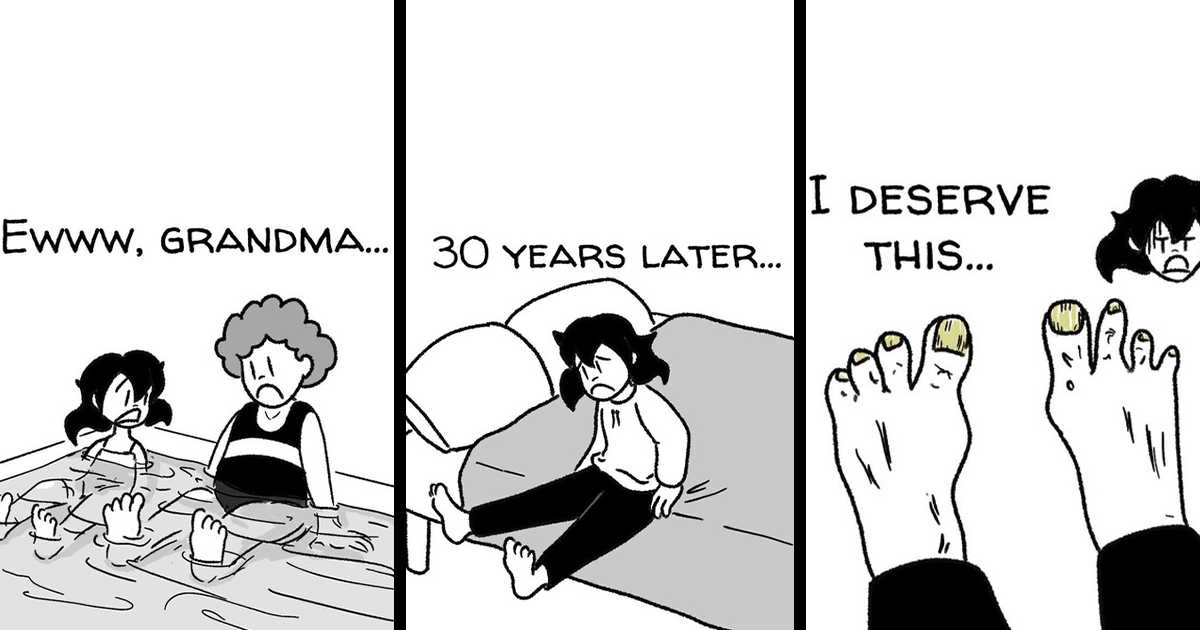
The collection often discussed under the title “Artist Illustrates What It Feels Like To Be An Adult In 33 Humorous Comics” speaks to a broad audience because it is not trying to make adulthood look glamorous. It makes adulthood look familiar. These comics are not about superheroes flying through city skylines. They are about regular people surviving errands, emotions, overthinking, chores, and that suspiciously expensive grocery total. In other words, the real multiverse.
Why Adulting Comics Feel So Relatable
The word “adulting” became popular because many people needed a funny way to describe the basic responsibilities that somehow still feel like advanced-level puzzles. Paying bills, cooking actual meals, scheduling appointments, replying to messages, cleaning the bathroom, managing money, and staying emotionally stable before coffee are all ordinary tasks. Yet together, they can feel like a full-time job stacked on top of a full-time job.
That is where relatable comics about adulthood become powerful. They do not solve the problem of taxes, rent, deadlines, or decision fatigue, but they do something almost as useful: they make people feel seen. When a comic shows a character choosing sleep over productivity, panicking over a small social interaction, or treating a clean apartment like a temporary miracle, readers recognize themselves instantly. The punchline is not just “this is funny.” The punchline is “oh no, this is me.”
Zena’s comics work because they understand that modern adult life is made of contradictions. We want independence, but we miss being told what to do. We want a calm routine, but we also want to ignore the dishes and watch one more episode. We want to be responsible, but sometimes dinner is cereal eaten directly from the box. The humor is gentle, self-aware, and grounded in everyday life rather than mean-spirited mockery.
Who Is Zena Comics?
Zena Comics is the creative home of an artist who began turning life’s awkward, stressful, and funny moments into illustrated stories. Her comics gained attention for their honest take on adult life, single life, pandemic-era isolation, emotional ups and downs, and the tiny disasters that make ordinary days memorable. Rather than presenting herself as someone who has adulthood mastered, Zena leans into the messiness. That honesty is a major reason readers connect with the work.
Many of her comics grew from the need to find humor during difficult times. That origin matters. Comedy often becomes most meaningful when it appears in places where people are tired, lonely, anxious, or overwhelmed. A funny comic about quarantine, social awkwardness, or personal habits can become more than a joke; it becomes a small reminder that nobody is failing adulthood alone.
A Simple Art Style With a Big Emotional Payoff
One reason Zena’s comics are easy to enjoy is the clean, approachable style. The drawings are expressive without being cluttered. The characters’ reactions often carry the joke: a blank stare, a tiny moment of panic, an exaggerated expression of defeat, or the universal face of someone realizing they forgot to buy groceries after proudly making a meal plan.
This style matters for webcomics because readers often discover them while scrolling quickly. A successful comic has only a few seconds to catch attention. The best adulting comics do that by combining a clear visual setup with a punchline that lands immediately. Zena’s humor does not require a long explanation. It is the kind of humor that makes people stop, laugh, and send the comic to a friend with the message, “This is literally us.”
The Comedy of Everyday Responsibility
Adult life is full of responsibilities that are objectively boring but emotionally dramatic. A pile of laundry is just fabric, technically. But after three days, it becomes a mountain with political power. An unread email is just text. But when ignored long enough, it develops the energy of a haunted house. A grocery list is harmless until you get to the store and forget the one ingredient that was the whole point of leaving home.
Humorous comics about adulthood succeed when they exaggerate these familiar moments just enough to reveal their hidden absurdity. The reader laughs because the comic names something they have felt but maybe never said out loud: why does making one phone call feel like preparing for battle? Why does cleaning one room somehow create mess in another room? Why does buying vegetables feel like a promise to become a better person, while ordering fries feels like returning to your true self?
Examples of Adulting Moments These Comics Capture
Without copying any specific panels, the themes often found in Zena-style adulting comics include procrastination, social anxiety, household chores, exhaustion, awkward conversations, self-care attempts, emotional spirals, and the strange pressure to appear more organized than one actually is. A character might set ambitious goals in the morning and become emotionally defeated by lunchtime. Another might celebrate doing one responsible task, then avoid seven others with Olympic-level commitment.
These jokes work because they are specific. “Life is hard” is true but vague. “I washed one spoon and now I need a reward” is much funnier because it feels lived-in. Great webcomics find comedy in details: the pile of mail on the table, the phone battery at 3%, the planner bought with big dreams but never used, the houseplant that silently judges your lifestyle by dying dramatically in the corner.
Why Readers Love Comics About Being an Adult
There is a reason adulting comics are shared widely on Instagram, Facebook, Pinterest, Reddit, and personal blogs. They are bite-sized emotional recognition. In a world where people are overloaded with serious news, endless notifications, and pressure to optimize every second, a short comic can feel like a tiny vacation. It says, “Yes, life is a lot. Laugh anyway.”
Relatable comics also create community. When readers tag friends, share posts, or comment “same,” they are participating in a shared language of everyday survival. The comic becomes a social object: part joke, part confession, part group therapy with better facial expressions. It lets people admit that they are tired, awkward, broke, overstimulated, or confused without turning the moment into a heavy conversation.
Humor Makes Stress Easier to Carry
Humor does not magically remove stress, but it can change the way people relate to it. Laughter can help people relax, shift perspective, and feel less isolated. That is why comics about adult life often feel surprisingly comforting. They do not deny that bills, work, money, relationships, and mental load are real. They simply make those things feel less monstrous for a moment.
In Zena’s work, humor often comes from self-recognition rather than superiority. The reader is not laughing at someone else’s failure. The reader is laughing with a character who is also trying, stumbling, recovering, and trying again. That warmth is important. Mean humor can create distance, but relatable humor builds connection.
The Art of Turning Small Problems Into Big Laughs
One of the cleverest things about adulting comics is scale. The problems are small on paper: missing sleep, avoiding chores, forgetting plans, overthinking a text, spending too much at the store, or wanting to cancel everything and become a blanket burrito. But emotionally, these moments can feel huge. Comics make that emotional exaggeration visible.
For example, a simple task like “reply to an email” may become a dramatic visual journey. The character opens the inbox, stares into the void, questions every life choice, writes “Sounds good!” after twenty minutes, and then needs a nap. That is funny because it compresses an invisible emotional process into something we can see. The comic gives shape to the inner chaos of adulthood.
This is also why the format is so effective online. A short comic can deliver setup, emotion, and punchline faster than a long essay. The best panels make readers feel like the artist has secretly installed cameras in their brain, though thankfully not in the kitchen, because nobody needs to witness the midnight cheese incident.
Adulting, Money, and the Myth of Having It All Together
Money is one of the biggest themes in modern adulthood. Even when a comic does not mention dollars directly, the background pressure is often there. Rent, groceries, transportation, healthcare, subscriptions, student loans, and surprise expenses all shape how adults experience daily life. That is one reason jokes about budgeting, impulse buying, and “treat yourself” culture resonate so strongly.
Many young adults are building independence more slowly than previous generations, and traditional milestones such as moving out, marriage, homeownership, or raising children no longer arrive in one neat order. That shift makes adult identity feel less obvious. Someone can have a job and still feel lost. Someone can pay bills and still call a parent to ask how long leftovers are safe. Someone can own a vacuum and still not know where life is going. Adulthood is not a certificate; it is an ongoing group project, and half the group forgot the deadline.
Zena’s comics fit perfectly into this cultural mood. They do not shame people for being imperfect adults. Instead, they make imperfection the whole point. The character who struggles with chores or emotions is not a failure; she is recognizable, human, and often hilarious.
Why Pandemic-Era Humor Still Matters
The pandemic changed the way many people thought about home, routine, loneliness, and daily survival. For artists, it also created a wave of creative self-expression. Comics became one way to process isolation, boredom, anxiety, and the surreal feeling of living through history while wearing sweatpants. Zena’s early comic work grew out of that atmosphere, which helps explain the emotional honesty behind it.
Pandemic humor was not only about jokes. It was about making the unbearable slightly more bearable. People needed art that said, “This is weird, right?” A comic could capture that feeling in four panels: the hope of productivity, the collapse into snacks, the emotional support pet, and the final acceptance that today’s big accomplishment was existing. That kind of comedy still matters because many adults continue to carry stress from those years, even as daily life has moved forward.
What Makes These 33 Humorous Comics Worth Reading?
The appeal of “Artist Illustrates What It Feels Like To Be An Adult In 33 Humorous Comics” comes from variety. A collection of 33 comics gives readers multiple entry points. Some may relate most to the jokes about productivity. Others may laugh at the social awkwardness. Some may feel seen by the emotional exhaustion, while others connect with the tiny household defeats that somehow define adult life.
The number also matters from a reading experience perspective. A single comic gives a quick laugh. A collection creates a rhythm. Readers move from one small truth to the next, and by the end, the artist’s worldview becomes clear: life is strange, adulthood is messy, and humor is one of the best ways to stay soft instead of becoming permanently annoyed.
The Best Kind of Relatable Humor Is Honest
Relatable humor can become lazy when it only points at obvious things. But strong comics add perspective. They take a common experience and tilt it slightly so readers notice the absurdity. Zena’s work succeeds because it is not just “adulting is hard.” It is more specific: adulting is hard because we are expected to be calm, efficient, emotionally mature, financially stable, socially available, physically healthy, and well-rested while also somehow finding time to clean the microwave.
That gap between expectation and reality is where the comedy lives. The world asks for a polished adult. The comic shows the person underneath: tired, funny, hopeful, anxious, snack-motivated, and doing their best.
How These Comics Fit Into the Bigger Webcomic Trend
Zena Comics belongs to a larger tradition of internet comics that turn daily life into short, shareable stories. Artists like Sarah Andersen and Nathan W. Pyle helped popularize the idea that simple, recurring characters could express big modern feelings in tiny illustrated moments. These comics work especially well on social media because they are quick to read, easy to share, and emotionally direct.
Modern webcomics often thrive because they feel personal without being too private. They let readers connect with the artist’s perspective while leaving room for their own experiences. A comic about procrastination might be about the artist’s day, but every reader can project their own unfinished laundry, unread messages, or abandoned to-do list onto it. That flexibility is part of the magic.
The best online comics are not trying to replace long-form storytelling. They are doing something different: catching one moment, one feeling, one ridiculous truth, and making it memorable. In a noisy internet, that clarity is valuable.
Lessons Creators Can Learn From Zena’s Adulting Comics
For artists, bloggers, and content creators, Zena’s comics offer several useful lessons. First, authenticity travels. Readers can sense when a joke comes from lived experience. Second, small moments are enough. You do not need a giant plot twist when the emotional truth is strong. Third, consistency matters. A recognizable voice and style help audiences return, even when each comic stands alone.
Another lesson is that humor and vulnerability can work together. A comic can be funny while still admitting fear, stress, loneliness, or confusion. In fact, those emotions often make the humor stronger. A joke about burnout lands because burnout is real. A joke about social anxiety lands because many people know the feeling. A joke about wanting to be productive but becoming one with the couch lands because the couch has excellent recruitment skills.
Experience Section: What These Comics Feel Like in Real Adult Life
Reading humorous adulting comics often feels like receiving a message from a friend who understands your exact level of chaos. The experience is oddly personal. You might be scrolling during a break, exhausted after school, work, errands, chores, or family responsibilities, and suddenly a comic appears that captures your whole day in three panels. You laugh before you even decide to laugh. It is automatic, like your brain saying, “Finally, someone documented the situation.”
One common experience is the comfort of recognition. Many people grow up assuming adults are calm, organized, and fully prepared. Then they become adults and discover that everyone is improvising. Some people simply have nicer calendars. A comic about forgetting laundry in the washer for too long or needing a reward after making one phone call reveals the truth: adulthood is often less about perfection and more about recovery. You forget, you fix, you laugh, you continue.
Another experience is relief. Life can feel heavy when every responsibility seems private. Money worries, career uncertainty, messy rooms, loneliness, and low motivation can make people believe they are behind. Relatable comics challenge that feeling. They show that many struggles are common, even if people rarely post them in polished social media updates. A funny panel can remind readers that the version of adulthood they compare themselves to is often edited, filtered, and missing the pile of dishes just outside the frame.
These comics also encourage a healthier relationship with imperfection. Laughing at a messy moment does not mean ignoring responsibility. It means refusing to turn every small mistake into a personal tragedy. Maybe you forgot to meal prep. Maybe your budget plan lasted two days. Maybe you bought a planner and then used it once to write “be more organized.” The comic does not say, “Give up.” It says, “You are human. Try again, preferably after a snack.”
The experience is especially strong when sharing the comics with friends. Sending one to someone with the caption “us” turns private embarrassment into shared comedy. That small act can make friendship feel easier. Instead of writing a long message about being overwhelmed, you can send a comic about wanting to cancel plans and live under a blanket. The joke carries the emotion for you.
For readers who create content, draw, write, or simply enjoy observing life, Zena’s comics offer a reminder that inspiration is everywhere. The best material is not always dramatic. Sometimes it is in the tiny betrayal of an alarm clock, the suspicious confidence of buying vegetables, the courage required to make a dentist appointment, or the joy of finding clean socks. Adult life is full of these miniature stories. A good artist notices them. A great humorous artist makes the rest of us laugh at them.
In the end, the experience of reading these 33 humorous comics is not only entertainment. It is a small act of emotional maintenance. You arrive feeling tired, scattered, or mildly attacked by your own to-do list. You leave feeling lighter. Not fixed. Not transformed into a perfect adult with labeled storage bins and a five-year plan. Just lighter. And some days, lighter is enough.
Conclusion: Adulthood Is Messy, So We Might As Well Laugh
“Artist Illustrates What It Feels Like To Be An Adult In 33 Humorous Comics” works because it understands the modern adult mood: hopeful, tired, funny, overwhelmed, and still trying. Zena Comics turns everyday struggles into visual punchlines without losing warmth. The result is a collection that feels less like laughing at failure and more like laughing through the shared weirdness of being human.
Adulting may never become easy. Emails will keep arriving. Laundry will keep multiplying. Grocery prices will continue to make people check the receipt like it personally betrayed them. But comics like these remind us that humor is a practical survival tool. When life refuses to be simple, a good laugh can make it softer, smaller, and easier to face.
Note: This article is an original, publication-ready SEO article written in standard American English. It synthesizes real public information and broader context about adulting comics, humor, stress, and webcomic culture without copying source text or inserting source links into the article body.