Every family dinner has the potential to become memorable. Sometimes it is because someone proposes a toast. Sometimes it is because the roast is perfect. And sometimes, apparently, it is because a grown man eats a baked potato with skin and accidentally opens a domestic courtroom where everyone suddenly has opinions.
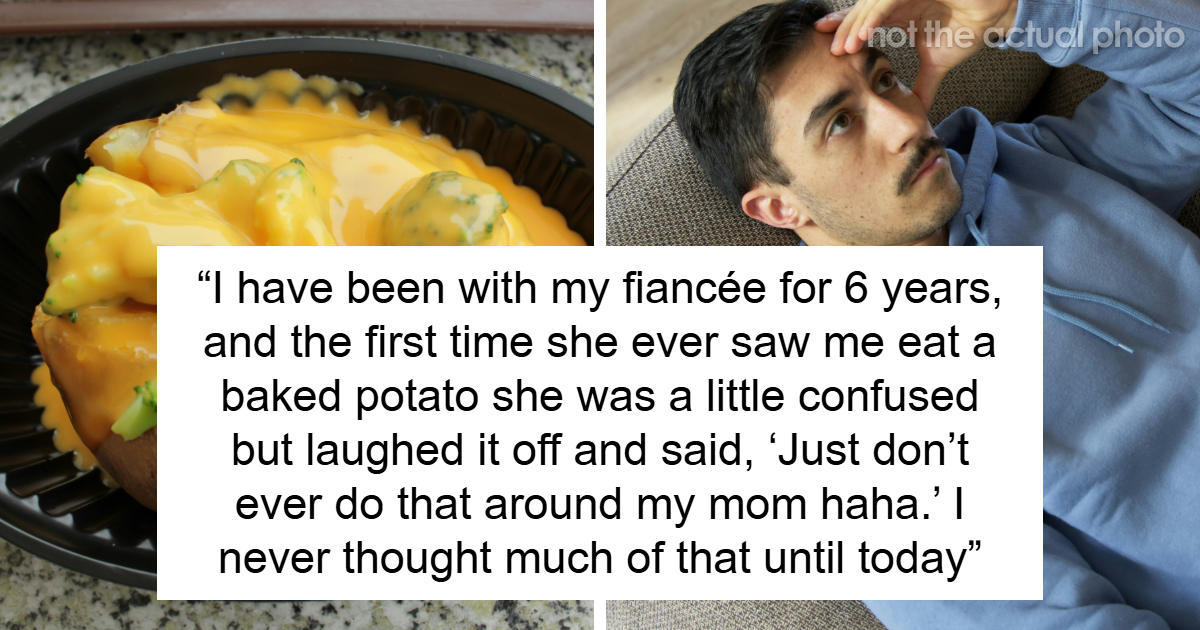
The viral story behind “Guy Eats Baked Potato With Skin, Shocked That It Sparks Strange Reactions From Fiancée And Her Mom” sounds like the kind of situation that begins as a harmless meal and ends with people on the internet putting on their tiny judge wigs. A man attended dinner with his fiancée’s family, ate his baked potato the way many Americans doskin includedand was stunned when the reaction around the table became strangely intense. His fiancée’s mother appeared disgusted, his fiancée was upset, and he was left wondering whether he had broken an ancient potato law nobody had bothered to print on the menu.
So let’s peel back the situationfiguratively, because literally peeling is the whole problem here. Is it normal to eat baked potato skin? Is potato skin healthy? Can table manners turn a side dish into a relationship test? And why do people get so dramatic about food habits that are, in most homes, completely ordinary?
Why This Baked Potato Story Caught Everyone’s Attention
The reason this story spread is simple: it combines food, family judgment, relationship tension, and a tiny behavior that should not be controversial. That is the internet’s favorite recipe. Forget butter, sour cream, and chivesonline discussion thrives on awkward dinner moments.
At the center of the story is a man eating a baked potato with skin. For many people, that is not only normal but also the best part of the potato. A properly baked russet potato has a fluffy center and a crisp, salty outside that behaves like a delicious edible jacket. In fact, “jacket potato” is a common name for baked potatoes in other parts of the English-speaking world, which makes the idea of eating the “jacket” less shocking and more like finishing the outfit.
But food habits are deeply personal. Some people grew up scooping out the inside and leaving the skin behind like an abandoned canoe. Others were taught that the skin is full of texture, flavor, and nutrients. When those two worlds collide at a formal family dinner, even a humble potato can become a cultural ambassador wearing sour cream.
Is It Normal to Eat Baked Potato Skin?
Yes, it is normal to eat baked potato skin. In the United States, many people eat the whole baked potato, especially when the skin has been scrubbed, dried, oiled, salted, and baked until crisp. Restaurants even serve loaded potato skins as appetizers, which should be enough evidence that eating potato skin is not exactly a fringe movement. It is not like showing up to dinner and eating the centerpiece.
Whether someone eats the skin often depends on how the potato is prepared. A sad, damp, foil-wrapped potato skin can feel leathery and uninviting. A dry, crisp, well-seasoned skin can taste like the potato graduated from comfort food school with honors. Preparation matters.
There is also a trust factor. Some people happily eat potato skin at home because they know the potato was washed properly. At a restaurant or someone else’s house, they may skip it because they are unsure how carefully it was scrubbed. That is a preference, not a moral philosophy.
Is Potato Skin Good for You?
Potato skin can be part of a healthy meal when the potato is fresh, cleaned, cooked, and served with reasonable toppings. A baked potato with skin offers fiber, potassium, vitamin C, vitamin B6, and other nutrients. The skin contributes texture and fiber, while the flesh provides the familiar soft starchiness that makes baked potatoes so comforting.
The important point is balance. A plain baked potato is naturally low in fat, but the toppings can change the nutrition profile quickly. Add a little olive oil, Greek yogurt, salsa, beans, or vegetables, and it can become a filling meal. Add a heroic landslide of butter, bacon, cheese, and sour cream, and the potato may need its own gym membership.
The Skin Adds Fiber and Texture
Fiber helps make meals more satisfying, and potato skin adds more chew and structure than the soft interior alone. That does not mean the skin is magical. It will not turn dinner into a wellness retreat. But it is a useful part of the potato, especially if you enjoy the flavor.
The Skin Can Make the Potato More Enjoyable
Food is not only about nutrients. It is also about pleasure. A crispy baked potato skin brings contrast: crunchy outside, fluffy inside, creamy toppings, and a little salt. That contrast is exactly why people love roasted vegetables, toast, fried edges, and the corner brownie that mysteriously disappears first.
When Should You Not Eat Potato Skin?
Eating baked potato skin is generally fine, but there are times when skipping it is smart. If a potato has green areas, heavy sprouting, a bitter taste, or a strange smell, do not treat it like a bravery challenge. Green potato skin can signal the presence of glycoalkaloids such as solanine and chaconine, which may cause stomach upset and other unpleasant symptoms. When in doubt, choose another potato. There is no dinner trophy for defeating a suspicious tuber.
You should also wash potatoes before cooking them, even if you plan to peel them. Potatoes grow in dirt. That is not an insult; that is literally their lifestyle. Rinsing under running water and scrubbing firm produce helps remove soil and reduce surface bacteria. Soap, detergent, or household cleaners do not belong on produce because they can leave residues. A clean brush, running water, and a paper towel are usually the better team.
How to Bake a Potato So the Skin Is Actually Worth Eating
A lot of potato-skin disagreement comes from bad baked potatoes. If someone’s only experience with potato skin is a wrinkled, damp, chewy shell, their skepticism makes sense. Nobody wants to eat a potato raincoat.
Start With the Right Potato
Russet potatoes are popular for baking because they have a starchy interior that turns fluffy when cooked. Their skins can crisp nicely when they are dried and baked properly. Waxy potatoes can still be delicious, but russets are the classic steakhouse-style choice.
Wash, Dry, Pierce, Season
Before baking, scrub the potato under running water, then dry it thoroughly. Dry skin crisps better than wet skin. Pierce it a few times with a fork or knife to let steam escape. Then rub the outside lightly with oil and sprinkle with salt. This tiny routine is the difference between “I guess I’ll eat it” and “why did nobody tell me potato skin had a fan club?”
Do Not Wrap It in Foil If You Want Crispy Skin
Foil traps moisture, which steams the potato and softens the skin. That may be useful if you need to hold potatoes warm for serving, but it is not the best method for crisp skin. For better results, bake the potato uncovered so the outside can dry and crisp while the inside cooks through.
Why Did the Fiancée and Her Mom React So Strongly?
The dramatic reaction in the story probably had less to do with potatoes and more to do with expectations. Food habits are learned early. When people grow up in a household where baked potato skin is discarded, watching someone eat it can feel strange. But “strange to me” is not the same as “wrong.” That distinction could save many family dinners from becoming courtroom dramas with napkins.
There may also have been social pressure. Meeting a partner’s family can feel like an audition where every fork movement is being reviewed by invisible judges. In that setting, a small behavior can become symbolic. The potato skin is no longer potato skin; it becomes “respect,” “manners,” “upbringing,” or “why is he eating the wrapper?” None of those interpretations are fair, but family dynamics are not always known for their calm research standards.
Food Manners Are Often Cultural, Not Universal
One person’s normal dinner habit can be another person’s “wait, people do that?” moment. Some families eat pizza crust; others leave it. Some people put ketchup on eggs; others need a quiet minute to recover from witnessing it. Some people mix all their Thanksgiving food together, creating a plate that looks like a delicious landslide. Others require strict borders between stuffing and cranberry sauce.
The problem is not having preferences. The problem is treating preferences as universal laws. Unless someone is being unsafe, wasteful in a harmful way, or deliberately rude, a harmless eating style should not become a character trial.
Was the Guy Rude for Eating the Potato Skin?
Based on common American dining habits, no. Eating a baked potato with skin is not rude. It is a normal way to eat a baked potato, especially when the skin is clean and properly cooked. If he had flung the potato across the table like a medieval warning shot, that would be different. But eating the edible part of an edible food is not a breach of etiquette.
Still, the story does raise a relationship question. When a partner is embarrassed by a harmless behavior, the issue may not be the behavior itself. The bigger issue is whether both people can handle small differences with humor and respect. Marriage will involve bills, stress, relatives, home repairs, travel delays, and deciding where to eat when both people say “anything.” If a potato skin causes a crisis, it may be a sign that the couple needs better communication before facing larger life decisions.
The Internet’s Verdict: Team Potato Skin Has a Strong Case
Many readers who reacted to the story sided with the man because eating potato skin is common, nutritious, and ordinary. They saw the family’s reaction as overblown. Others understood that the mother’s response may have been influenced by feeling unwell or by a strong personal aversion. Even then, the more reasonable conclusion was not “never eat potato skin again.” It was “maybe do not shame guests over harmless food preferences.”
That is the heart of the story. This was never really about potatoes. It was about how people respond when someone does something differently. A generous host might say, “Oh, you eat the skin? I never do, but good for you.” A tense host might turn the moment into a family emergency. One approach preserves dinner. The other sends everyone to the internet, where strangers arrive carrying opinions and GIFs.
What This Story Teaches About Relationships
Relationships are built in ordinary moments. Anyone can be charming during a vacation or a candlelit dinner. The real test often appears during small conflicts: a misunderstood joke, a different habit, a weird snack, a dishwasher-loading method that looks like modern sculpture, or yes, a baked potato with skin.
A healthy relationship allows room for harmless differences. Partners do not need to eat the same way, fold towels the same way, or agree on whether the corner brownie is superior. They do need to protect each other from unfair judgment. If one partner is being mocked or criticized for something harmless, the other partner should not automatically join the prosecution.
The fiancée’s reaction matters because it suggests the man felt unsupported. Instead of saying, “Mom, lots of people eat potato skin,” she reportedly treated his behavior as embarrassing. That kind of response can sting more than the original comment. A partner should be able to disagree privately without piling on publicly.
What This Story Teaches About Hosting
Hosting is not just about cooking food. It is about making guests feel welcome. A guest may eat more slowly, use less sauce, skip dessert, or enjoy a baked potato skin. Unless they are insulting the cook or making a mess, the best response is usually to let them enjoy the meal.
A good host does not need to understand every preference. A good host only needs enough grace to avoid turning the table into a talent show for judgment. If someone eats the potato skin and looks happy, congratulations: the potato has fulfilled its destiny.
Practical Tips for Eating Baked Potato Skin Without Drama
At Home
Scrub the potato well, dry it completely, pierce it, oil it lightly, salt it, and bake it uncovered. Avoid green, heavily sprouted, soft, or bitter potatoes. If the skin crisps nicely, eat it proudly. You are not being weird; you are being efficient.
At Someone Else’s House
Eat naturally, but read the room. If someone looks surprised, a simple “I like the skin when it’s baked” is enough. You do not need to launch a nutrition lecture between bites. Nobody invited a TED Talk called “The Edible Jacket: A Starch-Based Defense.”
As a Host
Let guests eat harmless foods the way they enjoy them. If you are curious, ask kindly. If you are disgusted, keep that thought inside where it can sit quietly next to other unnecessary dinner commentary.
Experiences Related to the Topic
Anyone who has eaten with other families knows that food rules can vary wildly from one home to another. In one house, eating baked potato skin is normal. In another, the skin is treated like packaging. In one family, people dip fries in ranch dressing. In another, that act might cause a cousin to whisper, “Is everything okay at home?” These little differences are funny until someone decides they are evidence of poor manners.
A common experience is realizing that your “normal” is not universal. Maybe you grew up eating the crust on sandwiches, while your friend removed it with surgical precision. Maybe your family served baked potatoes split open with butter melting into the middle, while someone else’s family mashed the inside and ignored the skin. Neither person is wrong. They simply inherited different kitchen habits.
The baked potato story feels relatable because many people have experienced that awkward moment when a harmless habit attracts unexpected attention. You reach for hot sauce. Someone gasps. You eat the pizza crust first. Someone asks if you are feeling okay. You mix peas into mashed potatoes and suddenly the table becomes a committee. The situation is usually not about the food itself. It is about people feeling surprised when another person does not follow the invisible rules they grew up with.
There is also the experience of meeting a partner’s family and feeling like every move is magnified. The first dinner can be stressful. You want to be polite, friendly, and normalbut “normal” keeps moving depending on whose dining room you are in. You may worry about which fork to use, whether to compliment the food too much, how much to eat, and whether refusing seconds will sound like an insult. Add a controversial potato skin, and suddenly dinner feels like a social obstacle course designed by a very dramatic chef.
For couples, these moments can become surprisingly important. A partner does not have to agree with every habit, but they should be able to respond with kindness. A simple sentence like “He eats the skin; lots of people do” could defuse the whole situation. Humor helps too. “At least he’s not eating the plate” would have saved everyone a lot of stress.
From personal dining experience, the safest approach is curiosity over criticism. If someone eats something differently, ask about it with genuine interest. You may learn a new trick. Many people who once avoided potato skin change their minds after trying one that is properly scrubbed, dried, salted, and baked until crisp. Texture changes everything. A soggy skin feels like punishment. A crispy skin tastes like the potato’s grand finale.
The biggest lesson is simple: food preferences should make meals more interesting, not more hostile. A baked potato with skin is not a red flag. A person who humiliates a guest over a potato might be. Dinner tables are better when people leave room for difference, laughter, and second helpings. And if a potato skin can teach that lesson, then the humble spud has done more emotional labor than anyone expected.
Conclusion
The story of the guy who ate a baked potato with skin and shocked his fiancée and her mom is funny because the conflict feels wildly larger than the food involved. But underneath the humor is a useful reminder: eating baked potato skin is common, safe when properly prepared, and often delicious. The stronger issue is how people treat harmless differences. A crispy potato skin should not have the power to damage a dinner, expose relationship tension, or send a family into social panic.
So yes, eat the baked potato skin if it is clean, cooked, and appetizing. Skip it if the potato is green, sprouted, bitter, or poorly prepared. And if someone else eats it differently, let them live. The potato has suffered enough.