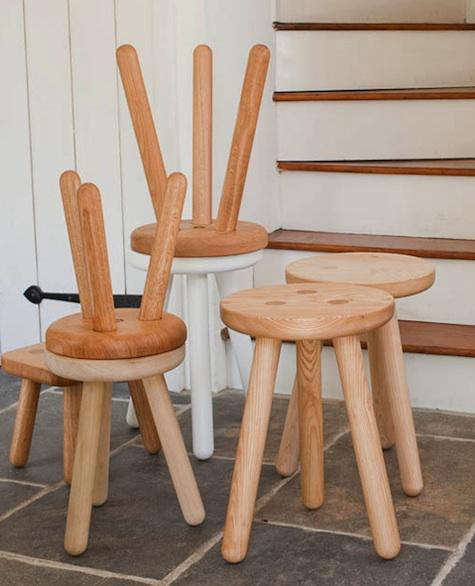
There are two kinds of furniture you meet in life: the kind you love for a weekend (hello, trendy boucle everything), and the kind you love for a decadequietly, steadily, like a friend who always shows up and never asks you to help them move. Another Country sits firmly in that second camp.
Based in England and built around the idea of the “Natural Home,” Another Country makes contemporary wooden furniture that feels intentionally calmsimple lines, honest materials, and a craft-forward attitude that doesn’t scream for attention. If your dream home vibe is “warm minimalism with a British passport,” you’re in the right place.
What is Another Country, exactly?
Another Country is a UK-based contemporary craft furniture brand founded by Paul de Zwart in 2010. The company’s core promise is refreshingly straightforward: make well-crafted wooden furniture that lasts (aesthetically and structurally), using natural materials and responsible production practiceswithout turning the price tag into a personal insult.
In plain American terms: it’s furniture designed to age gracefully. Not “distressed” on day one, not “disposable” by year two. Think: solid timber, practical proportions, and details that reward a second looklike a steam-bent backrest or a well-shaped edge that feels good under your hand.
The design language: modern, but rooted in English craft
Another Country’s aesthetic is often described as pared back, but that doesn’t mean bland. The brand leans into archetypesforms we already recognizethen refines them. That’s why the furniture reads as familiar, even when you can’t name the reference.
1) Shaker-style simplicity (the “no-fuss, all-function” gene)
Shaker furniture is famous for straightforward construction, clean proportions, and an almost spiritual commitment to utility. Another Country isn’t a Shaker reproduction brand, but it shares the same “form earns its keep” mindset. If you’ve ever admired a ladder-back chair, a peg rail, or a table that looks good precisely because it isn’t trying too hard, you’ll recognize the family resemblance.
2) British country-house practicality (minus the floral chaos)
There’s also a distinctly English practicality in the lineuptables that suit everyday life, benches that behave in an entryway, and storage pieces that don’t need to be “statement furniture” to do their job beautifully. It’s country-house energy, but edited: fewer ruffles, more restraint.
3) Scandinavian calm and a nod to Japanese woodworking honesty
Another Country often sits comfortably alongside Scandinavian-inspired interiorslight wood tones, minimal ornament, and a focus on proportion. And like Japanese woodworking traditions, the design philosophy favors honesty: let the material be what it is, and don’t cover it up with gimmicks. (Your furniture should not need a personality makeover every season.)
Materials and making: why the wood feels different
If you’ve ever run your hand along a solid oak tabletop and thought, “Oh… this is what furniture is supposed to feel like,” you already understand part of Another Country’s appeal. Wood is the headline act herenot as a “wood-look” print, not as a thin veneer trying its best, but as a real, tactile material that will develop character over time.
Solid timber vs. veneer: a quick, useful reality check
Another Country uses solid wood across many pieces, but you’ll also see smart use of veneered panels (for example, oak veneer over plywood), especially where stability and weight matter. Veneered plywood can be a practical, durable choice when done wellhelping reduce warping and making large surfaces more dimensionally stable.
The key is transparency and quality. “Veneer” isn’t a dirty word; “mystery board with a questionable glue situation” is the dirty word. If you’re shopping from the U.S., it’s also wise to pay attention to material emissions standards for composite wood products (more on that below).
Finishes and indoor air: the part people forget to ask about
Furniture is basically a giant object that lives inside your air. So yes, how it’s finished matters. Another Country emphasizes natural, low-VOC oils and waxes as part of its “Natural Home” approachfinishes that aim to keep the tactile quality of wood while reducing that “new furniture smell” that can linger like an uninvited houseguest.
Practical buyer tip: if you’re sensitive to smells or you’re furnishing a bedroom, prioritize low-emitting finishes and ask about the materials used in any composite wood components. In the U.S., formaldehyde emission standards apply to composite wood products like hardwood plywood, MDF, and particleboardhelpful context when evaluating any brand that uses engineered panels.
Signature pieces and collections worth knowing
Another Country collections tend to be built around everyday needsdining, seating, storage, and bedroom essentialsthen refined into a consistent visual language. Here are a few standout angles that help explain the brand’s identity.
The Hardy Series: modern comfort with 19th-century DNA
The Hardy Series, designed by David Irwin, is a great example of Another Country’s “archetype, then refine” approach. The Hardy Chair draws inspiration from 19th-century chair typologiesthink Captain’s chairs and Windsor-adjacent formsthen updates them into a comfortable modern carver with a distinctive silhouette. It’s the kind of chair that looks right at home in a London kitchen, but also works beautifully in an American dining room that leans modern-rustic or warm minimal.
Styling example: a Hardy dining table with matching chairs can anchor a kitchen-dining space without dominating it. Pair with linen textiles, simple ceramics, and a pendant that keeps the focus on the wood grain. The furniture will do the heavy liftingquietly.
Small-space heroes: stools, benches, and the “use it everywhere” mindset
Another Country is particularly strong in the pieces that make daily life smoother: stools that can float from kitchen to bathroom, benches that solve entryway clutter, and side tables that feel light but sturdy. These are the pieces you move around as your life changeswithout them looking “temporary.”
If you want a “starter” item to test the brand’s vibe, a stool or side chair is often the safest bet: smaller shipping footprint, easy styling, and instant daily utility.
The bar trolley moment: when “quiet” gets a little cheeky
Another Country doesn’t shout, but it does have fun. A good example: a compact bar trolley collaboration described as vintage-leaning and crafted from oak and oak-veneered plywood, with a handlebar and sleek wheels. It’s practical, yesbut it also feels like permission to enjoy your home. (In other words: it’s furniture that supports your hobbies. Even if your hobby is “sparkling water with an emotional-support lime.”)
Lighting collaborations: the Workstead connection
Another Country has also been associated with lighting collaborations, including offerings connected to Brooklyn-based Worksteadminimalist fixtures that play with geometry, materials, and atmosphere. The result fits the brand’s overall goal: build a home that feels grounded, warm, and intentional rather than hyper-styled.
How to use Another Country furniture in real rooms
1) The English kitchen look (that still works in the U.S.)
The English “kitchen as the heart of the home” concept translates beautifully into American homesespecially open-plan layouts where the kitchen flows into dining and living. Another Country’s wood furniture helps that transition feel coherent because it’s visually calm and material-forward.
- Anchor: a solid wood dining table that can handle homework, pasta night, and the occasional dramatic email session.
- Seating: chairs with supportive backs (you’ll feel it after the second hour of “just one more episode”).
- Texture: add natural fibersjute, wool, linento keep the space warm without clutter.
2) Warm minimal living rooms: less stuff, better stuff
In a living space, Another Country pieces tend to work best as “supporting actors”: side tables, occasional chairs, shelving, and storage. The wood tones provide warmth and contrast against neutral walls, while the restrained silhouettes keep the room from feeling busy.
3) Bedrooms that feel breathable, not showroom-staged
Wood furniture can make a bedroom feel calmer, especially when the design avoids sharp visual noise. Look for bedside tables and storage that keep surfaces clean, and consider how the finish and materials might affect indoor air comfortparticularly important in the room where you spend the most uninterrupted time.
Buying Another Country furniture from the U.S.: what to know
Even when you love the look, cross-border shopping comes with practical questions. Here’s what matters most so you don’t end up rage-refreshing your tracking page like it’s a competitive sport.
Check dimensions (because “it looked smaller online” is universal)
British furniture can sometimes run slightly different in proportion than American mass-market pieces. Measure your space, map clearances, and remember circulation: chairs need pull-out room, benches need passing room, and bar carts need “don’t whack your shin” room.
Plan for lead times and logistics
Many craft-forward brands produce to order to reduce waste. That can mean longer lead times than off-the-shelf furniture. If you’re furnishing a full home, prioritize the pieces with the longest timelines first (tables, beds), then fill in with flexible items (stools, side tables) as you go.
Ask about materials if you’re pickyin a good way
If a product includes veneered plywood or other engineered panels, it’s fair to ask about what’s inside (panel type, adhesives, finishes) especially if indoor air quality is a priority for you. In the U.S., composite wood products are regulated for formaldehyde emissionsuseful context for evaluating any comparable materials.
Caring for contemporary wood furniture (so it looks better at 10 years than at 10 days)
Solid wood furniture is forgiving, but it does have a few strong opinionsmostly about heat, water, and extreme dryness.
- Use coasters: not because you’re precious, but because wood hates surprise moisture rings.
- Mind heat: trivets are your table’s best friend. Hot pans are not “rustic charm.”
- Control humidity: wood moves with seasons. A stable indoor environment helps prevent cracks or warping.
- Clean gently: soft cloth, mild cleaner if needed, avoid harsh solvents that strip oils and waxes.
- Refresh finishes: if your piece is oil/wax finished, periodic maintenance keeps it looking rich rather than thirsty.
Sustainability check: how to evaluate the “responsible” claims
Sustainability isn’t a vibe; it’s a set of choices. When a brand emphasizes responsibility, here are the signals that actually matter:
Certified timber and forest stewardship
Certifications like FSC are designed to support responsible forest management. If a brand commits to certified timber, that’s generally a meaningful step toward reducing deforestation risk and supporting better forestry practices.
Longevity and repairability (the anti–fast furniture strategy)
The greenest piece of furniture is often the one you don’t replace. Brands that design for durability, offer repair/restoration options, and build in timelessness are doing something sustainability messaging often forgets: reducing churn.
Operational standards and third-party accountability
Certifications like B Corp are meant to evaluate broader social and environmental practices across a business. No certification is perfect, but third-party frameworks can add accountability beyond “trust us, we’re nice.”
So… is Another Country furniture “worth it”?
If your priority is short-term price-per-seat, you can always find something cheaper. But if your priority is long-term valuematerials that feel good, shapes that don’t date quickly, and a design philosophy that respects both craft and everyday lifeAnother Country makes a strong case.
It’s also furniture that plays well with others. You can mix it with mid-century pieces, contemporary lighting, vintage rugs, or clean modern architecture. The wood and proportions act like a bridgeconnecting styles instead of fighting them.
Experiences: what living with Another Country furniture can feel like (and why that matters)
The best way to understand a quiet furniture brand is to imagine the moments it’s built forthe unglamorous, daily repetitions that eventually become “your home.” Another Country pieces tend to shine in exactly those moments.
Picture a weekday morning where the dining table isn’t just a dining table. It’s a cereal station, a laptop dock, and a place where you sort mail while promising yourself you’ll “definitely deal with it later.” A good table makes these routines feel smoother. The surface feels stable, the edges are comfortable, and the wood grain has enough life that the whole scene feels warmeven if your coffee is doing absolutely nothing for your personality today.
Or take the chair experience. A chair can be “pretty” and still betray you after 20 minutes. A well-designed wooden chair, by contrast, supports the body without demanding attention. You notice it because you don’t notice it: you stay seated longer, you lean back naturally, you stop shifting like you’re trying to find the least annoying way to exist. When a chair is comfortable, it quietly changes how long you linger at the tableand that can turn “dinner” into “we’re still talking an hour later.”
Then there’s the entryway momentthe daily chaos portal. A bench that’s well-proportioned becomes a practical anchor: shoes off, bag down, keys in the same spot every time (in theory), and a small pause before the rest of the day rushes in. This is where thoughtful design earns its keep: it organizes life without adding visual clutter. And if the wood looks better after a year of real use, you stop treating your home like a museum and start treating it like a habitat.
If you’ve ever visited a well-designed showroom, you know the feeling: the air seems calmer, the materials look honest, and you suddenly believe you might become the kind of person who folds linen napkins. (You won’t. But it’s nice to feel capable.) Another Country’s “Natural Home” philosophy leans into that sensory calmnatural fibers, warm woods, finishes that don’t overwhelm the room. It’s less about chasing trends and more about building a background that makes daily life feel a little more grounded.
The most telling “experience” isn’t the first week. It’s what happens after months. When furniture is made well, you stop thinking about replacing it. You move it to a new spot, repurpose it for a new phase of life, or pass it along without apology. The surface collects small marks that read like memory instead of damage. And one day you realize the piece has become part of your routinesnot because it’s flashy, but because it works.
That’s the quiet superpower of contemporary craft furniture: it doesn’t try to be the main character. It just helps your home feel like a place where real life fitsand where the objects around you don’t demand constant upgrades to stay lovable.
Conclusion
Another Country furniture in England is a strong answer for anyone who wants wooden furniture that feels modern but rootedsimple without being sterile, crafted without being precious, and designed for the long haul. If you’re building a home that prioritizes natural materials, calm interiors, and pieces you’ll still like when the internet invents a new trend next Tuesday, this brand belongs on your shortlist.