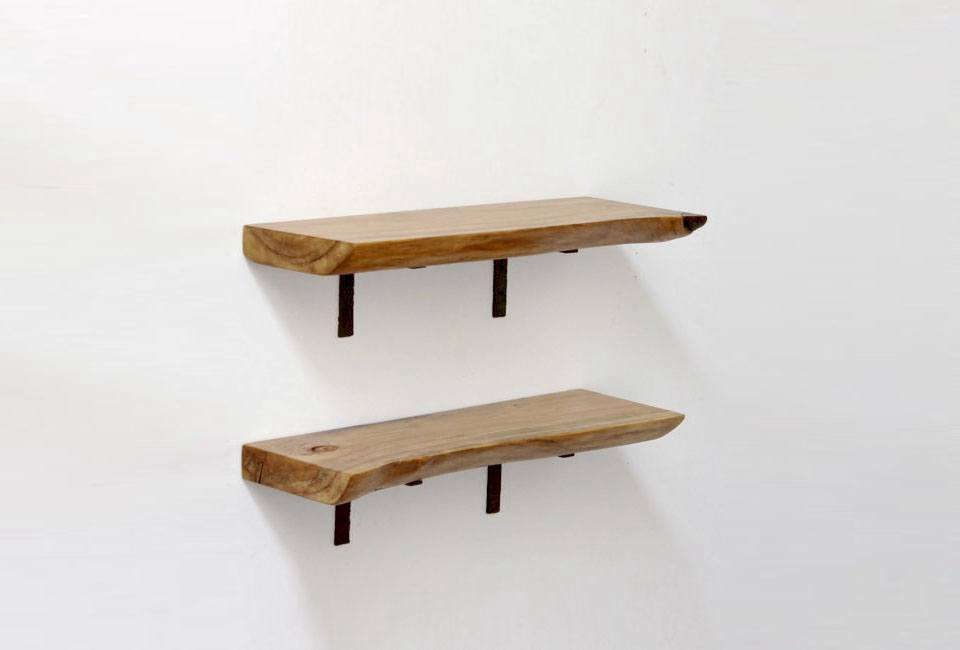
A floating shelf live edge slab wood open shelving setup is what happens when practical storage decides to put on boots, walk into a forest, and come back with personality. It is not just a shelf. It is a conversation starter, a design feature, a small architectural flex, and occasionally the reason guests say, “Wait, is that real wood?” while reaching for your coffee mugs.
Live edge floating shelves combine two ideas homeowners love: the clean, modern look of hidden-bracket shelving and the organic character of natural wood slabs. The shelf appears to float on the wall, while the front edge keeps the irregular curve of the tree. No two pieces look exactly alike, which is great news if your home has had enough of furniture that looks like it came from the same cardboard-flavored catalog.
Used in kitchens, living rooms, bathrooms, home offices, wet bars, laundry rooms, and entryways, live edge slab wood open shelving can add warmth without overwhelming a space. It can hold dishes, books, plants, candles, framed art, pantry jars, or that one decorative bowl nobody is allowed to touch because it has “visual balance.” But beauty is only half the story. The right shelf also needs proper wood selection, solid installation, smart finishing, and realistic weight planning.
What Is a Live Edge Floating Shelf?
A live edge floating shelf is a wall-mounted shelf made from a wood slab that preserves the natural outer edge of the tree. Instead of cutting every side into a perfect rectangle, the front edge keeps its waves, knots, curves, color variation, and grain movement. The result feels handcrafted, even when the rest of the room is sleek and minimal.
The “floating” part comes from hidden hardware. Most floating shelves use concealed rods, metal brackets, backplates, or cleats that are fastened to the wall and inserted into the shelf. Once installed, the support system disappears from view, leaving the shelf looking like it is casually defying gravity. It is not magic, though. It is engineering wearing a nice shirt.
Why Live Edge Slab Wood Works So Well for Open Shelving
Open shelving already has a lighter feel than closed cabinets. It makes everyday items visible, accessible, and part of the room’s design. When you build that open shelving from live edge slab wood, you add texture and depth that plain painted boards often cannot match.
The natural grain of walnut, maple, oak, cherry, ash, elm, or sycamore brings movement to a wall. A white kitchen can feel warmer. A modern living room can feel less showroom-perfect. A bathroom can gain a spa-like accent. Even a narrow hallway can suddenly look intentional instead of “we had a blank wall and panicked.”
Main Benefits of Live Edge Open Shelving
The first benefit is uniqueness. Each slab has its own shape, grain pattern, knots, checks, and color. If you want a shelf that nobody else owns, live edge wood is a strong choice.
The second benefit is versatility. Live edge floating shelves can fit rustic, farmhouse, industrial, modern, transitional, bohemian, coastal, and even minimalist interiors. The final look depends on the wood species, thickness, finish, bracket style, and what you place on the shelf.
The third benefit is function. A strong floating shelf can free up cabinet space, display frequently used items, and use vertical wall areas that might otherwise sit empty. In a small kitchen or apartment, wall storage is basically square footage doing push-ups.
Best Rooms for Floating Shelf Live Edge Slab Wood Open Shelving
Kitchen
The kitchen is one of the most popular places for live edge floating shelves. A pair of thick walnut shelves over a tile backsplash can replace upper cabinets or create a display zone for dishes, glassware, mugs, spices, and serving bowls. Open shelves work especially well near a coffee station, beside a range hood, around a window, or above a small prep counter.
For kitchen use, placement matters. Shelves should be easy to reach but not so low that people bump into them. They should also be installed securely into studs whenever possible, especially if they will hold plates or cookware. Ceramic dishes are lovely, but they do not bounce. Nobody wants “farmhouse charm” followed by “floor confetti.”
Living Room
In a living room, live edge slab shelves can display books, framed photos, plants, pottery, speakers, candles, or seasonal decor. A single long shelf above a sofa can create a strong horizontal line. Several shorter shelves arranged asymmetrically can make the wall feel curated and relaxed.
For a modern look, pair live edge wood with matte black hardware, neutral walls, and simple decor. For a warmer rustic style, choose a thicker slab with visible knots and a satin oil finish. The shelf should look natural, not like it is auditioning to become a tree again.
Bathroom
Bathrooms benefit from open shelving because towels, jars, soaps, and small baskets can stay within reach. A live edge shelf above the toilet, beside a vanity, or near a freestanding tub can soften hard surfaces like tile, stone, and glass.
Moisture is the big concern. Wood shelves in bathrooms should be properly sealed on all sides, including the back, underside, and end grain. Good ventilation also helps. A bathroom live edge shelf can last beautifully, but it should not be treated like driftwood at a water park.
Home Office
In a home office, live edge floating shelves can hold books, files, storage boxes, awards, plants, and small equipment. They add character to video-call backgrounds without screaming, “I bought this plant five minutes before the meeting.”
A deeper slab can work well above a desk, but avoid placing heavy items too far from the wall unless the bracket system is designed for that load. The farther weight sits from the wall, the more leverage it creates.
Entryway and Mudroom
Entryways are perfect for a live edge shelf with hooks underneath. The shelf can hold keys, sunglasses, mail trays, small baskets, or decorative pieces, while hooks take care of bags, hats, and light jackets. For heavier coats or backpacks, use a dedicated rail fastened into studs.
Choosing the Right Wood Slab
A beautiful floating shelf starts with the slab. The best choice depends on the room, budget, desired look, and load requirements.
Walnut
Walnut is a favorite for live edge shelving because of its rich brown color, dramatic grain, and upscale feel. It works beautifully in kitchens, offices, and living rooms. Walnut can be expensive, but it delivers the kind of warmth that makes even a plain white wall look like it hired an interior designer.
Maple
Maple is lighter in color and often feels clean, bright, and modern. It works well in Scandinavian-inspired spaces, small kitchens, and rooms where you want natural wood without a dark visual weight.
White Oak
White oak is strong, attractive, and versatile. It pairs well with modern farmhouse, transitional, and contemporary design. Its grain gives character without overwhelming the room.
Cherry
Cherry has a warm tone that deepens over time. It can feel elegant and traditional, especially with a clear or lightly amber finish.
Ash, Elm, and Sycamore
These species can offer striking grain and interesting live edges. They are often used by local slab mills and custom woodworkers. Availability depends on region, so shopping locally can reveal options that big-box stores may not carry.
Thickness, Depth, and Length: Getting the Proportions Right
For floating shelf live edge slab wood open shelving, proportions matter. A slab that is too thin may look weak, while one that is too thick can feel visually heavy unless the wall and hardware can support it.
Many live edge shelves look best between 1.25 and 2 inches thick. Thinner boards can work for lightweight decor, while thicker slabs create a bold architectural look. Shelf depth commonly ranges from 6 to 12 inches. A 6- to 8-inch shelf is great for picture frames, spices, small plants, and mugs. A 10- to 12-inch shelf works better for dinner plates, bowls, books, and baskets.
Length depends on wall size and stud layout. Long shelves should have enough hidden support points to prevent sagging. A dramatic 60-inch slab may look amazing, but only if the bracket system is strong enough and properly anchored. Wood does not care how good your Pinterest board looked.
Moisture Content and Wood Movement
Wood is a natural material, which means it expands and contracts as humidity changes. A live edge slab that has not been dried properly may warp, crack, cup, or twist after installation. This is especially important for shelves because a warped shelf is not charming. It is a ramp for your coffee mugs.
Before buying a slab, ask whether it has been kiln-dried or air-dried and whether the moisture content is appropriate for indoor furniture. A moisture meter can help confirm the slab is stable enough for interior use. For best results, let the wood acclimate in the room before final installation and finishing, especially if it has recently come from a garage, warehouse, or outdoor storage area.
Preparing a Live Edge Slab for Shelving
Preparation separates a gorgeous shelf from a rough board that may fight your wall like a tiny wooden alligator. Start by checking the slab for cracks, soft areas, loose bark, insect damage, and uneven surfaces.
Decide Whether to Keep the Bark
Some live edge shelves keep bark attached for a rugged look, but bark can loosen over time. Many woodworkers remove unstable bark and preserve the natural contour underneath. This gives the shelf a cleaner edge while still keeping the tree’s organic shape.
Flatten the Surface
A slab should sit flat against the wall and provide a level top surface. If the slab is cupped or uneven, it may need planing, sanding, routing, or professional flattening. A flat back edge is especially important for hidden brackets.
Sand Carefully
Sanding should smooth the faces and edges without erasing the live edge character. A common approach is to begin with medium grit and move toward finer grit, sanding with the grain where possible. The goal is a touchable surface, not a shelf that feels like it was polished by angels and then shrink-wrapped.
Fill Voids and Checks
Natural cracks, knots, and voids are part of live edge beauty. Some can remain visible, while others should be stabilized with epoxy or wood filler. Clear epoxy keeps the natural look. Dark tinted epoxy can create contrast. Color-matched filler can make repairs quieter. Test first on the underside whenever possible.
Finishing Options for Live Edge Wood Shelves
The finish protects the wood and determines the final appearance. A good finish brings out grain, improves durability, and helps resist stains, dust, and moisture.
Clear Polyurethane
Polyurethane is a practical choice for shelves that will see regular use. It creates a protective film and is available in different sheens, including satin, semi-gloss, and gloss. Satin often looks best for live edge shelving because it protects the wood without making it look dipped in plastic.
Hardwax Oil
Hardwax oil gives wood a natural, low-sheen appearance. It is popular for high-end furniture because it enhances grain while keeping the surface warm and tactile. It may require more maintenance than some film finishes, but many homeowners love the feel.
Oil Finish
Oil finishes can deepen the color of walnut, cherry, and other hardwoods. They are beautiful but may not provide as much surface protection as polyurethane in high-moisture or heavy-use areas.
Water-Based Finish
Water-based finishes dry clear and are useful when you want to preserve a light wood tone. They are often preferred for maple, white oak, and pale woods where yellowing is not desired.
Whatever finish you choose, coat all sides of the shelf. That includes the bottom, back, and ends. Sealing only the visible surface can allow uneven moisture exchange, which may encourage movement.
Hardware: The Secret Hero Behind Floating Shelves
A live edge floating shelf is only as good as the hardware behind it. Hidden shelf brackets, floating shelf rods, metal cleats, and heavy-duty backplates all serve the same basic purpose: they transfer the load from the shelf into the wall structure.
Whenever possible, install hardware into wall studs. Drywall anchors can work for light loads, but heavy wood slabs, dishes, books, and plants deserve stronger support. For kitchen open shelving, heavy-duty metal cleats or concealed brackets attached to studs are usually the safer route.
Always check the hardware rating, shelf depth limit, wall type, and manufacturer instructions. A thick live edge slab can be heavier than a standard store-bought floating shelf before you put anything on it. In other words, the shelf itself may already be doing bicep curls.
Installation Tips for a Strong, Level Shelf
First, mark the desired shelf height. Use painter’s tape to test the visual placement before drilling. This small step prevents the classic DIY tragedy known as “it looked higher in my imagination.”
Second, locate studs with a stud finder and confirm the center of each stud. Be careful around outlets, switches, plumbing walls, and vents because wiring and pipes may be hidden behind drywall.
Third, use a level to mark bracket placement. Predrill pilot holes when fastening into studs. Secure the bracket firmly, then test for movement before sliding the shelf into place.
Fourth, dry-fit the shelf before final tightening. Make sure it sits flush against the wall and does not tilt forward. If your shelf uses set screws, tighten them according to the hardware instructions.
Finally, load the shelf gradually. Start with lighter items and watch for sagging, shifting, or bracket movement. A shelf should not make noises. If it creaks like an old pirate ship, unload it and inspect the hardware.
Styling Live Edge Open Shelves Without Creating Clutter
Open shelving looks best when it has breathing room. That does not mean it must be empty. It means each item should feel intentional.
Use Groups of Three
Try grouping items in threes: a small plant, a framed photo, and a ceramic bowl; or a stack of plates, a mug collection, and a glass jar. Odd-numbered groupings often feel relaxed and balanced.
Mix Heights and Textures
Combine tall objects with low stacks. Mix wood with glass, metal, ceramic, woven baskets, and greenery. The live edge already brings texture, so keep the rest coordinated rather than chaotic.
Leave Negative Space
Do not cover every inch. Negative space makes the wood visible and keeps the shelf from turning into a parking lot for random objects.
Keep Daily Items Within Reach
In kitchens, place everyday dishes and mugs on lower shelves. Put decorative or occasional-use items higher. Open shelving should make life easier, not turn breakfast into a stretching routine.
Maintenance and Care
Dust live edge shelves regularly with a soft cloth. In kitchens, remove items occasionally and wipe the surface to prevent grease and dust buildup. Avoid soaking the wood with water or harsh cleaners. If the finish becomes dull, scratched, or dry, refresh it according to the finish type.
Check the brackets and fasteners from time to time, especially during the first few months after installation. Wood movement, wall settling, or heavy use can reveal small issues early. Tightening hardware before problems grow is much easier than catching a falling shelf with your reflexes and a dramatic facial expression.
Common Mistakes to Avoid
One common mistake is choosing a slab that is too wet. Another is using lightweight hardware for a heavy shelf. A third is ignoring stud placement. A fourth is overloading the shelf with books, appliances, or stacks of dishes beyond the bracket rating.
Another mistake is finishing only the top surface. Wood needs protection on all sides. Skipping the underside may save a little time now and create movement later.
Finally, do not place live edge shelves too close to high heat or direct steam. Above a stovetop, near a kettle, or directly beside a shower may require extra caution, better ventilation, and a tougher finish.
Cost Considerations
The cost of floating shelf live edge slab wood open shelving depends on the wood species, slab size, thickness, drying process, finish, and hardware. A small DIY shelf made from a local offcut may be budget-friendly. A long walnut slab with professional flattening, epoxy work, premium finish, and heavy-duty hidden brackets can cost much more.
Custom shelves usually cost more than mass-produced shelves, but they also offer better fit, stronger materials, and a one-of-a-kind look. For homeowners who want a focal point rather than basic storage, the upgrade can be worthwhile.
of Real-World Experience: What It Feels Like to Live With Live Edge Shelving
The first thing you notice after installing live edge slab wood open shelving is that the room feels less flat. A plain wall becomes layered. A kitchen becomes warmer. A home office feels more personal. The shelf does not just hold objects; it changes the mood of the space. That is the quiet power of natural wood. It does not shout. It just stands there looking confident, like it knows it used to be a tree.
In day-to-day use, the best live edge shelves are the ones planned around real habits. A shelf full of beautiful but rarely used dishes can look great, but a shelf that holds your actual coffee mugs, plates, and bowls becomes part of the morning routine. You reach for it constantly. You appreciate the smooth finish. You notice the grain while waiting for coffee. Suddenly, storage feels less like storage and more like a small daily luxury.
The biggest lesson is to respect weight. Live edge slabs feel substantial because they are substantial. Before adding stacks of books, cast-iron cookware, or heavy pottery, think about the total load. A shelf that holds three plants may not be designed to hold a library. This sounds obvious until you realize books reproduce on shelves when nobody is looking.
Cleaning is simple but not optional. Open shelving collects dust faster than closed cabinets. In kitchens, it can also collect a light film from cooking. The solution is not complicated: use the shelf for items you handle often, keep decorative objects edited, and wipe the surface regularly. If you choose practical items instead of clutter, maintenance stays manageable.
Another experience worth mentioning is how much the live edge influences styling. Straight shelves feel orderly, but live edge shelves feel organic. That means overly perfect arrangements can sometimes look stiff. A small trailing plant, handmade mug, pottery vase, or stack of linen napkins often works better than perfectly symmetrical decor. The natural edge gives permission for the display to feel relaxed.
Installation day also teaches patience. Measuring twice is not enough; measure until your confidence becomes mildly annoying. Check the studs, check the level, dry-fit the shelf, step back, adjust, and only then commit. A floating shelf that is slightly crooked will bother you forever. You will see it during breakfast, during phone calls, and possibly in your dreams.
Over time, a live edge shelf becomes part of the home’s personality. Small marks may appear. The finish may mellow. The wood may darken slightly depending on species and sunlight. These changes are not flaws; they are part of owning real material. Unlike fake veneer that simply wears out, solid wood tends to age with character when properly cared for.
The most satisfying part is that live edge shelving works in both expensive remodels and simple weekend upgrades. You do not need to rebuild an entire room. One good slab, properly finished and securely mounted, can make a blank wall feel designed. That is a rare home improvement win: practical, beautiful, and not secretly trying to become a six-month renovation.
Conclusion
Floating shelf live edge slab wood open shelving is more than a design trend. It is a smart way to combine natural beauty, useful storage, and architectural interest. The key is choosing dry, stable wood; preparing the slab carefully; finishing every surface; using strong hidden hardware; and styling the shelf with intention.
Whether you want warm walnut shelves in a modern kitchen, maple shelves in a bright bathroom, or rustic oak shelves in a cozy living room, live edge wood brings something manufactured shelving rarely can: individuality. It reminds a room that nature has better design software than we do.
Note: This article is written for web publication and intentionally avoids inserted source links or citation markup. The guidance reflects established U.S. home improvement, woodworking, finishing, and interior design practices.