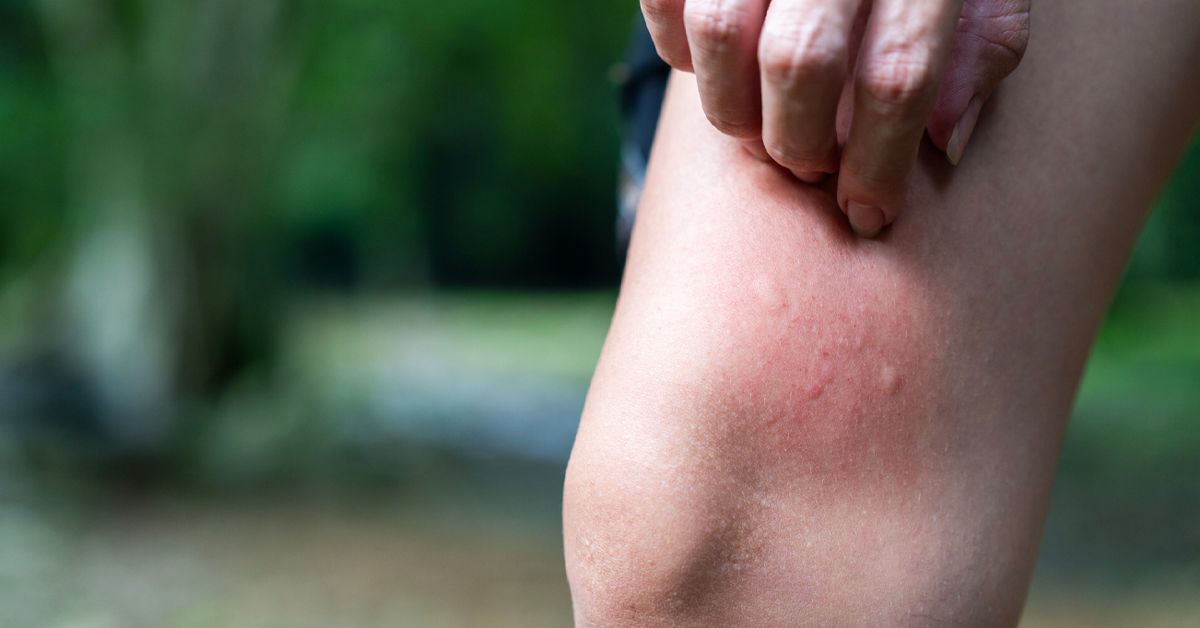
Fleabites are one of those tiny skin problems that can cause a surprisingly dramatic amount of irritation. One minute you are relaxing on the couch, and the next you are scratching your ankles like you walked through a field of invisible cactus. Fleas may be small, but their bites can leave behind itchy, red, clustered bumps that are hard to ignore.
Most flea bites are not dangerous and can be treated at home with simple care. The real challenge is that the bites are only half the story. If fleas are still living on a pet, in bedding, in carpet, or in shaded outdoor areas, new bites can appear again and again. Treating fleabites successfully means calming the skin and dealing with the fleas themselves. Otherwise, you are basically putting a tiny bandage on a tiny vampire problem.
This guide explains what fleabites look like, common symptoms, how to identify them in images, how to treat them, when to call a doctor, and how to prevent fleas from turning your home into their personal nightclub.
What Are Fleabites?
Fleabites are small skin reactions caused when fleas feed on blood. Fleas are tiny, wingless insects that live on mammals and birds. They are famous for jumping, hiding in fur, and creating a level of household chaos that seems unfair for something so small.
In the United States, most human flea bites are linked to cat fleas and dog fleas. Even if the family pet is the main host, fleas may bite people when they are hungry, disturbed, or spreading through the home environment. They often bite around the ankles, feet, and lower legs because those areas are closest to carpets, rugs, pet bedding, and floors where fleas may be waiting.
When a flea bites, it pierces the skin and injects saliva. The body reacts to that saliva, causing itching, redness, swelling, and sometimes a rash. Some people barely notice a bite. Others react as though their immune system has received a strongly worded insult.
What Do Fleabites Look Like?
Fleabites usually appear as small, raised, red or pink bumps. On darker skin tones, they may look reddish-brown, purple, or slightly darker than the surrounding skin. They often show up in clusters or short lines, especially around the ankles, calves, feet, waist, or areas where clothing fits tightly.
Common visual signs of fleabites include:
- Small red, pink, purple, or discolored bumps
- A tiny central puncture mark in some bites
- Clusters of two, three, or more bumps
- Intense itching around the bite area
- Mild swelling or a halo of redness
- Bites mostly on the feet, ankles, and lower legs
- Occasional blisters in people with stronger reactions
Fleabites are often described as appearing in groups of three, sometimes nicknamed “breakfast, lunch, and dinner.” That phrase is cute in the way a raccoon stealing your groceries is cute: memorable, but not something you asked for.
Fleabite Images: What to Look for Before You Panic
When looking at fleabite images online, remember that skin reactions vary from person to person. A mild fleabite may look like a small red dot. A stronger reaction may look like a swollen welt, a rash, or a blister. Scratched bites may look crusted, scabbed, or infected, which can make them harder to distinguish from other skin problems.
If you are comparing your skin to fleabite pictures, focus on the pattern rather than one single bump. Fleabites tend to cluster on lower legs and feet. They may appear after time spent around pets, carpets, upholstered furniture, animal bedding, or outdoor areas where pets rest. If your dog or cat is scratching more than usual, and your ankles are suddenly auditioning for a dot-to-dot puzzle, fleas are a strong possibility.
Fleabites vs. Bedbug Bites
Fleabites and bedbug bites can look similar because both may appear in clusters or lines. However, flea bites are more common on the ankles, feet, and lower legs. Bedbug bites often appear on exposed skin during sleep, such as the arms, shoulders, neck, and face. Bedbugs also tend to leave clues on mattresses, sheets, and bed frames, while fleas are more likely connected to pets and floor-level areas.
Fleabites vs. Mosquito Bites
Mosquito bites are often larger, puffier, and more isolated. Fleabites are usually smaller and appear in groups. Mosquito bites can happen anywhere exposed skin is available, while fleas frequently go for the lower body. Apparently, fleas are ankle specialists.
Fleabites vs. Hives
Hives are raised, itchy welts that can move around, merge together, and appear suddenly due to allergies, foods, medications, infections, or other triggers. Fleabites are more fixed in place and usually have a bite-like pattern. If swelling spreads quickly, breathing becomes difficult, or hives appear all over the body, seek medical help right away.
Common Symptoms of Fleabites
The main symptom of fleabites is itching. The itch can range from mild annoyance to “I would like to negotiate directly with my nervous system.” Some people also develop swelling, tenderness, or a burning feeling around the bite.
Typical fleabite symptoms may include:
- Itchy red bumps
- Small clusters or lines of bites
- Swelling around the bite
- Skin irritation or tenderness
- A rash around multiple bites
- Blisters in sensitive individuals
- Scabs from scratching
Children may scratch bites more aggressively, which can increase the risk of broken skin and infection. People with sensitive skin, eczema, or allergies may also react more strongly.
Why Do Fleabites Itch So Much?
Fleabites itch because the immune system reacts to proteins in flea saliva. When a flea feeds, that saliva helps the insect take a blood meal. Your body does not appreciate this tiny, unauthorized snack break. In response, it releases inflammatory chemicals that cause itching, redness, and swelling.
Scratching may feel satisfying for about three seconds, but it can make the bite worse. Broken skin allows bacteria to enter, which can lead to infection. Scratching also keeps the inflammation going, turning a small bite into a bigger, angrier problem.
Are Fleabites Dangerous?
Most fleabites are not dangerous. They are itchy, annoying, and socially rude, but they usually heal without serious problems. However, complications can happen.
Possible complications include:
- Secondary skin infection: Scratching can break the skin and allow bacteria to enter.
- Allergic reaction: Some people develop larger welts, blisters, or widespread itching.
- Flea-borne illness: In rare cases, fleas may carry germs that cause diseases such as flea-borne typhus, plague, or cat scratch disease.
- Pet health problems: Pets with fleas may develop flea allergy dermatitis, hair loss, skin infections, or anemia in severe infestations.
Flea-borne diseases are uncommon compared with everyday itchy bites, but they are one reason it is smart to take flea control seriously. If you develop fever, chills, headache, body aches, swollen lymph nodes, or a spreading rash after suspected flea exposure, contact a healthcare professional.
How to Treat Fleabites at Home
For mild fleabites, home treatment is usually enough. The goal is to reduce itching, calm inflammation, prevent infection, and avoid turning your skin into a scratch map.
1. Wash the Area
Clean the bites gently with soap and water. This helps remove irritants and lowers the chance of infection. Do not scrub aggressively. Your skin is already annoyed; it does not need a pep talk from a rough washcloth.
2. Apply a Cold Compress
Use a cold, damp cloth or an ice pack wrapped in a towel for 10 to 20 minutes. Cold can help reduce swelling, numb itching, and make the bite feel less dramatic.
3. Use Anti-Itch Cream
Over-the-counter hydrocortisone cream, calamine lotion, or anti-itch lotion may help reduce itching. Follow label instructions, especially when using products on children or sensitive skin.
4. Consider an Oral Antihistamine
If itching is widespread or keeping you awake, an oral antihistamine may help. Some antihistamines can cause drowsiness, so read the label carefully and ask a pharmacist or healthcare professional if you are unsure.
5. Avoid Scratching
Keep nails short, cover bites with breathable clothing, or use a bandage over especially tempting spots. If a bite is begging to be scratched, distract your hands. Your skin will thank you later.
6. Watch for Infection
Call a healthcare professional if you notice increasing redness, warmth, swelling, pus, worsening pain, red streaks, fever, or bites that do not improve. These may be signs of infection or another condition that needs medical care.
When to See a Doctor for Fleabites
Many fleabites heal in a few days to a week, though itching may last longer in sensitive people. Medical care is recommended if symptoms are severe, unusual, or worsening.
Seek medical advice if you have:
- Fever, chills, headache, or body aches after flea exposure
- A rash that spreads beyond the bite area
- Swollen or painful lymph nodes
- Signs of skin infection, such as pus, warmth, or increasing pain
- Severe swelling or blistering
- Difficulty breathing, dizziness, or facial swelling
- Bites that do not improve after a couple of weeks
Emergency symptoms such as trouble breathing, swelling of the lips or throat, faintness, or a widespread allergic reaction require immediate medical attention.
How to Stop Fleabites from Coming Back
Treating the bites is helpful, but stopping new bites requires flea control. Fleas can live on pets, in carpets, in cracks between floorboards, in bedding, and in shaded outdoor spaces. Adult fleas are only part of the problem. Eggs, larvae, and pupae can remain hidden and continue the cycle.
Start with Pets
If you have cats, dogs, or ferrets, talk with a veterinarian about safe flea prevention. Use products designed for your pet’s species, age, and weight. Never use dog flea products on cats unless a veterinarian specifically says it is safe. Some ingredients that are tolerated by dogs can be dangerous to cats.
Signs of fleas on pets include scratching, biting at the skin, hair loss, flea dirt, restlessness, and small dark specks in the fur. Flea dirt may look like black pepper. If placed on a damp white paper towel, it can turn reddish-brown because it contains digested blood. Gross? Yes. Useful? Also yes.
Clean the Home Thoroughly
Vacuum carpets, rugs, upholstered furniture, baseboards, cracks, and areas where pets sleep. Empty the vacuum canister or dispose of the vacuum bag promptly. Fleas can continue developing inside vacuum debris, because apparently they did not receive the memo that they are unwanted guests.
Wash pet bedding, blankets, and washable fabrics in hot water when possible. Dry them thoroughly. Steam cleaning carpets can also help because heat and cleaning can target fleas in multiple life stages.
Focus on Flea Hot Spots
Fleas gather where pets rest. Check pet beds, sofas, rugs, under furniture, along walls, porches, shaded yard areas, and places where stray animals may sleep. If wildlife or stray cats visit your yard, fleas may hitch a ride into the area.
Use Pesticides Carefully
If an infestation is heavy, insecticides may be needed. Read and follow the product label exactly. Keep children and pets away from treated areas until the label says it is safe. When in doubt, contact a pest control professional or local extension office for guidance.
How to Prevent Fleabites Outdoors
Fleas are more common in warm, humid environments and shaded places where animals rest. Outdoor prevention is especially important if pets spend time outside.
Helpful prevention steps include:
- Keep pets on veterinarian-approved flea prevention year-round or seasonally as recommended.
- Avoid petting or feeding stray animals.
- Wear socks, long pants, and closed shoes in areas where fleas may be present.
- Keep grass trimmed and remove yard debris where fleas may hide.
- Discourage rodents, opossums, feral cats, and other wildlife from nesting near the home.
- Wash pet bedding regularly.
- Vacuum frequently during flea season or after any suspected exposure.
Fleabites on Babies and Children
Children may be more bothered by fleabites because they often scratch without thinking. Their skin may also react strongly to bites. Keep bites clean, use child-safe itch relief products only as directed, and ask a pediatrician before using medications on babies or young children.
Call a doctor if a child develops fever, spreading redness, pus, significant swelling, or bites near the eyes, mouth, or genitals. Also seek help if scratching is causing open sores or sleep disruption.
Fleabites on Pets: Why Human Treatment Is Not Enough
If people in the home are getting fleabites, pets should be checked too. Dogs and cats may develop intense itching, hair loss, scabs, hot spots, and skin infections. Some pets are allergic to flea saliva and can react to even a few bites.
A veterinarian can recommend flea control products and treatment for irritated skin. Treating only the human bites while ignoring the pet is like mopping the floor while the sink is still overflowing. Admirable effort, wrong target.
Common Myths About Fleabites
Myth 1: Clean homes cannot get fleas.
Even clean homes can get fleas if pets, wildlife, or infested items bring them inside. Cleanliness helps control fleas, but it does not create a magical flea force field.
Myth 2: If I do not see fleas, they are not there.
Fleas are small, fast, and excellent at hiding. Eggs and larvae may be in carpets, bedding, or furniture even when adult fleas are hard to spot.
Myth 3: Fleabites only happen to pet owners.
People without pets can still get fleabites from previous tenants, shared laundry areas, carpets, wildlife near the home, or visiting places with flea infestations.
Myth 4: Scratching helps get the itch out.
Scratching may feel good briefly, but it can worsen inflammation and increase infection risk. The itch is not a treasure chest. You do not need to dig.
Practical Experience: What Fleabites Teach You the Hard Way
Anyone who has dealt with fleabites knows the experience is not just medical; it is emotional, logistical, and occasionally absurd. The first clue is often not a dramatic discovery of fleas jumping across the room like circus performers. It is usually a few itchy bumps around the ankles. You ignore them at first. Maybe it was a mosquito. Maybe it was dry skin. Maybe your socks have betrayed you.
Then more bites appear. The pattern starts to look suspicious. You notice the dog scratching. The cat gives you a look that says, “This is your department.” Suddenly, the home becomes a detective scene. You inspect pet bedding, vacuum corners you have not thought about since moving in, and stare at your ankles like they are trying to send a message in Morse code.
The most useful lesson is that treating the skin alone rarely solves the problem. Anti-itch cream can calm the bites, but if fleas are still in the carpet or on a pet, new bites will keep appearing. People often lose time because they focus only on the rash. The better approach is two-sided: soothe the skin and break the flea life cycle at the same time.
A practical routine can make a big difference. Wash the bites with soap and water, apply a cold compress, use hydrocortisone or calamine for itching, and avoid scratching. At the same time, vacuum daily during an active infestation, wash pet bedding, clean areas where pets rest, and contact a veterinarian for proper flea prevention. If the infestation is heavy, professional pest control may be worth it, especially when fleas keep returning despite cleaning.
Another real-world lesson is patience. Flea control may take time because eggs, larvae, and pupae can remain hidden. You may still see some flea activity after the first cleaning or treatment. That does not always mean you failed. It may mean the life cycle is still being interrupted. Consistency matters more than panic-cleaning once and then declaring victory while fleas quietly regroup under the sofa.
It also helps to protect your sleep. Fleabites can itch more when you are trying to relax, which is deeply unfair. Keep an anti-itch product nearby, use cool compresses before bed, and wear soft, breathable clothing that covers bites without overheating the skin. If itching is severe, ask a pharmacist or healthcare professional whether an oral antihistamine is appropriate.
Finally, do not let embarrassment delay action. Fleas are not a moral judgment. They are insects. They do not check your cleaning schedule, your income, or whether your throw pillows are tastefully arranged. They follow animals, warmth, and opportunity. The faster you respond, the easier the problem is to control.
The best experience-based advice is simple: believe the pattern, treat the itch, check the pets, clean the environment, and watch for red flags. Fleabites are usually manageable, but they are much easier to handle when you take them seriously early. Your ankles deserve peace. Your pets deserve comfort. And your vacuum, unfortunately, is about to become the hero of the story.
Conclusion
Fleabites are small, itchy bumps caused by fleas feeding on blood. They often appear in clusters around the ankles, feet, and lower legs, though they can show up anywhere fleas can reach. Most cases are mild and respond well to soap and water, cold compresses, anti-itch creams, and avoiding scratching. However, worsening redness, pus, fever, swollen lymph nodes, or widespread symptoms should be checked by a healthcare professional.
The most important takeaway is that fleabite treatment does not end with the skin. To stop new bites, you must control fleas on pets, in bedding, in carpets, and in the home environment. With consistent cleaning, proper pet prevention, and timely medical care when needed, fleabites can usually be managed without turning your home into a full-time insect courtroom.